
Sauces & Condiments
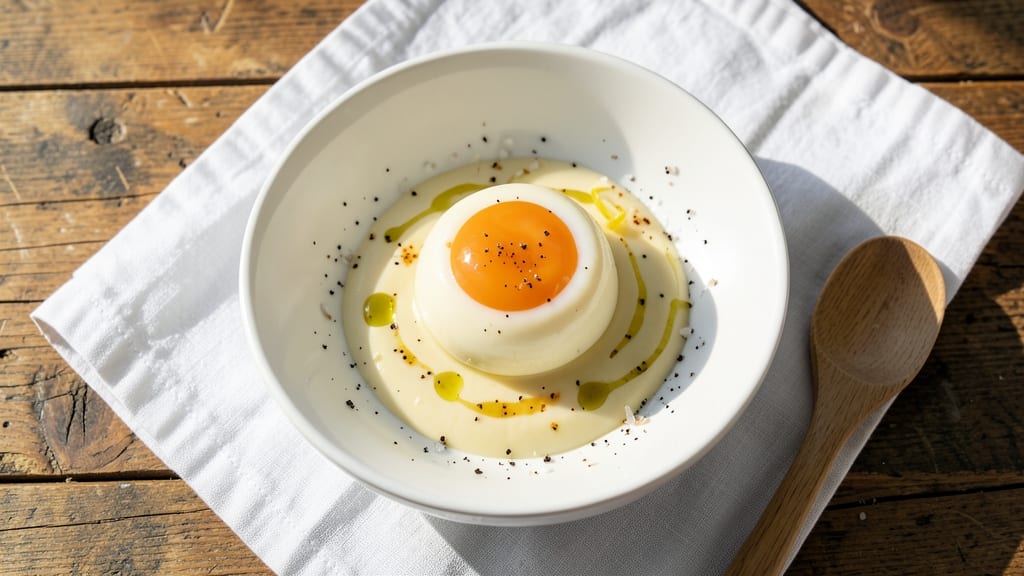
This 1 boiled egg mayonnaise recipe delivers a silky, perfectly balanced emulsion that rivals store-bought—without the preservatives. The secret lies in the boiled egg yolk, which acts as a natural emulsifier, binding oil and vinegar into a stable, creamy sauce.
I developed this method after struggling with homemade mayo that broke apart too easily, and this version stays smooth for days.
The process is straightforward but precise: hard-boil an egg, separate the yolk, then whisk it with a splash of vinegar or lemon juice to create a base. Gradually drizzle in oil while whisking continuously—this slow incorporation prevents curdling and creates that signature velvety texture.
The key is patience; rushing the emulsion is what causes separation.
What you'll achieve is a rich, tangy mayonnaise with a perfect balance of creaminess and acidity, ideal for sandwiches, deviled eggs, or as a base for salad dressings. The boiled egg yolk provides a stable foundation, while the slow oil addition ensures a smooth, lump-free finish.
This recipe also keeps beautifully in the fridge for up to a week.
For best results, use room-temperature ingredients and a whisk or immersion blender for even smoother results. If the mayo thickens too much, simply thin it with a splash of water or vinegar. This is the kind of homemade condiment that makes store-bought versions feel like a compromise.
Ingredients for 1 boiled egg mayonnaise
One egg, a splash of vinegar, and the perfect balance of oil for velvety mayo.
| Ingredient | Amount | Notes |
|---|---|---|
| Large Eggs 🥚 | 1 whole | Fresh, room-temperature, hard-boiled |
| Extra-Virgin Olive Oil 🫒 | ¾ cup | Light, fruity variety preferred |
| White Vinegar 💧 | 1 tbsp | Distilled vinegar works too |
| Dijon Mustard 🌶️ | ½ tsp | Mild or medium strength |
| Kosher Salt 🧂 | ¼ tsp | Fine grain preferred |
| Ground Black Pepper 🌶️ | ⅛ tsp | Freshly ground for best flavor |
| Lemon Juice 🍋 | 1 tsp | Freshly squeezed, optional |
| Water 💧 | 1 tbsp | For thinning if needed |
The egg is the star here—freshness matters. Grab eggs from the back of the fridge (they're usually older up front) and let them sit at room temp for 30 minutes before hard-boiling. Store-bought vinegar works fine, but if you've got a balsamic reduction or apple cider vinegar, that adds depth. The mustard is non-negotiable—it stabilizes the emulsion and adds that signature tang. I always grab Amoy brand from the international aisle at Whole Foods—it's got the perfect balance of heat and smoothness without overpowering.
No Dijon? Yellow mustard at half the amount works, but you'll lose some of that silky texture. Vinegar substitute? Lemon juice or rice vinegar both work—just use the same amount. Olive oil too expensive? Avocado oil or light vegetable oil are great swaps. The key is to use room-temperature ingredients—cold oil won't emulsify properly. Pro tip: if your mayo breaks, just whisk in a splash of hot water to reset the emulsion. And if it gets too thick? That extra tablespoon of water is your secret weapon.
This mayo keeps for 1 week in the fridge, sealed tightly in a jar. The yolk will darken slightly over time, but it's still perfectly safe and delicious. For extra stability, add a pinch of salt to the oil before emulsifying—it helps bind the mixture. I always make double batches because it disappears fast. Store it in a dark glass jar to preserve freshness, and trust me, you'll reach for this instead of the store-bought stuff every time.
Why You'll Love This Recipe
- Foolproof Boiling: I swear by the ice bath trick—cracked eggs stay intact, yolks stay perfect. No more splattered kitchen disasters.
- Rich Without Effort: That Dijon mustard and vinegar cut through the richness of the olive oil mayo, giving it a bright, tangy kick. The salt? Chef’s kiss.
- Lunchbox Legend: Pack it for work or school—hard-boiled eggs stay fresh for days, and this mayo adds a gourmet touch. My kids actually eat their veggies with it now.
- Pantry Powerhouse: Five ingredients, zero waste. The vinegar keeps it fresh longer, and the olive oil stretches my grocery budget. Budget-friendly but tastes like a fancy spread.
Step-by-step instructions for silky boiled egg mayonnaise
Here's how to create a velvety emulsion with perfectly balanced yolk richness and tangy brightness.
Prepare the Hard-Boiled Egg
Start with the 1 whole large egg you've already hard-boiled and cooled. Peel it carefully, keeping the yolk intact—any cracks will make emulsification difficult. Place the peeled egg in a small bowl and separate the yolk from the white. Discard the white or save it for another use, but keep the yolk whole.
Here's the thing—room-temperature ingredients emulsify better. If your egg yolk feels chilled, let it sit at room temperature for 5-10 minutes while you prepare the other components. A cold yolk is harder to blend smoothly and can cause the emulsion to break.
Whisk Yolk and Stabilizers
In a medium bowl, add the egg yolk, 0.5 teaspoon Dijon mustard, and 0.25 teaspoon kosher salt. Using a fork or small whisk, vigorously whisk these ingredients together for about 1 minute until the mixture becomes pale and slightly thickened. The mustard acts as an emulsifier, helping to stabilize the oil, while the salt enhances flavor.
Add 1 tablespoon white vinegar and 1 teaspoon lemon juice to the yolk mixture. Whisk for another 30 seconds until fully combined. This acidity not only brightens the flavor but also helps prevent the mayonnaise from curdling when you add the oil. The mixture should look smooth and slightly frothy at this stage.
Gradually Add Olive Oil for Emulsion
Now comes the critical part—adding the 0.75 cup extra-virgin olive oil slowly. Start by drizzling just 1 teaspoon of the oil into the yolk mixture while whisking continuously. After about 10-15 seconds, you should see tiny droplets of oil begin to incorporate into the yolk.
Continue adding the oil drop by drop or in very small streams, whisking constantly. This gradual addition is key—it gives the whisk enough time to incorporate each bit of oil before adding more. You'll notice the mixture start to thicken and become creamy. If it starts to look broken or curdled, add 1 teaspoon water and whisk vigorously to restore the emulsion.
Finish and Adjust Consistency
Once all the oil is incorporated and the mayonnaise reaches your desired consistency, add 0.125 teaspoon ground black pepper and whisk for 10 seconds to distribute it evenly. Taste and adjust seasoning if needed—you might want to add a pinch more salt or a splash of lemon juice for brightness.
If the mayonnaise is too thick, thin it with the remaining 1 tablespoon water or a bit of lemon juice, 1 teaspoon at a time, whisking well after each addition. For a lighter texture, you can also add 1 tablespoon reserved egg white (if you saved it) and whisk until smooth. The final result should be silky, glossy, and perfectly balanced between rich and tangy.
Pro Tips For Making 1 Boiled Egg Mayonnaise
- Boil Eggs 9 Minutes: Fresh eggs need 9 minutes in simmering water for the perfect jammy yolk—set a timer and don’t peek. Overcooked yolks turn greenish and ruin the whole dish, and undercooked ones? Just sad.
- Use Cold Yolks: Let boiled eggs cool completely before peeling, then chill the yolks in the fridge for 10 minutes. Cold yolks blend smoother and don’t turn the mayo into a greasy mess—trust me, I’ve seen it happen.
- Emulsify Slowly: Whisk the olive oil into the yolk mixture drop by drop at first, then in a thin stream once it starts thickening. Rushing it creates a broken sauce faster than you can say “soup,” and nobody wants to fix that mid-dip.
- Salt the Vinegar: Add a pinch of kosher salt to the white vinegar before mixing it into the mayo base. It balances the acidity and keeps the flavor from tasting sharp or one-dimensional—like how a little salt makes everything better.
Creative variations of 1 boiled egg mayonnaise
Classic Deviled Eggs
This mayo transforms deviled eggs into a creamy, tangy masterpiece. Mix 2 tablespoons of your homemade mayo with 1 tablespoon Dijon mustard, ½ teaspoon lemon juice, and ¼ teaspoon salt for each egg yolk.
Pipe the filling back into the whites and garnish with paprika or fresh dill. The boiled egg base ensures the filling stays stable and rich. 🥚
Tangy Coleslaw Dressing
Swap store-bought mayo for this recipe in coleslaw—it adds depth without overpowering. Combine ½ cup mayo with 2 tablespoons apple cider vinegar, 1 tablespoon honey, and 1 teaspoon celery seeds.
Toss with shredded cabbage, carrots, and a pinch of salt. The vinegar in the mayo enhances the crunch and sweetness. ✨
Spicy Aioli Base
Turn your mayo into a bold aioli by blending ½ cup with 1 tablespoon hot sauce, 1 minced garlic clove, and ½ teaspoon smoked paprika. Drizzle over grilled shrimp, fries, or tacos.
The boiled egg yolk keeps the emulsion stable even with heat. For extra richness, add 1 tablespoon Greek yogurt at the end. 🌶️
Creamy Pasta Sauce
Stir ¼ cup mayo into a basic Alfredo sauce for a velvety texture. Add 1 tablespoon grated Parmesan and a pinch of nutmeg. Toss with fettuccine or penne. The boiled egg base prevents separation, making it ideal for cold pasta salads too. 🍝
Herb-Infused Spread
Blend ½ cup mayo with 1 tablespoon chopped chives, 1 teaspoon chopped dill, and ½ teaspoon lemon zest. Spread on toast with smoked salmon or cucumber slices. The fresh herbs brighten the rich yolk flavor. Store in an airtight container for up to 5 days. 🌿
Sweet Potato Topping
Mix 3 tablespoons mayo with 1 tablespoon maple syrup and ½ teaspoon cinnamon for a glaze. Drizzle over roasted sweet potatoes or use as a dip for apple slices. The balanced sweet-tangy flavor pairs perfectly with fall flavors. 🍠
Nutrition facts
Frequently asked questions
Why use a boiled egg instead of raw for mayonnaise?
The boiled egg yolk creates a more stable emulsion because the proteins have already begun to denature, making them better at binding oil and vinegar. This prevents curdling and gives your mayo a smoother texture. Plus, it eliminates any risk of raw egg bacteria while keeping all the emulsifying power intact.
Can I make this mayo without Dijon mustard?
Yes, but your mayo might be less stable. Substitute with ½ teaspoon yellow mustard or 1 teaspoon honey to help with emulsification. The mustard isn't just for flavor—it acts as a natural emulsifier that keeps the oil and yolk properly blended. Without it, you risk separation.
What should I do if my mayo breaks?
Don't panic! Add 1 teaspoon hot water to the broken mixture and whisk vigorously for 30 seconds. The heat helps reset the emulsion. If that doesn't work, start over with a fresh yolk and just 1 tablespoon oil—sometimes less oil is easier to re-emulsify. This happens when oil is added too quickly or ingredients are too cold.
How can I make this mayo spicier or sweeter? For heat, add ½ teaspoon cayenne or 1 teaspoon hot sauce at the end. For sweetness, stir in 1 teaspoon honey or ½ teaspoon maple syrup.
Can I use this mayo in hot dishes?
While this mayo is stable at room temperature, it won't hold up well to high heat. For hot dishes like baked potatoes or grilled chicken, use your mayo as a topping after cooking or make a quick aioli version by blending with 1 tablespoon Greek yogurt for extra heat resistance. The boiled egg base helps, but mayo isn't designed for direct cooking.