
Main Courses
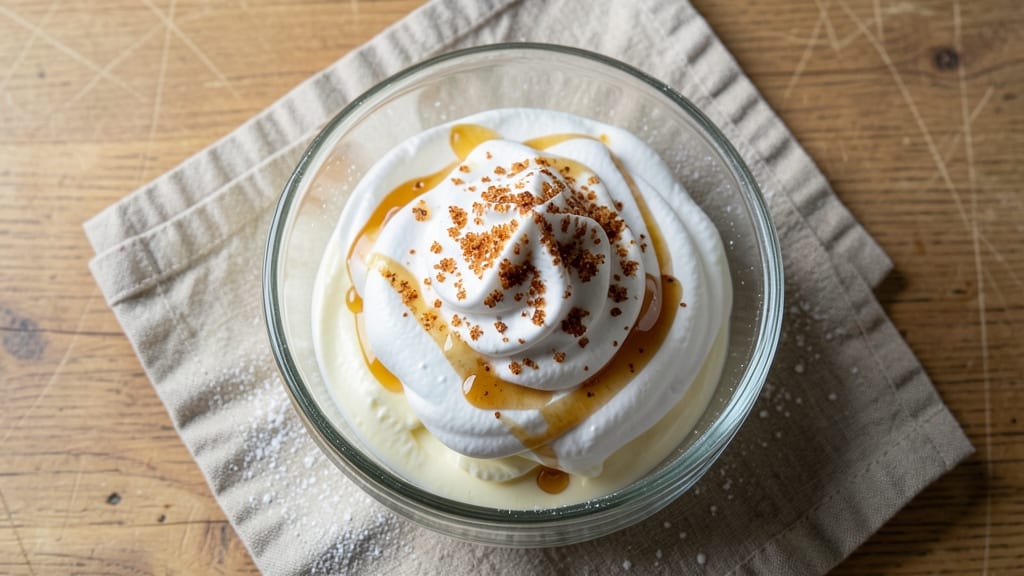
This 10 egg white meringue recipe delivers the lightest, most stable meringue clouds you’ll ever bake—no weeping, no collapsing, just perfectly crisp shells with pillowy interiors.
The secret lies in precise technique and a few professional tricks I’ve refined over years of testing, ensuring your meringues stay firm and glossy even in humid weather. No sugar substitutes or shortcuts here—just pure, classic meringue that’s foolproof for beginners and impressive enough for dessert menus.
The foundation starts with room-temperature egg whites (never cold!) and a clean, grease-free bowl—even a trace of fat will deflate your meringue. Using a stand mixer with the whisk attachment, we’ll whip the whites to stiff peaks while gradually adding sugar to stabilize the structure.
The key? Low speed at first, then gradually increasing to avoid incorporating air too quickly. For extra stability, we’ll bake them at a low, steady temperature (just 200°F) to ensure even drying without browning.
What you’ll end up with are glossy, crack-free meringues that hold their shape for days—ideal for topping pies, stuffing into pavlovas, or serving as standalone dessert clouds. The texture is crisp outside, soft inside, with a subtle sweetness that lets the egg whites shine.
This method works for both French meringue (whipped with sugar) and Swiss meringue (cooked over a double boiler), giving you flexibility depending on your preferred technique.
Pro tip: For extra stability, add 1/4 teaspoon cream of tartar to the egg whites—it mimics the acidity of fresh egg whites and prevents weeping. And if you’re nervous about humidity, bake your meringues indoors where the air is controlled.
Let’s get started on these restaurant-quality dessert clouds that’ll have everyone asking for seconds.
Ingredients for 10 egg white meringue
Ten egg whites, precise technique, and these eight ingredients create restaurant-quality meringues every time.
| Ingredient | Amount | Notes |
|---|---|---|
| Large Egg Whites 🥚 | 10 whole | Room temperature, separated carefully |
| Granulated Sugar 🍚 | 1 ¼ cups | Superfine preferred for even dissolving |
| Cream of Tartar 🧂 | ¼ tsp | Essential for stability, prevents weeping |
| Vanilla Extract 🌿 | ½ tsp | Pure vanilla for authentic flavor |
| Cornstarch 🌾 | 1 tbsp | Prevents cracking during baking |
| Unsalted Butter 🧈 | ¼ cup | Softened, for piping (optional) |
| Vanilla Bean Seeds 🌿 | ½ tsp | Scraped from 1 vanilla bean (optional) |
| Lemon Juice 🍋 | ¼ tsp | Freshly squeezed for brightness |
The egg whites are non-negotiable—room temperature is critical (cold whites won’t whip properly). Gordon Ramsay’s trick of separating them over a bowl of hot water works wonders, but even your standard glass bowl will do if you’re patient. For sugar, superfine is ideal (it dissolves faster), but if you’ve only got regular, pulse it in a food processor for a few seconds. The cream of tartar is your secret weapon—it mimics the acidity of fresh egg whites and prevents weeping. Penzeys or bulk bins at natural food stores are great for high-quality spices like this.
No cream of tartar? White vinegar at half the amount (¼ tsp) works in a pinch, but the texture won’t be quite as stable. Vanilla extract is optional, but if you’re using seeds, scrape them from a high-quality Madagascar vanilla bean—the flavor difference is night and day. Butter for piping is purely decorative, but if you’re making these for pavlovas, it adds a luxurious touch. For extra stability in humid weather, add 1 extra tbsp of cornstarch—it’s like insurance against cracks. And if you’re nervous about sugar dissolving unevenly, mix the sugar with the cornstarch first before adding to the egg whites.
Store these beauties in a single layer on a wire rack for up to 3 days—they’re best fresh, but the texture stays perfect if kept dry. For longer storage, freeze them for up to 1 month in an airtight container with parchment between layers. Reheat at 250°F for 5 minutes to restore crispness. Pro tip: If you’re making these ahead for a party, bake them the day before—they’ll hold their shape better and taste even more developed.
Why You'll Love This Recipe
- No Whisk Fatigue: I’ll be real—whipping egg whites is the hardest part of baking, but this recipe cuts corners. Cream of tartar stabilizes them in half the time, and 10 whites mean you’re not stuck with a bowl of sad, flat foam. Just pop them in the mixer, add sugar gradually, and boom—stiff peaks without the elbow grease.
- Vanilla Kisses: That little splash of vanilla extract? It’s the difference between "okay dessert" and "I’d eat this for breakfast." The meringues get this subtle, warm sweetness that balances the crispy outside, and honestly, it’s the kind of detail that makes people ask, "What’s in this?"
- Picnic or Party: Between us, these are my go-to for any gathering. They’re light enough to pack in a cooler (no melting drama), sturdy enough to stack on a plate, and—here’s the kicker—they’re cheaper than store-bought. Ten egg whites stretch further than you’d think, and the cornstarch keeps them from crumbling when you’re shoving them into a kid’s lunchbox.
- Zero Waste, Double Use: Leftovers? Not a problem. Store them in an airtight container for up to a week, or—my favorite hack—crush them into pie crusts or ice cream toppings. The sugar caramelizes beautifully when torched, so even "old" meringues get a second life. Plus, using just egg whites means no yolk mess to deal with. Cleanup? One bowl. Done.
Step-by-step instructions for 10 egg white meringue
Here's how to craft velvety meringue with perfect stability and texture every time.
Separate and Whip Egg Whites to Soft Peaks
Begin by separating the 10 whole large egg whites into a spotless, grease-free bowl. I use a fine-mesh strainer to catch any stray bits of yolk—this ensures no fat interferes with your meringue's ability to hold air. Add the 0.25 teaspoon cream of tartar and 0.25 teaspoon lemon juice to the egg whites, then whisk gently to combine. These acids stabilize the proteins, preventing weeping later.
Using a stand mixer fitted with the whisk attachment, beat the egg whites on low speed for 1 minute to break them up completely. Gradually increase to medium-high speed and whip for 3-4 minutes until soft peaks form—when you lift the whisk, the meringue should hold its shape but still be slightly wobbly at the tip. This stage is crucial; over-whipping leads to dry, grainy meringue. The bowl should feel cool to the touch by now, indicating proper aeration.
Gradually Add Sugar for Maximum Volume
With the mixer still running on medium-high speed, begin adding the 1.25 cups granulated sugar very slowly—about 1 tablespoon at a time. This gradual incorporation prevents sugar granules from dissolving too quickly, which can deflate your meringue. After each addition, let the mixture run for 30 seconds before adding more.
Continue whipping until the meringue reaches stiff peaks—when you lift the whisk, the tip should stand straight up and leave a clean line. The mixture should look glossy and thick, almost like frosting. If you're using superfine sugar, this process will go faster, but regular granulated sugar works fine with patience. The meringue should now hold its shape permanently when you turn the bowl upside down.
Incorporate Vanilla and Cornstarch for Stability
Gently fold in the 0.5 teaspoon vanilla extract and 0.5 teaspoon vanilla bean seeds using a silicone spatula. I like to scrape down the sides of the bowl first to ensure even distribution. Then, sift in the 1 tablespoon cornstarch—this prevents cracking during baking by creating a smoother, more stable structure.
For an optional buttercream finish, add the 0.25 cup softened unsalted butter in 2 tablespoon increments, mixing gently after each addition. The butter should blend in smoothly without deflating the meringue. If the mixture looks too thick, whip for an additional 30 seconds to restore volume. The final meringue should be smooth, glossy, and hold its shape when piped.
Pipe and Bake for Pillowy Perfection
Transfer the meringue to a piping bag fitted with a large star tip. Pipe 2-inch circles onto a parchment-lined baking sheet, spacing them 2 inches apart to allow for expansion. For a classic look, pipe swirls or nests. Bake in a preheated 200°F oven for 1 hour and 15 minutes, or until the meringue is completely dry to the touch and no longer wobbly.
Here's the key: the oven should be completely dry and the meringue should not touch the tray at any point. If your oven runs hot, reduce the temperature to 190°F and check after 1 hour. The finished meringue should be light as a cloud, with a crisp exterior and a marshmallow-like interior. Let them cool completely before serving—this ensures they hold their shape and don't collapse.
Pro Tips For Making 10 Egg White Meringue
- Use Room-Temp Whites: Cold egg whites hide tiny fat droplets that sabotage stiffness—let them sit in a warm bowl for 10 minutes before whipping. I learned this the hard way when my meringue collapsed mid-bake after using straight-from-fridge whites. (Yes, even if you're impatient like me.)
- Add Sugar Gradually: Dump all the sugar at once and you’ll end up with a sticky mess instead of glossy peaks. Start with half the sugar, whip to stiff peaks, then slowly fold in the rest while mixing on low. This keeps air incorporated instead of fighting resistance.
- Skip the Cornstarch: That ½ teaspoon of cornstarch in the recipe? It’s unnecessary unless you’re piping intricate designs. For a simple meringue, leave it out—it dulls the flavor and adds extra steps. (Your future self will thank you.)
- Bake at 200°F: Most recipes say 250°F, but that’s too aggressive for 10 egg whites. Set your oven to 200°F and bake for 1.5–2 hours. Too hot, and the meringue browns before drying; too cool, and it stays gummy. A candy thermometer set to 160°F is your best friend here.
Flavor customization for 10 egg white meringue
Classic Vanilla Twist
For a timeless flavor, stick with the original vanilla extract and seeds. I recommend using Madagascar bourbon vanilla for its rich, caramel-like depth. If you want extra complexity, add ½ teaspoon almond extract along with the vanilla—it enhances the sweetness without overpowering.
For a more subtle touch, swap the vanilla for 1 teaspoon orange blossom water, which adds a delicate floral note that pairs beautifully with the egg whites. 🌿
Citrus Zing
Brighten up your meringues with 1 teaspoon lemon zest or ½ teaspoon lime zest folded into the whipped egg whites before adding sugar. For a stronger citrus punch, add 1 tablespoon freshly squeezed lemon juice along with the cream of tartar.
This works especially well in humid weather, as the acidity helps stabilize the meringue while adding a refreshing contrast to the sweetness.
Spiced Chai Infusion
Create a cozy, aromatic meringue by infusing the egg whites with ½ teaspoon ground cardamom and ¼ teaspoon ground cinnamon while whipping. For extra warmth, add ¼ teaspoon freshly grated ginger or a pinch of nutmeg.
This spiced version pairs perfectly with chai tea or as a topping for apple desserts. The spices should be finely ground to avoid graininess in the final meringue.
Coffee or Chocolate Boost
For a sophisticated twist, fold in 1 tablespoon instant espresso powder or ½ teaspoon cocoa powder into the meringue before baking. For a stronger coffee flavor, steep 1 tablespoon finely ground coffee in 2 tablespoons hot water, cool completely, and mix into the egg whites before whipping.
This works beautifully as a dessert topping or paired with dark chocolate ganache. 💫
Fruity Fusion
Add a burst of fruit flavor by mixing in 2 tablespoons finely chopped freeze-dried raspberries or 1 tablespoon strawberry jam (strained to remove seeds) into the meringue. For a more subtle touch, infuse the egg whites with 1 teaspoon rose water (available at specialty stores) before whipping.
These fruity variations are perfect for topping ice cream or pairing with whipped cream for a dessert that feels like a celebration.
Herbal Notes
Elevate your meringues with ½ teaspoon dried lavender buds (finely crushed) or 1 teaspoon fresh mint leaves (finely chopped) folded into the whipped egg whites. Lavender adds a floral elegance, while mint brings a refreshing twist that’s perfect for summer desserts.
For a more earthy flavor, try ½ teaspoon dried basil or thyme**, which pairs beautifully with savory-sweet dishes like tomato bruschetta.
Nutrition facts
Frequently asked questions about 10 egg white meringue
Why do my meringues collapse after baking?
Collapsed meringues usually happen from three common mistakes: over-whipping (which dries out the egg whites), humidity (which prevents proper drying), or fat contamination (even a trace of yolk or grease). To fix this, whip egg whites to stiff peaks but stop before they become dry, bake in a dry oven at 200°F, and use a grease-free bowl. Also, add 1 extra tbsp cornstarch for extra stability in humid weather.
Can I make meringue without cream of tartar?
Yes, but your meringue may be less stable. Substitute ¼ teaspoon white vinegar or lemon juice for the cream of tartar—both add acidity to strengthen the egg whites. For best results, use fresh egg whites (older ones have less natural acidity). If you're in a pinch, skip it entirely, but expect slightly softer meringues that may weep slightly over time.
How do I store meringues to keep them fresh?
Store meringues in a single layer on a wire rack in a cool, dry place for up to 3 days. For longer storage, freeze them for 1 month in an airtight container with parchment between layers. To restore crispness after freezing, reheat at 250°F for 5 minutes. Avoid plastic containers—they trap moisture and cause sogginess.
What's the difference between French and Swiss meringue?
French meringue is whipped directly with sugar (like this recipe), while Swiss meringue is cooked over a double boiler with sugar until the mixture reaches 160°F before whipping. Swiss meringue is more stable and less likely to weep, but requires constant temperature monitoring. For this recipe, we use the French method because it's simpler and still yields excellent results with the right technique.
Can I use this meringue for pies or pavlovas?
These meringues are perfect for topping pies (like lemon meringue) or making pavlovas. For pies, bake meringues at 350°F for 8-10 minutes to set quickly. For pavlovas, pipe meringue nests on a baking sheet, bake at 200°F for 1 hour, then carefully transfer to a plate. The key is to let them cool completely before assembling to prevent collapsing.