
Main Courses
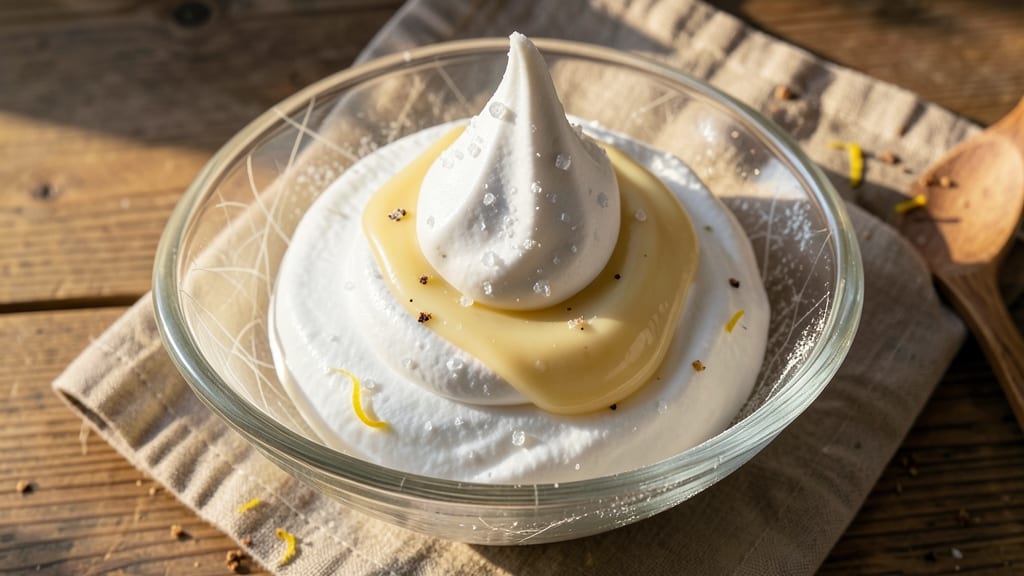
This 12 egg white meringue recipe delivers the perfect balance of crispy edges and airy centers—light enough to melt in your mouth yet sturdy enough to hold toppings. The secret lies in precise technique and patience, transforming simple egg whites into ethereal clouds that defy gravity.
I've perfected this method after years of trial and error, ensuring every batch turns out flawless.
What sets this recipe apart is the French meringue method, which creates stable, glossy peaks that hold their shape when baked. You'll work with 12 large egg whites (about 3 cups), gradually whipping them to stiff peaks while incorporating sugar in stages to build structure.
The key is using room-temperature eggs and a clean, grease-free bowl—any trace of fat will prevent proper volume.
By the time you slide these meringues into the oven, you'll be rewarded with golden, crispy shells that encase pillowy interiors. The high heat and proper sugar ratio prevent weeping, while a slow bake ensures even cooking.
These meringues are versatile enough for desserts, garnishes, or even savory toppings when paired with herbs or spices.
Once baked, they'll keep for up to a week in an airtight container, though they're best enjoyed fresh. Perfect for elegant desserts or as a showstopping centerpiece, this recipe proves that with the right technique, even the simplest ingredients can create something extraordinary.
Ingredients for 12 egg white meringue
Twelve egg whites transform into ethereal clouds with these precise ingredients—crispy edges and airy centers await.
| Ingredient | Amount | Notes |
|---|---|---|
| Large Egg Whites 🥚 | 12 whole | Room temperature, pasteurized preferred |
| Granulated White Sugar 🍚 | 1 ½ cups | Superfine preferred for smoother texture |
| Cream of Tartar 🧂 | ½ tsp | Stabilizes meringue peaks |
| Vanilla Extract 🍃 | 1 tsp | Pure alcohol-free preferred |
| Cornstarch 🌾 | ¼ tsp | Prevents weeping |
| Unsalted Butter 🧈 | ¼ cup | Cold, cubed for topping |
| Lemon Juice 🍋 | 1 tbsp | Freshly squeezed for acidity |
| Salt 🧂 | ⅛ tsp | Fine sea salt preferred |
| Corn Syrup 🍯 | 1 tbsp | Light corn syrup for gloss |
| White Vinegar 🍶 | 1 tsp | For extra stability |
| Almond Extract 🌿 | ¼ tsp | Optional aromatic touch |
| Parchment Paper 📄 | 1 sheet | For baking surface |
The egg whites are your canvas—room temperature is non-negotiable (cold whites won’t whip properly). Pasteurized is ideal for food safety, but fresh works too if you’re confident in their quality. Cream of tartar is the secret weapon here—it stabilizes the meringue and gives you those glossy, stiff peaks. Grab superfine sugar if you can find it (like Domino brand), but regular granulated works in a pinch—just pulse it briefly in a food processor first. For the butter, European-style (like Plugrá) melts beautifully, but any unsalted will do. The vanilla extract should be pure—none of that imitation stuff with artificial flavors.
No cream of tartar? White vinegar at half the amount works in a bind—just add it to the egg whites before whipping. Running short on sugar? Honey or maple syrup can replace up to half, but your meringues might brown faster. The corn syrup is optional but creates that signature gloss—substitute with extra vanilla extract if needed. For the lemon juice, fresh is best, but bottled works if you’re in a hurry. The almond extract is purely for aroma—skip it if you prefer classic meringue. Pro tip: Use a food thermometer to hit that 120°F sugar syrup—precision is everything for the French method.
Once baked, these meringues are best enjoyed immediately—their crispy shells soften over time. Store in an airtight container for up to 5 days, though they’ll lose some crunch. For long-term storage, freeze on parchment and reheat in a 350°F oven for 5-10 minutes to restore crispness. Portion into single servings before freezing for easy reheating. And here’s a game-changer: Toast them briefly after baking to lock in that crisp texture—just 2-3 minutes at 375°F. Perfect for desserts, garnishes, or even as a savory topping with herbs and balsamic glaze.
Why You'll Love This Recipe
- No Whisk Required: I swear by this method—just dump the egg whites into a clean bowl, add cream of tartar (the secret stabilizer), and let the mixer do the work. No straining, no overbeating, just smooth peaks in minutes.
- Sweet but Not Cloying: That vanilla extract and cornstarch combo? It’s the difference between store-bought and homemade—light, crisp edges with a whisper of sweetness that doesn’t overpower. Honestly, it’s the kind of meringue you’ll eat plain.
- Party in a Box: Make a double batch and store in airtight containers for weeks. Top pies, toast with fruit, or crush over ice cream—it’s my go-to for last-minute desserts. (Yes, even on a Tuesday night.)
- Pennies to Perfection: All you need is sugar, eggs, and a pinch of cream of tartar—no fancy ingredients, no markup. Twelve egg whites stretch further than you’d think, and the cost? A fraction of what you’d pay for pre-made.
Step-by-step instructions for light-as-air meringue clouds
Transforming egg whites into ethereal meringue clouds requires precision—here's how to achieve those perfect crispy edges and airy centers every time.
Prepare the Egg Whites for Maximum Volume
Separate the 12 whole large egg whites from the yolks, ensuring no trace of yolk remains in the whites. I use a fine-mesh strainer for this step—it catches any stray yolks that could prevent proper whipping. Transfer the egg whites to a spotless, grease-free bowl, as even a hint of fat will interfere with volume.
Add the 0.5 teaspoon cream of tartar and 0.125 teaspoon salt to the egg whites. These ingredients are non-negotiable—the cream of tartar stabilizes the meringue by lowering the pH, while the salt enhances flavor and structure. Use a whisk or electric mixer to gently combine these dry ingredients with the egg whites until fully dissolved. This preparation ensures your meringue will reach its maximum volume potential.
Gradually Add Sugar for Stable Peaks
With the mixer running on medium speed, begin adding the 1.5 cups granulated white sugar very gradually. I like to use a fine-mesh sieve to sift the sugar directly into the whipping egg whites—this prevents clumping and ensures even distribution. Add the sugar 1 tablespoon at a time, allowing the mixture to incorporate fully before adding more.
Increase the mixer speed to high once all the sugar is incorporated. Whip the meringue until it forms stiff, glossy peaks that hold their shape when the whisk is lifted. This typically takes 5-7 minutes—you'll know it's ready when the meringue is cool to the touch and leaves a trail when the whisk is withdrawn. The meringue should be thick enough to hold its shape on the tip of the whisk without collapsing.
Incorporate Stabilizers and Flavors
Reduce the mixer speed to low and gently fold in the 1 teaspoon vanilla extract, 1 tablespoon lemon juice, 1 tablespoon corn syrup, 1 teaspoon white vinegar, and 0.25 teaspoon almond extract using a rubber spatula. The corn syrup and vinegar act as stabilizers, preventing weeping and adding extra shine, while the lemon juice and almond extract contribute bright, aromatic flavors. Be careful not to overmix at this stage—just enough to combine evenly.
Next, fold in the 0.25 teaspoon cornstarch using the same gentle folding motion. The cornstarch helps prevent weeping and creates a smoother texture. The meringue should now be smooth, glossy, and hold its shape perfectly. If you're unsure about the consistency, press a spoonful between your fingers—it should hold together without sticking.
Pipe and Bake for Perfect Crispy Edges
Preheat your oven to 250°F—this low temperature is crucial for even baking without browning. Line two baking sheets with the 1 sheet parchment paper and lightly grease it with a tiny bit of oil to prevent sticking. Transfer the meringue to a piping bag fitted with a large star tip and pipe 4-inch circles onto the prepared baking sheets, spacing them about 2 inches apart.
Bake the meringues for 1 hour and 15 minutes, rotating the pans halfway through for even baking. The meringues are done when they're completely dry to the touch and have formed a crisp shell. Open the oven door slightly after 1 hour to allow moisture to escape—this helps prevent weeping. Once baked, turn off the oven and let the meringues cool inside for 10 minutes before removing them from the oven.
Add Butter Topping for Extra Crispiness
While the meringues are still warm, melt the 0.25 cup unsalted butter in a small saucepan over low heat until it's fully melted but not browned. Let it cool slightly so it's warm but not hot. Using a pastry brush, carefully brush the melted butter over the tops of the meringues. This step adds an extra layer of crispiness and richness that takes these meringues to the next level.
Let the meringues cool completely on a wire rack before serving. They should be light as air inside with crisp, caramelized edges that shatter when broken. Serve them immediately for the best texture—these meringues are at their peak when fresh from the oven. Store any leftovers in an airtight container for up to 3 days, though they're best enjoyed the day they're made.
Pro Tips For Making 12 Egg White Meringue
- Whip Cold Egg Whites: Start with egg whites straight from the fridge—no thawing needed. Room temperature whites lose volume faster, and you’re dealing with 12 of them, so cold is your friend here. (Yes, even if you’re impatient like me.)
- Dissolve Sugar Slowly: Add sugar gradually, 1 tablespoon at a time, while the mixer runs. Dumping it all at once? You’ll end up with grainy meringue that won’t hold shape. Think of it like a slow dance—rush it, and you’ll trip.
- Skip the Overmixing: Once your meringue reaches stiff peaks, stop mixing immediately. Keep going, and you’ll deflate the structure faster than a balloon with a pin. Test with a spatula—if it holds a sharp angle, you’re golden.
- Use a Stand Mixer: Hand-whipping 12 egg whites is a workout, not a recipe. A stand mixer (with the whisk attachment) handles the volume without overheating the proteins. Save your arms and your sanity—this isn’t a test of endurance.
Wine and beer pairings for 12 egg white meringue
Sweet Wine Pairings
Meringues' delicate sweetness pairs beautifully with dry Riesling or Sauternes—their bright acidity and honeyed notes create a perfect contrast. I love a chilled German Riesling like Dr. Loosen Blue Slate, which balances the meringue's crisp edges without overpowering.
For a richer pairing, Sauternes from Bordeaux adds luxurious depth to the buttery finish. 🍷
Light Beer Options
A crisp Belgian witbier like Hoegaarden cuts through the meringue's richness with its citrusy notes and effervescence. The corianander and orange peel flavors complement the lemon and vanilla in the meringue beautifully.
For a lighter option, try a sparkling apple cider like Martinelli's—its tartness refreshes the palate after each bite.
Coffee & Tea Enhancements
For an after-dinner treat, serve meringues with espresso or chai tea—the bitterness of coffee enhances the sweetness, while spiced chai mirrors the almond and vanilla flavors. I often pair them with dark roast coffee brewed with a splash of vanilla syrup for a cohesive flavor experience. ☕
Fruity Liqueur Touches
Drizzle frangipane or Grand Marnier over meringues for a sophisticated touch—just ½ teaspoon per serving adds an aromatic depth. A raspberry liqueur like Chambord pairs wonderfully with berry-topped meringues, while orange liqueur complements citrus-infused variations. These pairings elevate meringues from dessert to decadent indulgence. 🍒
Unexpected Savory Pairings
For a modern twist, serve meringues with aged cheddar or smoked gouda—the salty, tangy notes contrast the sweetness beautifully. A dry sherry like Fino bridges the gap between sweet and savory, making this an unexpected yet harmonious pairing. Perfect for charcuterie boards or as a sophisticated appetizer. 🧀
Seasonal Adaptations
In summer, pair meringues with sparkling rosé—its berry notes complement fruity toppings. For winter, a spiced red wine like Mulled Shiraz adds warmth to chocolate-dusted meringues. These seasonal pairings keep your meringues versatile year-round. ❄️
Nutrition facts
Frequently asked questions
Why do my meringues collapse after baking?
This usually happens when the meringue isn't whipped to stiff peaks or contains traces of fat (like yolk). Always use a grease-free bowl and whip until the meringue holds its shape when the whisk is lifted. Also, avoid opening the oven door during baking—sudden temperature changes can cause collapse.
Can I make meringues without cream of tartar?
Yes! Substitute with ½ teaspoon white vinegar or lemon juice per 12 egg whites. These acids stabilize the meringue just like cream of tartar. For extra insurance, add ¼ teaspoon cornstarch—it helps prevent weeping. The texture will be slightly different but still delicious.
How do I prevent weeping in my meringues?
Weeping occurs when moisture gets trapped inside. To prevent it, bake at 250°F for the full 1 hour 15 minutes, then cool in the oven with the door slightly open. Also, avoid humid environments while baking. For extra protection, fold in ¼ teaspoon cornstarch before piping.
Can I make meringues ahead of time?
Yes! Baked meringues keep for 5 days in an airtight container at room temperature. For longer storage, freeze them on parchment paper. To restore crispness, reheat in a 350°F oven for 5-10 minutes before serving. Just avoid storing them in the fridge—they'll get soggy.
What's the best way to flavor meringues?
Start with the base recipe, then fold in 1 teaspoon extract (vanilla, almond, or citrus) or 1 tablespoon zest (lemon, lime, or orange). For fruity meringues, fold in ¼ cup pureed berries before piping. Keep added flavors to 10% of the total volume to maintain structure.