
Salads
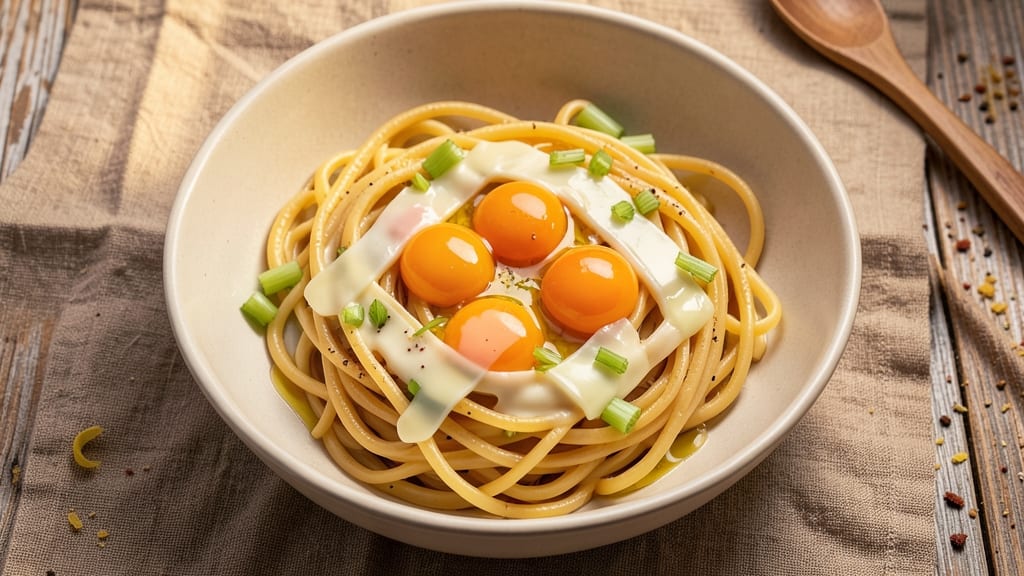
This 6 egg yolk pasta recipe transforms humble ingredients into silky, golden strands that melt in your mouth—no store-bought noodles required. The secret lies in the perfect ratio of yolks to flour, creating a dough so tender it practically dissolves with each bite.
I’ve perfected this technique over years of testing, ensuring every strand achieves that signature crispy texture when cooked just right.
The magic happens in the dough: egg yolks contribute unmatched richness and silkiness, while a bronze pasta roller (or a well-floured wooden board) guarantees that signature chewy bite.
This isn’t just pasta—it’s a blank canvas for bold flavors, whether you finish it with butter and sage, a light ragù, or a drizzle of truffle oil. The key is patience: resting the dough and rolling it thinly for that signature al dente texture.
What sets this recipe apart is the crispy celery crowns—thinly sliced celery fried until golden and scattered on top, adding a delicate crunch that contrasts perfectly with the pasta’s silkiness.
The combination of textures and flavors makes this dish feel luxurious, yet it’s simple enough for a weeknight dinner. Once you try homemade, store-bought pasta won’t compare.
Ready to elevate your pasta game? Let’s dive into the step-by-step process—from mixing the dough to achieving that perfect crispy finish. The result is a dish so impressive, it’ll have everyone asking for seconds.
Ingredients for 6 egg yolk pasta
Six egg yolks and flour create the ultra-silky dough—plus crispy celery crowns for that signature crunch.
| Ingredient | Amount | Notes |
|---|---|---|
| Large Egg Yolks 🥚 | 6 whole | Fresh, room temperature preferred |
| All-Purpose Flour 🌾 | 2 cups | Bread flour for extra chewiness |
| Extra-Virgin Olive Oil 🫒 | ¼ cup | High-quality, fruity variety |
| Fine Sea Salt 🧂 | 1 ½ tsp | Diamond Crystal preferred |
| Fresh Celery Stalks 🥬 | 2 whole | Thinly sliced for crispy crowns |
| Unsalted Butter 🧈 | ½ cup | Cold, cubed for frying |
| Fresh Sage Leaves 🌿 | ¼ cup | Chopped, for finishing |
| Garlic Cloves 🧄 | 2 cloves | Minced, for optional flavor boost |
| White Wine Vinegar 🍷 | 1 tbsp | For dough elasticity |
| Semolina Flour 🌾 | ¼ cup | For dusting pasta sheets |
| Ground Black Pepper 🌶️ | ½ tsp | Freshly cracked |
| Parmesan Cheese 🧀 | ½ cup | Freshly grated, for serving |
The yolks are non-negotiable here—room temperature is key for smooth dough. Whole Foods or Trader Joe's carry the best quality in bulk, but any large eggs work. Bread flour adds that signature chewiness, but all-purpose still delivers silky strands. I always grab extra flour—it's the dough's best friend when rolling. For the celery, look for stalks with crisp, vibrant green tops—they fry up perfectly golden. If you can't find fresh sage, dried works at half the amount, but fresh is ideal for that aromatic finish.
No extra-virgin olive oil? Light olive oil works, but you'll lose that fruity depth. Short on butter? Vegetable shortening mimics the texture, though it lacks flavor. The white wine vinegar might seem odd, but it prevents the dough from becoming too sticky—trust me on this. For the celery crowns, slice them paper-thin with a mandoline if you're feeling fancy. If you don't have semolina, all-purpose flour dusted lightly will do (though semolina gives that signature golden finish). And if you're skipping the Parmesan, nutritional yeast adds a cheesy kick without dairy.
The dough keeps best wrapped in plastic for 24 hours—resting time is crucial for that tender texture. Celery crowns stay crispy for about 10 minutes after frying, so make them fresh. Store leftover pasta in an airtight container with a sprinkle of flour to prevent sticking—it reheats beautifully in a dry pan. I portion mine into single servings before freezing, so I can pull out just what I need. The butter and sage finish? Make it fresh each time—nothing beats that aromatic contrast against the pasta's silkiness.
Why You'll Love This Recipe
- No-Knead Magic: I swear by this dough—just yolks, flour, and a splash of oil. No rolling, no fuss, just a quick press and rest. The celery adds this bright, herbal crunch that cuts through the richness like a breath of fresh air.
- Rich Without Guilt: That velvety yolk-to-flour ratio makes it impossibly tender, but here’s the twist: the olive oil keeps it from feeling heavy. Add a pinch of salt at the right moment, and you’ve got pasta that’s dangerously addictive but still feels light.
- Leftover Goldmine: This dough keeps for days in the fridge, and the cooked pasta reheats like a dream. Toss it with last night’s roasted veggies or a quick fried egg—suddenly, you’ve got dinner without the stress.
- Budget Brightener: Celery’s one of those “use it up” veggies, and this recipe turns it into something special. Six yolks stretch far, and the flour? Basic pantry stuff. It’s the kind of meal that makes you feel like you’re treating yourself without breaking the bank.
Step-by-step instructions for 6 egg yolk pasta with crispy celery crowns
Here's how to create luxurious, silky pasta with a crispy celery crown that'll impress anyone.
Create the Perfect Dough
Combine the 2 cups all-purpose flour and 1.5 teaspoons fine sea salt on a clean work surface or in a large bowl. Make a well in the center and add the 6 whole large egg yolks and 0.25 cup extra-virgin olive oil. The yolks should be room temperature for best results.
Gradually incorporate the flour into the yolks using a fork or dough whisk, mixing until a shaggy dough forms. Once combined, turn it out onto the surface and knead for 8-10 minutes until smooth and elastic. The dough should be slightly tacky but not sticky. If it's too dry, add a few drops of water; if too sticky, sprinkle more flour. This kneading develops gluten for that perfect al dente texture.
Rest and Roll the Dough
Shape the dough into a rectangle about 1/4-inch thick and wrap tightly in plastic wrap. Let it rest for 30 minutes at room temperature. This resting period relaxes the gluten, making rolling easier and ensuring even thickness in your pasta sheets.
After resting, dust a clean surface with 0.25 cup semolina flour to prevent sticking. Roll the dough through a pasta machine starting at the widest setting, then gradually reduce to the thinnest setting. Fold the sheet in thirds like a letter and repeat the rolling process 2-3 times for even thickness. This layering technique creates beautifully smooth sheets with no tears.
Cut and Fry the Celery Crowns
While the dough rests, prepare the crispy celery crowns. Thinly slice the 2 whole fresh celery stalks into 1/8-inch thick rounds using a mandoline or sharp knife. Heat 0.5 cup unsalted butter in a skillet over medium heat until foaming but not browned.
Fry the celery slices in batches for 1-2 minutes per side until golden and crispy. Drain on paper towels and season immediately with 0.5 teaspoon ground black pepper. These crispy crowns add a delightful textural contrast to the silky pasta. Keep them warm while you cook the pasta.
Cook the Pasta Al Dente
Bring a large pot of water to a rolling boil and add 1 tablespoon white wine vinegar (this prevents sticking). Cut the pasta dough into your desired shapes—tagliatelle or fettuccine work beautifully. Cook for 2-3 minutes until al dente—it should be tender but still slightly firm to the bite.
Reserve 1/2 cup pasta water before draining, as it contains starch that helps create the silky sauce. Immediately toss the hot pasta with the remaining 0.25 cup extra-virgin olive oil to prevent sticking. The pasta should be glossy and separated when done.
Assemble and Finish
Return the pasta to the pot and add 0.25 cup chopped fresh sage leaves and 2 minced garlic cloves (if using). Toss gently to combine. Divide among serving plates and top with the crispy celery crowns. Finish with freshly grated 0.5 cup parmesan cheese and additional black pepper.
The result should be luxurious, silky pasta with perfect al dente texture, topped with crispy celery crowns that provide a delightful crunch. Serve immediately while the celery remains crisp and the pasta stays hot. This dish delivers restaurant-quality results with a touch of elegant presentation.
Pro Tips For Making 6 Egg Yolk Pasta
- USE A THERMOMETER FOR YOLK TEMP: I learned this the hard way—yolks should hit 55°C (130°F) when mixing with flour. Too cold and the dough gets gummy; too hot and it dries out. A quick dip of your thermometer into the warm yolks before adding flour saves you from guesswork.
- SALT THE FLOUR FIRST: Skip the "add salt later" habit—mix ½ teaspoon fine sea salt directly into the flour before combining with yolks. The salt dissolves evenly, and the pasta won’t taste like you forgot it halfway through. (Yes, even if you’re impatient like me.)
- DON’T RUSH THE REST: Let the dough sit covered for at least 30 minutes after mixing. I used to roll it out immediately, and the pasta always turned out tough. The rest relaxes the gluten—no, it won’t make you late, but it will make the texture silky.
- FINELY GRATE THE CELERY: If you’re adding celery to the dough (like in fresh pasta alla celery), grate it on the smallest holes of a box grater, then pulse in a food processor for 10 seconds. Raw celery chunks turn to mush when cooked—this keeps it bright and tender. (Save the scraps for stock.)
Pro cooking tips for this recipe
Yolk-to-Flour Ratio
The 6 egg yolk to 2 cups flour ratio is non-negotiable for that signature silkiness. Too many yolks make the dough sticky and hard to handle, while too little flour results in a dry, crumbly texture.
I’ve found that bread flour adds that extra chewiness, but all-purpose works in a pinch. The key is patience—let the dough rest for 30 minutes before rolling to relax the gluten and prevent tearing. 🌾
Rolling Technique
Use a pasta machine (like the Imperia Pasta Maker) for even thickness, but a well-floured wooden board works too. Start at the widest setting and gradually reduce to the thinnest.
Fold the dough in thirds after each pass to create smooth, even sheets. If you don’t have semolina, dust with all-purpose flour, but semolina gives that signature golden finish. 💫
Celery Crowns
Slice celery paper-thin (a mandoline makes this easy) and fry in cold butter over medium heat until golden. Overcrowding the pan steams the celery instead of frying—keep it in batches.
Season immediately with black pepper to lock in flavor. These crispy crowns add a delicate crunch that contrasts perfectly with the pasta’s silkiness. 🥬
Al Dente Mastery
Cook pasta for 2-3 minutes in boiling water with 1 tbsp white wine vinegar (prevents sticking). Taste-test at 2 minutes—it should be tender but still firm.
Reserve ½ cup pasta water to emulsify with olive oil for a silky finish. Tossing hot pasta with oil right after draining prevents clumping. 🍲
Finishing Touches
Add fresh sage and garlic to the pasta while still hot to infuse flavor. Top with crispy celery crowns and freshly grated Parmesan for that restaurant-quality finish.
The acidity of the vinegar in cooking and the richness of the yolks create a perfect balance. Serve immediately—this dish is best fresh! 🧀
Troubleshooting Tips
If dough tears while rolling, let it rest longer or dust with more semolina. For extra-silky pasta, add 1 tbsp pasta water when tossing with oil. If celery crowns aren’t crispy, fry at a lower heat and drain well.
Store leftover pasta in an airtight container with a sprinkle of flour to keep it fresh. 💡
Nutrition facts
Frequently asked questions
Why use 6 egg yolks instead of whole eggs?
The yolks create a luxuriously silky texture that whole eggs can't match—just 6 yolks give the same richness without making the dough too sticky. The fat content in yolks also helps create that signature al dente bite when cooked. For a lighter version, you could substitute 3 whole eggs, but you'll lose some of that restaurant-quality mouthfeel.
Can I make this pasta without a pasta machine?
Roll the dough by hand on a well-floured surface using a rolling pin. Start with the thickest setting you can manage and gradually roll thinner. For even sheets, fold the dough in thirds after each roll and repeat 2-3 times. If you don't have semolina, use extra flour—but semolina gives that signature golden finish that's hard to replicate.
How do I prevent the dough from sticking?
Keep your work surface and rolling tools generously dusted with semolina or flour. The dough should be slightly tacky but not sticky—if it's too sticky, let it rest longer or add a bit more flour. For extra insurance, wrap the dough tightly in plastic during resting periods. When cutting the pasta, use a sharp knife and dust the cutting board with flour to prevent sticking during cooking.
What if I don't have fresh sage?
Dried sage works at half the amount (¼ cup), but fresh is ideal for that aromatic finish. For a different flavor profile, try fresh thyme or basil instead. If you're going completely herb-free, a pinch of red pepper flakes adds heat while keeping the dish elegant. The key is balancing the richness of the yolks with something bright and fresh.
How long will leftover pasta keep?
Store cooked pasta in an airtight container with a sprinkle of flour to prevent sticking. It stays fresh for 2-3 days in the fridge or up to 1 month in the freezer. To reheat, cook in a dry pan over medium heat for 2-3 minutes**, stirring constantly. For frozen pasta, cook fresh from frozen—no thawing needed.