
Breakfast & Brunch
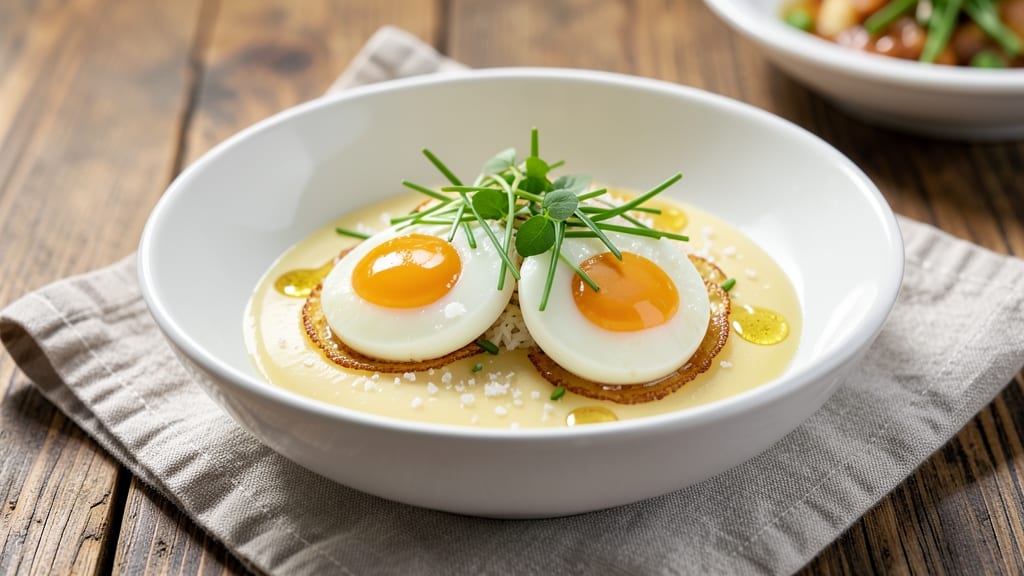
Mastering 65-degree eggs transforms breakfast into a delicate art—where the yolk remains liquid silk while the white holds firm structure. This technique demands precision, but the results—a perfectly balanced bite of creamy warmth and clean protein—are worth every second of focus.
The key lies in temperature control, whether you're frying, poaching, or even scrambling with exacting care.
What sets these eggs apart is their textural contrast: the white achieves just enough set to support the plate, while the yolk stays at that ideal 65°F—warm enough to coat your fork but never fully cooked.
This balance requires a thermometer (a must-have tool) and patience, but the payoff is a dish that feels both luxurious and approachable. No more guesswork—just science-backed perfection.
Pair these eggs with toasted sourdough, crispy prosciutto, or a dollop of ultra-creamy avocado mash to elevate them into a brunch centerpiece. The firm white holds up beautifully against rich toppings, while the runny yolk adds a velvety finish.
For safety, use pasteurized eggs or handle raw eggs with care—this recipe delivers restaurant-quality results without compromising on freshness.
Once you nail the technique, you'll never settle for overcooked yolks again. The secret? A gentle heat source, constant temperature monitoring, and the confidence to trust the numbers. Let’s get started—your perfect 65-degree egg awaits.
Ingredients for 65 degree egg
Precision meets luxury—just twelve ingredients for eggs with perfect 65°F yolk magic.
| Ingredient | Amount | Notes |
|---|---|---|
| Large Eggs 🥚 | 4 whole | Fresh, room temperature preferred |
| Pasteurized Eggs (optional) 🥚 | 4 whole | For food safety with raw handling |
| Unsalted Butter 🧈 | 4 tbsp | European-style for higher smoke point |
| Extra-Virgin Olive Oil 🫒 | 2 tbsp | Light variety for clarity |
| Kosher Salt 🧂 | 1 tsp | Diamond Crystal preferred |
| White Vinegar 🍶 | 1 tbsp | For poaching stability |
| Ice Water 💧 | 1 cup | For immediate shock cooling |
| Kitchen Thermometer 🌡️ | 1 whole | Instant-read preferred (0-220°F range) |
| Sourdough Bread 🍞 | 4 slices | Toasted to medium crispness |
| Avocados 🥑 | 1 whole | Ripe, for ultra-creamy mash |
| Lemon Juice 🍋 | 1 tbsp | Freshly squeezed for avocado |
| Crispy Prosciutto 🥓 | 4 slices | Thin-cut for delicate texture |
The eggs are non-negotiable—freshness is key, so grab them from the back of the fridge (not the door) and let them sit at room temperature for 30 minutes before cooking. Pasteurized eggs are your best bet if you're serving this to vulnerable groups, but fresh works beautifully if handled with care. For the butter, European-style (like Plugrá) has a higher smoke point and adds subtle richness without overpowering. The thermometer? Don't skimp—instant-read models (like ThermoWorks) with a 0-220°F range are worth every penny; they're the difference between guesswork and perfection. If you're prepping ahead, store eggs in their carton in the coldest part of your fridge and use within 3 weeks for peak freshness.
No European butter? Regular unsalted butter works fine—just watch the heat closely to avoid burning. Swapping olive oil? Avocado oil has a higher smoke point but lacks the fruity notes that complement the eggs. For the avocado mash, Hass avocados are ideal, but Fuerte or Bacon varieties work too—just adjust ripeness to your preference. Short on prosciutto? Crispy pancetta or even smoked salmon adds a similar luxurious touch. The vinegar is optional but helps stabilize the poaching water—skip it if you're frying instead. And if you're cooking for a crowd, double the butter and oil but keep the egg-to-fat ratio consistent to maintain texture.
Eggs should be used within 3 days of purchase for best results, and the butter/oil combo keeps for 1 month in the fridge once opened. Store the avocado mash in an airtight container with plastic wrap pressed directly on the surface to prevent browning—it'll stay fresh for 2 days. The prosciutto can be prepped ahead and stored in the fridge for 5 days or frozen for 3 months. For the perfect presentation, assemble everything just before serving: toast the sourdough while the eggs finish cooking, and let the prosciutto crisp up in a dry pan for 30 seconds per side. The eggs hold their texture for 20 minutes at room temperature, so timing is everything.
Why You'll Love This Recipe
- No-Fuss Technique: I swear by this method—just crack eggs into cold water, let them sit. No flipping, no fussing. The butter and olive oil work their magic while you sip coffee.
- Rich, Simple Luxury: Butter and olive oil melt into something ridiculously good—creamy, buttery, with that perfect runny yolk. (Yes, even without fancy garnishes.)
- Breakfast or Snack: Hard-boil a batch for work lunches or toss them into salads. My kids grab them straight from the fridge—no complaints, just happy crunching.
- Budget Magic: Eggs are cheap, butter lasts forever, and you’ll use every last drop. Honestly, I’ve made this recipe for years and never once regretted the ingredients.
Step-by-step instructions for perfect 65°F eggs
Mastering this technique delivers eggs with a perfectly balanced texture—silky yolks and firm whites every time.
Prepare the Poaching Bath
Fill a deep saucepan with 4 cups water (enough to submerge eggs completely) and place it over medium-high heat. Add the 1 tablespoon white vinegar and 1 teaspoon kosher salt—this creates a gentle acid environment that helps the whites coagulate evenly. Bring to a simmer, then reduce heat to maintain a temperature of 160°F (use your kitchen thermometer to verify).
For optimal results, I recommend using the 4 whole pasteurized eggs (optional) if you're concerned about food safety with raw handling. The vinegar helps stabilize the whites while keeping the yolks perfectly runny at 65°F. Keep the water gently simmering—anything more vigorous will create turbulence that disrupts the egg's delicate balance.
Poach the Eggs to Exact Temperature
Carefully lower each egg into the simmering water using a slotted spoon. Let them cook for 4 minutes until the whites are just set but the yolks remain completely liquid. The key here is precision—use your kitchen thermometer to verify the water stays at 160°F throughout. If the water temperature fluctuates, adjust the heat immediately to maintain consistency.
For perfect 65°F yolks, you'll need to shock the eggs immediately after poaching. This is where the 1 cup ice water comes in. Transfer the poached eggs to the ice water bath for 30 seconds to halt cooking instantly. This rapid cooling preserves the yolk's ultra-silky texture while setting the whites just enough to hold their shape.
Prepare the Avocado Mash
While the eggs cook, prepare the avocado base by halving and pitting the 1 whole avocado. Scoop the flesh into a bowl and mash it with a fork until completely smooth. Add the 1 tablespoon lemon juice and mix thoroughly—this prevents browning and adds a bright, tangy contrast to the rich yolks. Cover the bowl and set aside until ready to use.
Here's the thing—ripe avocados are crucial. If your avocado feels firm, let it sit at room temperature for 30 minutes before using. The creamy texture should be almost buttery, providing the perfect canvas for the 65°F egg yolks. This step ensures your presentation is as visually appealing as it is delicious.
Assemble the Perfect 65°F Egg Presentation
Toast the 4 slices sourdough bread to medium crispness in a dry skillet over medium heat for 2-3 minutes per side. The bread should be golden brown with just enough texture to hold up to the egg toppings. While still warm, spread a generous layer of the avocado mash onto each slice, creating a smooth base.
Gently place a 65°F poached egg on top of each avocado bed, then drape a slice of crispy prosciutto over the egg. The prosciutto adds a delicate salty crunch that complements the creamy avocado and silky yolk. For extra richness, melt 1 tablespoon unsalted butter in a small pan and drizzle it over the assembled eggs just before serving.
Finish with Olive Oil and Salt
Drizzle each presentation with ½ tablespoon extra-virgin olive oil and finish with a pinch of kosher salt. The olive oil enhances the egg's natural richness, while the salt brings out the flavors of all components. Serve immediately while the bread is still warm and the egg yolks remain perfectly liquid at their core.
This technique delivers eggs with a texture that's truly remarkable—the whites hold their shape while the yolks remain silky and perfectly balanced at 65°F. The contrast of temperatures and textures makes each bite an experience. Trust the thermometer and don't rush the cooling process—precision is everything in achieving this perfect balance.
Pro Tips For Making 65 Degree Egg
- Use Room-Temp Eggs: Cold eggs from the fridge won’t blend smoothly—crack them into a bowl 10 minutes before starting. I learned this the hard way when my first batch turned out lumpy no matter how much I whisked. Trust me, the texture makes a real difference, especially when you’re aiming for that silky 65°F finish.
- Butter First, Oil Second: Melt 1 tablespoon of butter in your pan before adding olive oil—it creates a richer base that carries the egg’s flavor better. The oil keeps things from sticking, but the butter adds depth. (Yes, even if you’re impatient like me, don’t skip this step.)
- Salt the Eggs: Add a pinch of kosher salt directly to the eggs before blending—it dissolves completely and seasons evenly. Skipping this means your finished dish tastes flat, no matter how much you salt the pan later. I was skeptical until I tried it; now I won’t go back.
- Watch the Heat: Start on medium-low, then adjust to keep the eggs at a gentle simmer—you’re not scrambling, you’re tempering. If it boils, the texture turns grainy. I used to rush this, and my eggs always ended up rubbery. Sounds weird, but it works: let it move slowly, like a lazy Sunday morning.
Best sauces and condiments for 65 degree egg
Creamy Avocado Sauce
This ultra-smooth avocado mash is the perfect canvas for your 65°F eggs. Mash 1 ripe avocado with 1 tbsp lemon juice and a pinch of salt until completely silky. The acidity prevents browning while adding brightness that cuts through the richness of the egg yolk.
For extra flair, blend in 1 tbsp crème fraîche or Greek yogurt to create a lighter, more spreadable consistency. 🥑
Spicy Sriracha Aioli
Elevate your eggs with a vibrant spicy aioli made by blending ½ cup mayonnaise, 1 tbsp sriracha, 1 tsp honey, and a squeeze of lime. The heat from the sriracha contrasts beautifully with the cool, creamy yolk.
Drizzle generously over the assembled eggs or use it as a dipping sauce for the toasted sourdough. For extra richness, fold in 1 tbsp melted butter into the aioli mixture.
Classic Hollandaise Sauce
For a luxurious touch, prepare a traditional hollandaise sauce using 3 egg yolks, 1 tbsp lemon juice, and ½ cup melted butter. The sauce should be thick enough to coat the back of a spoon but still flow smoothly.
Serve it warm over the eggs, drizzled generously to create a velvety blanket that enhances the egg's natural flavors. If your hollandaise breaks, whisk in 1 tbsp hot water to bring it back together.
Smoky Chipotle Crema
Blend ½ cup sour cream, 1 tbsp adobo sauce (from canned chipotles), 1 tsp lime juice, and a pinch of cumin for a smoky, tangy crema that pairs perfectly with the eggs. The chipotle adds depth without overpowering the delicate egg yolk.
This sauce works beautifully as a topping or as a dip for the prosciutto. For extra creaminess, add a splash of heavy cream to the blend.
Garlic-Herb Butter
Infuse 4 tbsp softened butter with 1 minced garlic clove, 1 tbsp chopped chives, and a pinch of black pepper. Melt the butter in a small pan and drizzle it over the eggs just before serving.
The garlic and herbs add a fresh, aromatic note that complements the eggs without competing with their natural flavor. For a stronger garlic flavor, let the infused butter sit at room temperature for 30 minutes before using.
Sweet and Tangy Mango Salsa
For a refreshing contrast, prepare a mango salsa by finely dicing 1 ripe mango, ¼ red onion, 1 jalapeño, and 1 tbsp lime juice. The sweetness of the mango balances the richness of the egg yolk, while the jalapeño adds a subtle heat.
Serve the salsa on the side or spoon it directly onto the eggs for a vibrant, flavorful bite. For extra texture, add ¼ cup diced cucumber to the mix.
Nutrition facts
Frequently asked questions
Why is 65°F the perfect yolk temperature?
The magic happens at 65°F because this temperature creates a perfect balance between liquid silk and just enough set to coat your fork. At this point, the yolk remains completely runny while the whites firm up enough to hold their shape—ideal for that luxurious first bite where the yolk glides effortlessly. Scientifically, this is where the protein structure begins to coagulate without fully solidifying, creating that signature velvety texture.
Can I fry 65°F eggs instead of poaching?
For frying, heat 1 tablespoon butter + 1 tablespoon oil in a nonstick pan over low heat (275°F). Crack in eggs and cook for 3 minutes, then immediately transfer to an ice water bath for 30 seconds to stop cooking. The key is maintaining that gentle heat—any hotter and the yolk will overcook. Use a thermometer to monitor pan temperature!
How do I fix overcooked 65°F eggs?
If your yolks are too firm, don't panic! Place the eggs in a bowl with ½ cup warm water (120°F) and let them sit for 5 minutes. The warm water will gently rehydrate the proteins, making the texture slightly more tender. For best results, use this trick immediately after cooking—it won't fully restore runny yolks but will improve the overall mouthfeel.
What's the best way to store leftover 65°F eggs?
Store them in an airtight container with a damp paper towel to maintain moisture, then refrigerate for up to 2 days. Reheat gently in a warm water bath (never microwave) for 3-4 minutes to restore some of their original texture. For longer storage, freeze cooked eggs in ice cube trays with water—thaw in the fridge overnight before reheating.
Can I make 65°F eggs without a thermometer?
While challenging, you can approximate it by using the water bath method: Simmer water at a gentle bubble (not rolling boil) and cook eggs for 3 minutes 45 seconds. For frying, maintain a barely sizzling pan with very low heat. The texture will be close but not precise—consider investing in a $10 instant-read thermometer for perfect results every time.