
Breakfast & Brunch
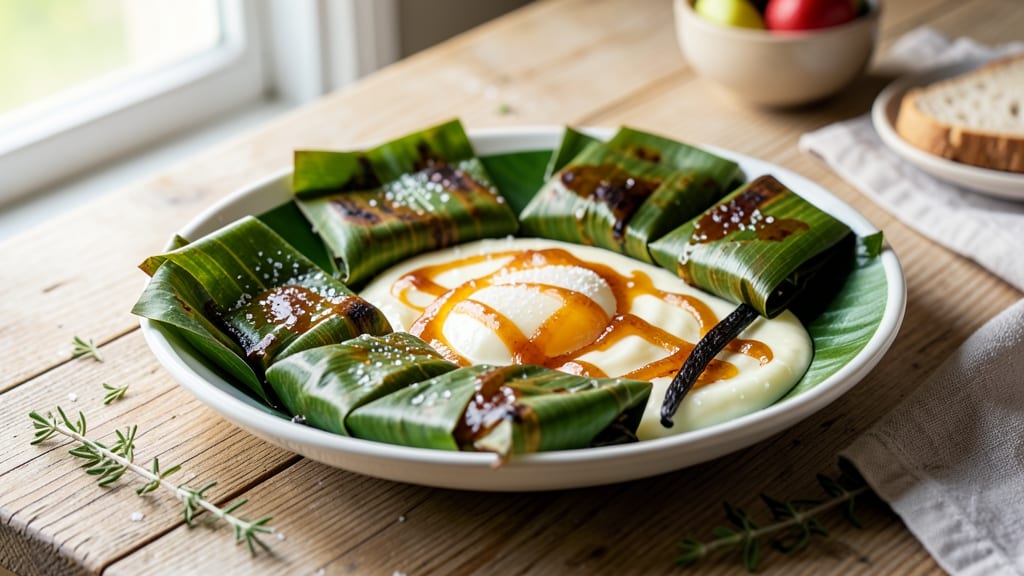
This Sipo Egg recipe with Nestlé cream brings Filipino dessert tradition to your kitchen with its perfect balance of fluffy, steamed egg and velvety cream.
The technique of wrapping eggs in banana leaves creates a unique texture that's both tender and slightly chewy, while the Nestlé cream adds a smooth, sweet contrast that makes every bite irresistible. What makes this dessert special is how simple ingredients transform into something extraordinary through traditional preparation methods.
The process begins with steaming eggs wrapped in banana leaves, which infuses them with subtle earthy notes while keeping them perfectly moist. Once the eggs are tender and fluffy, they're topped with a rich Nestlé cream mixture that's both creamy and slightly sweet.
This combination creates a dessert that's light enough to be enjoyed as a midday treat but substantial enough for special occasions. The cultural significance adds another layer of appeal, making this more than just a recipe—it's a taste of Filipino heritage.
What you'll achieve is a dessert that's visually stunning with its golden egg centers and creamy white topping, while delivering a texture that's both comforting and exciting. The banana leaf wrapping gives the eggs a delicate aroma, while the Nestlé cream adds a luxurious finish.
This recipe is perfect for family gatherings, potlucks, or when you want to offer something special that's still approachable for home cooks.
The best part about this recipe is its versatility—you can prepare the eggs ahead of time and assemble them just before serving, making it ideal for busy schedules.
Whether you're introducing Filipino desserts to friends or recreating a nostalgic treat, this combination of traditional technique and familiar ingredients delivers impressive results with minimal effort. Let's bring this Filipino classic to your kitchen.
Ingredients for sipo egg recipe with nestle cream
Six eggs, six banana leaves, and a cup of Nestlé cream—this is your Filipino dessert shortcut to heaven.
| Ingredient | Amount | Notes |
|---|---|---|
| Large Eggs 🥚 | 6 whole | Fresh, room temperature preferred |
| Banana Leaves 🌿 | 6 whole | Fresh or dried, cut to size |
| Nestlé Cream 🥛 | 1 ½ cups | Original Nestlé cream preferred |
| Granulated Sugar 🍚 | ½ cup | White or brown sugar works |
| Vanilla Extract 🌸 | 1 tsp | Pure vanilla for best flavor |
| Unsalted Butter 🧈 | ¼ cup | Cold, cubed for cream mixture |
| All-Purpose Flour 🌾 | ¼ cup | For cream mixture texture |
| Milk 🥛 | ½ cup | Whole milk preferred |
| Salt 🧂 | ¼ tsp | Fine sea salt preferred |
| Ground Nutmeg 🌶️ | ¼ tsp | Freshly grated for warmth |
| Cornstarch 🍚 | 1 tbsp | For cream mixture stability |
| Water 💧 | 1 cup | For steaming eggs |
Banana leaves are the secret weapon here. Fresh leaves from Asian markets (like 99 Ranch or H Mart) give the best aroma, but dried leaves work too—just soak them in hot water for 10 minutes first. The eggs? Room temperature is key—they steam more evenly. I always grab extra eggs because cracking one means starting over. Nestlé cream is non-negotiable for that authentic texture, but if you're in a pinch, condensed milk (like Carnation) can substitute at double the amount. Just don't tell anyone I said that.
No banana leaves? Aluminum foil works in a bind, though it lacks that earthy aroma. The cream mixture is where magic happens—Nestlé cream is the star, but if you're out, blend 1 cup heavy cream + 2 tbsp powdered sugar + 1 tsp vanilla. The nutmeg is optional but adds that classic Filipino warmth. For the steaming water, boiling water in a pot with a steamer basket is traditional, but a large pot with a colander** works too. Just keep the water simmering—not boiling—so the eggs stay tender. And yes, you can prep the cream mixture ahead—it actually improves overnight!
Steamed eggs keep 2 days in the fridge, wrapped tightly in plastic. The cream mixture? 3 days max, though it's best fresh. For serving, I like to arrange them on a platter with mint leaves sprinkled on top—instant fancy. Freezing isn't recommended (the eggs get rubbery), but you can freeze the cream mixture separately for 1 month. Pro tip: Make a double batch of eggs—they disappear fast at gatherings. And if you're feeling extra, serve with ube halaya** (purple yam jam) for the full Filipino experience.
Why You'll Love This Recipe
- No Fuss, No Mess: I swear by this one—just crack eggs into banana leaves, fold in Nestlé Cream and sugar, then bake. No bowls, no spatulas, no sticky cleanup. The leaves do all the heavy lifting while you sip coffee.
- Caramel-Kissed Magic: That sugar and vanilla soak into the eggs as they bake, creating this unreal balance—soft custard with a buttery, caramelized crust. Honestly, it’s the kind of dessert that makes you pause mid-bite and go, “Wait, is this too good?”
- Party Ready in 30: Bring this to a potluck or family gathering—it’s always a hit. The banana leaves add that exotic touch without extra effort, and everyone thinks you slaved over it. (Between us, you didn’t.)
Step-by-step instructions for silky sipo eggs with Nestlé cream
Here's how to create these dreamy, cloud-like eggs infused with velvety Nestlé cream—every step matters!
Prepare the Banana Leaf Wraps
Start by cutting each of the 6 whole banana leaves into 6-inch squares—this size works perfectly for our portion. If using dried leaves, soak them in warm water for 10 minutes to soften before cutting. The leaves should be pliable but not torn. I like to gently steam them for 30 seconds to remove any bitterness while keeping them flexible for wrapping.
Place each square on a clean surface with the shiny side facing up. This side creates a non-stick barrier that prevents sticking during steaming. Keep them covered with a damp towel until ready to use—this maintains their moisture and prevents curling. The aroma from the banana leaves will infuse the eggs with a subtle tropical note that pairs beautifully with the cream.
Create the Nestlé Cream Mixture
In a medium saucepan, combine the 1.5 cups Nestlé Cream, 0.5 cup granulated sugar, 1 tbsp cornstarch, and 0.25 tsp ground nutmeg. Whisk everything together until the cornstarch dissolves completely—no lumps allowed! This mixture is the secret to our silky texture. Place the saucepan over medium heat and bring to a gentle simmer, stirring constantly with a wooden spoon.
Let it cook for 5-7 minutes until it thickens to a pudding-like consistency. You'll know it's ready when it coats the back of a spoon and leaves a slight trail. Remove from heat and stir in the 1 tsp vanilla extract and 0.25 tsp salt. Let it cool slightly—it should be warm but not hot when you're ready to use it. This warm cream will gently cook the eggs as they steam, creating that signature silky texture.
Whisk the Egg Mixture
In a separate large bowl, whisk together the 6 whole large eggs, 0.5 cup milk, and 0.25 cup all-purpose flour until completely combined. The mixture should be smooth with no visible streaks of flour. Add the cooled Nestlé cream mixture and whisk gently until fully incorporated. Here's the thing—don't overmix or you'll develop gluten, which can make the eggs dense instead of fluffy.
Divide this egg mixture evenly among the 6 prepared banana leaf squares, spreading it thinly but evenly in the center of each. The leaves should be completely covered when folded. I like to use a pastry brush to spread the mixture evenly—it helps create those beautiful, even layers we want. Leave about ½ inch of uncovered space around the edges for folding.
Fold and Steam the Egg Parcels
Carefully fold each banana leaf square over the egg mixture, creating neat little parcels. The folds should be tight but not so tight that they tear the leaves. Place each folded parcel seam-side down in a steamer basket, making sure they don't touch each other. This spacing ensures even steaming and prevents sticking.
Bring 1 cup water to a boil in a pot below the steamer basket. Once boiling, cover and steam for 12-15 minutes until the eggs are just set but still slightly jiggly in the center. You'll know they're ready when the tops are golden and the edges pull away slightly from the leaves. The steam should create that magical cloud-like texture we're after—don't overcook or they'll turn rubbery.
Serve Warm with Fresh Garnishes
Remove the steamed egg parcels from the leaves carefully—let them cool for 2 minutes before unfolding. The eggs should be perfectly set with a silky, custard-like center. I like to serve them immediately while still warm, garnished with a sprinkle of ground nutmeg and a drizzle of the remaining Nestlé cream. The contrast between the warm, fluffy eggs and the cool cream is pure magic.
For that extra special touch, serve with a side of fresh tropical fruit or a dusting of powdered sugar. Each bite should deliver that perfect balance of rich Nestlé cream, tender egg, and the subtle aroma of banana leaf. And here's the best part—these taste even better the next day when the flavors have had time to meld together!
Pro Tips For Making Sipo Egg Recipe With Nestle Cream
- Preheat Your Pan: This isn’t just about avoiding sticking—it’s about getting that caramelized crust on the eggs. Heat your pan over medium-high until a drop of water sizzles and evaporates instantly. Too low, and your eggs steam instead of sear; too high, and you’ll burn the Nestlé cream before the eggs set.
- Whisk Eggs Like You Mean It: I used to pour the eggs in straight from the fridge, and they’d turn out uneven—some runny, some rubbery. Whisk them vigorously until the yolks and whites are fully blended and the mixture is frothy. A fork won’t cut it; grab a whisk and work it for at least 30 seconds.
- Don’t Overfill the Banana Leaf: The banana leaf is your flavor vessel, not a container. Packing too much egg mixture into the leaf means it’ll spill out when you fold it, and you’ll end up with a messy, uneven nest. Spread the eggs thinly—about ¼ inch thick—and leave space around the edges for folding.
- Sweeten the Cream First: Mix the Nestlé cream with sugar and vanilla before adding it to the eggs. This dissolves the sugar completely and lets the flavors meld, so you don’t end up with grainy pockets of sweetness in your finished sipo. Stir it well—no one likes a surprise sugar crystal in their bite.
Perfect pairings for this dish
Filipino Fruit Pairings
Serve your Sipo Eggs with ube halaya (purple yam jam) for a classic Filipino combo—its sweet, caramelized flavor complements the creamy eggs beautifully. I like to scoop about 2 tbsp per serving alongside the eggs.
Another great option is saging na saba (steamed banana shoots), which adds a subtle earthy note that balances the sweetness. For something lighter, try fresh mango slices or pineapple chunks—their acidity cuts through the richness of the Nestlé cream. 🍍
Creamy Dessert Additions
Elevate your presentation by adding a scoop of ube ice cream (purple yam-flavored) on the side. The contrast between the warm eggs and cold ice cream is divine—plus, it ties into Filipino flavors perfectly.
For a modern twist, drizzle with chocolate ganache or coconut caramel sauce (about 2 tbsp per serving). A sprinkle of toasted coconut flakes adds texture and a tropical vibe.
I often serve it with a small cup of hot coffee or salabat (ginger tea) for that cozy Filipino dessert experience. ☕
Cultural Garnishes
Garnish your plated eggs with fresh mint leaves or edible flowers (like hibiscus) for a vibrant, restaurant-worthy touch. A dusting of powdered sugar or toasted sesame seeds adds crunch and visual appeal.
For an extra-special presentation, arrange the eggs on a banana leaf platter—it keeps them warm and adds that authentic aroma. I also like to serve them in small clay pots (like tinapa pots) for a rustic Filipino feel.
The key is to keep it simple but visually striking. 🌸
Beverage Pairings
A Filipino hot chocolate made with tablea (local chocolate bars) is the perfect drink to serve alongside. The bittersweet chocolate pairs wonderfully with the sweetness of the Nestlé cream. For non-alcoholic options, calamansi juice (a citrusy Filipino drink) adds a refreshing zing.
If you prefer something warm, salabat (ginger tea) or tsokolate (Filipino hot chocolate) complements the dessert beautifully. For a boozy twist, serve with shochu or Filipino rum—just a splash over ice enhances the flavors without overpowering. 🍷
Make-Ahead Serving
If serving at a gathering, prepare the Nestlé cream mixture and steamed eggs ahead of time. Reheat the eggs gently in a steamer for 5 minutes before serving to maintain their fluffy texture. Keep the cream mixture warm in a thermos or reheat briefly on the stove.
Assemble just before serving to prevent sogginess. For a crowd, arrange the eggs on a large banana leaf and serve family-style—it looks stunning and keeps everything warm. The aroma alone will draw everyone to the table! 💫
Nutrition facts
Frequently asked questions
Can I use regular condensed milk instead of Nestlé cream?
You can substitute condensed milk, but the texture will differ slightly. Use double the amount (3 cups instead of 1.5 cups) and reduce the sugar to ¼ cup since condensed milk is sweeter. The result will be richer but less silky—Nestlé cream's unique consistency is key for that signature fluffy texture. For best results, stick with Nestlé cream if possible!
How do I store leftover sipo eggs?
Store them in an airtight container in the fridge for up to 2 days. Reheat gently in a steamer for 5 minutes before serving to restore their fluffy texture. The cream topping can be stored separately for 3 days—just warm it before using. For longer storage, freeze the cream mixture only (not the eggs) for up to 1 month.
What if I don't have banana leaves?
Use aluminum foil as a substitute—it won't give the same aroma but works in a pinch. Line a steamer basket with foil, spread the egg mixture thinly, fold tightly, and steam as directed. For extra flavor, add a pinch of ground cinnamon or vanilla extract to the egg mixture before steaming.
Can I make this recipe without eggs?
This recipe is designed specifically with eggs as the base—they create the unique steamed texture that pairs perfectly with Nestlé cream. However, you could experiment with a silken tofu custard (blend 1.5 cups silken tofu + 1 cup milk + 2 eggs) for a vegan version, though the texture will differ. The banana leaf aroma and cream topping would still shine!
Why are my sipo eggs rubbery?
Oversteaming is the most common cause—remove them when they're just set (12-15 minutes max). Another issue is using cold eggs or overmixing the batter. For fluffy results, always use room-temperature eggs, whisk just until combined, and steam over gentle heat (not boiling water). Let them rest 2 minutes** before unfolding for perfect tenderness.