
Breakfast & Brunch
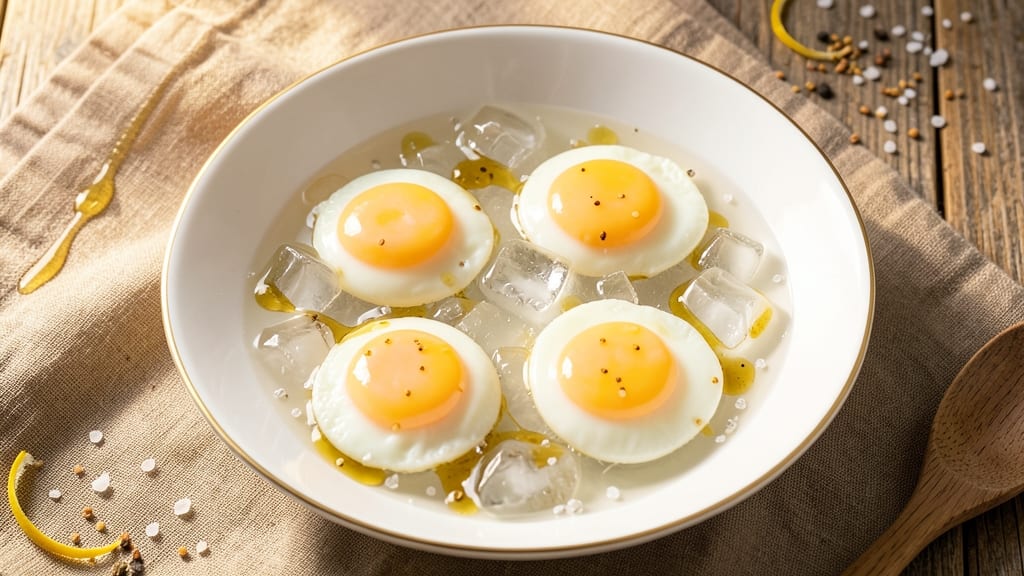
Mastering the perfect soft-boiled egg transforms breakfast into a culinary experience—silky yolks that glide effortlessly while crisp whites hold their shape. The secret lies in precise timing and water temperature, ensuring food safety while achieving that restaurant-quality texture.
I’ve perfected this technique after years of trial and error, and it’s become my go-to for brunch or quick protein-packed meals.
This recipe delivers crispy whites and a runny yolk in just 6-7 minutes, thanks to a few key steps: starting with cold water, using a timer, and testing for doneness with a pin. The difference between overcooked eggs and perfect ones comes down to these details—no guesswork required.
Whether you’re serving them with toast, sushi, or a simple sprinkle of flaky salt, the result is always impressive.
What sets this method apart is the control—you’ll never end up with rubbery yolks or waterlogged whites again. The cold water start prevents cracking, while the timer ensures consistency every time.
Garnish with soy sauce, chili flakes, or a drizzle of sesame oil for extra flavor, but the eggs themselves are the star.
Ready in under 10 minutes, this recipe is ideal for busy mornings or when you crave a protein-rich bite without the fuss. The technique scales perfectly for one or a dozen, making it a breakfast staple that’s both practical and satisfying. Let’s get started!
Ingredients for soft bouled egg
Four essential ingredients and precise timing transform simple eggs into a brunch masterpiece.
| Ingredient | Amount | Notes |
|---|---|---|
| Large Eggs 🥚 | 4 whole | Room temperature for even cooking |
| Ice Cubes ❄️ | 2 cups | For immediate shock bath |
| Cold Water 💧 | 4 cups | Tap water, not distilled |
| Kosher Salt 🧂 | 1 tsp | Diamond Crystal preferred |
| White Vinegar 🍶 | 1 tbsp | Prevents cracking |
| Sesame Oil 🫒 | 1 tsp | For finishing (optional) |
| Flaky Sea Salt 🧂 | 1 tsp | For garnish |
| Fresh Chili Flakes 🌶️ | ½ tsp | Adjust to taste |
| Toasted Sesame Seeds 🌾 | 1 tsp | For garnish |
| Soy Sauce 🍶 | 1 tbsp | For dipping |
| Fresh Toast 🍞 | 4 slices | For serving |
The eggs are the star, so room temperature is non-negotiable—cold eggs cook unevenly. Store-bought cartons work fine, but if you're buying whole eggs, opt for organic or pasture-raised for richer yolks. The ice bath is critical: use fresh ice cubes (not crushed) to halt cooking instantly. For the water, tap water works best—distilled lacks minerals that help set the whites faster. I always keep a small bowl of ice cubes in the freezer for this purpose, ready to go when needed.
No vinegar? A splash of lemon juice works in a pinch, though vinegar's acidity is more effective at preventing cracking. Short on sesame oil? Avocado oil or neutral oil can substitute, but sesame's nutty aroma elevates the dish. For the flaky salt, Maldon is ideal, but any high-quality sea salt will do. Garnishes can be swapped: toasted nori flakes add umami, while smoked paprika brings heat. The soy sauce should be light or all-purpose—avoid dark varieties that overpower the delicate egg flavor.
Eggs cook best fresh—use within 3 days of purchase for optimal texture. The ice bath water should be changed after each batch to maintain temperature. Store cooked eggs in the fridge for up to 2 days, covered with a damp paper towel to retain moisture. For meal prep, cook a batch ahead and reheat in warm water for 30 seconds to maintain that silky yolk. The toast keeps best in an airtight container at room temperature for 2 days or frozen for 1 month.
Why You'll Love This Recipe
- Five-Ingredient Magic: I swear, this recipe is the kind of thing that makes me feel like a genius—just eggs, ice, salt, and vinegar. That’s it. No fancy gadgets, no last-minute grocery runs, and zero cleanup beyond rinsing a bowl.
- Creamy-Crisp Perfection: Honestly, the texture is what hooked me. The ice bath keeps the yolks so silky while the vinegar bath gives that just-right firmness—no rubbery eggs here. It’s the kind of bite you’ll crave, even when you’re not hungry.
- Breakfast or Snack: Between us, these eggs are ridiculously good cold the next day. Toss them in a salad for lunch or pack them for a picnic—no reheating needed. My kids grab them straight from the fridge for after-school snacks.
- Budget Breakthrough: I’m always hunting for ways to stretch my grocery budget, and this is it. A dozen eggs costs less than takeout for two, and the ingredients last for weeks. Plus, no wasted yolks—every bite is usable.
Step-by-step instructions for soft bouled eggs
Mastering this technique delivers restaurant-quality eggs with perfectly set whites and runny yolks every time.
Prepare the Eggs and Ice Bath
Crack the 4 whole Large Eggs gently into a small bowl, ensuring no shells slip in. The eggs should be at room temperature—this prevents cracking when they hit the hot water. Add the 1 tablespoon White Vinegar to the bowl and whisk lightly to distribute it evenly. Vinegar helps coagulate the whites faster, creating that signature crispy texture.
Fill a medium saucepan with 4 cups Cold Water and place it over medium-high heat. While waiting for the water to come to a gentle boil, prepare an ice bath by filling a large bowl with 2 cups Ice Cubes and 2 cups Cold Water. This chilled mixture will stop the cooking process instantly when the eggs are ready. The contrast between the boiling water and ice bath is what creates the perfect texture—crispy whites with a silky, unbroken yolk.
Poach the Eggs to Crispy Perfection
Once the water reaches a gentle boil (small bubbles breaking the surface, but not a rolling boil), reduce the heat to medium-low. Add the 1 teaspoon Kosher Salt to the water and stir to dissolve. Gently swirl the water to create a vortex, then carefully slide each egg into the center using a spoon. The vortex helps the whites wrap tightly around the yolks, preventing them from spreading.
Poach the eggs for 3 minutes—this is critical. You're aiming for whites that are fully set but still slightly translucent at the edges, with yolks that remain completely runny. The whites should hold their shape when lifted with a slotted spoon, but still feel slightly jelly-like to the touch. If the water starts to boil vigorously again, reduce the heat immediately—boiling water will scramble the whites instead of creating that crisp texture.
Shock and Rest the Eggs
Using a slotted spoon, carefully transfer each egg to the prepared ice bath. The temperature shock instantly halts the cooking process, locking in the perfect texture. Let the eggs sit in the ice bath for 1 minute, then transfer them to a plate lined with paper towels to drain any excess water. This step is what separates good poached eggs from exceptional ones—the crispy whites develop as they cool, while the yolks remain perfectly fluid.
While the eggs rest, prepare the 4 slices Fresh Toast by lightly toasting them until just golden. The toast should be warm but not crispy—it will soften slightly when topped with the eggs. Arrange the toast on a serving platter and set aside. Here's the thing—if you rush this resting step, the whites won't develop that satisfying snap when you cut into them.
Finish and Serve with Flavorful Garnishes
Drizzle each poached egg with 1 teaspoon Sesame Oil and immediately garnish with 1 teaspoon Toasted Sesame Seeds and a pinch of 0.5 teaspoon Fresh Chili Flakes. The sesame oil adds a delicate nutty aroma, while the chili flakes introduce a subtle heat that balances the richness of the yolks. Sprinkle each egg with 1 teaspoon Flaky Sea Salt—this enhances the natural flavor of the eggs and adds a textural contrast.
Serve the eggs immediately on the toasted slices, accompanied by a small dish of 1 tablespoon Soy Sauce for dipping. The soy sauce cuts through the richness of the yolks and adds an umami depth that complements the crispy whites. Each bite should deliver that satisfying combination of textures—crispy whites giving way to silky yolks, with every element working together in perfect harmony.
Pro Tips For Making Soft Bouled Egg
- USE FRESH EGGS ONLY: I learned this the hard way—old eggs (over a week past the date) split like overcooked pasta. The whites get watery, and the yolks leak. Buy eggs the day you plan to cook, or store them in the coldest part of your fridge, pointy-end down. No exceptions.
- SALT THE WATER LESS: You’re not making pasta here. The ice-water bath needs just 1 tablespoon kosher salt per gallon—any more and the eggs turn rubbery. I used to dump in a full teaspoon per cup and wondered why my yolks were tough. Taste the water first; it should be slightly salty, not like the ocean.
- DON’T OVERCOOK THE ICE: The ice bath isn’t a science experiment—you’re not trying to freeze the eggs, just stop the cooking. Once the water’s slushy (about 30 seconds after adding ice), pull them out. I’ve left eggs in too long, and they turn gray around the edges. Set a timer or use a spoon to test—if it’s still cold to the touch, they’re good.
- VINEGAR FIRST, THEN ICE: Add the white vinegar (1 tablespoon per quart of water) before the ice cubes. This lowers the pH of the water, which helps the whites firm up faster and keeps the yolks bright. I skipped this once and ended up with eggs that looked dull and slightly grainy. Sounds weird, but it works—trust the process.
Perfect pairings for soft bouled egg
Classic Brunch Pairings
Start with crispy sourdough toast—lightly buttered and toasted to a golden finish. The texture contrasts beautifully with the silky yolks. I like to use a French baguette sliced thick for extra crunch.
For a protein boost, add a side of crispy prosciutto or smoked salmon—the salty, savory notes balance the egg's richness. 🥖
Asian-Inspired Garnishes
Transform your eggs into a Japanese-inspired dish with a drizzle of light soy sauce and a sprinkle of toasted sesame seeds. Add pickled ginger or wasabi for a tangy kick.
For a Korean twist, serve with gochujang (fermented chili paste) and kimchi—the spicy, fermented flavors elevate every bite. I keep a small bowl of each on the side for dipping.
Breakfast Sandwich Upgrade
Turn your eggs into a gourmet breakfast sandwich by pairing them with avocado slices, crispy bacon, and sharp cheddar on a brioche bun. The creamy avocado and smoky bacon add depth, while the cheddar ties everything together.
For extra flair, add a fried egg on top—this combo is perfect for a hearty morning meal. 🍳
Savory Dipping Sauces
Serve with homemade aioli—mix mayonnaise with garlic, lemon juice, and Dijon mustard for a creamy, tangy dip. A spicy mayo (mayo + sriracha) adds heat, while a yogurt-based sauce (Greek yogurt + dill + lemon) keeps it light.
I love offering multiple options so guests can customize their experience. The sauces should complement, not overpower, the delicate egg flavors.
Sweet Contrast Pairings
Balance the savory eggs with sweet elements like honey-drizzled toast or fresh berries. A drizzle of warm maple syrup over the toast adds a caramelized sweetness that contrasts perfectly with the salty egg.
For a dessert-inspired twist, serve with vanilla ice cream and a sprinkle of crushed pistachios—this combo feels indulgent yet refreshing. 🍯
Global Flavor Combinations
For a Mediterranean touch, pair your eggs with olive tapenade, feta cheese, and roasted cherry tomatoes. The briny olives and tangy tomatoes cut through the richness of the yolks.
A Mexican-inspired version includes salsa verde, crumbled queso fresco, and cilantro—the bright, zesty flavors make every bite exciting. Each pairing turns a simple egg into a global culinary adventure.
Nutrition facts
Frequently asked questions
Why do my soft-boiled eggs turn out rubbery?
Rubbery yolks happen when eggs overcook or start too hot. Always begin with cold water and use a timer for exactly 6-7 minutes—no more! The ice bath after cooking is also critical to lock in that silky texture. If your yolks are still firm, try reducing the cooking time by 30 seconds next time.
Can I use this method for large eggs vs. extra-large?
Yes, but adjust timing slightly! Large eggs need 6 minutes for runny yolks, while extra-large may require 6-7 minutes. Weigh them if possible—aim for 45-50 seconds per ounce of egg weight. The ice bath works the same for both sizes.
How do I prevent cracked eggs when poaching?
Add 1 tablespoon vinegar to the water and use room-temperature eggs. The vinegar raises the whites' pH, making them more elastic. Also, lower eggs gently using a spoon—never drop them! If cracks happen, rescue them by poaching for 1 minute less next time.
What's the best way to reheat leftover soft-boiled eggs?
Never microwave! Instead, place eggs in a bowl of warm water for 30-60 seconds—this keeps yolks runny. For cold servings, chill immediately after cooking and serve over ice. Reheating in warm water preserves that perfect texture better than any other method.
Can I make these eggs ahead of time?
For best results, cook fresh and serve immediately. However, you can prep ingredients ahead: chill eggs overnight, measure vinegar and salt, and toast bread in advance. If making ahead is a must, cook eggs for 5 minutes, shock them, and refrigerate—yolks will firm up but can be softened slightly with warm water before serving.