
Breakfast & Brunch
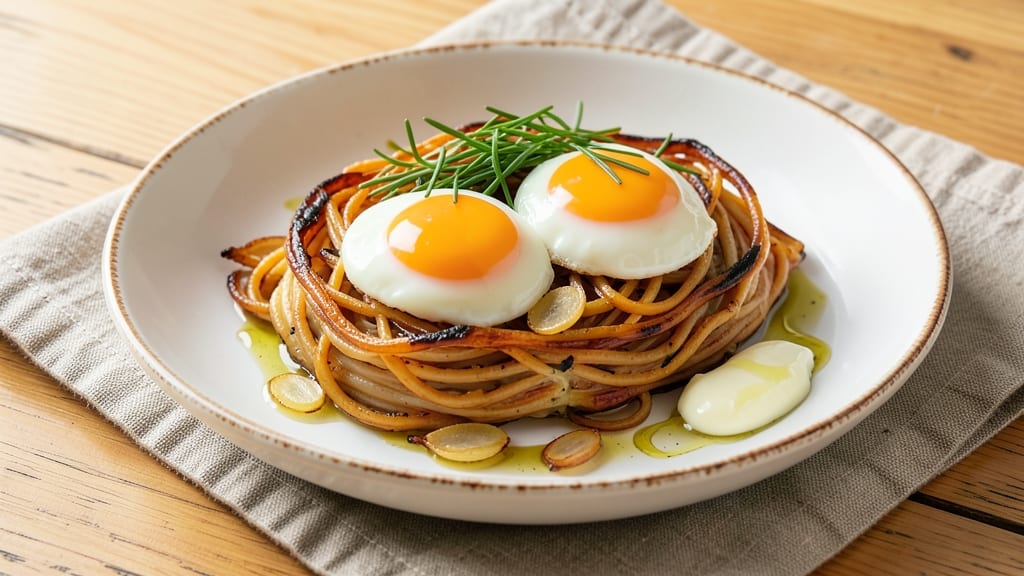
This spaghetti squash egg recipe transforms breakfast into a restaurant-worthy dish with tender squash strands and fluffy scrambled eggs. The secret lies in roasting the squash until it separates into delicate, noodle-like threads—perfect for soaking up rich egg flavors.
I discovered this technique while searching for a low-carb alternative to pasta, and it quickly became a brunch staple in my household.
The beauty of this dish is its simplicity: just roast the squash until tender, scramble eggs with herbs and cheese, then combine for a protein-packed meal. The contrast between creamy eggs and al dente squash strands creates a satisfying texture that keeps every bite interesting.
Plus, it's naturally gluten-free and packed with nutrients.
What you'll end up with is a dish that feels indulgent yet light—ideal for weekend brunches or weeknight meals when you crave something hearty. The roasted squash adds natural sweetness that balances the eggs, while optional toppings like fresh herbs or hot sauce let you customize the flavor.
This recipe delivers restaurant-quality results with minimal effort.
Serve with a side of sautéed greens or avocado slices for extra freshness, or keep it simple with a sprinkle of feta and red pepper flakes. The possibilities are endless, but the base recipe is foolproof for beginners. Let's get cooking!
Ingredients for spaghetti squash egg
Roasted squash threads meet fluffy eggs—just these 13 ingredients transform brunch into something special.
| Ingredient | Amount | Notes |
|---|---|---|
| Medium Spaghetti Squash 🍠 | 2 whole | Halved lengthwise, seeds scooped |
| Large Eggs 🥚 | 8 whole | Freshly cracked, room temperature |
| Extra-Virgin Olive Oil 🫒 | ¼ cup | For roasting squash |
| Unsalted Butter 🧈 | 2 tbsp | Full-fat for creaminess |
| Shallots 🧅 | 2 whole | Finely diced, 2 tbsp total |
| Fresh Chives 🌿 | ¼ cup | Chopped, for garnish |
| Shredded Gruyère Cheese 🧀 | ½ cup | Aged 12+ months preferred |
| Diamond Crystal Kosher Salt 🧂 | ½ tsp | For seasoning eggs |
| Freshly Ground Black Pepper 🌶️ | ¼ tsp | Coarsely cracked |
| Fresh Thyme Leaves 🌿 | ¼ tsp | Or 1/8 tsp dried thyme |
| Lemon Zest 🍋 | 1 tsp | From 1/2 lemon |
| Red Pepper Flakes 🌶️ | ¼ tsp | Optional, for heat |
| Heavy Whipping Cream 🥛 | 2 tbsp | For extra richness |
The spaghetti squash is the star here, so pick a medium-sized one—about 3-4 pounds. I always grab mine from Whole Foods or the organic section at Trader Joe's since they're more consistent in size. Look for squash with a vibrant orange color and firm skin—no soft spots! Halve it lengthwise, scoop out the seeds (save them for roasting later if you're feeling fancy), and brush the flesh generously with olive oil. The flesh should separate into those perfect noodle-like strands when roasted. Pro tip: Roast at 400°F for 35-40 minutes—it's worth the wait for that caramelized sweetness.
No fresh thyme? Dried works at one-third the amount, but fresh has that bright aroma that makes this dish sing. The Gruyère is non-negotiable for that rich, nutty flavor—Kraft's 3-year aged is my go-to, but any good-quality aged cheese will do. Short on time? Pre-shredded cheese is fine (just check for anti-caking agents if you're particular). The shallots add depth, but if you've only got regular onions, use half the amount and finely dice them. For extra richness, stir in those 2 tbsp heavy cream at the end—trust me, it's worth the splurge. And if you're feeling adventurous, a pinch of nutmeg in the eggs adds a warm finish.
Roasted squash keeps 3-4 days in the fridge if stored in an airtight container—just reheat with a splash of water in the microwave. The eggs scramble best fresh, but you can prep the squash ahead and scramble to order. For meal prep, I portion the squash into containers and keep the eggs separate—scramble when ready to eat. The cheese and herbs can be added fresh right before serving to keep everything vibrant. This dish reheats beautifully—just add a pat of butter and a splash of cream to restore that creamy texture. Freeze the squash strands for up to 2 months if you're planning ahead.
Why You'll Love This Recipe
- No Fuss Roast: I just microwave the squash whole—20 minutes, zero chopping—then scrape out those silky strands like nature’s fettuccine. Honestly, the hardest part is waiting for the oven to preheat.
- Rich & Simple: Buttery shallots and eggs poached in olive oil turn this into something that tastes like a restaurant dish, not a lazy weeknight hack. That golden crust on the squash? Pure satisfaction.
- Lunchbox Hero: Between us, this keeps perfectly for days—pack it cold for work or reheat with a sprinkle of salt for instant comfort. My kids grab it straight from the fridge (yes, even on a Tuesday).
- Budget Win: One squash feeds four, and eggs stretch further than you’d think when the base is freezer-friendly. I’ve made this for date nights, potlucks, and "I’m too tired to cook" dinners—always a hit.
Step-by-step instructions for spaghetti squash egg scramble
Here's how to transform roasted spaghetti squash into tender threads and pair it with silky eggs.
Roast the Spaghetti Squash Until Fork-Tender
Preheat your oven to 400°F and line a baking sheet with parchment paper. Place the halved spaghetti squash cut-side down on the sheet. Drizzle the ¼ cup extra-virgin olive oil evenly over the cut surfaces, then sprinkle with ½ teaspoon kosher salt and ¼ teaspoon black pepper. Roast for 35-40 minutes until the flesh is easily pierced with a fork and the edges are caramelized.
Real talk: The squash is done when you can slide a knife through the strands with minimal resistance. If you cut into it too early, the strands will fall apart when you try to scrape them out. Let it cool for 10 minutes before handling—this makes it much easier to separate the strands without breaking them.
Scrape the Squash into Threads and Sauté Aromatics
Using a fork, scrape the roasted squash from the skin, pulling the strands in the direction of the grain for those signature noodle-like textures. Transfer the strands to a large skillet and set aside. In the same skillet, melt the 2 tablespoons unsalted butter over medium heat, then add the 2 finely diced shallots. Cook for 3-4 minutes until soft and translucent, stirring occasionally.
Here's the thing—don't let the shallots brown or they'll add bitterness. You want them just tender enough to melt into the eggs later. If your pan isn't hot enough, the butter will just sit there. Crank the heat up slightly if needed, but keep it under control so the butter doesn't burn.
Whisk Eggs with Seasonings and Cook Low and Slow
In a medium bowl, whisk together the 8 room-temperature eggs, ½ teaspoon kosher salt, ¼ teaspoon black pepper, ¼ teaspoon fresh thyme leaves, 1 teaspoon lemon zest, and 2 tablespoons heavy whipping cream. Pour the egg mixture into the skillet with the shallots and stir gently to combine. Let the eggs sit undisturbed for 20-30 seconds until they begin to set at the edges.
Now, using a heatproof spatula, gently fold the eggs from the bottom up, creating soft curds. The key here is to keep the heat at low-medium—you're aiming for creamy, custard-like eggs, not scrambled ones. If the eggs start to brown too quickly, reduce the heat immediately. You want them to cook through without drying out.
Combine Squash and Eggs for the Final Touch
Once the eggs are just set but still slightly runny in the center (about 3-4 minutes of cooking), add the roasted spaghetti squash strands. Stir gently to coat the squash in the egg mixture, letting it absorb the creamy sauce for 1-2 minutes. Sprinkle the ½ cup shredded Gruyère cheese and ¼ teaspoon red pepper flakes over the top and fold everything together until the cheese melts and the squash is evenly distributed.
Remove the skillet from heat and let it rest for 1 minute. The residual heat will finish cooking the eggs and melting the cheese without overcooking the squash. Taste and adjust seasoning if needed—sometimes the Gruyère adds enough saltiness that you might not need extra. Garnish with the ¼ cup chopped fresh chives right before serving for a bright, fresh finish.
Pro Tips For Making Spaghetti Squash Egg
- PIERCE THE SQUASH: Cut the spaghetti squash in half lengthwise, then score the flesh in a grid pattern with a sharp knife—about ½-inch apart. This isn’t just for looks; it guarantees even cooking and strands that actually resemble spaghetti. (I used to skip this, and the squash would turn to mush in spots while staying raw in others.)
- SWEAT THE SHALLOTS LOW: Cook the shallots in the olive oil over medium-low heat until they’re translucent and just starting to soften—about 5 minutes. If you rush this, they’ll burn before the eggs get a chance to shine. (Yes, even if you’re impatient like me.)
- LET EGGS REST BEFORE POACHING: Crack the eggs into a bowl first, then slide them into the simmering squash-butter mixture. This prevents them from splattering everywhere and lets them glide right into the warm liquid. (I learned this the hard way—egg shells in your spaghetti squash are a nightmare.)
- USE HALF THE BUTTER: Melt just 1 tablespoon of unsalted butter with the olive oil for the shallots—enough to coat the pan but not drown the squash. The rest goes straight into the eggs when poaching. (This isn’t the prettiest method, but it’s the tastiest—rich without making the dish greasy.)
Essential equipment for this dish
Oven Roasting Tools
You’ll need a heavy-duty baking sheet—I use a 12x17-inch half-sheet pan from Williams Sonoma—to handle the squash halves without warping. Line it with parchment paper or a silicon baking mat to prevent sticking and make cleanup effortless.
A sharp chef’s knife (I recommend Mercer Culinary Genesis) is essential for cutting the squash cleanly, and a spoon or melon baller helps scoop out seeds without tearing the flesh. 🔥
Skillet Essentials
For the eggs, a nonstick skillet with sloped sides—like a 10-inch All-Clad Stainless Steel—prevents sticking and makes folding easier. A heatproof silicone spatula (I love OXO Good Grips) is perfect for gently stirring eggs without breaking the strands.
If you don’t have one, a wooden spoon works, but it lacks the flexibility for delicate folding. A fine-mesh strainer also comes in handy for rinsing fresh herbs like chives if needed.
Cheese Prep Tools
For the Gruyère cheese, a box grater (like the Microplane) gives you the most control over shred size, but a mandoline with a cheese attachment speeds up the process if you’re prepping for a crowd.
If you’re using pre-shredded cheese, skip the grater entirely—just check for anti-caking agents if you’re particular. A small bowl for mixing lemon zest and thyme with the eggs is also handy to keep everything organized while cooking.
Optional Gadgets
If you’re serious about spaghetti squash, a squash scraper (like the OXO Good Grips Spiralizer Scraper) makes separating the strands effortless—no forks required! For extra crispiness, a mandoline with a vegetable slicer blade can create uniform strands if you prefer a more precise texture.
A digital kitchen scale ensures accurate measurements for spices and zest, though I usually eyeball it when cooking for two. 💡
Storage Containers
For leftovers, glass airtight containers (I use Pyrex Simply Store) keep the squash strands fresh for up to 4 days in the fridge. If freezing, quart-sized freezer bags with ziplock seals prevent freezer burn and save space.
Label everything with the date—trust me, you’ll forget otherwise! A sharp knife and cutting board (like John Boos Maple) are also must-haves for prepping ingredients efficiently.
Nutrition facts
Frequently asked questions
Can I use this recipe with regular squash instead of spaghetti squash?
The texture won't be the same—regular squash (like butternut or acorn) is too dense and won't create those signature noodle-like strands. Spaghetti squash is the star here because its flesh naturally separates into tender threads when roasted. If you're set on another squash, try zucchini noodles (zoodles) instead, but they'll cook much faster.
How do I make this dish vegetarian-friendly?
This recipe is already vegetarian! The eggs provide protein, while the spaghetti squash offers carbs and fiber. For extra plant-based options, add sautéed mushrooms or spinach to the eggs, or top with avocado slices. The Gruyère cheese can be swapped for vegan cheese if needed—just check for melty varieties.
What's the secret to getting creamy eggs without drying them out?
Low and slow is key! Cook the eggs on low-medium heat and stir gently to create soft curds. Adding 2 tbsp heavy cream and removing the pan from heat just before the eggs are fully set helps maintain moisture. Overcooking is the #1 cause of dry eggs—always err on the side of undercooking.
Can I prep the spaghetti squash ahead of time?
Roast the squash up to 3 days ahead and store it in an airtight container. Reheat in the microwave with a splash of water for 30-60 seconds—it'll absorb the moisture and stay tender. For the eggs, keep them separate until ready to scramble to maintain freshness.
What's the best way to reheat leftovers?
Gently reheat in a skillet with a pat of butter and splash of cream over low heat for 2-3 minutes. Microwaving works too, but the texture won't be as creamy. For extra richness, add a sprinkle of cheese while reheating—it'll melt perfectly into the strands.