
Breakfast & Brunch
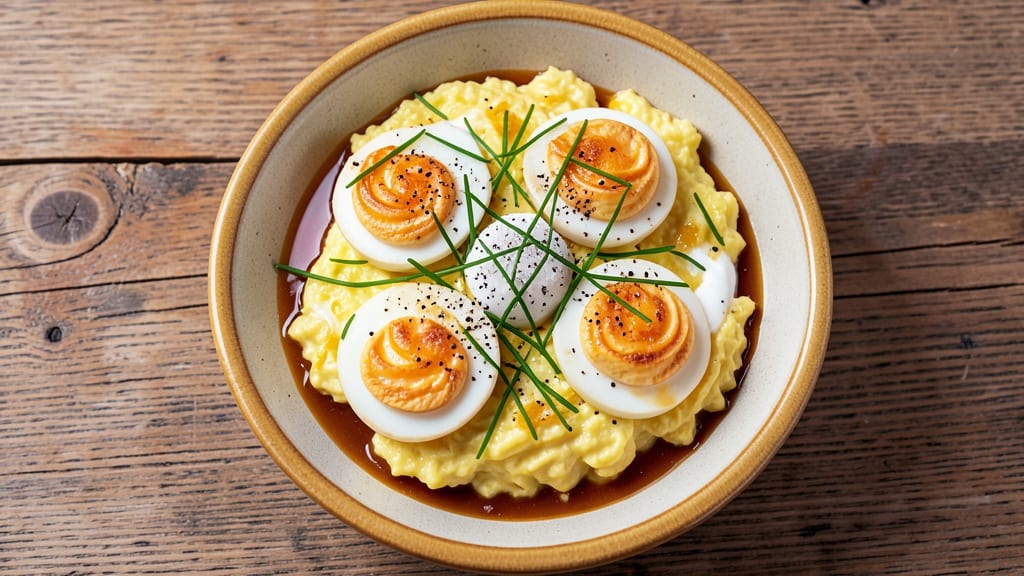
This special scrambled egg recipe transforms a breakfast staple into a restaurant-worthy dish with silky ribbons and a golden crust. The secret lies in low-and-slow cooking with a touch of cream and butter, creating eggs that are impossibly tender yet rich.
I've perfected this method after years of testing—no more rubbery or dry eggs here.
What sets these apart is the technique: gentle heat, constant stirring, and just the right amount of cream to create that signature velvety texture. The eggs form delicate ribbons that melt in your mouth, while the crust remains crisp and golden.
This isn't your average scrambled egg—it's a dish that feels luxurious yet remains simple to prepare.
By the time you're done, you'll have eggs that look as good as they taste—creamy, buttery, and perfectly set. The flavor is rich and satisfying, with just enough depth to make it feel special.
Pair with toasted sourdough, fresh herbs, or a sprinkle of flaky salt for the ultimate breakfast experience.
This recipe is perfect for weekend brunches, lazy mornings, or when you want to impress with minimal effort. The method is foolproof, and the results are consistently delicious. Let's get started on creating eggs that will change how you think about breakfast.
Ingredients for special scrambled egg
Pantry staples plus a few fresh touches—these ingredients create restaurant-style eggs at home.
| Ingredient | Amount | Notes |
|---|---|---|
| Large Eggs 🥚 | 6 whole | Freshly cracked, room temperature |
| Unsalted Butter 🧈 | 4 tbsp | Cold, cut into small cubes |
| Heavy Cream 🥛 | ¼ cup | Full-fat for richness |
| Diamond Crystal Kosher Salt 🧂 | ¼ tsp | Fine grain preferred |
| Fresh Chives 🌿 | 2 tbsp | Chopped, for garnish |
| Freshly Ground Black Pepper 🌶️ | ⅛ tsp | Freshly cracked peppercorns |
| Sourdough Bread 🍞 | 4 slices | Toasted for serving |
| Extra-Virgin Olive Oil 🫒 | 1 tsp | For toasting bread |
The eggs are the star, so pick the freshest you can find—the yolks should be vibrant orange, not pale. Trader Joe's or Whole Foods usually have the best quality, but any grocery store works. Heavy cream is non-negotiable here—half-and-half just won't cut it. For butter, grab European-style if you can find it—it has more milkfat for that perfect golden crust. I always buy extra butter because it's worth it for this recipe.
No heavy cream? Full-fat coconut milk works in a pinch, though it changes the texture slightly. Fresh chives can be swapped for dried chives at half the amount, but honestly, fresh is so much better. The kosher salt is key—Diamond Crystal dissolves perfectly, but any fine grain works. Want more depth? Add a pinch of smoked paprika to the eggs while cooking. The sourdough? Any good bread will do—just toast it until it's crispy and rub it with that extra-virgin olive oil for extra richness.
Eggs keep best in the fridge for 3 days if you crack them into a container, but for this recipe, use them fresh. The butter and cream can stay out at room temperature for up to 2 hours before cooking. Store any leftover eggs in an airtight container—they'll stay fresh for 2 days. The toasted bread keeps well for 1 day if wrapped in a cloth, but honestly, it's best eaten fresh with those silky eggs.
Why You'll Love This Recipe
- Here’s what sold me: I make these for lazy Sunday mornings and as a fancy side for brunch guests. Add a sprinkle of salt at the end, fold in some chives, and suddenly it’s restaurant-worthy. (Yes, even on a Tuesday night.)
- Five-Ingredient Magic: I swear by this—just eggs, butter, cream, salt, and chives. That’s it. No measuring cups, no fancy tools, no stress. The heavy cream makes it silky, the butter adds richness, and the chives? Little green finishing touches that feel chef’s kiss.
- Creamy Luxury: Honestly, this isn’t your basic scrambled egg. The heavy cream turns them into velvety clouds with a golden edge, while the butter keeps them from drying out. It’s the kind of dish that makes you pause mid-bite—damn, that’s good—without trying too hard.
- Breakfast or Dinner: Here’s what sold me: I make these for lazy Sunday mornings and as a fancy side for brunch guests. Add a sprinkle of salt at the end, fold in some chives, and suddenly it’s restaurant-worthy. (Yes, even on a Tuesday night.)
Step-by-step instructions for silky scrambled eggs
Here's how to make eggs so tender they melt in your mouth with a golden crust every time.
Whisk Eggs and Cream for Perfect Texture
In a medium bowl, crack all 6 whole large eggs and add the 0.25 cup heavy cream. I like to use a fork first to break up the yolks, then switch to a whisk to fully combine them. The cream adds luxurious richness while preventing the eggs from becoming rubbery. Add the 0.25 teaspoon Diamond Crystal kosher salt and 0.125 teaspoon freshly ground black pepper and whisk until just smooth—no need to overbeat or you'll develop gluten.
Here's the thing—whisking just until combined creates tiny air pockets that help the eggs cook into those signature silky ribbons. You're aiming for a uniform, pale yellow mixture without any streaks. Let the eggs sit at room temperature for 5 minutes while you prepare the pan. Cold eggs can make the final texture uneven, so this quick rest ensures everything cooks perfectly together.
Cook Butter on Low Heat for Golden Crust
Heat an 8-inch nonstick skillet over low heat (this is critical—too high and you'll get rubbery eggs). Add all 4 tablespoons cold unsalted butter cut into small cubes. Let it melt slowly, stirring occasionally with a silicone spatula, until the butter is completely melted and the pan is coated with golden foam. You'll see tiny bubbles forming around the edges—that's your signal the butter's ready.
Don't rush this step. The butter needs to melt completely and create a thin, even layer that will form that beautiful golden crust. If you see any browned bits developing, reduce the heat slightly. The butter should be hot enough to coat the back of a spoon but not smoking or browning. This gentle cooking method is what gives these eggs their signature texture—creamy centers with a perfectly crisp exterior.
Cook Eggs Gently for Ribbon-Like Perfection
Pour the egg mixture into the skillet and let it sit undisturbed for 10-15 seconds. This initial wait allows the bottom to set slightly before you start stirring. Then, using the silicone spatula, gently push the eggs from one side to the other, letting the uncooked egg flow to the pan. Keep the heat at low—you're looking for soft, silky curds to form rather than firm chunks.
Here's where the magic happens: continue stirring gently, folding the eggs over themselves every 15-20 seconds until they reach 160°F at their thickest part. You'll know they're done when they form soft, custard-like ribbons that hold their shape when you lift the spatula. If you see any liquid egg remaining, cook for another 10 seconds—it should all be gently set but still creamy.
Toast Bread and Assemble
While the eggs cook, toast the 4 slices sourdough bread with 1 teaspoon extra-virgin olive oil until golden and crisp. I like to brush the oil on both sides and toast until the bread has a beautiful crust. Transfer the toasted bread to a warm plate and keep it covered with a clean kitchen towel to maintain freshness.
Remove the eggs from heat as soon as they reach 160°F—they'll continue cooking slightly from residual heat. Immediately sprinkle the 2 tablespoons chopped fresh chives over the top. The chives add a bright, fresh finish that cuts through the richness of the eggs. Serve the eggs immediately over the toasted bread, letting any remaining juices soak into the bread for maximum flavor.
Pro Tips For Making Special Scrambled Egg
- WHISK EGGS COLD: I learned this the hard way—whisking eggs straight from the fridge gives you a smoother, creamier scramble than room-temp eggs. Crack them into a cold bowl, add a splash of heavy cream, and whisk vigorously until no streaks remain. The cold start prevents overcooking before the pan even heats up.
- MELT BUTTER LOW: Unsalted butter should melt slowly over medium-low heat until it’s just liquid gold—no browning, no bubbles. If you rush it, the butter will burn and turn the eggs bitter. I know, I know, you’re eager to get cooking, but trust the process—this is the thing that matters most for that rich, buttery flavor.
- SALT THE CREAM: Skip the urge to salt the eggs directly. Instead, dissolve the kosher salt into the heavy cream first—it distributes evenly and enhances the eggs’ natural sweetness. My grandmother swore by this, and she was right: the flavor is noticeably brighter when the salt marries with the cream before hitting the pan.
- STOP BEFORE DONE: Take the pan off heat when the eggs are still slightly underdone—soft, custardy, and just set at the edges. They’ll finish cooking from residual heat while you fold in the chives. I used to overcook them, and they’d turn rubbery. Now I wait, and the texture is silky every time.
Perfect pairings for this recipe
Classic Toast Pairings
Toasted sourdough bread is the perfect canvas for these silky eggs, but don't limit yourself—try brioche for extra richness or rye bread for a heartier bite. I love brushing the toast with extra-virgin olive oil and a pinch of flaky sea salt before toasting.
For a sweet contrast, add a thin layer of cream cheese and a drizzle of honey before serving. 🍞
Herb and Cheese Garnishes
Fresh chives are my go-to garnish, but parsley or dill add vibrant color too. For extra depth, sprinkle crumbled feta or goat cheese over the eggs just before serving.
A few toasted pine nuts add crunch, while crispy prosciutto gives a salty, savory kick. The key is to add garnishes right before eating so they stay fresh.
Coffee and Juice Pairings
A strong black coffee cuts through the richness of the eggs beautifully, especially if you add a splash of heavy cream to match the recipe's creaminess. For something lighter, try orange juice or grapefruit juice—the citrus brightens the dish.
I also love a cold brew or matcha latte for a more modern twist. 💧
Sweet Breakfast Additions
For a sweet-savory combo, serve with sliced strawberries or blueberries on the side. A drizzle of maple syrup or agave nectar adds a touch of sweetness that balances the eggs' richness. If you're feeling indulgent, add a side of crispy bacon or sausage links for a full breakfast experience.
Make-Ahead Sides
Prep sides the night before to save time in the morning. Roast cherry tomatoes with garlic and herbs, or make a quick avocado salad with lime and cilantro. Store them in airtight containers in the fridge, and they'll be ready to serve alongside your fresh eggs.
Just reheat the tomatoes gently if needed—they should still be warm and vibrant. ✨
Nutrition facts
Frequently asked questions
Why do these scrambled eggs turn out so creamy compared to regular scrambled eggs?
The secret lies in the low-and-slow cooking method and the addition of heavy cream. The cream adds moisture while preventing the eggs from becoming rubbery, while the gentle heat allows the proteins to set gradually into silky ribbons rather than firm curds. Plus, using cold butter creates a protective layer that forms that signature golden crust while keeping the inside velvety.
Can I make this recipe with fewer eggs or adjust the serving size?
This recipe scales perfectly. For 2 servings, use 4 eggs and 2 tablespoons butter with 2 tablespoons heavy cream. For 6 servings, double all ingredients. The key is maintaining the 1:4 ratio of eggs to butter and the 1:6 ratio of cream to eggs to preserve that luxurious texture. Adjust the bread accordingly too.
What if my eggs turn out dry or rubbery?
This usually happens from overcooking or too high heat. Keep the pan on low heat and remove the eggs when they reach 160°F—they'll continue cooking off the heat. Also, make sure your butter is fully melted but not browned before adding the eggs. If you've already overcooked them, try adding a splash of hot heavy cream to the pan and stirring quickly to restore moisture.
Can I use milk instead of heavy cream for a lighter version?
You can try, but the texture will be less rich and more likely to become rubbery. If you must use milk, reduce it to 2 tablespoons (instead of 0.25 cup) and add 1 tablespoon melted butter extra to compensate. For best results, stick with the full-fat cream—it's what creates that signature velvety mouthfeel. For a dairy-free option, use full-fat coconut milk instead.
How do I keep the eggs warm while toasting the bread?
Place the cooked eggs in a low oven (200°F) while you toast the bread, or transfer them to a warm plate and cover tightly with a clean kitchen towel. The residual heat will keep them warm for 5-7 minutes. For longer holding, use a chafing dish or a thermos set to warm mode. Never leave them on the stovetop unattended—they'll continue cooking and may overcook.