
Breakfast & Brunch
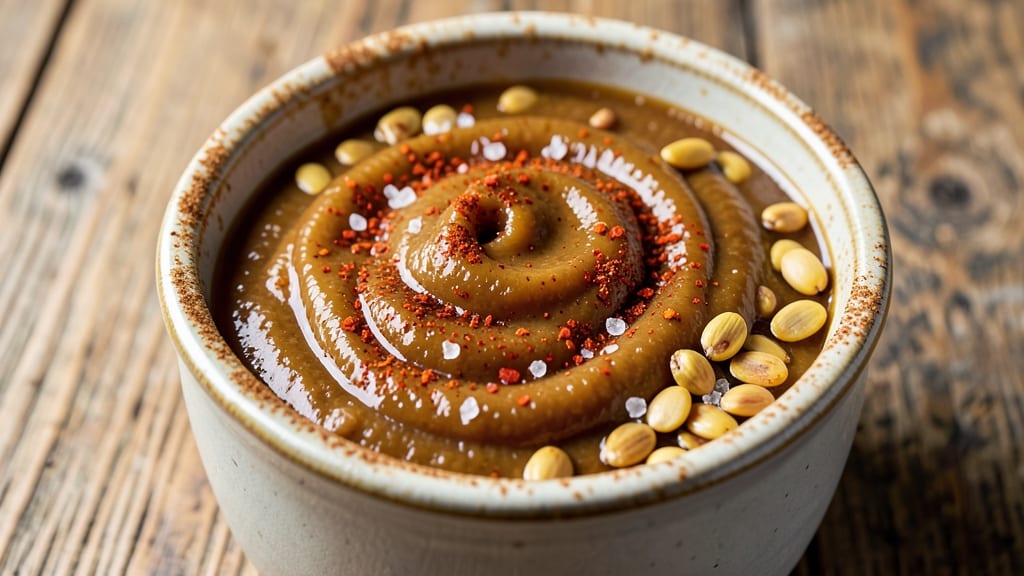
This sweet hot mustard recipe without eggs delivers the perfect balance of bold heat and caramelized sweetness for glazes, dips, and marinades. The secret lies in a slow-cooked blend of mustard seeds, apple cider vinegar, and brown sugar that develops deep, complex flavors without relying on eggs for thickening.
Professional chefs and home cooks alike swear by this versatile condiment for its ability to elevate everything from grilled meats to roasted vegetables.
The magic happens when toasted mustard seeds infuse the vinegar base, creating layers of tangy, slightly bitter depth before the sugar caramelizes into a glossy finish. Cayenne and turmeric add warmth and color, while garlic brings an aromatic punch that ties everything together.
Unlike traditional recipes, this version uses a cornstarch slurry instead of eggs, ensuring a smooth, pourable consistency that's perfect for drizzling or dipping.
What you'll end up with is a bold, restaurant-quality mustard that's sweet enough to balance spicy dishes but hot enough to stand alone. The slow cooking process allows flavors to meld beautifully, resulting in a condiment that tastes even better after a few days in the fridge.
Store it in an airtight container for up to 3 months, making it ideal for meal prep and gifting.
Use this mustard as a glaze for grilled chicken or ribs, a dip for fries or pretzels, or a marinade for tofu and vegetables. The possibilities are endless—let's get started on creating your own batch of this versatile, egg-free condiment that's sure to become a pantry staple.
Ingredients for sweet hot mustard recipe without eggs
Nine bold ingredients for a mustard that packs heat and sweetness without eggs.
| Ingredient | Amount | Notes |
|---|---|---|
| Yellow Mustard Seeds 🌶️ | ½ cup | Toasted for deeper flavor |
| Apple Cider Vinegar 🍏 | 1 ½ cups | Raw, unfiltered preferred |
| Brown Sugar 🍚 | 1 cup | Light or dark variety |
| Granulated Sugar 🍬 | ¼ cup | For extra caramelization |
| Cornstarch 🌾 | 2 tbsp | For egg-free thickening |
| Cayenne Pepper 🔥 | 1 ½ tsp | Adjust for heat preference |
| Ground Turmeric 🌿 | 1 tsp | For vibrant color |
| Garlic Cloves 🧄 | 3 cloves | Freshly minced preferred |
| Water 💧 | ½ cup | For slurry consistency |
| Sea Salt 🧂 | 1 ½ tsp | Fine grain preferred |
Mustard seeds are the heart of this recipe—toast them in a dry pan for 3-4 minutes until fragrant before adding vinegar. Trader Joe's and Whole Foods carry high-quality seeds, but the bulk section at any grocery store works too. Look for seeds that smell fresh and vibrant, not musty. The apple cider vinegar should be raw and unfiltered for that tangy depth—Bragg is a solid brand, but any organic option will do. Brown sugar adds caramel notes, so don't skimp—light or dark, your call.
No cayenne? Red pepper flakes at half the amount works in a pinch, but the heat won't be as precise. Fresh garlic is ideal, but jarred minced garlic (not the paste) saves time. If you're avoiding cornstarch, arrowroot powder at the same amount is a good swap. For extra richness, add 1 tbsp of molasses—it deepens the caramel flavors. The cornstarch slurry is key here; whisk it with water first before adding to the hot mixture to avoid clumping.
This mustard thickens as it cools, so give it 10 minutes before tasting. Store in an airtight jar in the fridge for up to 3 months—it actually tastes better after a few days as flavors meld. For gifting, use small jars and include a spoon. Freeze portions in ice cube trays for quick single-use servings. The longer it sits, the more complex the flavors become—patience pays off here.
Why You'll Love This Recipe
- No Eggs, No Stress: I’ll be real—this recipe saved me after my last batch of homemade mustard curdled. The cornstarch slurry thickens it perfectly without needing eggs, and the seeds toast in the vinegar for that deep, nutty punch. No whisking until your arm gives out, no waiting for eggs to set.
- Sweet Heat Balance: That first bite of brown sugar caramelizing with the vinegar’s tang? Chef’s kiss. The mustard seeds add a subtle crunch, while the granulated sugar keeps it from being too heavy. It’s the kind of condiment that makes pulled pork or grilled chicken taste like you slaved over it.
- Pantry Staple Magic: Honestly, I keep this in my fridge year-round because it’s that versatile. Drizzle it on deviled eggs, slather it on burgers, or even toss it with roasted Brussels sprouts. The best part? It’s made with ingredients you already own—no fancy shopping required.
- Lasts All Week: Between us, I’ve had this jar sit for two weeks and it’s still vibrant. The vinegar preserves it, and the cornstarch prevents separation. Perfect for meal prep, potlucks, or when you’re too tired to make anything fresh. Just open, taste, and enjoy—no guilt.
Step-by-step instructions for sweet hot mustard without eggs
Here's how to make this bold, tangy mustard that works perfectly for glazes and dips.
🔥 Step 1: Toast the Mustard Seeds for Maximum Flavor
Heat a dry skillet over medium heat and add the 0.5 cup yellow mustard seeds. Toast them for 3-4 minutes, stirring constantly, until they turn a rich golden brown color and begin to pop. This step is crucial—it deepens the nutty flavor and prevents that raw, bitter taste you sometimes get in store-bought mustard.
Watch them carefully—once they start popping loudly, remove them immediately from the heat. Let them cool for 2 minutes before grinding. The seeds will be hot, so use a heat-resistant bowl or let them sit on a cooling rack while you prepare the next ingredients.
🍳 Step 2: Create the Sugar-Cornstarch Slurry
In a medium saucepan, combine the 1 cup brown sugar, 0.25 cup granulated sugar, 2 tbsp cornstarch, 1.5 tsp cayenne pepper, 1 tsp ground turmeric, 3 cloves minced garlic, and 1.5 tsp sea salt. Stir well to break up any sugar lumps—this ensures even distribution of heat and color throughout the mustard.
Add the 1.5 cups apple cider vinegar and the 0.5 cup water to the saucepan. The mixture will look thick and syrupy at first. Place the pan over medium heat and bring everything to a gentle simmer, stirring constantly to prevent scorching. This step builds the sweet-spicy foundation of your mustard.
🥘 Step 3: Simmer Until Thickened
Let the mixture simmer for 10-12 minutes, stirring frequently, until it thickens to a smooth, glossy consistency that coats the back of a spoon. You'll notice the sugars begin to caramelize, giving your mustard that beautiful amber color and rich flavor. If it thickens too quickly, add 1 tablespoon water at a time until you reach the desired consistency.
Here's the thing—don't walk away during this step. The cornstarch acts as our thickener, replacing eggs, so we need to monitor it closely. The mustard should reduce enough to coat a spoon but still be pourable. When it reaches this stage, remove the pan from heat.
🔪 Step 4: Blend and Cool Completely
Transfer the hot mustard mixture to a blender or food processor. Add the toasted mustard seeds and blend until completely smooth, about 30-45 seconds. The texture should be velvety with no visible seeds. If it's too thick to blend easily, add 1 tablespoon water at a time until it reaches a smooth consistency.
Pour the blended mustard into a clean glass jar and let it cool completely at room temperature. This cooling process allows all the flavors to meld together. Once cool, store it in the refrigerator for up to 3 months. The flavors will actually deepen and improve over time, making it worth the wait.
⏰ Step 5: Adjust and Use Your Mustard
After cooling, taste your mustard and adjust the seasoning if needed. If it needs more heat, add a pinch of cayenne pepper. For extra tang, add a splash of apple cider vinegar. If it's too thick, thin it with a bit more vinegar or water. This mustard is incredibly versatile—use it as a glaze for grilled meats, a dip for fries, or a condiment for sandwiches.
I like to make a double batch because it disappears so quickly. The balance of sweet, spicy, and tangy flavors makes this mustard a crowd-pleaser. And the best part? It's completely egg-free, making it suitable for anyone with dietary restrictions.
Pro Tips For Making Sweet Hot Mustard Recipe Without Eggs
- CRUSH THE SEEDS FIRST: Skip the whole mustard seeds—they’ll sit like tiny rocks in your mustard. Lightly toast them in a dry pan for 30 seconds until fragrant, then grind them with a mortar and pestle (or pulse in a food processor) until you’ve got a fine powder. I learned this the hard way—whole seeds in sweet mustard just feel wrong.
- STIR CONSTANTLY ON LOW: Once you add the vinegar and sugars, keep the heat low and stir like your life depends on it. Sweet mustard burns faster than you’d think, and once it seizes, you’re stuck with grainy, bitter chunks. I used to walk away for "just a minute"—don’t be that cook.
- WHISK THE CORNSTARCH DRY: Mix the cornstarch with the brown sugar before adding liquid—this keeps it from clumping into pasty lumps. I was skeptical until I tried it: the texture thickens smoothly, and the mustard stays glossy instead of streaky. Sounds weird, but it works.
- TEST THE HEAT BEFORE FINishing: Taste your mustard early—around 15 minutes in—and adjust the vinegar-to-sugar ratio. If it’s too sharp, add a pinch more brown sugar; if it’s flat, splash in a little extra vinegar. My first batch was either "vinegary" or "sickeningly sweet"—this fix saves seconds of regret.
Pro cooking tips for great sweet hot mustard recipe without eggs
Toast Seeds Perfectly
Toast your 0.5 cup yellow mustard seeds in a dry skillet over medium heat for exactly 3-4 minutes until they turn golden brown and begin popping. This step unlocks deep nutty flavors and prevents that harsh, raw taste.
I use a 10-inch cast iron skillet because it distributes heat evenly—no hot spots to burn your seeds. 🔥
Slurry Consistency Matters
Whisk your 2 tbsp cornstarch with 0.5 cup water in a separate bowl before adding to the simmering mixture. This creates a smooth slurry that thickens evenly without clumping.
I've learned the hard way—adding cornstarch directly to the hot vinegar creates lumps that ruin the texture. Use a whisk for 30 seconds to ensure no graininess remains.
Simmer Control
Maintain a gentle simmer—not a rolling boil—when combining all ingredients. Too much heat causes scorching, while too little prevents proper caramelization. I monitor the temperature by watching for small bubbles at the edges.
If it thickens too quickly, add 1 tbsp vinegar at a time to maintain balance. The goal is a glossy, spoon-coating consistency.
Blending Technique
Blend your mustard in batches if needed—overfilling a blender can cause splattering from the hot mixture. I pulse first, then blend continuously for 30-45 seconds until completely smooth.
For extra silkiness, add 1 tsp olive oil during blending. The result should be velvety with no texture, ready for immediate use or storage.
Flavor Development
Let your mustard cool completely before tasting—this allows all flavors to meld. I wait 15 minutes before adjusting seasoning. For extra depth, add ½ tsp smoked paprika while blending. The longer it sits, the more complex the flavor becomes—this is where patience pays off with restaurant-quality results. ✨
Storage Secrets
Transfer to an airtight glass jar and refrigerate immediately to prevent mold growth. This mustard actually improves over 3-5 days as flavors deepen. For gifting, use small 4-ounce jars with a spoon.
Freeze portions in ice cube trays for single-use servings—just thaw in the fridge overnight. The vinegar base helps preserve freshness longer than traditional mustards.
Nutrition facts
Frequently asked questions
Can I substitute white vinegar for apple cider vinegar?
Yes, but expect a slightly different flavor profile. Apple cider vinegar adds subtle fruitiness that complements the sweetness, while white vinegar gives a sharper tang. For best results, use white vinegar in a 1:1 ratio, but reduce the sugar slightly (0.25 cup less) to balance the increased acidity.
How do I adjust the heat level if cayenne is too strong?
Start by reducing the cayenne to 1 teaspoon instead of 1.5 teaspoons for a milder heat. For extra control, blend in ½ teaspoon smoked paprika—it adds warmth without sharp spiciness. If you need more heat later, add cayenne gradually (¼ teaspoon at a time) and taste between additions.
Will this mustard thicken more after refrigeration?
Yes, it will naturally thicken as it cools and continues to set in the fridge. For a smoother texture, stir in 1 tablespoon water or vinegar after refrigerating. If it becomes too thick for your liking, thin it with ½ teaspoon vinegar at a time until you reach the desired consistency.
Can I make this mustard without cornstarch?
Use 2 tablespoons arrowroot powder as a direct substitute—it thickens similarly without eggs. For a vegan gelatin alternative, dissolve 1 teaspoon agar-agar powder in 2 tablespoons cold water**, then add to the simmering mixture. Both options require slightly longer simmering (15 minutes) to achieve proper thickness.
How can I use this mustard in cooking beyond glazes?
This versatile condiment works beautifully as a marinade for tofu, chicken, or pork (simmer 10 minutes before using). Stir it into homemade BBQ sauce for depth, or mix with Greek yogurt for a sweet-spicy dip. Try brushing it on baked sweet potatoes or drizzling over grilled vegetables like zucchini or eggplant. The possibilities are endless!