
Breakfast & Brunch
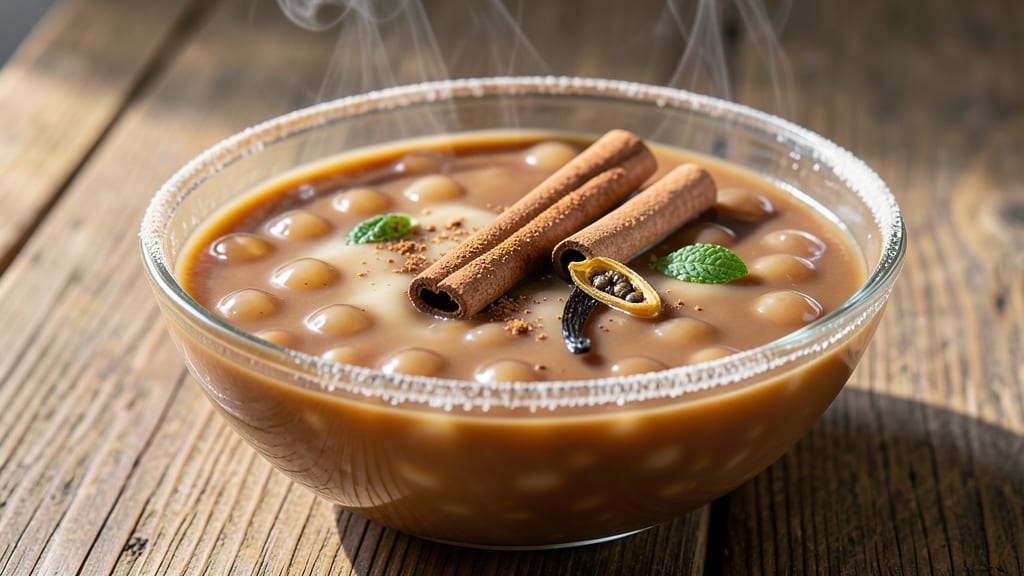
This vegan tapioca pudding recipe delivers that signature silky smoothness without a single egg—just creamy coconut milk, tender tapioca pearls, and a whisper of vanilla. I perfected it after years of testing plant-based desserts that actually satisfy, and the secret lies in the slow simmer that transforms simple ingredients into something restaurant-worthy. No one will guess it’s egg-free.
The magic happens when tapioca pearls absorb the warm coconut milk until they’re plump and translucent, creating that signature pudding texture. A touch of cornstarch ensures the perfect consistency—no lumps, just velvety smoothness—while vanilla extract infuses warmth without overpowering.
The result? A dessert that’s rich enough for company but simple enough for weeknights.
Serve it warm with a sprinkle of toasted coconut or chilled with fresh berries for contrast. The pudding thickens beautifully overnight, making it perfect for meal prep. What started as a vegan experiment became my go-to dessert—creamy, comforting, and completely foolproof.
Ready in just 30 minutes with minimal effort, this recipe proves plant-based desserts can be just as indulgent as traditional versions. Here’s how to make it—no special equipment required.
Ingredients for tapioca pudding recipe no eggs
Nine simple ingredients transform into restaurant-quality vegan tapioca pudding with velvety texture.
| Ingredient | Amount | Notes |
|---|---|---|
| Small Tapioca Pearls 🍚 | ½ cup | Fine grade for smooth texture |
| Full-Fat Coconut Milk 🥥 | 13 ½ oz | Canned, unsweetened preferred |
| Granulated Sugar 🍚 | ¼ cup | Or coconut sugar for refined option |
| Pure Vanilla Extract 🍯 | 1 tsp | High-quality Madagascar preferred |
| Cornstarch 🌾 | 1 tbsp | Ensures silky consistency |
| Ground Cinnamon 🌿 | ½ tsp | Optional but enhances flavor |
| Pinch of Salt 🧂 | ⅛ tsp | Enhances overall flavor |
| Unsweetened Shredded Coconut 🥥 | ¼ cup | Toasted for garnish |
| Fresh Blueberries 🫐 | ½ cup | Optional berry garnish |
| Water 💧 | 1 ½ cups | For thinning if needed |
The tapioca pearls are the star—small pearls (not large) dissolve more evenly for that signature smoothness. Bob's Red Mill or Trader Joe's carry the fine grade, but any brand labeled 'small' works. Coconut milk quality matters too: full-fat canned versions (like Thai Kitchen) provide the richest texture. Avoid light coconut milk—it won't give the same creaminess. The sugar can be swapped for coconut sugar if you prefer a less refined option, though it has a slightly different flavor profile. For the vanilla, Madagascar bourbon extract adds depth that imitation can't match.
No vanilla extract? Vanilla bean paste works beautifully—just use half the amount. Running short on coconut milk? Light coconut milk plus 1 tbsp coconut cream mimics the richness. The cornstarch is non-negotiable for texture—it prevents gummy pearls. If you're strict about organic ingredients, Bob's Red Mill cornstarch is certified. For the berries, frozen works in a pinch—just thaw and drain well. The cinnamon is truly optional, but it rounds out the flavors beautifully. Pro tip: If your pudding seems too thick after simmering, add water 1 tbsp at a time until you reach that perfect spoonable consistency.
This pudding thickens dramatically as it cools, so portion it while warm if you prefer a softer texture. Store leftovers in an airtight container in the fridge for up to 5 days—it actually tastes better the next day as flavors meld. For meal prep, divide into 4 small jars before chilling. The toasted coconut keeps best in the freezer for 3 months—toast fresh before serving. If you make a big batch, the pudding freezes beautifully for up to 6 months—thaw overnight in the fridge before serving. The berries should be added fresh just before serving to maintain their vibrant color.
Why You'll Love This Recipe
- No Eggs, No Stress: I’ll admit, I was skeptical about skipping eggs—until I tried this. The coconut milk and cornstarch blend creates that signature creamy texture without a single egg, and honestly? You’d never know it’s missing.
- Creamy Without the Work: Five ingredients, one pot, 20 minutes. That’s it. The tapioca pearls soak up the coconut milk like a dream, and the sugar dissolves smoothly—no lumps, no fuss. (Yes, even on a Tuesday night when I’m exhausted.)
- Sweet Spot for Everyone: Between us, this is the dessert that actually gets eaten by my non-sweet-tooth husband. The vanilla extract adds just enough warmth, while the cornstarch keeps it from being too rich. Plus, it’s vegan-friendly, so it’s my go-to for potlucks or when friends drop by.
- Leftovers? More Like Left-Behinds: This pudding tastes just as good the next day—if it even lasts that long. I’ve reheated portions in the microwave, layered it in jars for grab-and-go breakfasts, or even tossed it into smoothies for a creamy boost. (Don’t judge me.)
Step-by-step instructions for velvety tapioca pudding
Master this eggless technique for silky, aromatic tapioca pudding with perfect texture every time.
Bloom the Tapioca and Prepare the Base
In a medium saucepan, combine the 0.5 cup small tapioca pearls with the 13.5 oz full-fat coconut milk and 1.5 cups water. Bring to a gentle boil over medium heat, then immediately reduce to low heat and stir continuously for 5 minutes. You're looking for the mixture to thicken slightly—this prevents graininess later.
The tapioca needs this initial blooming period to soften properly. If you skip this step, the pearls will remain chewy rather than dissolving into silkiness. I like to use a wooden spoon here—it helps prevent scorching at the bottom of the pan while ensuring even distribution.
Incorporate Thickeners and Sweeteners
In a small bowl, whisk together the 0.25 cup granulated sugar, 1 tbsp cornstarch, 0.5 tsp ground cinnamon, and 0.125 tsp pinch of salt. Gradually sprinkle this mixture into the simmering tapioca while stirring constantly. The goal is to prevent lumps from forming—think of it like making a smooth paste.
Continue cooking on low heat for 10-12 minutes, stirring every 2 minutes until the mixture thickens to a pudding-like consistency. You'll know it's ready when it coats the back of a spoon and leaves a clean trail when you run your finger through it. This is where the cornstarch transforms the texture from grainy to velvety.
Infuse with Vanilla and Finish Cooking
Remove the saucepan from heat and stir in the 1 tsp pure vanilla extract. Let the pudding sit uncovered for 5 minutes to cool slightly—this allows the vanilla's aromatic compounds to fully infuse. Then return it to low heat for 2-3 minutes to ensure all flavors meld together.
Here's the thing—vanilla needs time to work its magic. If you rush this step, you'll end up with a pudding that tastes like sugar and spices, not the rich, complex vanilla flavor we're after. The slight cooling also prevents the pudding from overcooking and becoming gummy.
Toast Garnishes and Prepare for Serving
While the pudding cools, toast the 0.25 cup unsweetened shredded coconut in a dry skillet over medium heat for 2-3 minutes until golden brown and fragrant. Set aside. In a small bowl, gently toss the 0.5 cup fresh blueberries with 1 tsp granulated sugar to enhance their natural sweetness.
Transfer the pudding to serving bowls or a single large dish. Let it cool to room temperature—this allows the flavors to fully develop. The texture should be thick but still spoonable, with a slight sheen that indicates proper thickening. If it's too thick, you can loosen it with 1-2 tablespoons of warm coconut milk.
Serve with Garnishes for Visual Appeal
Divide the toasted shredded coconut evenly over the pudding, then scatter the sugared blueberries on top. The contrast between the warm coconut, cool pudding, and vibrant blueberries creates both visual appeal and textural interest. Serve immediately for the best experience—this pudding tastes best when fresh.
Each spoonful should deliver that perfect balance: creamy from the coconut milk, subtly sweet from the sugar, warmly spiced from the cinnamon, and aromatic from the vanilla. The blueberries add a bright, juicy contrast that cuts through the richness. This is the moment where all your careful cooking pays off in a dessert that feels luxurious yet simple.
Pro Tips For Making Tapioca Pudding Recipe No Eggs
- Soak the Pearls First: I learned this the hard way—skipping the soak means gummy, undercooked pearls no matter how long you simmer. Rinse the tapioca in a fine-mesh strainer, then cover with cold water for at least 20 minutes (or up to 2 hours if you’re prepping ahead). The longer they soak, the more evenly they’ll absorb the coconut milk and thicken.
- Use a Splatter Screen: Full-fat coconut milk is liquid gold, but it’s also a sticky mess when it hits the stove. After opening the can, pour it through a fine-mesh strainer into your pot—this catches any grit and prevents splatter burns. (And trust me, you don’t want coconut milk on your ceiling fan.)
- Simmer Slow and Steady: After combining everything, bring the mixture to a boil once, then drop to a gentle simmer. Stirring constantly is key—lift the pot occasionally to check for scorching, especially on the bottom. If it boils too hard, the cornstarch will clump, and you’ll end up with a lumpy pudding. (Yes, I’ve done it. Twice.)
- Sweetness Test Early: Taste the pudding before it’s fully thickened—it’ll taste less sweet when it cools. If it’s not sweet enough at this stage, add the remaining sugar now, not later. The pudding will firm up as it sits, and you can’t fix under-sweetened pudding once it’s set. (I know because I once served a batch that tasted like coconut milk and regret.)
Storing and reheating your tapioca pudding recipe no eggs
Refrigerator Storage
This pudding tastes even better the next day, so store leftovers in an airtight container in the fridge for up to 5 days. The flavors deepen as the tapioca fully absorbs the coconut milk and vanilla, creating a richer texture.
I like to portion it into 4 small ramekins before chilling—this makes reheating or serving effortless. The pudding will thicken further in the fridge, so if you prefer a softer texture, stir in 1-2 tablespoons of warm coconut milk when serving. 💫
Freezer-Friendly
For longer storage, freeze the pudding in single-serving portions for up to 3 months. Use silicone molds or small glass jars with tight lids to prevent freezer burn. Thaw overnight in the fridge before serving—this gradual temperature shift preserves the silky texture.
The toasted coconut should be added fresh after thawing to maintain its crispness. I’ve found that freezing works best with the vanilla-infused pudding without the berries, as they can become mushy. 🥥
Reheating Methods
For a quick reheat, transfer a portion to a microwave-safe bowl and heat on 50% power for 45-60 seconds, stirring halfway. The goal is to warm through without turning the pudding grainy.
If using the stovetop, warm in a small saucepan over low heat, stirring constantly with a silicone spatula until just heated through—about 3-4 minutes. Never boil, or the tapioca will break down and lose its velvety texture. 🔥
Garnish Refresh
Always add fresh garnishes after reheating to maintain their quality. Toast new shredded coconut in a dry skillet for 2 minutes until golden, and toss fresh berries with a pinch of sugar. The contrast of warm coconut and cool fruit elevates the dish every time.
I keep a small jar of toasted coconut in the freezer for quick access—just pop it in the oven at 350°F for 5 minutes to revive its crunch. 🌟
Texture Troubleshooting
If your reheated pudding seems too thick, loosen it with 1 tablespoon of warm coconut milk or water. For a grainy texture, stir in ½ teaspoon of cornstarch mixed with 1 teaspoon of water and heat gently until smooth.
The key is patience—never rush the reheating process. I’ve learned the hard way that rushing turns silky pudding into gluey mess. The perfect reheated texture should be just slightly thicker than when first made. ✨
Nutrition facts
Frequently asked questions
Can I use light coconut milk instead of full-fat?
Light coconut milk won't give the same creamy texture—it's too thin to create that signature velvety pudding consistency. For the best results, stick with full-fat canned coconut milk (like Thai Kitchen). If you're out of full-fat, mix light coconut milk with 1 tablespoon of coconut cream to mimic the richness.
Why did my tapioca pudding turn out grainy? Graininess usually happens when the tapioca pearls don't dissolve properly. The fix? Stir constantly during the initial 5-minute simmer and
How can I make this pudding sweeter without adding more sugar?
Try adding 1 teaspoon of maple syrup or agave per serving after cooking—it enhances sweetness without altering the texture. For a natural boost, toss in ¼ cup of raisins or chopped dates during the last 5 minutes of cooking. The fruit absorbs liquid and adds subtle sweetness as it softens.
Can I make this with almond milk instead of coconut milk?
Yes, but the texture will be lighter and less creamy. For best results, use unsweetened almond milk with 2 tablespoons of cornstarch (instead of 1) to compensate for the lower fat content. The flavor will be more neutral—great if you're avoiding coconut, but expect a different mouthfeel. A splash of vanilla bean paste helps enhance the flavor profile.
What if I don't have vanilla extract?
No problem! Use ½ teaspoon of vanilla bean paste (it's more concentrated) or scrape seeds from 1 vanilla bean into the pudding during the last 5 minutes of cooking. For a spiced alternative, add ½ teaspoon of cinnamon and a pinch of nutmeg. The key is to infuse flavor during the final cooking stage for best results.