
Main Courses
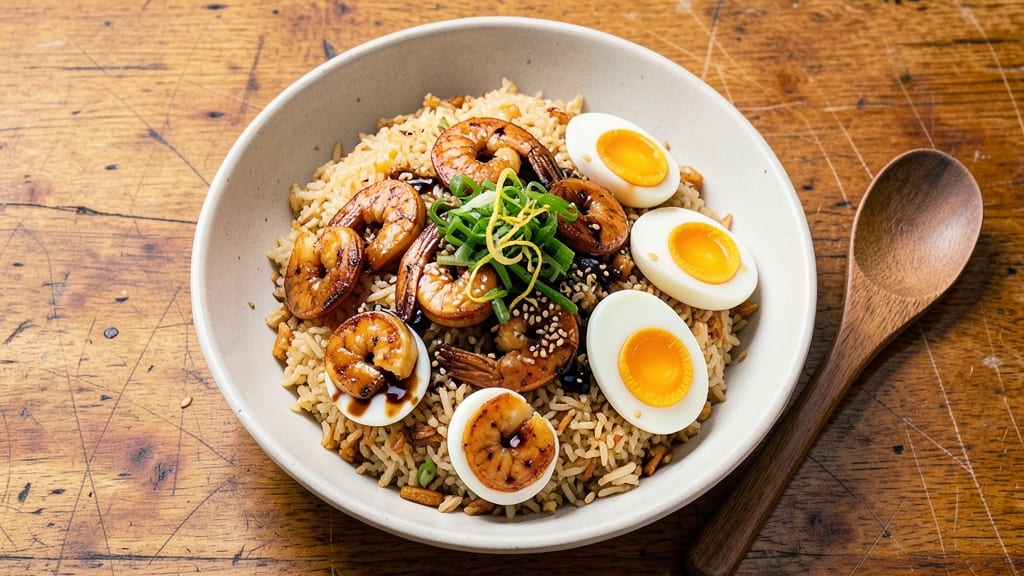
This traditional Chinese egg fried rice recipe delivers the wok-heated fragrance and perfectly separated grains that define street-side classics. The secret lies in high-heat stir-frying and proper rice texture—day-old grains that cling together just enough to hold sauce while staying distinct.
I've refined this recipe over years of testing, balancing authenticity with modern kitchen adaptability for home cooks.
The foundation begins with day-old, cold rice—never freshly cooked—tossed with eggs that scramble into delicate ribbons before absorbing the savory wok hei aroma. Scallions, shrimp, and soy sauce create that signature umami depth, while a touch of sesame oil adds nutty warmth.
The technique transforms simple ingredients into a dish that tastes like a bustling Beijing restaurant.
What you'll achieve is restaurant-quality fried rice with golden-brown eggs, crisp-tender vegetables, and perfectly separated grains coated in fragrant sauce. The high-heat stir-fry method develops that coveted smoky aroma while keeping the rice from turning mushy.
This is comfort food at its finest—quick to prepare but packed with authentic flavor.
Whether you're recreating childhood memories or introducing Chinese cuisine to your family, this recipe adapts beautifully to available ingredients. The key lies in timing and technique, not complexity. Let's create something that tastes like home, one wok-heated bite at a time.
Ingredients for traditional chinese egg fried rice
Cold rice, fresh eggs, and aromatic wok hei—these core ingredients transform into restaurant-quality fried rice.
| Ingredient | Amount | Notes |
|---|---|---|
| Day-Old Cooked White Rice 🍚 | 4 cups | Cold, preferably from previous day |
| Large Eggs 🥚 | 4 whole | Freshly beaten, room temperature |
| Scallions 🧅 | ½ cup | Thinly sliced, white and green parts |
| Peeled Shrimp 🦐 | ½ lb | Small to medium size, deveined |
| Light Soy Sauce 🥄 | ¼ cup | High-quality brand preferred |
| Dark Soy Sauce 🥄 | 1 tbsp | For color and depth |
| Sesame Oil 🫒 | 1 tbsp | Toasted, for aroma |
| Vegetable Oil 🫒 | ½ cup | High smoke point for stir-frying |
| Garlic Cloves 🧄 | 4 cloves | Minced, for aromatic base |
| Fresh Ginger 🌿 | 1 tbsp | Finely grated, peeled |
| White Pepper 🌶️ | ½ tsp | Freshly ground for subtle heat |
| Salt 🧂 | ½ tsp | Kosher or sea salt |
| Green Onions 🧅 | 2 whole | Chopped, for freshness |
The rice is non-negotiable—day-old, cold grains create that signature texture. Jasmine or long-grain white rice works best, and most Asian markets sell pre-cooked rice in the refrigerated section if you're short on time. For shrimp, frozen works perfectly—just thaw and devein. Look for Kirkland Signature or Wild Alaska brands for quality. The eggs should be freshly beaten at room temperature to scramble into delicate ribbons. Scallions add freshness, but if you're using them for garnish, save the greens until the end.
No shrimp? Chicken breast or diced ham works in a pinch, but adjust cooking time—chicken needs 3-4 minutes less. Substitute light soy sauce with coconut aminos at a 1:1 ratio, though the flavor will differ slightly. For sesame oil, toasted is essential—regular won't give that nutty aroma. The garlic and ginger should be finely minced for even distribution. If you're using pre-minced from a jar, rinse it well to remove excess liquid. White pepper adds subtle heat without overpowering the dish—freshly ground is best, but pre-ground works in a bind.
Rice reheats beautifully—store leftovers in an airtight container for up to 3 days. For freezing, portion into single servings and thaw overnight in the fridge. The shrimp should be cooked through before adding to the rice—overcooking turns them rubbery, so keep an eye on them. If making ahead, prepare the sauce components separately and combine just before serving. This dish tastes even better the next day as flavors meld—perfect for meal prep.
Why You'll Love This Recipe
- One-Pan Magic: I swear by this recipe—just one wok or skillet, no mess. Toss in your day-old rice, scrambled eggs, shrimp, and scallions, then stir-fry until everything sings. Honestly, my counters stay cleaner than my last attempt at baking.
- Umami Bomb: That light soy sauce? It’s the secret weapon—salty, savory, and just enough to make your taste buds wake up. The shrimp adds a briny kick, while the scallions bring freshness that cuts through the richness. Between us, it’s the kind of flavor that makes you want to eat it straight from the pan.
- Leftover Hero: This dish actually gets better the next day. Cold fried rice? Still delicious. Reheat it, and the shrimp stays tender while the rice soaks up all the leftover flavors. I’ve fed my whole family for days with just one batch—no waste, no stress.
- Budget Meal Hack: Shrimp might sound fancy, but a single bag stretches across multiple servings. Day-old rice? That’s free if you cook grains in bulk. Light soy sauce is cheap, and eggs? Always affordable. It’s my go-to when I need to stretch groceries without sacrificing taste.
Step-by-step instructions for traditional Chinese egg fried rice
Master the wok technique for restaurant-quality fried rice with distinct grains and balanced flavors.
Prepare the Protein and Aromatics
In a small bowl, combine the 0.5 lb peeled shrimp with 0.5 tsp salt and 0.5 tsp white pepper. Set aside to marinate while you prepare the aromatics. Finely mince the 4 cloves garlic cloves and grate the 1 tbsp fresh ginger using a microplane or fine grater - you want a paste-like consistency for maximum flavor extraction.
Thinly slice the 0.5 cup scallions and chop the 2 whole green onions into ¼-inch pieces. Separate the white and green parts of the scallions - the whites will cook down into the rice while the greens will add freshness at the end. Keep all prepped ingredients within easy reach for efficient cooking.
Create the Egg and Seasoning Base
In a medium bowl, beat the 4 whole large eggs until fully combined but still slightly thick. In a separate small bowl, whisk together the 0.25 cup light soy sauce, 1 tbsp dark soy sauce, and the remaining 0.5 tsp salt. The dark soy sauce will give your fried rice that signature deep color while the light soy provides the salty umami foundation.
Heat a wok or large skillet over medium-high heat until smoking hot. Add 2 tablespoons vegetable oil and swirl to coat. Pour in the beaten eggs, letting them spread evenly without stirring immediately. Cook until the edges set but the centers remain slightly runny - about 20-30 seconds. Push the eggs to one side of the wok and add 1 tablespoon vegetable oil to the empty space.
Cook the Aromatics and Shrimp
Add the garlic-ginger paste to the wok and stir vigorously for 10-15 seconds until fragrant but not browned. Immediately add the marinated shrimp and cook for 1-2 minutes until they turn opaque and curl slightly. Remove the shrimp with a slotted spoon and set aside, leaving the aromatic oils in the wok.
Add the remaining 3 tablespoons vegetable oil to the wok. Toss in the white parts of the scallions and cook for 30 seconds until softened. This step builds layer upon layer of flavor - each component should be cooked just until it begins to transform before moving to the next.
Fry the Rice to Perfect Texture
Working quickly, add the 4 cups day-old cooked white rice to the wok in one motion. Use tongs to break up any large clumps and spread the rice evenly. Stir-fry vigorously for 2-3 minutes until the rice grains become distinct and begin to develop a light golden color at the edges.
Here's the critical moment: pour the soy sauce mixture over the rice and immediately add the cooked shrimp and egg back to the wok. Toss everything together for another 1-2 minutes until the rice absorbs the sauce but remains separate. The rice should be hot throughout with each grain clearly visible - this is what distinguishes authentic fried rice from mushy rice.
Finish with Freshness and Aroma
Turn off the heat and immediately add the 1 tbsp sesame oil and the green parts of the scallions and chopped green onions. Toss one final time to distribute the sesame oil evenly - this adds that signature nutty aroma that elevates the dish. The high heat of the wok will cause the sesame oil to bloom beautifully.
Taste and adjust seasoning if needed - you may need a splash of water or an additional ½ teaspoon light soy sauce to achieve the perfect balance. Serve immediately while the rice is hot and the aromatics are still vibrant. The dish should have distinct textures - tender shrimp, silky eggs, and separate rice grains - all bound together by the savory-sweet sauce.
Pro Tips For Making Traditional Chinese Egg Fried Rice
- CHOP RICE SMALL AND DRY: Use a sharp knife or cleaver to cut day-old rice into ½-inch pieces—this prevents clumping and ensures even cooking. Spread the rice on a tray and let it air-dry for 10 minutes before frying; damp rice steams instead of sizzling, and no one wants soggy fried rice.
- SCRAMBLE EGGS SEPARATELY: Push the eggs to one side of the wok after they set—this keeps them creamy instead of breaking apart when you stir in the rice. My grandmother swore by this, and she was right: the eggs stay intact, and the dish looks (and tastes) more professional.
- STOP STIRRING WHEN SHRIMP CURLS: Shrimp turns rubbery if overcooked, so remove it from the wok the second it curls into a C shape. Toss it back in at the very end to reheat—this keeps it tender while the rest of the dish finishes. (Yes, it looks weird, but it works every time.)
- USE COLD SOY SAUCE: Chill your light soy sauce in the fridge for 10 minutes before adding it—this prevents the rice from turning gluey from excess heat. Drizzle it in slowly while stirring; if the wok gets too hot, the sauce burns before it flavors. (Your future self will thank you.)
Flavor customization for this recipe
Spicy Sichuan Style
Transform your fried rice into fiery Sichuan-style by adding 1 tbsp chili bean paste (like Lao Gan Ma) and 1 tsp Sichuan peppercorns toasted and ground. Stir the chili bean paste into the wok with the garlic-ginger paste for 30 seconds to bloom the heat.
Finish with 2 tbsp chopped cilantro and a drizzle of chili oil for that signature numbing-spicy kick. 🌶️
Vegetarian Version
Skip the shrimp and replace with 1 cup mixed vegetables like bell peppers, carrots, and snap peas. For protein, add 2 tbsp crispy baked tofu or ½ cup shredded rotisserie chicken (if you're not fully vegetarian).
Boost umami with 1 tbsp vegetarian oyster sauce instead of soy sauce. The key is keeping the rice texture perfect—don’t overcrowd the wok. 🥕
Sweet and Savory Fusion
Add a touch of sweetness with 1 tbsp hoisin sauce mixed into the soy sauce blend. Top with ¼ cup diced pineapple (fresh or canned, drained) and 2 tbsp chopped peanuts for crunch.
This Hawaiian-Chinese fusion balances the savory with tropical sweetness—great for brunch or a fun twist on a classic. 🍍
Smoky BBQ Twist
Swap the shrimp for ½ cup pulled pork (slow-cooked with ½ cup BBQ sauce) and add 1 tbsp smoked paprika to the garlic-ginger paste. Finish with 1 tbsp chopped jalapeños and a sprinkle of crumbled bacon for extra smokiness.
This Texas-Chinese mashup delivers bold, smoky depth with every bite. 🔥
Seafood Lover’s Upgrade
Elevate with ½ lb imitation crab (like Kani) or clams (steamed open in ½ cup water + 1 tbsp white wine) for briny freshness. Stir in 1 tbsp fish sauce with the soy sauce for extra umami.
Garnish with sesame seeds and lime wedges to cut through the richness. Perfect for a seafood-focused fried rice with restaurant-quality texture. 🦀
Herb-Infused Freshness
Brighten the dish with 2 tbsp chopped Thai basil or mint leaves at the end. Add 1 tsp fish sauce to the soy blend for depth, and finish with ½ tsp sugar to balance flavors.
This Thai-inspired version keeps the rice light and vibrant—ideal for a lighter, herb-forward take on fried rice. 🌿
Nutrition facts
Frequently asked questions
Why does the recipe call for day-old rice instead of freshly cooked?
Day-old rice is crucial for authentic texture—it's dry enough to absorb flavors without turning mushy. Freshly cooked rice releases too much moisture and steams in the wok, creating a soggy, gluey result. The slight dryness also helps the grains separate beautifully. Pro tip: Spread freshly cooked rice on a tray and refrigerate for 2-3 hours if you're short on time.
Can I make this with a regular skillet instead of a wok?
Yes! While a wok gives that signature wok hei aroma, a 12-inch nonstick or carbon steel skillet works well. Use high heat and stir frequently to prevent sticking. A wok's sloped sides help distribute heat better, but a flat-bottom pan can still achieve great results with proper technique. Just be patient with the cooking process.
What's the secret to getting the eggs perfectly ribbony?
The key is high heat and not stirring too soon. Beat eggs until just combined (don't overmix), then pour into the hot wok and let them spread naturally. Cook until edges set but centers remain slightly runny (20-30 seconds). When you push them aside, they should form soft, delicate ribbons that break apart easily when tossed with the rice.
How do I adjust the recipe for spicier or milder flavors?
For spicier add ½-1 tsp chili flakes or 1 tsp sriracha to the soy sauce blend. For milder flavor, reduce the dark soy sauce to ½ tbsp and add ½ tsp sugar to balance. Remember: dark soy sauce provides both color and saltiness, so adjusting it affects both aspects. Taste as you go!
Can I make this ahead of time and reheat it?
This dish tastes even better the next day! Store in an airtight container in the fridge for up to 3 days. Reheat gently in a skillet with 1 tsp oil over medium heat, stirring occasionally, until hot through. For freezing, portion into single servings and thaw overnight in the fridge before reheating. The flavors develop beautifully over time.