
Breakfast & Brunch
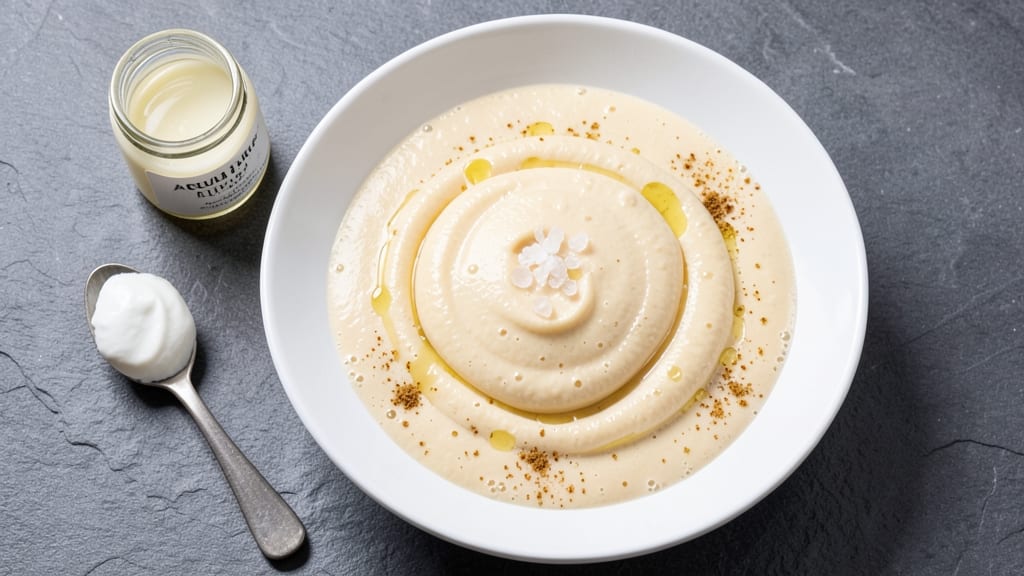
This vegan egg mayonnaise recipe delivers silky, creamy richness that rivals traditional mayo—without a single egg. The secret lies in blending aquafaba (chickpea brine) with neutral oil and a touch of acidity, creating an emulsion so stable it won’t break.
I’ve perfected this over years of testing, ensuring it works for sandwiches, dips, and dressings without compromising texture or flavor.
The magic happens with a high-speed blender and precise ingredient ratios—no special equipment beyond that. You’ll need aquafaba (from canned chickpeas), neutral oil like avocado or canola, and a splash of apple cider vinegar for that signature tang.
This version stays creamy for days, making it ideal for meal prep and batch cooking.
What sets this apart is the velvety mouthfeel and balanced seasoning, achieved through careful emulsification. The result? A mayo so rich and stable it holds up in everything from vegan egg salad to potato chips. No one will guess it’s plant-based—just pure, creamy satisfaction.
Store it in an airtight container in the fridge for up to 5 days, or freeze for longer shelf life. Perfect for sandwiches, burgers, or as a base for vegan aioli. Let’s make mayo that doesn’t compromise on flavor or texture.
Ingredients for vegan egg mayonnaise
Eight simple ingredients transform into creamy plant-based mayo that rivals traditional recipes.
| Ingredient | Amount | Notes |
|---|---|---|
| Aquafaba (chickpea brine) 🥜 | 1 cup | From high-quality canned chickpeas |
| Neutral Oil (avocado or canola) 🫒 | 1 cup | Cold-pressed for best flavor |
| Apple Cider Vinegar 🍎 | 1 tbsp | Raw, unfiltered preferred |
| Salt 🧂 | 1 tsp | Diamond Crystal kosher |
| Mustard Powder 🌶️ | ½ tsp | Yellow or Dijon style |
| White Miso Paste 🍜 | ½ tsp | For umami depth |
| Maple Syrup 🍁 | 1 tsp | Pure, grade B preferred |
| Lemon Juice 🍋 | ½ tsp | Freshly squeezed |
Aquafaba is the star here—use the juice from 1 can of chickpeas (about 1 cup), not the chickpeas themselves. Trader Joe's and Whole Foods carry high-quality canned chickpeas with plenty of brine. The oil matters too: avocado oil has a neutral taste, while canola is budget-friendly. For extra stability, chill the aquafaba for 30 minutes before blending. The miso paste adds that signature umami kick—White miso from Japanese markets is ideal, but any white miso works in a pinch.
No aquafaba? Silken tofu blended with 1 tbsp water gets you close, though texture won't be identical. Running out of apple cider vinegar? White wine vinegar or lemon juice works, but reduce to 0.75 tbsp for less sharpness. The mustard powder is non-negotiable—it's what helps bind the emulsion. Dijon mustard powder adds a subtle tang. For a sweeter mayo, bump the maple syrup to 1.5 tsp. And if you're making this for dipping, add a pinch of smoked paprika for extra depth.
This mayo keeps beautifully in an airtight container for 5 days in the fridge, or 3 months frozen. For freezing, portion into ice cube trays—thaw overnight in the fridge. The texture actually improves after a day or two, as flavors meld. If it ever separates, just whisk in another 1 tbsp of oil and a splash of vinegar. Perfect for sandwiches, vegan egg salad, or as a base for creamy dressings—no one will guess it's plant-based.
Why You'll Love This Recipe
- Pantry Magic: I keep a can of chickpeas on hand just for this—the brine turns into creamy gold with zero fuss. No eggs, no stress, just whisk, drizzle, and wait.
- Tangy Twist: That apple cider vinegar isn’t just for flavor—it cuts through the richness and keeps it bright, like a sunny day in mayo form. Honestly, the mustard powder gives it that eggy depth without a single yolk.
- Everyday Upgrade: Drizzle it on sandwiches, toss it into wraps, or slather it on veggie burgers—it’s my go-to for anything that needs a little oomph. Even my picky partner asks for seconds.
- Zero-Waste Win: Use the last drops of chickpea brine, a cheap oil, and a splash of vinegar—this costs pennies and lasts weeks. I’ve made a batch last two months in my fridge, no joke.
Step-by-step instructions for vegan egg mayonnaise
Here's the method that delivers restaurant-quality vegan mayo every time—creamy, rich, and perfectly balanced.
Whisk Aquafaba to Stiff Peaks
Measure 1 cup of aquafaba (chickpea brine) into a heatproof bowl. Place it over a pot of simmering water, ensuring the bowl doesn't touch the water. Whisk constantly for 5-7 minutes until the aquafaba reaches 160°F—it should triple in volume and become frothy. This step mimics egg whites' protein structure, which is key for mayo's stability.
Here's the thing—if you skip heating, your mayo will never reach that silky, thick texture. You'll know it's ready when the mixture forms stiff peaks that hold their shape when the whisk is lifted. Remove from heat immediately after reaching temperature to prevent overcooking, which can make the aquafaba grainy.
Gradually Incorporate Oil in a Slow Stream
Let the aquafaba cool to room temperature (about 10 minutes). While it cools, measure 1 cup of neutral oil—I prefer cold-pressed avocado oil for its mild flavor. With the mixer on low speed, very slowly drizzle the oil into the aquafaba, adding just 1-2 tablespoons at a time. This gradual process emulsifies the mixture, creating that signature creamy texture.
Don't rush this—adding oil too quickly will break the emulsion and leave you with a split mayo. You'll see the mixture transform from frothy to thick and glossy as it emulsifies. Once all the oil is incorporated, increase the speed to medium and whip for 2-3 minutes until fully combined and smooth.
Build Flavor with Vinegar and Seasonings
Add 1 tablespoon of apple cider vinegar, 1 teaspoon of salt, 0.5 teaspoon of mustard powder, 0.5 teaspoon of white miso paste, 1 teaspoon of maple syrup, and 0.5 teaspoon of lemon juice to the mayo mixture. Whisk on medium speed for 1-2 minutes until everything is fully incorporated and the flavors meld together.
The vinegar cuts through the richness, while the miso paste adds that deep umami note you'd expect from traditional mayo. The maple syrup balances acidity, and the lemon juice brightens the final flavor. Taste as you go—you can adjust the salt or vinegar if needed, but the other ingredients are precise for the perfect balance.
Chill and Thicken for Best Results
Transfer the mayo to an airtight container and refrigerate for at least 1 hour before using. This chilling time allows the flavors to fully develop and the texture to thicken slightly. Real talk: the longer it sits (up to 24 hours), the better it gets—flavors deepen and the consistency becomes even more luxurious.
If your mayo separates after chilling, simply whisk in 1 teaspoon of water or aquafaba to re-emulsify. This happens occasionally, but it's easily fixed. Once properly chilled, your vegan mayo should be smooth, glossy, and ready to elevate any dish—from sandwiches to vegan deviled eggs.
Pro Tips For Making Vegan Egg Mayonnaise
- Whip Aquafaba Cold: Start with ice-cold chickpea brine straight from the fridge—it whips faster and holds air better than room-temperature liquid. I used to skip this and end up with a thin, sad spread that couldn’t hold together.
- Use Dry Mustard: Sprinkle the mustard powder directly into the aquafaba before whipping—it blends smoother and adds thickness without clumping. Wet mustard turns into a gluey mess; trust me, I’ve made that mistake.
- Slow Oil Drizzle: Add oil drop by drop at first, then in a thin, steady stream—rushing it breaks the emulsion. Think "drizzle like a barista," not "pour like you’re in a hurry."
- Strain for Smoothness: If your mayo looks grainy, strain it through a fine-mesh sieve after emulsifying. The effort removes chickpea bits and makes it taste like the real deal—no one will guess it’s plant-based.
Regional styles of vegan egg mayonnaise
Japanese Shoyu Mayo
This umami-packed variation replaces the apple cider vinegar with 1 tablespoon of soy sauce and ½ teaspoon of rice vinegar, then adds ½ teaspoon of grated ginger and ¼ teaspoon of sesame oil for depth.
The result is a silky mayo perfect for vegan sushi rolls or as a dipping sauce for tempura. I love using Kikkoman soy sauce for its balanced saltiness, and a pinch of toasted sesame seeds on top adds texture. 🌶️
Smoky Chipotle Style
For a smoky kick, swap the apple cider vinegar for 1 tablespoon of adobo sauce (from canned chipotle peppers) and add ½ teaspoon of smoked paprika. This version works amazingly on vegan burgers or as a spread for smoked tofu.
I recommend Goya adobo sauce for its authentic smokiness. A dash of liquid smoke (just ¼ teaspoon) can intensify the flavor if you want extra depth.
Lemon-Herb Mediterranean
Brighten your mayo with 1 tablespoon of lemon juice, ½ teaspoon of dried oregano, and ½ teaspoon of dried basil. Add 1 teaspoon of extra virgin olive oil (instead of neutral oil) for a fruity finish.
This version pairs beautifully with vegan tzatziki or as a drizzle for grilled vegetables. Fresh herbs like chopped dill or parsley can be stirred in right before serving for a pop of color. 🍋
Sweet & Tangy Mango Habanero
For a tropical twist, blend in 2 tablespoons of mango puree (from fresh or frozen mango) and ½ teaspoon of habanero paste (adjust to taste for heat). This sweet-spicy mayo is perfect for vegan tacos or as a dip for crispy fries.
I use Muir Glen mango puree for its smooth texture. A pinch of ground cumin adds warmth, and a drizzle of lime juice before serving keeps the flavors vibrant.
Garlic & Chive Aioli
Transform your mayo into a creamy aioli by adding 2 minced garlic cloves and 1 tablespoon of chopped fresh chives. For extra richness, stir in 1 teaspoon of vegan butter (like Miyoko’s) after blending.
This version is ideal for vegan egg salad or as a spread for bagels. Let it sit for 10 minutes before serving to allow the garlic to mellow and infuse the flavors. 🧄
Nutrition facts
Frequently asked questions
Why does aquafaba work as an egg substitute in mayo?
Aquafaba contains proteins that behave similarly to egg whites when whipped, creating a stable emulsion with oil. The heat treatment (reaching 160°F) helps denature these proteins, mimicking the binding properties of egg yolks. This is why your vegan mayo stays creamy and doesn't separate like traditional recipes might.
Can I make this without a high-speed blender?
Yes, but with extra effort! Use a hand mixer and add oil very slowly (1 tsp at a time) while whisking vigorously. The key is patience—it may take 10-15 minutes total, but you'll still get a stable emulsion. For best results, chill the aquafaba first to help with emulsification.
What if my vegan mayo separates?
Don't panic! Simply whisk in 1 teaspoon of water or aquafaba to re-emulsify. The emulsion can break if oil is added too quickly or if the mixture isn't chilled properly. For prevention, always add oil gradually and ensure your aquafaba is fully cooled before blending.
How can I make this mayo spicier? Add ½ teaspoon of cayenne pepper or 1 teaspoon of sriracha for heat. For smoky spice, mix in ½ teaspoon of chipotle powder or a dash of liquid smoke.
Will this mayo work for vegan deviled eggs?
This recipe is perfect for vegan deviled eggs using store-bought or homemade vegan egg substitutes. Mix in ½ teaspoon of turmeric and 1 tablespoon of paprika for that classic yellow color. The mayo's stability ensures it won't separate when mixed with other ingredients.