
Breakfast & Brunch
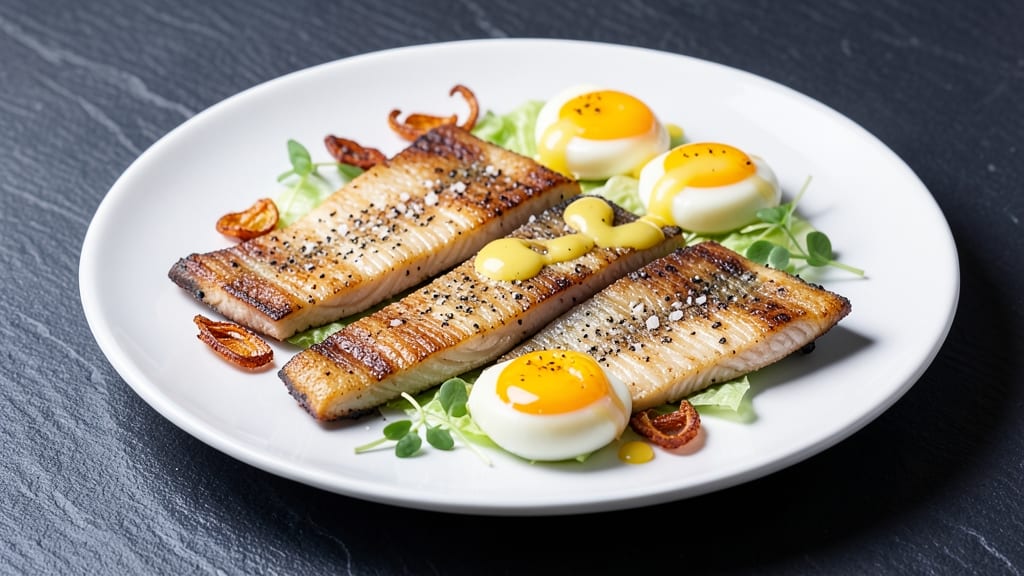
This walleye and eggs recipe transforms a delicate breakfast into a showstopping dish where crispy fried walleye meets perfectly poached eggs in fluffy custard beds.
The secret lies in achieving that golden, shatteringly crisp exterior on the fish while maintaining tender, buttery interiors—all balanced by silky eggs that soak up every savory note.
I developed this technique after years of perfecting the art of handling delicate fish fillets, ensuring each bite delivers both texture and flavor harmony.
The beauty of this dish is in its simplicity: fresh walleye fillets are lightly coated and fried to a crispy finish while eggs are poached just until their yolks remain runny, creating those coveted custardy pockets.
A squeeze of fresh lemon brightens the dish, cutting through the richness, while a sprinkle of fresh herbs adds a touch of elegance. This isn't just breakfast—it's a restaurant-worthy meal that feels special enough for brunch with guests.
What makes this recipe truly special is how the textures play together: the crispy fish contrasts perfectly with the soft, cloud-like egg whites and rich yolks. The walleye's natural sweetness shines through without overpowering the eggs, creating a balance that's both comforting and refined.
The result is a dish that feels indulgent yet light, perfect for weekend mornings or impressing dinner guests with a breakfast that doesn't feel like breakfast.
Pair this with a simple arugula salad or toasted sourdough to round out the meal. The crispy walleye holds up beautifully alongside these elements, making it a complete dish that's as satisfying as it is visually stunning. Here's how to bring this elegant combination to your table.
Ingredients for walleye eggs
Crispy walleye meets silky eggs—just eight ingredients transform simple breakfast into restaurant-worthy brilliance.
| Ingredient | Amount | Notes |
|---|---|---|
| Fresh Walleye Fillets 🐟 | 4 whole | Skin-on, 6-8 oz each, pounded even |
| Large Eggs 🥚 | 8 whole | Room temperature for perfect poaching |
| All-Purpose Flour 🌾 | ½ cup | For light dredging, sifted |
| Unsalted Butter 🧈 | ½ cup | Cold, cubed for frying |
| Vegetable Oil 🫒 | 1 cup | High smoke point for frying |
| Fresh Lemon Juice 🍋 | 2 tbsp | Brightens the dish, freshly squeezed |
| Fresh Chives 🌿 | ¼ cup | Finely chopped for garnish |
| Salt 🧂 | 1 ½ tsp | Diamond Crystal preferred |
| Ground Black Pepper 🌶️ | ½ tsp | Freshly ground for best flavor |
| White Vinegar 💧 | 1 tbsp | For poaching water |
| Water 💧 | 4 cups | Filtered for clear poaching |
The walleye fillets are the star, so source them fresh from a trusted seafood market—look for bright, firm fillets with minimal bruising. Whole Foods or local fishmongers often carry the freshest cuts, and their staff can guide you on the best day to purchase for peak flavor. Pound the fillets to an even thickness of about 1/4-inch to ensure even cooking and that signature crisp. The butter used for frying should be European-style, 82% fat content—it browns beautifully without burning, giving the fish that golden finish. If you can't find it, Plugrá or Kerrygold are excellent alternatives.
No fresh chives? Substitute with parsley or dill, though chives offer the brightest, most delicate flavor. Running out of white vinegar for the poaching water? Apple cider vinegar works equally well, though it may impart a slight fruity note. For the eggs, if you're concerned about overcooking, reduce the water temperature slightly to 180°F instead of boiling. The flour can be swapped for cornstarch at half the amount if you're avoiding gluten, though it won't crisp as dramatically. And if you're short on time, pre-cut lemon wedges from the grocery store suffice—just squeeze them fresh at the table for the best presentation.
Store the walleye fillets in an airtight container lined with parchment paper, covered with a thin layer of lemon juice, for up to 2 days in the fridge. The eggs should be used within 3 days of purchase for optimal poaching quality. Once fried, the walleye reheats beautifully in a 350°F oven for 8-10 minutes, though it's best served fresh. The poached eggs hold up for 2 hours at room temperature if covered, making this an ideal brunch dish to prepare ahead. For longer storage, freeze the fried fish in a single layer before transferring to a sealed bag for up to 1 month—thaw in the fridge overnight before reheating.
Why You'll Love This Recipe
- No-Fuss Fridges: I swear by this when I’m too tired to think. Just dredge the walleye in flour, fry it golden, then top with a runny egg—no fancy plating, just pure satisfaction. The butter pools around the fish like it’s begging to be eaten.
- Crispy-Creamy Magic: That first bite? The walleye stays tender while the egg custard goes just set—not too runny, not too firm. Honestly, it’s the kind of combo that makes you close your eyes and think, “This is why I cook.”
- Weeknight to Dinner Party: Between us, this recipe works for everything. Quick weeknight dinner? Done. Fancy enough for guests? Absolutely—just garnish with parsley and call it elegant. The walleye’s mild flavor lets the egg shine, so it’s foolproof for any crowd.
- Leftovers That Don’t Suck: Cold walleye eggs the next day? Still delicious. I’ll pack them in a container with a side of greens, and they’re lunch sorted. No sad, soggy takeout here—the fish holds up, and the egg stays rich. Budget-friendly too—walleye’s affordable, and eggs stretch a long way.
Step-by-step instructions for crispy fried walleye with fluffy egg custards
Master this technique and you'll achieve golden, shatteringly crisp fish paired with silky egg custards every time.
Prepare the Walleye for Frying
Pat each of the 4 whole fresh walleye fillets completely dry with paper towels, pressing firmly to remove all moisture. This critical step ensures maximum crispiness—wet skin prevents proper browning. Place the fillets on a wire rack set over a plate to allow air circulation on all sides.
Season both sides generously with 1.5 teaspoons salt and 0.5 teaspoon ground black pepper, pressing the seasoning into the flesh. Let the seasoned fillets rest at room temperature for 15 minutes while you prepare the frying station. The room temperature fish will cook more evenly, preventing cold spots that could lead to uneven crisping.
Create the Poaching Bath for Egg Custards
In a medium saucepan, combine 4 cups water and 1 tablespoon white vinegar. Bring to a gentle simmer over medium-low heat, then reduce to the lowest setting where you see just a few bubbles breaking the surface—this creates the perfect poaching environment. The vinegar helps coagulate the egg whites for cleaner custards.
Keep this poaching bath at a constant 160°F (use a candy thermometer for precision). If you don't have one, maintain the lowest possible simmer that doesn't cause vigorous boiling. The eggs will poach in this bath while the fish fries, allowing you to work simultaneously. Cover the pan loosely with a lid to maintain temperature.
Fry the Walleye to Golden Perfection
In a heavy skillet, melt 0.5 cup unsalted butter with 1 cup vegetable oil over medium heat until the butter foams subsides and the mixture reaches 350°F. Test with a thermometer—this precise temperature creates the perfect balance of crispy exterior and tender interior. Add the walleye fillets carefully, working in batches if needed to avoid crowding.
Fry for 3-4 minutes per side until the skin is deep golden brown and crispy, with just a few flakes of cooked flesh visible when tested with a fork. The fish should release easily from the pan when gently lifted with a spatula. Transfer to a paper towel-lined plate to drain excess oil while you prepare the egg custards.
Poach the Egg Custards
Crack each of the 8 whole large eggs into a small bowl, then gently whisk together with 2 tablespoons fresh lemon juice. The acidity from the lemon prevents the eggs from spreading too much during poaching. Using a small slotted spoon, carefully lower one egg at a time into the poaching bath, maintaining the 160°F temperature.
Poach for 3-4 minutes until the whites are set but the yolks remain runny. Remove with the slotted spoon and drain briefly on a wire rack. The custards should hold their shape when gently lifted. Keep them warm in a 200°F oven while you complete the remaining eggs.
Assemble and Garnish
Arrange two walleye fillets on each serving plate, skin-side up. Place two egg custards beside each fillet, then drizzle with any remaining pan juices from the fried fish. The contrast between the crispy skin and tender fish with silky custards creates the perfect texture combination.
Finish with 0.25 cup finely chopped fresh chives sprinkled evenly over each serving. The bright green color and mild onion flavor complement the rich fish and eggs beautifully. Serve immediately while the fish is still crispy and the custards are warm—this dish doesn't wait well for second servings.
Pro Tips For Making Walleye Eggs
- CRISP THE FLOUR FIRST: Pat the walleye fillets dry with paper towels—really dry—and then dredge them in flour twice, tapping off excess between coats. I learned this the hard way: skipping the second shake leaves a thin, uneven crust that falls apart when you flip. Trust me, the extra 10 seconds makes all the difference when frying.
- USE COLD BUTTER: Let the butter cool slightly after melting—just enough that it’s liquid but not smoking when it hits the pan. Too hot, and your eggs will scramble into a sad, greasy mess; too cold, and the walleye won’t brown. Aim for a butter temperature where it sizzles gently when a flour-dusted fillet touches it. Yes, even if you’re impatient like me.
- SKIP THE CROWDING: Fry the walleye in batches of two max—any more, and the oil temperature drops faster than your motivation. Overcrowding steams the fish instead of searing it, leaving you with a soggy center and a crust that’s more sad than crisp. A 3-inch gap between fillets is your friend here. (Your future self will thank you.)
- SALT THE EGGS LAST: Hold off on seasoning the eggs until after they’re cooked—just a pinch of salt and a crack of black pepper right before serving. Over-salting them early turns the yolks rubbery, and that’s a flavor crime I’ve committed more times than I’d like to admit. Taste one first, then decide if the rest need it. (They usually do.)
Flavor customization for walleye eggs
Citrus Brightness
Add 1 tablespoon of freshly grated orange zest to the flour mixture before dredging the walleye. The citrus oils infuse the crust with a subtle floral note that pairs beautifully with the fish's natural sweetness.
I find this works especially well with navel oranges—their balance of sweet and tart enhances the dish without overpowering. 🍊
Herb Infusions
Swap the chives for 2 tablespoons of finely chopped dill or tarragon when garnishing. Dill adds a fresh, slightly salty brightness that complements the crispy fish, while tarragon brings an anise-like depth that elevates the dish to fine-dining territory.
For a more rustic touch, try thyme sprigs—lightly crush them between your fingers before sprinkling to release their aromatic oils.
Spicy Kick
For those who love heat, add ½ teaspoon of smoked paprika to the flour mixture or sprinkle crushed red pepper flakes over the fried fish before serving. The smokiness of the paprika enhances the walleye's natural richness, while the flakes add a sharp contrast.
I recommend Penzeys' Smoked Paprika—its deep, earthy flavor is unmatched. 🌶️
Umami Depth
Boost the dish's savory profile by adding 1 teaspoon of fish sauce to the poaching water for the eggs. The umami punch enhances the custards' richness without altering their delicate texture.
Alternatively, stir 1 tablespoon of soy sauce into the pan juices before drizzling over the finished dish—it adds a subtle saltiness that ties everything together. For a vegetarian-friendly option, use ½ teaspoon of mushroom powder in the flour.
Sweet Contrast
Finish the dish with a drizzle of honey or maple syrup to balance the richness. I like using local raw honey—its floral notes complement the walleye beautifully.
For a more elegant touch, add a few drops of truffle oil alongside the honey—it adds an earthy luxury that guests will rave about. 🍯
Smoky Char
For a smoky twist, lightly char the walleye fillets over an open flame or under a broiler for 30 seconds per side before frying. This adds a subtle campfire aroma that pairs perfectly with the crispy crust.
If you don't have a broiler, use a cast-iron skillet and sear the fillets over high heat for 1 minute per side before reducing to medium for frying. The residual char adds depth that takes the dish to the next level.
Nutrition facts
Frequently asked questions
Can I use frozen walleye fillets instead of fresh?
Fresh walleye yields the best texture, but you can use frozen fillets if thawed properly. Place them in a sealed bag and submerge in cold water for 30-45 minutes—never thaw at room temperature. Pat completely dry before seasoning, as any moisture will prevent crispiness.
How do I know when the walleye is cooked perfectly?
The fish is ready when the skin is deep golden brown and crispy, while the flesh flakes easily with a fork but remains tender. It should release cleanly from the pan with minimal sticking. Overcooking makes walleye dry—aim for 3-4 minutes per side at 350°F.
What if my poached eggs turn out too rubbery?
Rubbery eggs usually mean the water was too hot or the eggs overcooked. Keep your poaching bath at a constant 160°F (gentle simmer) and time them precisely—3-4 minutes for runny yolks. Adding 1 tablespoon white vinegar to the water also helps maintain silky texture.
Can I make this dish ahead of time?
Fry the walleye just before serving to maintain crispiness, but you can prepare components ahead. Poach the eggs up to 2 hours ahead and store in ice water to keep them cool. Reheat fried fish in a 350°F oven for 8-10 minutes before serving. The eggs reheat best in a 200°F oven for 5 minutes wrapped in foil.
What's the best way to store leftover walleye?
Store fried walleye in an airtight container with parchment paper between layers for up to 2 days. For longer storage, freeze in a single layer before transferring to a sealed bag for 1 month. Thaw overnight in the fridge—never microwave. Reheat gently in a pan with butter to restore crispiness.