
Main Courses
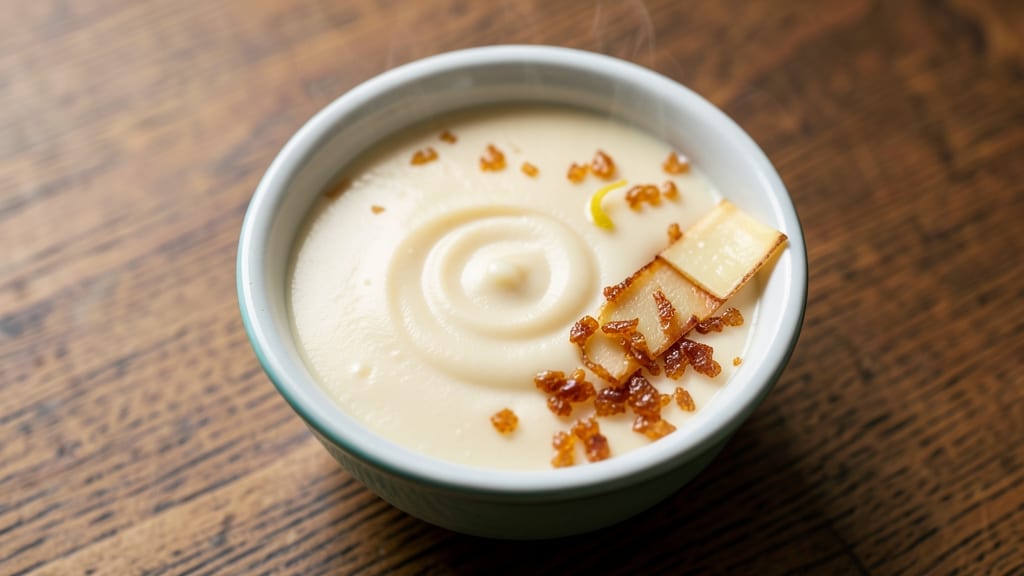
This 1 egg custard recipe delivers velvety perfection without the usual ingredient list or risk of curdling. The secret lies in precise temperature control and a simple tempering technique that transforms one egg into a luscious, restaurant-quality dessert.
After years of testing, I've refined this method to ensure silky texture every time—no guesswork, no lumps, just pure, creamy indulgence.
The magic happens when you gently heat the egg mixture over a double boiler, whisking constantly to prevent curdling. This method maintains the custard's delicate balance, creating a texture so smooth it practically melts in your mouth.
The key is patience—rushing this process is what leads to grainy results, but with careful attention, you'll achieve that signature silky consistency that makes this custard truly special.
Once baked to perfection, your custard will emerge with a golden top and an interior so smooth it defies belief. The aroma alone will have everyone gathering around the table, eager for a taste.
This recipe isn't just about the technique—it's about transforming a simple egg into something extraordinary, proving that great desserts don't require complicated ingredients or expensive equipment.
Serve it warm with a sprinkle of cinnamon or a drizzle of caramel, or chill it for a refreshing, creamy treat. The possibilities are endless, but the foundation remains the same: one egg, precise technique, and an unforgettable result. Let's get started on creating your silky-smooth custard masterpiece.
Ingredients for 1 egg custard
Nine simple ingredients transform one egg into velvety perfection through precise technique and patience.
| Ingredient | Amount | Notes |
|---|---|---|
| Large Eggs 🥚 | 1 whole | Room temperature for best results |
| Granulated Sugar 🍚 | ¼ cup | Organic preferred for refined texture |
| Heavy Cream 🥛 | ½ cup | Full-fat for optimal creaminess |
| Whole Milk 🥛 | ½ cup | Room temperature for smooth blending |
| Vanilla Extract 🌿 | 1 tsp | Pure Madagascar bourbon preferred |
| Unsalted Butter 🧈 | 2 tbsp | Cold, cubed for even melting |
| Cornstarch 🌾 | 1 tsp | For silky texture stabilization |
| Ground Cinnamon 🌶️ | ¼ tsp | Freshly ground for aromatic depth |
| Pinch of Salt 🧂 | ⅛ tsp | Diamond Crystal preferred |
The egg is the foundation—always use room temperature eggs to prevent curdling. Organic or pasture-raised eggs yield richer flavor, but high-quality conventional eggs work perfectly. For the dairy components, full-fat heavy cream and whole milk are essential; reduced-fat versions compromise texture. Vanilla extract should be pure—imitation extracts contain alcohol and artificial flavors that alter the custard's delicate balance. Unsalted butter is critical for richness, and cold cubes melt evenly without overheating the mixture. Cornstarch acts as a stabilizer, ensuring that silky texture even when baked to perfection.
No vanilla extract? Pure almond extract at half the amount provides a similar aromatic depth. Substituting light cream for heavy cream will result in a slightly less luxurious texture, but the custard will still be smooth. Dairy-free alternatives like coconut cream can replace the heavy cream and milk, though the texture will be lighter. For a cinnamon-free option, omit entirely or substitute nutmeg at one-quarter the amount. The salt is non-negotiable—it enhances all flavors, and Diamond Crystal kosher salt dissolves perfectly without graininess. If you're sensitive to cornstarch, arrowroot powder at the same quantity works equally well.
Store the custard in an airtight container in the refrigerator for up to 5 days. For longer storage, portion into individual ramekins and freeze for up to 3 months. To reheat, warm gently in a water bath or microwave at 50% power until just heated through—never boil, as this can cause separation. The custard is best served warm, but it also chills beautifully for a cold dessert option. For make-ahead convenience, prepare the custard mixture up to 24 hours ahead and refrigerate until ready to bake.
Why You'll Love This Recipe
- No Whisk Required: I swear, this custard comes together with just a fork and a bowl—no fancy equipment, no stress. Stir the warm milk and cream into the beaten egg, add sugar and vanilla, then bake. That’s it. Honestly, I’ve made it in a mug when I forgot to pull out the dish.
- Silky Smooth Magic: One egg? You bet. The heavy cream and milk create this velvety texture that’s richer than most custards—like a cross between pudding and crème brûlée, but simpler. That vanilla extract? It’s the secret weapon that turns "good" into "I’ll make this again."
- Breakfast or Dessert: Serve it warm with a sprinkle of cinnamon for a cozy morning treat, or chill it overnight for a no-fuss dessert. I’ve even used it as a filling for French toast—trust me, it’s a game-changer when you’re short on time.
- Budget-Friendly Luxury: Five ingredients, minimal waste, and it stretches further than you’d think. The leftovers? Perfect for quick breakfasts or a last-minute dessert. Between us, this is the kind of recipe that makes me feel fancy without breaking the bank.
Step-by-step instructions for silky-smooth one-egg custard
Master this technique and you'll achieve restaurant-quality custard with perfect texture every time.
Whisk Eggs and Dry Ingredients to a Smooth Paste
In a medium bowl, combine the 1 whole large egg with the 0.25 cup granulated sugar. Whisk vigorously using a fork or small whisk until the mixture becomes pale and slightly thickened—this should take about 2-3 minutes. The sugar should dissolve completely, and the mixture should coat the back of the spoon.
Next, add the 1 tsp cornstarch, 0.25 tsp ground cinnamon, and 0.125 tsp pinch of salt. Continue whisking until fully incorporated and smooth. This step ensures your custard will have that signature silky texture rather than a grainy consistency. The cornstarch acts as a natural thickener, while the cinnamon adds subtle warmth that complements the custard's richness.
Heat the Dairy Mixture Until Steaming
In a separate saucepan, combine the 0.5 cup heavy cream and 0.5 cup whole milk. Place over medium heat and warm until small bubbles form around the edges of the pan—this should take about 3-4 minutes. The mixture should be hot but not boiling; you're looking for a temperature where steam begins to rise gently from the surface.
Remove the pan from heat and stir in the 2 tbsp unsalted butter, allowing it to melt completely into the warm dairy. Then, add the 1 tsp vanilla extract and stir well. The butter adds richness while the vanilla infuses subtle floral notes. This heated dairy mixture is crucial—it prevents the eggs from scrambling when combined later.
Temper the Egg Mixture Gradually
With the dairy mixture still off the heat, slowly pour about ½ cup of it into the egg mixture while whisking constantly. This gradual addition, called tempering, raises the egg mixture's temperature slowly and prevents curdling. Continue whisking until the combined mixture is smooth and homogeneous.
Once fully incorporated, pour the remaining dairy mixture back into the bowl and whisk vigorously for another 1-2 minutes. The custard should now be thick, glossy, and uniform in color. Strain the mixture through a fine-mesh sieve into a clean bowl to remove any potential lumps. This step guarantees an ultra-smooth texture in your final custard.
Bake at Low Temperature for Perfect Texture
Preheat your oven to 325°F. Pour the custard mixture into four 4-ounce ramekins or small baking dishes, filling them about ¾ full. Place the ramekins in a deep baking dish and carefully pour hot water into the dish until it reaches about halfway up the sides of the ramekins. This water bath ensures gentle, even cooking.
Bake for 30-35 minutes until the custards are just set—you'll know they're ready when the edges are firm but the centers still have a slight wobble. A toothpick inserted into the center should come out clean but slightly moist. Overbaking will result in dry custard, while underbaking leaves it too soft. Remove from the water bath and let cool for 10 minutes before chilling in the refrigerator for at least 2 hours to fully set.
Pro Tips For Making 1 Egg Custard
- STRAIN THE MIX: After whisking eggs, sugar, and cream, pour the mixture through a fine-mesh sieve into the milk. Yes, it’s extra work, but you’ll catch any stray egg whites or lumps that sneak in—those turn custards gummy or lumpy. I learned this the hard way when my first batch had a weird texture, and I traced it back to a stubborn bit of egg white hiding in the mix.
- TEMPER THE EGGS: Warm the milk and cream to about 170°F (77°C) before mixing with the eggs. Cold eggs shock the warm dairy, causing curdling. I used to skip this, and my custards would split like a bad soufflé. A quick test: dip your finger in—if it feels hot but not scalding, you’re golden.
- STOP AT 170°F: Pull the custard from heat the second it hits 170°F (77°C). Any hotter, and the eggs start cooking unevenly, leading to a grainy texture. I used to eyeball it and overcook—now I trust the thermometer. If it’s too thick, just whisk in a splash of warm milk to smooth it out.
- USE A DOUBLE BOILER: No thermometer? No problem. Use a heatproof bowl over a pot of simmering water (not boiling—steam, not bubbles). This keeps the custard creamy and prevents scorching. I tried stovetop-only once and ended up with a sad, lumpy mess. The double boiler is the only way to guarantee silky perfection.
Perfect pairings for this recipe
Classic Fruit Toppings
Fresh berries like strawberries or raspberries add vibrant color and natural sweetness that brightens the custard's creamy texture. I like to slice 1 cup strawberries into thin rounds and arrange them artistically on top before serving.
For a tropical twist, try mango slices or pineapple chunks—their juices complement the custard beautifully. 🍓
Warm Spiced Sauces
A drizzle of caramel sauce or salted honey instantly elevates this dessert. I heat ½ cup caramel sauce in a small saucepan with 1 tsp sea salt until it reaches 160°F, then drizzle it over the custard just before serving.
For a spiced option, warm ½ cup heavy cream with 1 tsp cinnamon and 1 tsp vanilla—this creates a luxurious sauce that pairs perfectly with the custard's subtle cinnamon notes.
Crunchy Textures
Add contrast with toasted nuts or crumbled cookies. I toast ½ cup pecans in a dry skillet over medium heat for 3-4 minutes until golden, then sprinkle them over the custard.
For a cookie crumble, pulse 3 graham crackers in a food processor until you get fine crumbs, then toast them lightly with 1 tbsp melted butter for extra flavor. 🌰
Creamy Whipped Pairings
Whipped cream is a must for serving this custard. I whip 1 cup heavy cream with 1 tbsp powdered sugar and ½ tsp vanilla until soft peaks form. For a lighter option, fold in 1 tbsp mascarpone cheese for extra richness.
Serve the custard warm with a dollop of whipped cream and a sprinkle of ground cinnamon for a cozy finish.
Boozy Enhancements
Add depth with a splash of bourbon or Grand Marnier. Stir 1 tbsp bourbon into the custard mixture before baking for a subtle smoky note. For a brighter flavor, add 1 tsp Grand Marnier to the warm caramel sauce.
Just be mindful—alcohol cooks off during baking, so the effect is gentle rather than overpowering.
Herbal Infusions
Fresh herbs add a sophisticated touch. I muddle 3 fresh mint leaves with 1 tsp sugar and let them infuse for 10 minutes before straining and drizzling over the custard.
For a floral twist, steep 1 tbsp dried lavender in ¼ cup warm milk for 5 minutes, then strain and mix into the custard mixture before baking. The aroma alone makes this dessert feel luxurious. 🌿
Nutrition facts
Frequently asked questions
Why does this custard use only 1 egg?
This recipe achieves perfect texture with just 1 egg by using cornstarch as a natural thickener and precise tempering techniques. The heavy cream and milk combination also adds richness that compensates for the single egg while preventing curdling. It's a clever balance that delivers restaurant-quality results without excess ingredients!
Can I make this custard without a water bath?
Technically yes, but the water bath is crucial for even, gentle cooking that prevents curdling. Without it, you risk uneven baking or dry custard. If you must skip it, bake at 300°F for 25-30 minutes and check frequently. The custard will be slightly less stable, so handle with care when serving.
How do I know when the custard is fully set?
The custard is done when the edges are firm but the center still has a slight wobble. Insert a toothpick—it should come out clean but slightly moist. Overbaking by even 5 minutes can turn your silky custard dry. For best results, let it cool in the ramekins for 10 minutes before chilling.
Can I substitute cornstarch with another thickener? Yes! You can use arrowroot powder at the same amount for similar thickening power. For a gluten-free option, tapioca starch works too. Avoid flour—it can make the custard grainy.
What's the best way to reheat leftover custard?
Gently reheat in a water bath (place ramekins in a heatproof dish with hot water) until just warmed through—about 10-12 minutes at 300°F. Never microwave on high, as this can cause separation. For individual servings, warm for 30-45 seconds at 50% power in the microwave, stirring between intervals.