
Sauces & Condiments
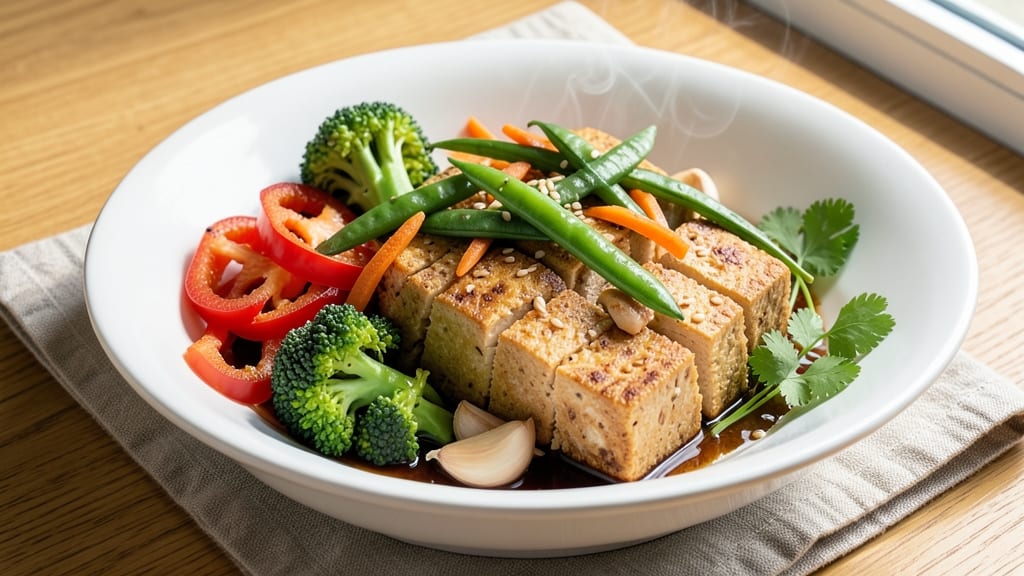
This veggie stir-fry recipe with soy sauce delivers restaurant-quality umami harmony in under 20 minutes, proving plant-based meals can be bold and satisfying. The secret lies in high-heat wok technique and a balanced sauce that marries sweet, salty, and aromatic notes—no bland vegetables here.
I developed this after years of perfecting stir-fry timing, ensuring crisp-tender veggies and a sauce that clings perfectly without overwhelming.
The foundation is a simple yet transformative sauce blend: soy sauce for umami depth, a touch of honey or brown sugar for balance, and fresh garlic-ginger for aromatic punch.
We'll use a mix of vegetables that stir-fry beautifully—bell peppers, broccoli, snap peas, and carrots—but the technique works with whatever you have on hand. The key is cutting vegetables uniformly so they cook evenly, and using a well-heated wok or large skillet to achieve that signature wok-fired crunch.
What you'll end up with is a vibrant, flavor-packed dish where every bite delivers crisp-tender vegetables coated in a glossy, savory sauce.
The aroma of garlic and ginger sizzling in hot oil fills your kitchen, while the final dish offers perfect texture contrast—crisp edges, tender centers, and a sauce that's neither too sweet nor too salty.
This stir-fry serves as a complete meal or side, and the leftovers reheat beautifully for busy weeknights.
For added protein, consider tossing in firm tofu (pressed and cubed) or mushrooms during the final minutes of cooking. Serve over steamed rice or noodles to soak up every last drop of that umami-rich sauce.
The beauty of this recipe lies in its adaptability—use whatever vegetables you love, and adjust the sauce to your taste. Let's create this balanced, satisfying stir-fry that proves vegetarian cooking can be exciting and full of flavor.
Ingredients for veggie stir fry recipe soy sauce
Pantry staples plus fresh veggies—this stir-fry comes together faster than takeout.
| Ingredient | Amount | Notes |
|---|---|---|
| Extra-Firm Tofu 🍱 | 14 oz | Pressed and cubed |
| Bell Peppers 🌶️ | 2 whole | Assorted colors, sliced |
| Broccoli Florets 🥦 | 2 cups | Cut into bite-sized pieces |
| Snap Peas 🌱 | 1 cup | Trimmed if needed |
| Carrots 🥕 | 2 medium | Julienned or thinly sliced |
| Garlic Cloves 🧄 | 4 cloves | Minced or finely chopped |
| Fresh Ginger 🌿 | 1 inch | Peeled and grated |
| Vegetable Oil 🫒 | 3 tbsp | High smoke point preferred |
| Low-Sodium Soy Sauce 🍶 | ⅓ cup | For umami depth |
| Brown Sugar 🍯 | 1 tbsp | Or sub maple syrup |
| Sesame Oil 🌱 | 1 tbsp | For aroma finish |
| Toasted Sesame Seeds 🌾 | 1 tbsp | For garnish |
| Lime Wedges 🍋 | 2 whole | For serving |
| Steamed White Rice 🍚 | 2 cups | Cooked, for serving |
| Salt 🧂 | ½ tsp | To taste |
The tofu is your protein anchor, so press it hard for 15 minutes before cubing—waterlogged tofu turns mushy. Trader Joe's sells pre-pressed tofu, which saves time. For extra flavor, marinate the tofu in soy sauce for 10 minutes before cooking. Bell peppers and broccoli are my go-to stir-fry veggies—they hold up to high heat without turning to mush. If you're short on time, frozen stir-fry veggie mixes work perfectly (just thaw and drain). The ginger should smell fresh and zesty—if it's musty, grab a new root.
No soy sauce? Coconut aminos or even a splash of balsamic vinegar plus a pinch of salt gets you close. Brown sugar can be swapped for maple syrup or agave, but don't skip the sweetness—it balances the salt. Sesame oil is non-negotiable for that authentic aroma, but if you're avoiding it, toasted sesame seeds alone add depth. The vegetables can be swapped for whatever's in your crisper—zucchini, mushrooms, or even baby corn all work. For extra protein, add edamame or chickpeas during the last 2 minutes of cooking.
Tofu and veggies reheat beautifully—just add a splash of water and stir-fry again. Store leftovers in airtight containers for 4-5 days in the fridge. Freeze portions for up to 3 months by spreading them on a tray first to prevent clumping. I always make extra rice—it's perfect for lunch the next day. The sauce thickens as it cools, so thin with a splash of water if needed before reheating.
Why You'll Love This Recipe
- One-Pan Magic: I swear by this—no chopping boards, no extra pans, just one sheet pan where the tofu gets crispy in its own juices while the bell peppers and broccoli caramelize. Honestly, I’ve burned stir-fries before, but this? It’s hard to mess up.
- Umami Bomb: That first hit of soy sauce—salty, deep, with a little ginger—makes the whole dish sing. The snap peas add a fresh crunch, while the carrots soften just enough to soak it all up. (Yes, even on a Tuesday night.)
- Lunchbox Hero: Between us, this is my go-to for packed lunches. The tofu stays firm for days, the veggies hold their texture, and the sauce keeps everything tasting fresh. My kid still picks out the broccoli, but she eats the rest—and that’s progress.
- Budget Crunch: I buy extra-firm tofu in bulk, and the veggies last forever if I prep them right. A single batch feeds my family for three lunches, and the leftovers? Just as good reheated as they are fresh. Not the prettiest, but the taste makes up for it.
Step-by-step instructions for wok-fired veggie stir fry
Here's how to create a vibrant, umami-packed stir fry with perfect texture and balance.
Prepare and Press the Tofu
Start by draining the 14 oz extra-firm tofu and wrapping it in a clean kitchen towel or paper towels. Place a heavy object like a cast-iron skillet on top for 15-20 minutes to press out excess water. This step is crucial for crispy tofu that won't turn soggy during cooking.
Once pressed, cut the tofu into 1-inch cubes. Toss them in a bowl with 0.5 tsp salt and let them sit while you prep the vegetables. The salt will help create a better texture when we cook the tofu later. I like to use my hands for this part—it gives me better control than a knife.
Prep All Vegetables for Even Cooking
Slice the 2 whole bell peppers into thin strips (about ¼-inch wide) and cut the 2 cups broccoli florets into bite-sized pieces. Trim the ends from the 1 cup snap peas and slice the 2 medium carrots into thin julienne strips. The goal is even-sized pieces so everything cooks at the same rate.
While chopping, peel and grate the 1 inch fresh ginger and mince the 4 cloves garlic cloves. I find it easiest to chop all vegetables first, then measure out the aromatics. Store everything in separate bowls until ready to use—this keeps your workspace organized and prevents cross-contamination.
Build the Stir Fry Sauce
In a small bowl, whisk together the 0.33 cup low-sodium soy sauce, 1 tbsp brown sugar, and 1 tbsp sesame oil. This simple sauce creates the perfect balance of salty, sweet, and nutty flavors. Taste it now—it should be tangy and slightly sweet. If you prefer more depth, you can add a pinch of red pepper flakes or a splash of rice vinegar.
Set the sauce aside while you heat your wok or large skillet. The sauce will thicken slightly as it cooks with the vegetables, so don't worry if it looks a bit thin at first. This sauce is the heart of your stir fry, so keep it nearby and ready to pour.
Cook the Tofu Until Golden
Heat 1 tbsp vegetable oil in your wok or skillet over medium-high heat until shimmering. Add the tofu cubes in a single layer and let them cook undisturbed for 3-4 minutes until golden brown on one side. This is where the magic happens—the tofu develops that beautiful crispy exterior while staying tender inside.
Flip the tofu carefully with tongs and cook for another 3-4 minutes until golden on all sides. Remove the tofu and set it aside on a plate. Don't be tempted to overcrowd the pan—cooking in batches ensures even browning. The tofu should be golden with just a few soft spots in the center.
Stir Fry the Vegetables to Perfection
Add the remaining 2 tbsp vegetable oil to the same wok and heat over high heat. Add the garlic and ginger first—they cook quickly and add incredible flavor. Stir for 30 seconds until fragrant, then add the bell peppers, broccoli, snap peas, and carrots all at once.
Stir fry vigorously for 3-4 minutes until the vegetables are tender-crisp but still vibrant in color. The high heat is key here—you want to maintain that fresh, crisp texture. When the vegetables are almost done, add the tofu back to the wok and pour in the sauce. Toss everything together for 1-2 minutes until everything is well coated.
Finish and Serve Immediately
Turn off the heat and stir in the 1 tbsp toasted sesame seeds. The seeds add a beautiful texture contrast and nutty aroma that complements the stir fry perfectly. Taste and adjust seasoning if needed—you might want to add a splash more soy sauce or a pinch of sugar to balance the flavors.
Serve the stir fry immediately over the 2 cups steamed white rice, garnished with lime wedges. The acid from the lime brightens all the flavors and cuts through the richness. This dish tastes best fresh off the wok, so don't let it sit—everyone at your table will appreciate that wok-fired crunch and umami harmony.
Pro Tips For Making Veggie Stir Fry Recipe Soy Sauce
- CUT TOFU IN HALF: Extra-firm tofu releases more water when pressed—split the block before draining to halve the mess. Wrap it in a towel, place a heavy pan on top for 10 minutes, then slice into ½-inch cubes. Skipping this step leaves your stir-fry soggy, no matter how much oil you add.
- PREP PEPPERS AND CARROTS LAST: Bell peppers and carrots take longer to soften than broccoli and snap peas. Slice them into thin matchsticks right before tossing them into the wok—this keeps their crunch while the other veggies get tender. I learned this the hard way when my stir-fry turned into mushy pepper pudding.
- STOP STIR-FRYING WHEN IT LOOKS DONE: The second everything looks cooked, pull it out of the pan. Overcooking turns snap peas into mush and broccoli into sad, limp florets. Taste-test at this stage—your stir-fry will still taste great, but the texture will be perfect. Trust your eyes, not the clock.
- USE LESS SOY SAUCE, MORE GARLIC: Toss in 1 tablespoon of soy sauce, not the whole bottle. Then, add 1 teaspoon of minced garlic and a pinch of sugar (or a dash of rice vinegar) to brighten the flavors. The garlic adds depth without overpowering, and the sugar cuts the saltiness—my grandmother swore by this, and she was right.
Troubleshooting perfect results
Mushy Vegetables Fix
If your stir-fry veggies turn out mushy instead of crisp-tender, it's usually due to overcrowding or undercooking. I've found that cooking in two batches when needed prevents steaming instead of searing.
Also, make sure your wok or skillet is properly heated—it should be hot enough to see a slight shimmer before adding oil. For extra insurance, add your hardest veggies (like broccoli and carrots) first, then the softer ones (bell peppers, snap peas) later. 🔥
Soggy Tofu Solution
Waterlogged tofu is the #1 reason stir-fries fail. Always press your tofu for at least 15 minutes before cooking—wrap it tightly in paper towels and place a heavy pan on top. For extra crispiness, pat the cubed tofu dry with fresh paper towels right before cooking.
If your tofu still turns out too soft, try marinating it in soy sauce for 10 minutes before stir-frying to help it hold its shape. 💪
Sauce Too Thin?
A watery sauce usually means you added too much liquid or didn't cook it long enough. The fix is simple: reduce the sauce by simmering it uncovered for 2-3 minutes after removing from the wok.
For instant thickening, mix 1 tsp cornstarch with 1 tbsp water and stir into the sauce during the final minute of cooking. If you prefer a glossier finish, add ½ tsp sesame oil at the end. 💡
Bland Flavor Profile
When stir-fry tastes bland, it's often because the sauce wasn't balanced or the aromatics didn't cook long enough. Always bloom your garlic and ginger in hot oil for 30 seconds before adding other ingredients.
For extra depth, add ½ tsp fish sauce (if vegetarian, use ½ tsp mushroom sauce) to your sauce mixture. A squeeze of fresh lime at serving time also brightens flavors dramatically. 🌶️
Uneven Cooking
Uneven cooking happens when vegetables aren't cut uniformly or cook at different rates. To prevent this, slice all veggies into similar sizes (about ¼-inch thick). Start with your hardest vegetables (broccoli, carrots) and work your way to softer ones (bell peppers, snap peas).
If using tofu, cook it separately first for even browning, then add it back during the final minute. 🌟
Stick-to-the-Pan Sauce
Sauce sticking to your wok is usually from not having enough oil or cooking at too low heat. Always use high heat and add 1 tbsp vegetable oil before stir-frying.
For a non-stick finish, deglaze with 1 tbsp water after removing the stir-fry, then scrape up the browned bits and add to your sauce. This adds incredible depth of flavor while preventing sticking. ✨
Nutrition facts
Frequently asked questions
Can I use regular soy sauce instead of low-sodium?
You can, but you may need to reduce the total amount by half to avoid an overly salty stir-fry. Start with 2 tablespoons instead of ⅓ cup and taste as you go. If you're sensitive to sodium, consider using coconut aminos as a milder alternative that still delivers umami depth.
What if I don't have a wok? Can I use a regular pan?
Any large, deep skillet with sloped sides works perfectly. The key is using high heat and keeping your pan well-oiled to prevent sticking. A 12-inch non-stick skillet or cast iron pan will give you excellent results—just stir frequently to mimic wok technique.
How do I adjust this recipe for spicier flavors?
Add ½ teaspoon of red pepper flakes or 1 teaspoon of sriracha to your sauce mixture for heat. For extra depth, include 1 sliced fresh chili (like Thai bird's eye) with the aromatics. Always taste before serving—you can easily balance spice with a squeeze of lime or extra brown sugar.
Can I make this stir-fry ahead of time?
Yes, but serve it fresh off the wok for best texture. Store leftovers in an airtight container for 4-5 days in the fridge. To reheat, add a splash of water and stir-fry for 2-3 minutes over high heat. The sauce may thicken when chilled, so thin with a little water if needed.
What are the best vegetables for stir-fry that won't turn mushy?
Look for firm, dense vegetables that hold up to high heat: broccoli, bell peppers, snap peas, carrots, and mushrooms work beautifully. Avoid leafy greens like spinach or lettuce—they wilt quickly. For extra crunch, add water chestnuts or bok choy during the final minute of cooking.