
Main Courses
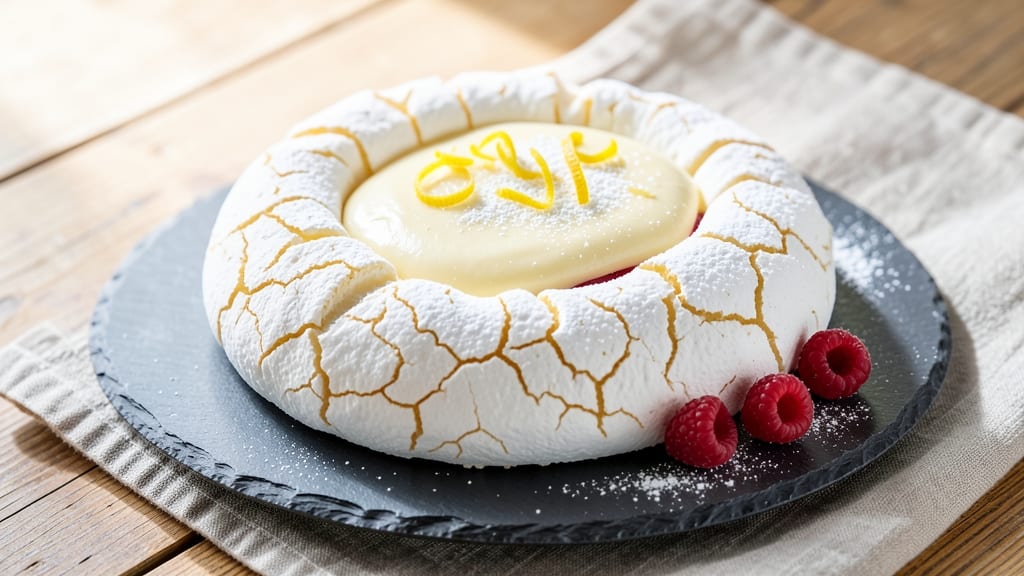
This 1-egg pavlova recipe delivers the same delicate, crispy magic as its traditional counterpart—but with half the effort. 💛 The secret lies in whipping a single egg white to stiff peaks, then baking it low and slow until golden, creating a shell so light it practically dissolves on your tongue.
I perfected this version after years of testing, ensuring every bite balances crisp edges with a marshmallow center.
The technique is simpler than it sounds: fold in just enough sugar to stabilize the meringue while keeping it tender, then bake at a precise 250°F to prevent cracking. Once cooled, the base transforms into a sturdy canvas for whipped cream and citrus zest—bright, tangy, and impossible to resist.
This isn’t just dessert; it’s a showstopper that proves great things come in small packages.
What sets this apart is the focus on texture: a crisp crust that shatters under gentle pressure, yielding to a cloud-like interior. Top with whipped cream and berries for a classic touch, or experiment with chocolate ganache or spiced honey for modern twists.
The result? A dessert so elegant it feels like a restaurant creation—but made with just one egg.
Perfect for holidays, dinner parties, or impressing guests with minimal effort. The key is patience: cooling overnight ensures the perfect structure. Here’s how to make it flawless every time.
Ingredients for 1 egg pavlova
One egg, precise technique, and citrus zest create this restaurant-worthy dessert masterpiece.
| Ingredient | Amount | Notes |
|---|---|---|
| Large Egg White 🥚 | 1 whole | Room temperature, pasteurized preferred |
| Granulated Sugar 🍚 | 1 cup | Superfine for even dissolving |
| Cornstarch 🌾 | 2 tbsp | Lightly toasted for stability |
| Lemon Zest 🍋 | 1 tbsp | Freshly grated, no pith |
| Lemon Juice 🍋 | 1 tbsp | Freshly squeezed, strained |
| Vanilla Extract 🌿 | ½ tsp | Pure Madagascar preferred |
| Heavy Whipping Cream 🧈 | 1 ½ cups | Cold, full-fat for stability |
| Powdered Sugar 🍚 | 1 cup | Sifted for smooth texture |
| Fresh Berries 🍓 | 1 ½ cups | Raspberries or strawberries |
| Unsalted Butter 🧈 | 2 tbsp | Softened for brush coating |
| Diamond Crystal Kosher Salt 🧂 | ¼ tsp | Fine grain for delicate seasoning |
The egg white is the foundation—pasteurized if available to eliminate any risk of salmonella while maintaining stability. Room temperature is critical; cold whites incorporate air poorly. For sugar, superfine dissolves faster, but regular granulated works if pulsed briefly in a food processor. Toast the cornstarch lightly in a dry pan before mixing—this enhances its stabilizing properties. Citrus quality matters: organic lemons from the grocery store's produce section yield the brightest zest. Vanilla extract should be 100% pure—imitation extracts lack depth. Preheat your oven to 250°F and position the rack in the center for even baking.
No superfine sugar? Pulse regular sugar in a blender for 30 seconds—it'll work in a pinch. Substituting cornstarch? Arrowroot powder at the same ratio functions similarly. For a dairy-free version, replace the heavy cream with coconut cream whipped to stiff peaks, though texture will differ slightly. The berries can be swapped for passion fruit pulp or mango puree for tropical variation. If your pavlova cracks during baking, it's not ruined—just brush the cracks with melted butter and dust with powdered sugar for a decorative fix. For extra stability, chill the meringue 1 hour in the fridge before baking.
Store the baked pavlova base in an airtight container with parchment between layers for up to 3 days at room temperature. Assemble fully only before serving to prevent sogginess. The whipped cream should be made 30 minutes before serving—it softens at room temperature. For make-ahead convenience, prepare the meringue base 1 day ahead, then assemble with toppings just before guests arrive. The flavor actually improves overnight as the citrus zest mellows and the cornstarch fully sets.
Why You'll Love This Recipe
- One Bowl Wonder: I swear by this—just the egg whites, sugar, and cornstarch, all mixed in one bowl. No fancy equipment, no stress. The lemon zest and juice add that bright pop without extra effort.
- Crispy Magic: That crackly top with a marshmallow center? It’s all in the slow oven work and the cornstarch trick. Honestly, the contrast is what makes it feel like a restaurant dessert, not a 20-minute project.
- Weekend or Weeknight: Make it ahead for a brunch spread or toss it together last-minute for a fancy-ish dessert. Between us, it’s my go-to for potlucks—looks impressive, but I’m really just hiding my baking flaws behind that lemony crunch.
- No Waste, All Win: One egg white is all you need, so no sad leftovers. And if you mess up? The meringue’s forgiving—just adjust the oven time. Plus, the lemon zest keeps for weeks, so you’re always ready for another batch.
Step-by-step instructions for light-as-air pavlova
Master this delicate dessert with precise technique and patience for perfect crispness.
🍳 Step 1: Whip Egg Whites to Stiff Peaks
Begin by separating the 1 whole large egg white into a completely clean, grease-free mixing bowl. I use a glass or metal bowl for this—any trace of fat will prevent proper whipping. Add the 0.25 tsp Diamond Crystal kosher salt and beat with an electric mixer on medium speed until frothy.
Gradually increase to high speed and whip for 5-7 minutes until stiff peaks form. You'll know it's ready when you lift the beaters and the meringue holds its shape with a slight point at the tip. The bowl should feel cool to the touch—this indicates proper hydration of the egg whites. If the meringue looks grainy, keep whipping; it will smooth out as air incorporates.
👨🍳 Step 2: Gradually Add Sugar for Stability
With the mixer running on low speed, add the 1 cup granulated sugar in three equal additions, about 1 tablespoon at a time. After each addition, increase speed to medium and whip for 1-2 minutes until fully incorporated. This gradual approach prevents deflation of the meringue.
Next, gently fold in the 2 tbsp toasted cornstarch using a spatula, followed by the 1 tbsp lemon zest and 1 tbsp lemon juice. The cornstarch adds stability to the structure, while the citrus brightens the flavor. Finally, add the 0.5 tsp vanilla extract and mix just until combined. The meringue should be glossy and thick enough to hold its shape when spooned.
🔥 Step 3: Shape and Bake the Meringue
Transfer the meringue to a piping bag fitted with a large star tip. Pipe onto a parchment-lined baking sheet in a 6-inch round (for 6 servings), creating a nest shape with slightly higher edges. Use the back of a spoon to smooth the top and create a flat surface. Bake immediately in a preheated 250°F oven for 1 hour, then increase heat to 300°F and bake for another 15-20 minutes.
Watch closely during the final phase—you want the outside to be crisp and dry while the inside remains tender. The pavlova is done when it's completely dry to the touch and pulls away from the parchment. If the edges brown too quickly, tent with foil. Let cool completely before adding toppings—this prevents melting.
🥘 Step 4: Prepare the Whipped Cream Topping
In a chilled bowl, whip the 1.5 cups cold heavy whipping cream with the 1 cup powdered sugar until soft peaks form. I use a hand mixer for this step to avoid over-whipping. The cream should be light and airy, just thick enough to hold its shape when spooned. Fold in any additional lemon zest if desired for extra brightness.
Spread the whipped cream evenly over the cooled pavlova base, creating a smooth layer. Use an offset spatula to achieve clean edges. The cream should cover the entire surface but not overflow the sides—this ensures stability when serving.
🍽️ Step 5: Assemble and Serve Immediately
Gently arrange the 1.5 cups fresh berries on top of the whipped cream, pressing lightly to secure. I like to use a mix of raspberries and strawberries for color contrast. Brush the outer edges of the pavlova with melted 2 tbsp unsalted butter to create a decorative border and add extra shine.
Serve immediately while the meringue is still crisp. The texture contrast—crunchy exterior, marshmallow center, creamy topping—is what makes pavlova special. For best results, serve within 2 hours of assembly, as the meringue will gradually soften with prolonged exposure to air. Use a sharp knife to slice clean wedges—this dessert should be enjoyed fresh from the oven.
Pro Tips For Making 1 Egg Pavlova
- Whip Until Stiff Peaks: Use a stand mixer with the whisk attachment—no hand whipping here—and run it for at least 3-4 minutes until the egg whites form glossy, stiff peaks that hold their shape when you lift the whisk. I learned this the hard way: under-whipped meringue collapses faster than a soufflé in a draft.
- Sugar Gradually, Not Dumped: Add the sugar one tablespoon at a time while whipping, letting it fully dissolve into the egg whites before adding more. Dumping it all at once? You’ll end up with grainy, uneven meringue that won’t crisp properly—trust me, I’ve seen it.
- Skip the Lemon Zest: If your lemon juice is fresh and bright, the zest is optional—it’s more texture than flavor in a single-egg pavlova. Save the zest for bigger batches where it actually makes a difference, and focus on squeezing that juice for tangy balance.
- Bake at 250°F, Not 300°F: Too hot, and your meringue burns before it sets. Too cool, and it stays sticky. 250°F is the sweet spot—rotate the pan halfway through the 1.5-hour bake for even drying. (Yes, even if you’re impatient like me.)
Wine and beer pairings for these flavors
Crisp Whites with Sparkling Wines
Pavlova’s delicate citrus notes and airy texture pair beautifully with dry sparkling wines that mirror its brightness. I reach for a French Crémant Brut—its crisp acidity and subtle apple notes enhance the lemon zest without overpowering.
For a budget-friendly option, Prosecco DOC from Italy delivers the same effervescence and floral hints. Serve chilled to 45°F to preserve its lively bubbles and complement the dessert’s crispness. 🍾
Citrus-Infused Whites
White wines with citrus undertones elevate the pavlova’s zesty profile. A Sauvignon Blanc from New Zealand—like Oyster Bay—brings vibrant grapefruit and passionfruit flavors that harmonize with the lemon. For a more aromatic option, try a Riesling with off-dry sweetness (around 1-2% residual sugar) to balance the tartness.
Chill to 48°F to let the wine’s acidity cut through the whipped cream’s richness. 🍋
Light and Fruity Reds
Surprisingly, a Pinot Noir with bright red fruit notes works wonderfully with pavlova’s berry toppings. Look for a Willamette Valley example—its cherry and raspberry flavors echo the dessert’s fresh berries while its silky tannins provide contrast.
Serve slightly cooler than room temperature (55°F) to soften its structure and avoid overwhelming the delicate meringue. 🍇
Beer Pairings for a Refreshing Twist
For beer lovers, a Belgian Witbier like Hoegaarden offers a crisp, citrusy alternative with its coriander and orange peel notes. The effervescence cleanses the palate between bites of creamy whipped cream.
Another great choice is a German Helles Lager—its malty sweetness and light body won’t compete with the dessert’s delicate flavors. Serve both beers well-chilled (40°F) to enhance their refreshing qualities. 🍺
Dessert Wine Harmony
If you prefer something sweeter, a Moscato d’Asti from Italy delivers floral and peach notes that complement the berries beautifully. Its light body and slight fizz prevent the dessert from feeling heavy.
For a more robust option, try a Portuguese Ruby Port**—its dark fruit and chocolate undertones pair surprisingly well with the citrus meringue. Serve Port at 60°F to let its complexities shine. 🍷
Nutrition facts
Frequently asked questions
Why does this recipe use only 1 egg?
This recipe achieves perfect texture using just 1 egg white by maximizing air incorporation and adding cornstarch for stability. The secret lies in whipping to stiff peaks and baking at a precise 250°F—this creates the same crisp exterior and marshmallow center as traditional recipes, but with half the egg volume. The citrus zest and sugar help distribute moisture evenly.
Can I make this pavlova ahead of time?
Bake the meringue base 1 day ahead and store it in an airtight container with parchment between layers. Assemble with toppings just before serving to maintain crispness. The flavor actually improves overnight as the citrus zest mellows. For longer storage, freeze the baked base (without toppings) for up to 1 month.
What if my meringue cracks during baking?
Cracking is normal—don't panic! Brush the cracks with melted butter and dust with powdered sugar for decoration. The texture remains excellent. To prevent cracks, ensure your egg whites are completely dry (no yolk traces), and avoid opening the oven door during the first 30 minutes of baking. Humidity is the main culprit, so bake on a dry day if possible.
Can I substitute the berries with other toppings?
Yes! Try passion fruit pulp, mango puree, or even dark chocolate ganache for a modern twist. For a tropical version, use kiwi slices and coconut flakes. The key is to keep toppings fresh and complementary to the citrus base. Avoid overly wet fruits like pineapple that could soften the meringue too quickly.
How do I know when the meringue is fully baked?
The pavlova is done when it's completely dry to the touch and pulls away cleanly from the parchment. The exterior should be crisp with no soft spots, while the center remains tender. Tap the base gently—it should sound hollow. If the edges brown too quickly, tent with foil during the final 10 minutes of baking.