
Breakfast & Brunch
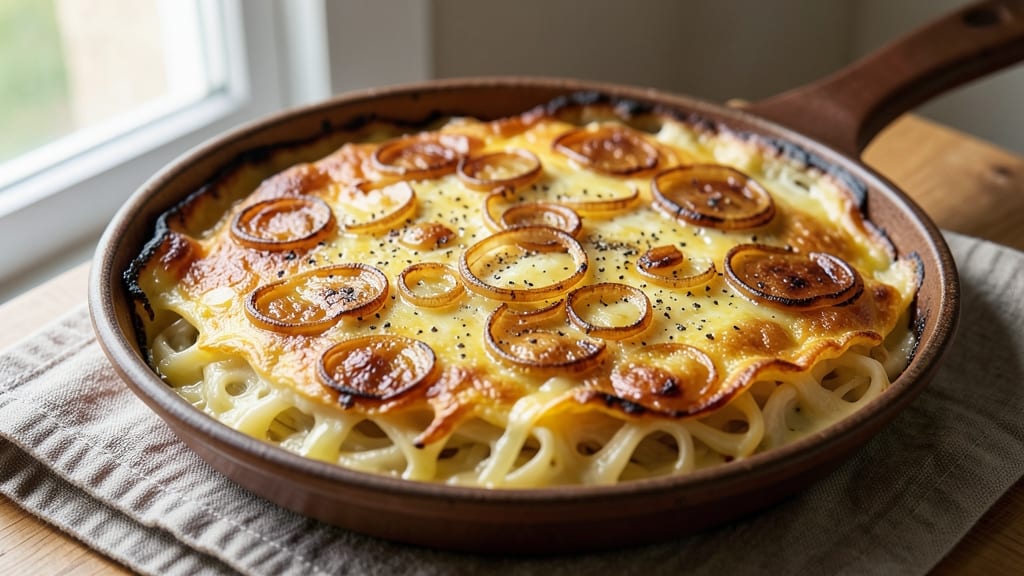
This 3-egg frittata recipe delivers the perfect balance of fluffy layers and crispy edges—no flipping required. 🔥 The secret lies in pre-cooking the fillings and letting the eggs set in a single, even layer, creating a restaurant-worthy dish with minimal effort.
I developed this method after years of trial and error, and it consistently delivers that golden, slightly crispy exterior with a tender, custardy interior every time.
What makes this recipe stand out is its versatility. You can pack it with sautéed vegetables, cheese, or even cooked proteins, all while keeping the egg-to-ingredient ratio foolproof.
The crispy edges come from a quick broil at the end, while the fluffy layers are achieved by whisking the eggs just until combined—no overmixing here. This is the kind of dish that transforms simple ingredients into something impressive with almost no effort.
The result is a perfectly portioned frittata that’s ideal for breakfast, brunch, or even a light dinner. The crispy edges add texture, while the fluffy center ensures every bite is satisfying.
It’s also incredibly customizable—add spinach, mushrooms, or even leftover roasted veggies to make it your own. The best part? It’s ready in under 20 minutes, making it perfect for busy mornings.
Serve it warm with a sprinkle of fresh herbs or a side of crusty bread for dipping. This frittata is so good, you’ll want to make it a regular part of your meal rotation. Let’s get started with a recipe that’s as easy as it is delicious.
Ingredients for 3 egg frittata
Three eggs, crispy edges, and fluffy layers—this frittata transforms simple ingredients into a restaurant-worthy breakfast.
| Ingredient | Amount | Notes |
|---|---|---|
| Large Eggs 🥚 | 3 whole | Room temperature for best whisking |
| Whole Milk 🥛 | ¼ cup | For creamier texture |
| Salt 🧂 | ½ tsp | Diamond Crystal preferred |
| Black Pepper 🌶️ | ¼ tsp | Freshly cracked for best flavor |
| Unsalted Butter 🧈 | 2 tbsp | For crispy edges |
| Shallots 🧅 | 2 whole | Minced for sweet depth |
| Spinach 🌿 | 2 cups | Fresh or thawed frozen |
| Cherry Tomatoes 🍅 | ½ lb | Halved for juiciness |
| Shredded Cheddar Cheese 🧀 | ½ cup | Sharp variety preferred |
| Fresh Basil Leaves 🌿 | ⅛ cup | Chopped for fresh finish |
| Olive Oil 🫒 | 1 tbsp | For sautéing vegetables |
| Garlic Cloves 🧄 | 2 cloves | Minced for aromatic base |
The eggs are the star, so use room temperature ones—they whisk up smoother and create those signature fluffy layers. I always grab large eggs from Trader Joe's or the store brand at Kroger—they're reliable and affordable. For the cheese, sharp cheddar melts beautifully and adds that perfect tang. The butter isn't just for cooking—those 2 tbsp go under the eggs before broiling to create those golden, crispy edges you can't get any other way. Pro tip: if your butter feels too hard, microwave it for 15 seconds to soften—just enough to spread easily.
No shallots? Red onion works perfectly—just chop it extra fine. Fresh spinach is ideal, but thawed frozen works in a pinch (drain well first). Cherry tomatoes add that juicy pop, but sun-dried tomatoes at half the amount give a concentrated burst of flavor. The basil is optional but worth it—fresh is best, but dried oregano at one-third the amount gets you close. For extra richness, swap the milk for a splash of heavy cream, but whole milk keeps it light and fluffy. And if you're short on time, pre-chop your veggies the night before—this frittata comes together in under 15 minutes once you're ready to cook.
This frittata reheats beautifully—just pop it in the oven at 350°F for 5-10 minutes to crisp up those edges again. Keeps for 3 days in the fridge, wrapped tightly in foil. For leftovers, I like to slice it into wedges and store in portions—perfect for quick breakfasts or lunches. Freezes for up to 2 months if you want to make a batch ahead. The best part? It tastes even better the second day as the flavors meld together. Store any extra basil in a damp paper towel in a baggie—it stays fresh for 5 days that way.
Why You'll Love This Recipe
- One-Pan Magic: I swear by this recipe because it’s the kind of meal that turns a lazy morning into a hot breakfast without dirtying more than one pan. Just eggs, milk, butter—no fancy gadgets, no stress.
- Rich Without Effort: That splash of whole milk makes all the difference—creamy, satisfying, and way more indulgent than you’d expect from such a simple combo. Honestly, it’s the kind of flavor that makes you pause mid-bite.
- Meal Prep MVP: Slice it up, and you’ve got grab-and-go lunches for days. I often make a double batch on Sundays; the leftovers reheat beautifully, and it’s still delicious cold in a sandwich.
- Budget Breakfast: Three eggs? Whole milk? Butter? This is the kind of recipe that stretches my grocery budget without feeling like I’m sacrificing taste. Plus, it’s the perfect way to use up stray eggs before they go bad.
Step-by-Step instructions for fluffy layers and crispy edges
Here's how to make the perfect 3-egg frittata with golden edges and silky texture every time.
🍳 Step 1: Sauté Shallots and Garlic Until Fragrant
Heat the 1 tablespoon olive oil in a 10-inch oven-safe skillet over medium heat. Add the 2 whole minced shallots and cook for 3-4 minutes until they soften and turn translucent. Here's the thing—don't let them brown or they'll add bitterness to your frittata.
Add the 2 cloves minced garlic and cook for another 30 seconds until you can smell that sweet, aromatic punch. The garlic should just be fragrant—not crispy or burnt. Remove the skillet from heat for now, but keep it warm on the burner. This aromatic base is the flavor foundation for your entire frittata.
🍳 Step 2: Add Tomatoes and Spinach to the Skillet
Return the skillet to medium heat and add the 0.5 lb halved cherry tomatoes. Cook for 4-5 minutes until they soften slightly and release their juices. The tomatoes should still hold their shape but be tender enough to eat.
Stir in the 2 cups spinach and cook for 1-2 minutes until just wilted. You want the spinach to be tender-crisp, not mushy. Remove the skillet from heat again and let the vegetables cool slightly for 1 minute. This prevents the eggs from curdling when you add them later.
👨🍳 Step 3: Whisk Eggs with Milk and Seasonings
In a medium bowl, whisk together the 3 whole room-temperature eggs, 0.25 cup whole milk, 0.5 teaspoon salt, and 0.25 teaspoon black pepper until completely combined. The reason we use milk is that it creates a creamier texture and prevents the eggs from drying out during baking.
Gently fold in the 0.5 cup shredded cheddar cheese and 0.125 cup chopped fresh basil leaves using a spatula. Be careful not to overmix—the goal is to distribute the cheese and basil evenly without creating bubbles. The mixture should look smooth and uniform.
🥘 Step 4: Pour Egg Mixture Over Vegetables
Pour the egg mixture evenly over the sautéed vegetables in the skillet. Use a spatula to gently spread the eggs to the edges of the pan, creating an even layer. Here's the crucial part: don't worry about getting every last bit of egg onto the vegetables—some unevenness is normal and actually helps create those beautiful crispy edges.
Let the frittata sit undisturbed for 2-3 minutes to begin setting. You'll see the edges start to firm up and the top develop a thin layer of curds. This resting period is essential—it allows the eggs to begin setting before you add the butter for crispy edges.
🔥 Step 5: Melt Butter and Bake Until Golden
Place the skillet on the stovetop over medium heat and dot the top of the frittata with the 2 tablespoons unsalted butter. Let the butter melt completely, about 1-2 minutes, then tilt the pan to distribute the melted butter evenly across the surface.
Transfer the skillet to a preheated 375°F oven and bake for 12-15 minutes until the top is golden brown and the center is just set. The frittata is done when it springs back slightly when gently pressed in the center. Here's my secret: I always check at the 12-minute mark because ovens vary in temperature accuracy.
⏰ Step 6: Rest and Serve with Confidence
Remove the frittata from the oven and let it rest in the skillet for 5 minutes. This resting period allows the frittata to set completely and makes it easier to slice. The residual heat will finish cooking the center while the edges stay crispy.
Use a spatula to loosen the edges, then slide the frittata onto a serving plate. Cut into 4 equal wedges and serve immediately. Each bite should deliver that perfect combination of crispy edges, creamy texture, and all the flavors of the sautéed vegetables. And here's the best part—this frittata tastes even better the next day!
Pro Tips For Making 3 Egg Frittata
- CRANK THE HEAT FIRST: Start your 8-inch skillet over medium-high heat until the butter foams and sizzles—this ensures a golden crust instead of a sad, rubbery bottom. I used to play it safe with medium, and my frittatas always had that greasy, undercooked feel. Trust me, high heat for the first 2 minutes makes all the difference.
- WHISK EGGS LIKE YOU MEAN IT: Beat those 3 eggs with the milk until the mixture is thick, glossy, and holds gentle ribbons when you lift the whisk. No lumps, no lazy swirls—this isn’t pancake batter. I learned this the hard way when my first frittata turned out like scrambled eggs with a side of regret.
- STOP STIRRING AFTER 30 SECONDS: Once the eggs hit the pan, give them exactly 30 seconds of gentle folding—just enough to distribute the cooked bits evenly. After that, walk away and let them set. I used to keep poking at it, and half the time, I’d end up with a dense, overworked mess instead of a light, airy frittata.
- SALT THE MILK, NOT THE EGGS: Mix the ½ teaspoon salt directly into the milk before whisking it with the eggs—this ensures even distribution. Adding it later means you’ll either miss spots or end up with a salty crust and bland center. (Yes, even if you’re impatient like me.)
Make-ahead tips for leftovers
Prep Ahead
Make this frittata a breeze by prepping ingredients the night before. Chop your shallots, garlic, and cherry tomatoes and store them in an airtight container in the fridge. Wash and dry your spinach and store it in a sealed bag with a paper towel to keep it fresh.
This saves 10 minutes of prep time in the morning. 💡
Freezer-Friendly
Frittatas freeze beautifully for up to 2 months—perfect for meal prep. Let it cool completely, then wrap tightly in plastic wrap followed by aluminum foil. Label with the date and freeze.
When ready to eat, thaw overnight in the fridge and reheat in a 350°F oven for 15-20 minutes to restore crispy edges.
Portion Control
Slice the frittata into 4 equal wedges before storing for easy grab-and-go breakfasts. Store portions in individual airtight containers with parchment paper between layers to prevent sticking. Reheat just one wedge at a time—no need to thaw the whole frittata. 🍽️
Make It Ahead for Brunch
For brunch prep, assemble the frittata completely (up to Step 4) and refrigerate overnight. The next morning, simply melt the butter, broil for 8-10 minutes at 400°F, and serve.
This method creates an even more flavorful frittata as the eggs set slowly in the fridge, resulting in a richer texture.
Reheat Like a Pro
To revive crispy edges, reheat in a skillet over medium heat for 3-4 minutes per side. For oven reheating, cover with foil and bake at 350°F for 10 minutes, then uncover and broil for 1-2 minutes to crisp the top. Avoid microwaving—it makes the frittata rubbery.
Flavor Boost Tip
Add a splash of whole milk or heavy cream when reheating to restore moisture. For extra richness, sprinkle with grated Parmesan cheese during reheating. This simple trick makes leftovers taste almost as good as fresh! 💛
Nutrition facts
Frequently asked questions
Can I make this frittata with fewer eggs?
This recipe is specifically designed for 3 eggs to create the perfect portion size for 4 servings with fluffy layers. Using fewer eggs will result in a thinner frittata that may not hold its shape as well when sliced. If you need a smaller portion, consider making a 2-egg frittata in a 8-inch skillet instead.
What's the best way to store leftovers?
Store leftovers in an airtight container in the refrigerator for up to 3 days. For longer storage, wrap tightly in plastic wrap followed by aluminum foil and freeze for up to 2 months. Always let the frittata cool completely before storing to prevent condensation.
Can I add cooked meat or seafood to this recipe?
This frittata works beautifully with cooked proteins. Try adding crumbled bacon, shrimp, or diced ham to the sautéed vegetables. Just make sure any added proteins are fully cooked before mixing with the egg mixture to avoid undercooking.
Why did my frittata turn out rubbery?
Overmixing the eggs or using cold eggs are the most common causes. Whisk just until combined, and always use room-temperature eggs. Also, avoid overbaking—remove the frittata when the center is just set (160°F internal temperature) and let it rest before slicing.
How do I make this frittata vegan?
Replace the eggs with 3 tablespoons ground flaxseed mixed with 9 tablespoons water (let sit for 5 minutes to thicken). Use vegan butter and plant-based milk instead. The texture will be slightly different but still delicious with the same crispy edges technique.