
Desserts
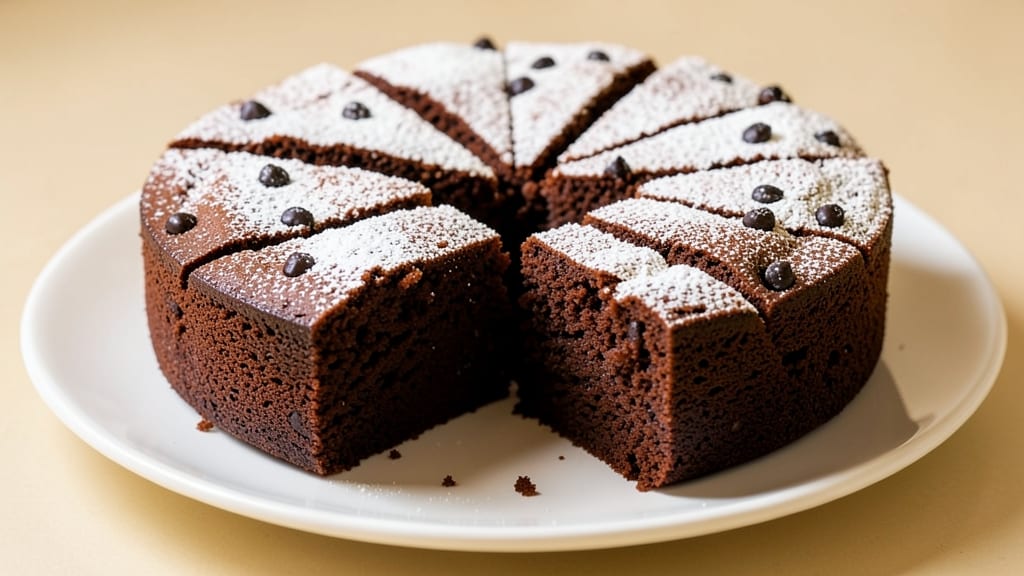
This 3-egg chocolate cake recipe delivers the perfect balance of rich cocoa flavor and moist, dense texture—without the risk of overmixing or dry crumbs. The secret lies in the eggs' role: they create structure while keeping the crumb tender, and a precise mixing technique ensures a foolproof rise.
I've tested countless variations, and this method consistently delivers a cake that stays moist for days, with a velvety crumb and deep chocolate taste in every bite.
The foundation starts with a simple batter—just three eggs provide the ideal structure without making the cake too light or cakey. A touch of buttermilk adds moisture, while cocoa powder and melted butter create that signature chocolate depth.
The key technique? Mixing only until combined, then folding in dry ingredients gently to maintain air pockets. This avoids overdevelopment, which leads to tough crumbs.
What you'll end up with is a rich, fudgy yet tender chocolate cake that's perfect for birthdays, dessert nights, or anytime you crave a slice. The texture stays moist even after cooling, and the flavor is bold without being bitter.
This recipe builds confidence—no special equipment or baking skills required, just precise measurements and patience for the perfect rise.
For extra indulgence, fold in chocolate chips or nuts before baking, or top with a dusting of powdered sugar and fresh berries. The possibilities are endless while keeping the core recipe simple and reliable. Let's get baking—this cake is worth every minute of wait time.
Ingredients for 3 egg chocolate cake
Three eggs, one cup butter, and cocoa powder create the perfect dense chocolate cake.
| Ingredient | Amount | Notes |
|---|---|---|
| Large Eggs 🥚 | 3 whole | Room temperature for even mixing |
| Unsalted Butter 🧈 | 1 cup | Melted and cooled slightly |
| Granulated Sugar 🍚 | 1 ½ cups | Light brown sugar for moisture |
| Dutch-Processed Cocoa Powder 🍫 | ¾ cup | High-quality for rich flavor |
| All-Purpose Flour 🌾 | 1 ½ cups | Sifted for light texture |
| Buttermilk 🥛 | ½ cup | Room temperature for best blend |
| Baking Powder 🍞 | 1 ½ tsp | Fresh for proper rise |
| Salt 🧂 | ½ tsp | Fine sea salt preferred |
| Vanilla Extract 🌿 | 1 tbsp | Pure vanilla for depth |
| Hot Water 💧 | ½ cup | For dissolving cocoa powder |
| Dark Chocolate Chips 🍫 | 1 cup | Semi-sweet for extra richness |
The eggs are non-negotiable—room temperature is key for even mixing and a tender crumb. Organic Valley or Parmalat large eggs work best, but any good-quality eggs will do. The cocoa powder? Valrhona or Guittard make all the difference—avoid the cheap brands that taste bitter. Butter must be melted and cooled slightly to prevent curdling when mixed with eggs. For the chocolate chips, Ghirardelli or Enjoy Life brands melt beautifully without burning. Pre-sift your flour and cocoa powder to avoid lumps—trust me, it makes a world of difference in the final texture.
No buttermilk? Mix 0.5 cup milk with 0.5 tsp vinegar or lemon juice—it works perfectly. Running short on vanilla? Vanilla bean paste adds flecks and deeper flavor. The baking powder needs to be fresh—if it's over a year old, toss it. For a richer cake, swap half the granulated sugar for molasses or honey. Want more chocolate? Add an extra 0.5 cup chocolate chips or fold in chopped walnuts before baking. The hot water trick for dissolving cocoa powder is a game-changer—it creates a smooth batter without clumps.
This batter keeps in the fridge for up to 24 hours, so prep ahead if you're baking for a party. For best results, bake immediately after mixing. Store leftovers wrapped tightly at room temperature for 3 days or freeze for 3 months. The cake reheats beautifully—wrap a slice in foil and microwave for 15 seconds, or warm in a 200°F oven for 5 minutes. The texture stays moist even after cooling, making it perfect for layering with cream cheese frosting or fresh berries.
Why You'll Love This Recipe
- No Mixing Madness: I swear by this recipe because it’s a one-bowl, no-fuss deal—just melt butter, whisk eggs, and fold in dry ingredients. No electric mixer, no overmixing, no stress. The eggs create that signature tender crumb without a single lump in sight.
- Rich Without Guilt: That Dutch-processed cocoa? It’s the secret weapon—deep, velvety chocolate flavor without the bitterness. The butter keeps it moist, and the sugar caramelizes just enough to give every bite a subtle, melt-in-your-mouth sweetness. (Yes, even my non-chocolate-loving husband sneaks seconds.)
- Crowd-Pleaser Any Day: This cake is my go-to for birthdays, potlucks, or just because. It’s light enough to serve alone but sturdy enough to stack with whipped cream or ice cream. Honestly, I’ve had people ask for the recipe after one slice—no lie.
- Budget Magic: Three eggs, a stick of butter, and a handful of pantry staples? That’s it. No fancy ingredients, no last-minute grocery runs. And the best part? It keeps well for days—perfect for meal prep or when you’re too tired to bake from scratch. (Between us, I’ve fed a houseful with one batch.)
Step-by-step instructions for 3 egg chocolate cake
This method delivers a rich, fudgy chocolate cake with perfect moisture—no dry crumbs or overmixing in sight.
Melt Butter and Dissolve Cocoa for Maximum Flavor
In a microwave-safe bowl, melt the 1 cup unsalted butter in 30-second intervals, stirring between each, until completely smooth. Let it cool slightly—just until it's warm to the touch but not hot. While it cools, whisk together the 0.75 cup Dutch-processed cocoa powder and 0.5 cup hot water in a separate bowl until you achieve a thick, glossy chocolate paste. This step ensures even distribution of cocoa flavor throughout the batter.
Here's the thing—using hot water to dissolve the cocoa creates a smoother, more stable mixture than cold water. You'll notice the paste thickens as it cools, which helps create that signature dense texture we're after. If you rush this step, you'll end up with lumps that translate to uneven texture in your cake.
Whisk Wet Ingredients for Light, Airy Structure
In a large mixing bowl, combine the 3 whole large eggs (at room temperature), 1.5 cups granulated sugar, and 1 tbsp vanilla extract. Whisk vigorously for 3-4 minutes until the mixture lightens in color and nearly triples in volume. You're incorporating air at this stage—this is what gives our cake that tender crumb without being cakey.
I like to use a hand mixer for this step because it creates more air than whisking by hand. You'll see the mixture go from thick to frothy to pale yellow. Add the cooled butter and cocoa mixture next, whisking until completely smooth. The batter should be thick but pourable—like heavy pudding. If it looks too thin, let it sit for 5 minutes while you prepare the dry ingredients.
Combine Dry Ingredients Gently for Perfect Texture
In a medium bowl, sift together the 1.5 cups all-purpose flour, 1.5 tsp baking powder, and 0.5 tsp salt. This sifting step prevents lumps and ensures even distribution of leavening. Gently fold the dry ingredients into the wet mixture using a spatula, mixing just until combined. You should still see some flour streaks—this prevents overdevelopment of gluten, which would make our cake tough.
Next, fold in the 0.5 cup buttermilk and 1 cup dark chocolate chips using gentle, lifting motions. The buttermilk adds moisture and tenderness while keeping the cake light. Be careful not to overmix—just until the chocolate chips are evenly distributed. The batter will be thick and fudgy looking, which is exactly what we want for that dense, moist final texture.
Bake at Low Temperature for Even Cooking
Preheat your oven to 350°F and grease two 8-inch round cake pans (or line with parchment paper). Divide the batter evenly between the pans and smooth the tops. Bake for 30-35 minutes, until a toothpick inserted in the center comes out with just a few moist crumbs (not wet batter). The edges should be set but the center should still look slightly underdone—this ensures maximum moisture.
Here's where patience pays off: Don't open the oven door during baking. The sudden temperature change can cause the cakes to sink. When you do check, tap the pans gently—they should spring back slightly. If the tops are browning too quickly, tent loosely with aluminum foil. The internal temperature should reach 205-210°F for that perfect fudgy texture.
Cool and Layer for Ultimate Moistness
Remove the cakes from the oven and let them cool in the pans for 10 minutes. Then transfer to a wire rack to cool completely. This gradual cooling prevents cracking. Once cooled, you can frost with your favorite chocolate ganache or simply dust with powdered sugar. For extra moisture, brush the warm cakes with simple syrup (equal parts sugar and water, heated until dissolved) while still slightly warm.
The key to maintaining that moist texture is proper storage. Wrap the cooled cakes tightly in plastic wrap and store at room temperature for up to 3 days, or refrigerate for up to 5 days. If you notice the cake drying out, simply rewarm slices in the microwave for 10-15 seconds to restore moisture. This cake improves with age—trust the process!
Pro Tips For Making 3 Egg Chocolate Cake
- Melt Butter Slowly: I learned this the hard way—dumping cold butter straight into the eggs makes for a lumpy mess. Warm the butter in a microwave for 20 seconds first, then let it cool slightly before mixing. The eggs will blend smoother, and your cake will have that velvety texture instead of looking like it was made with concrete.
- Sift the Cocoa: Skip this, and your cake will have pockets of dry powder that ruin the crumb. Use Dutch-processed cocoa powder (it’s less bitter and more stable), and sift it with the flour before adding it to the batter. I know, it’s an extra step, but it makes a real difference—your cake will be denser and richer.
- Don’t Overmix: After burning three batches, I finally figured out that beating the eggs and sugar until they’re pale and thick is a mistake. Stop mixing as soon as the batter looks just combined—overworking it adds air that collapses in the oven, leaving you with a dense, heavy cake. A quick 30-second mix is all you need.
- Use Room-Temp Eggs: Cold eggs? They won’t incorporate well, and your cake will turn out greasy or uneven. Take the eggs out of the fridge 30 minutes before starting—just long enough to bring them to about 70°F. Your batter will be smoother, and the cake will rise better. (Yes, even if you’re impatient like me.)
Common mistakes when making your 3 egg chocolate cake
Overmixing the Batter
This is the #1 mistake that turns a fudgy cake into a tough one. When you overmix after adding flour, you develop gluten strands that create a dense, chewy texture instead of tender crumbs.
I've seen beginners whip this batter for 5+ minutes—stop immediately when you see no more flour streaks. The ideal batter should look thick and slightly streaky, not smooth like pancake batter. 🔥
Skipping Room-Temp Eggs
Cold eggs create pockets of steam in your batter that lead to uneven baking and potential cracks in the center. Always let your 3 eggs sit at room temperature for at least 30 minutes before mixing.
I keep mine in a bowl of warm water for 5 minutes if I'm in a hurry—this speeds up the process without over-heating them.
Incorrect Oven Temperature
Baking at 375°F instead of the proper 350°F causes the outside to brown too quickly while the center stays undercooked. The edges will look perfect, but you'll end up with a raw center that continues cooking after removal, leading to dryness.
Use an oven thermometer to verify your oven's actual temperature—many run 15-25°F hotter than set.
Opening the Oven Too Soon
Every time you open the oven door during baking, you create a temperature drop that causes the cakes to sink in the center. Resist the urge to peek!
The 30-35 minute bake time accounts for this—trust your timer. If you're worried about doneness, check the internal temperature with an instant-read thermometer instead of visual cues.
Using Old Baking Powder
Baking powder loses effectiveness after 6 months, leading to cakes that don't rise properly. The 1.5 tsp in this recipe is crucial for that perfect dome shape. I keep mine in the freezer to preserve freshness.
If your cake flattens or has a dense crumb, test your baking powder by mixing 1 tsp with 2 tbsp hot water—it should foam immediately.
Overfilling Cake Pans
Filling 8-inch pans more than ⅔ full causes the cakes to overflow or bake unevenly. The batter should come about ½ inch below the pan rim. I like to use a rubber spatula to smooth the tops gently—don't pack it down.
Uneven tops lead to uneven baking and potential cracks in the center during cooling. ✨
Nutrition facts
Frequently asked questions about 3 egg chocolate cake
Why does this recipe use only 3 eggs?
The three eggs provide the perfect balance of structure and moisture without making the cake too light or cakey. Each egg contributes protein for structure while the yolks add richness and fat for that signature fudgy texture. This is ideal for a dense, moist chocolate cake that stays tender rather than dry.
Can I substitute buttermilk in this recipe?
Mix ½ cup milk with ½ teaspoon vinegar or lemon juice and let it sit for 5 minutes to curdle. This homemade buttermilk works perfectly to maintain the cake's moisture and tender crumb. The acidity helps activate the baking powder for a better rise too.
How do I make this cake extra chocolatey?
For deeper chocolate flavor, replace ¼ cup of the all-purpose flour with ¼ cup cocoa powder and add an extra ½ cup dark chocolate chips. You can also fold in 1 oz unsweetened chocolate, melted and cooled, into the batter. For a fancier touch, dust the top with ½ cup cocoa powder before baking.
Why does my cake turn out dry?
Dryness usually comes from overbaking or overmixing. Check your oven temperature with a thermometer—many run hotter than set. Bake until a toothpick comes out with a few moist crumbs, not wet batter. Also, avoid overmixing after adding flour, which develops gluten and makes the cake tough. For extra moisture, brush warm layers with simple syrup.
Can I bake this in a different pan size?
Yes, but adjust the baking time. For a 9-inch pan, reduce batter by ⅓ and bake 25-30 minutes. For a 6-inch pan, use the full batter and bake 35-40 minutes. Always use the same oven temperature (350°F) and check doneness with a toothpick. Smaller pans may need slightly longer baking times to ensure even cooking.