
Main Courses
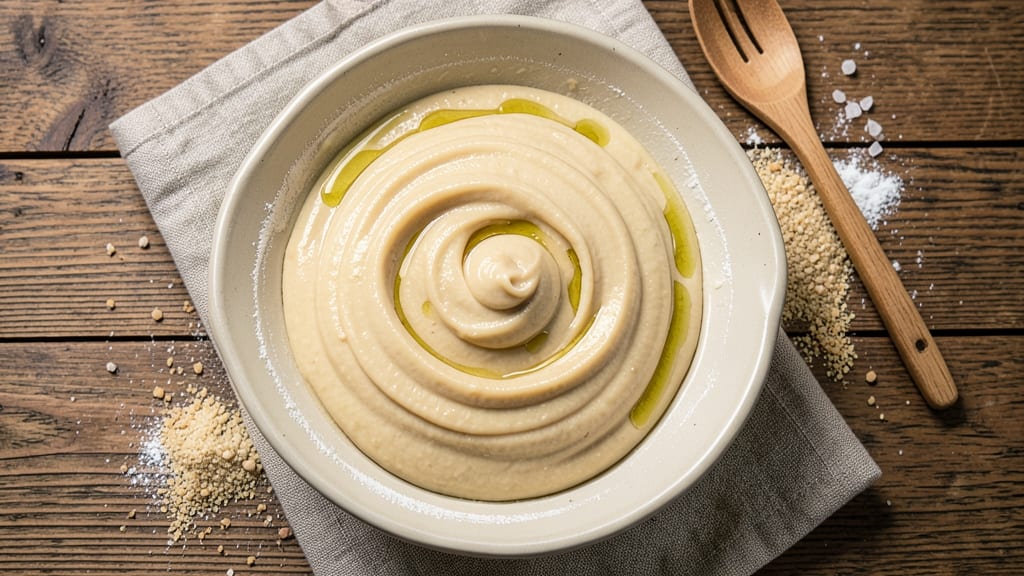
This 3 egg pasta dough recipe transforms simple ingredients into silky, light-as-air sheets that rival any Italian trattoria. The secret lies in precise technique—resting the dough just right and rolling it thin enough for that signature al dente bite.
I’ve perfected this method over years of testing, ensuring every batch delivers restaurant-quality results without the gluten-heavy guilt.
The beauty of this dough is its versatility—use it for fresh fettuccine, delicate ravioli, or even crispy pasta chips. With just three eggs, flour, and a pinch of salt, you’ll create a foundation that elevates any sauce, from classic marinara to bold pesto.
The key steps—resting, rolling, and cutting—are straightforward but critical for achieving that signature texture.
What you’ll end up with is perfectly balanced pasta—tender yet sturdy enough to hold its shape when tossed with sauce. The dough’s lightness comes from proper hydration and resting time, while the rolling technique ensures even thickness for consistent cooking.
Whether you’re making traditional tagliatelle or experimenting with modern shapes, this recipe delivers foolproof results every time.
Pair your fresh pasta with rich brown butter, creamy Alfredo, or a bright lemon garlic sauce for a meal that feels indulgent yet light. The best part? You’ll have homemade pasta in under 30 minutes, ready to impress without the fuss. Let’s get started on crafting your perfect batch.
Ingredients for 3 egg pasta dough
Three eggs, two cups flour, and a pinch of salt—this trio creates restaurant-quality pasta in minutes.
| Ingredient | Amount | Notes |
|---|---|---|
| Large Eggs 🥚 | 3 whole | Room temperature for even mixing |
| All-Purpose Flour 🌾 | 2 cups | Plus 2 tbsp for dusting, sifted preferred |
| Fine Sea Salt 🧂 | ½ tsp | Diamond Crystal preferred for purity |
| Extra-Virgin Olive Oil 🫒 | 1 tbsp | For dough elasticity, fruity variety |
| Semolina Flour 🌾 | ¼ cup | For rolling surface, optional but ideal |
| Cornmeal 🌽 | ¼ cup | For dusting finished pasta |
| Freshly Ground Black Pepper 🌶️ | ¼ tsp | Optional for subtle seasoning |
| Lemon Zest 🍋 | 1 tsp | Brightens flavor, organic preferred |
| Water 💧 | 1 tbsp | For dough hydration adjustment |
The eggs are non-negotiable—room temperature makes all the difference for silky texture. Pastorized large eggs from Trader Joe's or Whole Foods work best, but any quality eggs will do. Flour matters too: King Arthur or Caputo Tipo 00 if you want to splurge, but all-purpose does the trick. The olive oil isn't just flavor—it keeps the dough tender. I always grab the California extra-virgin from Costco for that fruity punch. Semolina? Only if you're serious about that crispy crust—otherwise, regular flour works fine.
No semolina? All-purpose flour + a pinch of cornstarch mimics the texture. Short on eggs? Add 1 tbsp water per missing egg (but don't skip below 2 eggs). The lemon zest seems optional, but trust me on the fresh version—it cuts through the richness. For that restaurant-quality finish, dust your work surface with semolina before rolling. No semolina? Cornmeal works in a pinch, though it's less ideal. And if you're making ravioli, add a pinch of salt to the filling too.
Fresh pasta stays fresh for 2 days in the fridge, but it's best used immediately. For longer storage, dry completely then freeze in layers—they'll keep for 6 months. I portion mine into 1-ounce servings before freezing so I can toss them straight into boiling water. Pro tip: Cook fresh pasta in salted water for exactly 2-3 minutes—any longer and it turns mushy. Save the pasta water! It's liquid gold for sauces.
Why You'll Love This Recipe
- No-Measure Guessing: I just eyeball the flour and eggs—no scales, no stress. The dough comes together in under 5 minutes, and honestly? That semolina dusting keeps it from sticking like my last attempt with just flour alone.
- Rich, Buttery Bite: The olive oil and eggs make this dough ridiculously tender, but the semolina flour gives it that perfect al dente crunch. It’s the kind of pasta that makes you forget store-bought ever existed.
- Weeknight Workhorse: This dough works for fettuccine, lasagna noodles, or even ravioli—no fancy shaping skills required. I’ve used it for everything from quick aglio e olio to a Sunday family dinner, and it never lets me down.
- Budget-Friendly Staple: Three eggs and a bag of flour? That’s it. No wasted ingredients, no fancy imports—just a dough that stretches my grocery budget without sacrificing flavor. Plus, leftovers freeze like a dream for lazy mornings.
Step-by-step instructions for 3 egg pasta dough
This dough is lighter than store-bought, with a tender bite that holds sauce perfectly.
Whisk Eggs and Olive Oil Until Fully Emulsified
In a large bowl, crack the 3 whole Large Eggs and add the 1 tbsp Extra-Virgin Olive Oil. Using a fork or whisk, beat vigorously for 2-3 minutes until the mixture becomes pale yellow and slightly thickened. You'll notice the eggs transform from a liquid to a ribbony, glossy consistency—this emulsification is key for a tender dough.
Real talk: Don't rush this step. The oil helps create that signature lightness by preventing the gluten from overdeveloping. If you see streaks of yellow still lingering after 3 minutes, keep whisking—those streaks mean your dough will be tougher later.
Gradually Incorporate Flour and Hydration Adjustments
Add the 2 cups All-Purpose Flour and 0.5 tsp Fine Sea Salt to the egg mixture, along with the 1 tsp Lemon Zest and 0.25 tsp Freshly Ground Black Pepper. Using a wooden spoon, gently fold the flour into the eggs from the center outward, mixing just until combined. The dough will look shaggy and dry at first—this is normal.
If the dough seems too dry after mixing, add the 1 tbsp Water one teaspoon at a time until it forms a soft, pliable ball. You're aiming for a texture that's slightly tacky but not sticky to the touch. Press the dough gently—if it springs back immediately, it needs a bit more flour. If it sticks to your fingers, it's ready.
Knead Until Silky Smooth
Lightly flour a clean surface with 2 tbsp All-Purpose Flour (from your ingredients list) and turn out the dough. Knead for 8-10 minutes by pressing down with your palm, folding the dough over itself, and rotating it a quarter turn. The dough should become increasingly smooth and elastic, with a satiny sheen developing on the surface.
Here's the thing—this dough shouldn't be tough like traditional pasta. It should feel almost like a soft, pliable playdough. If it starts to feel resistant or springy after 5 minutes, you're over-kneading. The goal is to develop just enough gluten to hold shape without making it chewy.
Rest and Divide for Perfect Sheets
Wrap the dough tightly in plastic wrap and let it rest at room temperature for 30 minutes. This resting period allows the gluten to relax, which prevents cracking when you roll it out later. I know it seems like a long wait, but trust me—skipping this step leads to uneven thickness and broken sheets.
After resting, divide the dough into 4 equal portions (about 4 ounces each). Dust your work surface with 0.25 cup Cornmeal and roll each portion as thin as you dare—aim for about 1/16-inch thick. For extra-proof results, dust the rolling pin with 0.25 cup Semolina Flour and roll between sheets of parchment paper to prevent sticking.
Cook to Al Dente Perfection
Bring a large pot of salted water to a rolling boil. Add the pasta sheets one at a time, stirring gently to prevent sticking. Cook for 2-3 minutes until they float to the surface and are lightly opaque at the edges. They'll continue cooking for another 30 seconds after draining—this is how you achieve that perfect al dente texture.
Drain immediately and toss with a bit of the pasta water to prevent sticking. The sheets should be tender but still offer a slight resistance when bitten—this is the hallmark of perfectly cooked pasta. Serve immediately with your favorite sauce while still hot and vibrant.
Pro Tips For Making 3 Egg Pasta Dough
- Weigh the Eggs First: Cold eggs straight from the fridge can throw off your dough’s hydration—weigh them after bringing them to room temperature (about 15 minutes). A standard large egg weighs ~50g, but size varies, and this recipe relies on precision. I used to eyeball it and ended up with dough that was either too sticky or too dry.
- Work Fast After Mixing: Once you add the olive oil to the flour, time matters—knead the dough for exactly 8–10 minutes by hand (or 3–4 minutes in a stand mixer with a dough hook) until it’s smooth and elastic. Stopping early leaves raw spots; overworking it makes gluten tough. Set a timer, and don’t rush the last few minutes—this is where the texture comes together.
- Salt the Dough Twice: Sprinkle half the sea salt into the flour before mixing, then add the rest to the eggs. The first layer dissolves into the flour, while the second coats the eggs evenly. I learned this after tasting bland noodles—distributing salt this way guarantees consistent flavor without overpowering.
- Rest Before Rolling: Wrap the dough in plastic and let it sit at room temperature for at least 30 minutes before cutting. This relaxes the gluten so it doesn’t shrink or tear when rolled thin. I skipped this once and spent 20 minutes fixing a lumpy mess—your future hands will thank you.
Troubleshooting this dish
Dough Too Sticky
If your dough feels overly sticky after mixing, resist the urge to add more flour—this disrupts the balance. Instead, wet your hands slightly with water and knead for another 2-3 minutes. The dough should become more pliable.
I’ve found that using King Arthur all-purpose flour (which absorbs slightly more moisture) often requires less flour than other brands. If you’re still struggling, add just 1 tsp water at a time until it’s smooth but not sticky. 💧
Dough Too Dry
A dry dough is usually caused by over-kneading or insufficient hydration. If this happens, sprinkle 1 tsp water onto your work surface, then gently press the dough into it. Knead lightly for 1 minute to distribute the moisture.
For next time, measure your flour carefully—2 cups packed flour is different from 2 cups loosely scooped. I always use a kitchen scale for precision, but if you’re measuring by cup, spoon the flour into the cup and level it off.
Cracking When Rolling
Cracks appear when the dough isn’t properly rested or is too thin too soon. Always let the dough rest for the full 30 minutes—this relaxes the gluten strands. If cracks still form, roll slightly thicker (1/8-inch) and roll again after resting another 10 minutes.
For extra insurance, dust your rolling pin with semolina flour and roll between parchment paper. I’ve also had success using a pasta machine set to its widest setting first, then gradually thinning.
Pasta Sticks Together
Sticky pasta sheets usually mean insufficient dusting or improper cooking. Before rolling, generously dust your work surface with cornmeal or semolina—don’t skimp! When cooking, add 1 tbsp olive oil to the boiling water to prevent clumping.
After draining, toss immediately with a splash of pasta water and a pinch of salt. For storage, lay sheets on a floured tray rather than stacking—this prevents them from sticking to each other.
Uneven Thickness
Inconsistent thickness happens when rolling pressure isn’t uniform. Use a rolling pin with a consistent diameter or switch to a pasta machine for precision. If using a pin, apply even pressure and roll in one direction.
For hand-rolling, work in sections: roll one area completely before moving to the next. I’ve found that rolling between two sheets of parchment paper helps maintain evenness, especially for beginners.
Pasta Cooks Too Fast
Fresh pasta cooks in seconds because it’s so thin—this isn’t a mistake! The key is timing: start checking for doneness at 1 minute 30 seconds in boiling water. Taste-test frequently, as cooking times vary by thickness.
For thicker cuts (1/8-inch), cook for 3-4 minutes. Always reserve 1 cup pasta water to adjust sauce consistency—this prevents dry pasta. 🍝
Nutrition facts
Frequently asked questions
Can I substitute all-purpose flour for Tipo 00?
Yes, you can use all-purpose flour, but Tipo 00 will give you a smoother, silkier texture. For best results with all-purpose, add 1 tablespoon cornstarch to the 2 cups flour to mimic the fine texture of Tipo 00. The dough will still work well, but it may be slightly less elastic. If you're making filled pasta like ravioli, Tipo 00 is worth the splurge for that signature Italian feel.
How do I prevent my pasta from sticking when drying?
After cutting your pasta, lay the pieces on a floured baking sheet or tray in a single layer. Dust generously with cornmeal or semolina (not flour—it makes them gummy). Let them dry for 10-15 minutes before storing. For extra insurance, place the tray in a 200°F oven for 5 minutes to speed up drying without cooking. This creates a protective crust that prevents sticking.
What's the best way to store leftover fresh pasta?
Fresh pasta keeps best in the fridge for 2 days when wrapped tightly in plastic wrap. For longer storage, dry completely first, then freeze between layers of parchment paper. Label portions with dates—they'll keep for 3 months in the freezer. To cook frozen pasta, add 1 extra minute to boiling time. Never refreeze thawed fresh pasta, as it loses texture.
Can I make this dough without a rolling pin?
Use a pasta machine for perfect, even sheets with minimal effort. Start at the widest setting and gradually thin to your desired thickness. No machine? Press the dough through a garlic press or use the back of a large spoon to flatten it before rolling. For hand-rolling, work in small sections and keep dusting your surface with cornmeal to prevent sticking. It takes more time, but the results are worth it!
Why does my dough feel too tough after kneading?
Over-kneading develops too much gluten, making the dough tough. This recipe's dough should feel soft and slightly tacky, like playdough—not firm like traditional pasta. If it's too tough, you may have added too much flour or kneaded too long. Try reducing flour by 1 tablespoon next time and knead for only 8 minutes. The olive oil in this recipe helps prevent toughness by keeping the gluten relaxed.