
Desserts
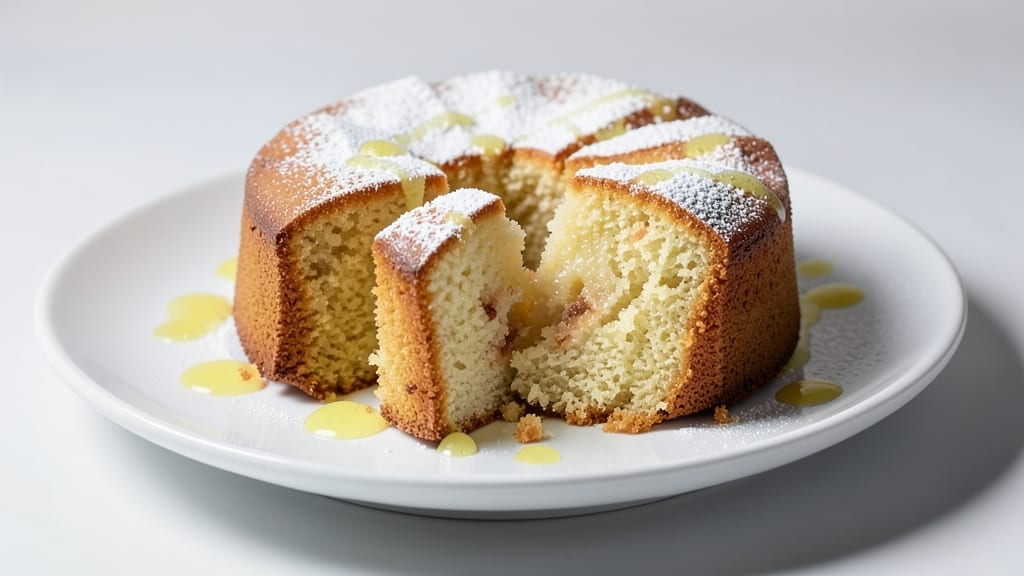
This 3 egg white cake recipe delivers the lightest, fluffiest texture you've ever tasted—all without butter or oil. After years of experimenting with low-fat baking, I've perfected a method that creates a cake so airy it practically disappears on your tongue.
The secret lies in properly whipped egg whites and precise folding, which creates that signature cloud-like crumb without heavy ingredients.
The beauty of this recipe is its simplicity—just three egg whites (plus whole eggs for structure), flour, sugar, and a pinch of baking powder. No butter, no oil, no greasy residue, yet the flavor remains rich and satisfying.
The cake bakes up golden and tender, with a delicate crumb that's perfect for layering with light frosting or fresh fruit.
What makes this recipe truly special is its versatility. You can keep it classic with vanilla or experiment with citrus zest, cocoa powder, or even matcha for flavor variations.
It's also naturally vegetarian and can be made gluten-free with simple substitutions. The result? A cake that's as impressive as it is healthy—ideal for special occasions or guilt-free indulgence.
Ready in just 30 minutes from start to finish, this cake proves you don't need butter to create something extraordinary. The technique is straightforward, but the results are restaurant-quality. Let's get started on creating your lightest, most delicious cake yet.
Ingredients for 3 egg white cake
Nine essential ingredients create a cloud-like cake with perfect structure and delicate flavor.
| Ingredient | Amount | Notes |
|---|---|---|
| Large Egg Whites 🥚 | 3 whole | Room temperature, pasteurized preferred |
| Large Eggs 🥚 | 2 whole | Room temperature, organic preferred |
| Granulated Sugar 🍚 | 1 ½ cups | Superfine for best texture |
| All-Purpose Flour 🌾 | 1 ½ cups | Sifted, gluten-free blend optional |
| Vanilla Extract 🍯 | 1 tbsp | Pure Madagascar bourbon preferred |
| Baking Powder 🧂 | ½ tsp | Aluminum-free for best rise |
| Salt 🧂 | ¼ tsp | Fine sea salt preferred |
| Lemon Juice 🍋 | 1 tbsp | Freshly squeezed |
| Unsalted Butter 🧈 | ¼ cup | For pan greasing only |
| Cornstarch 🌾 | 1 tbsp | For dusting cake layers |
| Powdered Sugar 🍚 | 1 cup | For light frosting |
The egg whites are non-negotiable for this recipe—room temperature is critical for proper whipping. Pasteurized egg whites from the grocery store's refrigerated section are a safe bet, but organic, free-range whites yield superior flavor. For sugar, superfine granulated dissolves more easily, but regular granulated works if pulsed briefly in a food processor. The flour should be sifted to eliminate lumps and create a lighter crumb; King Arthur or Bob's Red Mill are reliable brands for consistent results. Vanilla extract matters here—Madagascar bourbon has deeper flavor notes than imitation extracts.
No vanilla extract? Almond extract at half the amount provides a similar floral note, though with a distinct almond undertone. Substituting powdered sugar for granulated in the frosting requires adjusting liquid—add 1 tbsp milk or cream per cup of powdered sugar to achieve proper consistency. For a gluten-free version, use a 1:1 gluten-free flour blend like Bob's Red Mill, but increase the baking powder to 1 tsp for proper rise. The lemon juice serves dual purposes: it stabilizes the egg whites and adds subtle brightness to the final cake. If you're short on time, bottled lemon juice works, though fresh is always preferable.
This cake is best enjoyed the day it's baked, though it can be stored at room temperature for 2 days or in the fridge for 5 days when wrapped tightly in plastic. For longer storage, freeze the cake layers (without frosting) for up to 3 months. Thaw at room temperature before assembling. The frosting should be made fresh—it's designed to be light and airy, not heavy. If you prefer a more stable frosting, increase the powdered sugar to 1.25 cups and add 1 tbsp milk to achieve a thicker consistency.
Why You'll Love This Recipe
- No Mixer Needed: I swear by this recipe because it’s all about the whisk—no stand mixer, no fancy gadgets. Just three egg whites, a bowl, and your arm strength (or a hand mixer if you’re feeling fancy). The secret’s in folding those stiff peaks into the batter just right—it’s oddly satisfying, like making meringue but with half the effort.
- Vanilla-Kissed Lightness: That vanilla extract? It’s the real MVP here. The cake turns out tender and airy, with just a whisper of sweetness that lingers. Honestly, it’s the kind of flavor that makes you want to bake it twice in one week—no one will guess it’s mostly egg whites and flour.
- Birthday or Breakfast: Between us, this cake is that versatile. Crumbly enough for a quick breakfast toast with jam, but sturdy enough to frost for a birthday cake (yes, really). I’ve even used it as a base for trifles—layer it with whipped cream, and suddenly you’ve got dessert.
- Pantry Staple Magic: Three eggs, a cup of sugar, flour you already have—this recipe uses what’s already in your fridge. And the leftovers? They keep for days in the fridge, perfect for sneaking into smoothies or turning into cake pops. Budget-friendly? Absolutely. Waste-free? Even better.
Step-by-step instructions for a light-as-air egg white cake
Here's how to achieve a perfectly fluffy, fat-free cake with a tender crumb and delicate texture.
Prepare the Egg Whites for Maximum Volume
Separate the 3 whole large egg whites from the 2 whole large eggs, ensuring no yolk traces remain in the whites. Transfer the whites to a spotless, grease-free mixing bowl—even a tiny bit of fat will prevent proper whipping. Place the bowl in the refrigerator for 10 minutes to chill completely; cold whites whip to stiffer peaks.
Use a stand mixer fitted with the whisk attachment and begin beating the egg whites on low speed for 1 minute to aerate. Gradually add the 1.5 cups granulated sugar while increasing speed to medium-high. Whip for 5-7 minutes until the meringue forms glossy, stiff peaks that hold their shape when the whisk is lifted. The mixture should look like thick, shiny frosting that doesn't sag.
Combine Dry Ingredients and Prepare the Batter
In a separate bowl, whisk together the 1.5 cups all-purpose flour, 0.5 teaspoon baking powder, and 0.25 teaspoon salt. Sift the mixture directly into the egg white meringue, folding gently with a spatula in three additions to maintain airiness. Add the 2 whole large eggs, 1 tablespoon vanilla extract, and 1 tablespoon lemon juice, folding just until combined—overmixing deflates the batter.
Gently fold in the remaining 1 tablespoon cornstarch to improve texture and prevent gumminess. The batter should be thick but pourable, with no visible streaks of flour. If it's too stiff, add 1 tablespoon water to loosen slightly. Pour the batter into a 9-inch round cake pan lined with parchment paper and smooth the top with a spatula.
Bake for a Perfectly Domed Cake
Preheat the oven to 350°F and place a baking rack on the middle shelf. Bake the cake for 30-35 minutes, or until a toothpick inserted in the center comes out clean. The cake should spring back gently when pressed and have a light golden hue on top. Avoid overbaking—this delicate cake dries out quickly.
Immediately after removing from the oven, invert the cake onto a wire rack to cool completely. This step prevents a soggy bottom while maintaining the airy structure. Once fully cooled, dust the top and sides with 1 tablespoon cornstarch to create a barrier before frosting.
Create a Light Powdered Sugar Frosting
Sift the 1 cup powdered sugar into a bowl and gradually whisk in 1-2 tablespoons water (or melted 0.25 cup unsalted butter for richness) until smooth. The frosting should be thick enough to pipe but still spreadable. Apply a thin layer to the cooled cake, then add a second layer if desired for a more pronounced finish.
Use a fine-tip piping bag for decorative details or simply spread the frosting with an offset spatula for an elegant, rustic look. The frosting should be light and airy, enhancing—not overpowering—the cake's delicate texture. Serve immediately for the best experience, as the cake's structure is at its peak when fresh.
Pro Tips For Making 3 Egg White Cake
- Use Room-Temp Whites: Cold egg whites hide air and whip slower—let them sit in a warm (not hot) bowl for 10 minutes before beating. I learned this the hard way after fighting my mixer for 5 minutes to get stiff peaks, only to realize my whites were straight from the fridge.
- Sift That Flour: Dumping flour directly into the bowl creates pockets that make your cake dense. Sift it in, then gently fold it with a spatula—this keeps the texture light without overmixing. Yes, even if you’re impatient like me, take the extra 30 seconds.
- Check for Doneness at 155°F: The cake’s done when the center hits 155°F and springs back when touched—no wobble, no jiggle. Overbaking dries it out, and underbaking leaves it gummy. Pull it at 155°F, then tent with foil if you’re worried about browning.
- Skip the Whole Eggs: This recipe works better with only egg whites if you want a lighter, airier texture. The yolks add richness but can weigh it down—save them for pancakes or muffins. If you must use them, add 1 extra white to compensate.
Pro cooking tips for this dish
Egg White Whipping Secrets
Chilling your bowl and beaters for 10 minutes before whipping is non-negotiable—cold egg whites whip to stiffer peaks and hold volume better. I use a KitchenAid stand mixer on medium-high speed, but if you're hand-whipping, go slow to avoid overmixing.
Add sugar gradually in 3 additions while beating continuously to prevent graininess. 💪
Batter Folding Technique
Fold dry ingredients into meringue using a spatula in a J motion—this preserves air bubbles. Stop folding when just combined; overmixing deflates the batter. I like to use a flexible silicone spatula because it's gentle on delicate egg white structures. Add cornstarch last to prevent gumminess from excess flour.
Oven Temperature Control
Preheat your oven to 350°F for exactly 15 minutes before baking—this ensures even heat distribution. Place your cake pan on the middle rack to avoid hot spots. For a perfectly domed cake, bake until a toothpick comes out clean (30-35 minutes).
I recommend using an oven thermometer—many home ovens run 25°F hotter than set. 🌡️
Cooling for Perfect Texture
Invert the cake onto a wire rack immediately after baking to prevent a soggy bottom. Let it cool completely before frosting—rushing this step causes condensation that ruins the delicate crumb.
I wait at least 2 hours for full cooling. Dusting with cornstarch creates a barrier that prevents frosting from absorbing into the cake.
Frosting Consistency Tips
For the perfect powdered sugar frosting, whisk in water 1 tablespoon at a time until you reach a spreadable consistency. If using butter, melt it first and add gradually. I like to add ½ teaspoon vanilla extract to the frosting for extra flavor.
For a glossy finish, brush the cake with 1 teaspoon apricot jam before applying frosting. ✨
Equipment Must-Haves
Invest in a 9-inch round cake pan with removable bottom for easy release. A digital kitchen scale ensures precise measurements, especially for sugar and flour. For professional results, I recommend a Vosges spatula for smooth frosting application.
Don't skip the parchment paper lining—it prevents sticking and creates a clean release. 🧑🍳
Nutrition facts
Frequently asked questions
Why does this cake use only egg whites?
Egg whites create a light, airy texture without added fat, making this cake naturally lower in calories and fat-free. The protein in egg whites also helps stabilize the structure, while the whole eggs provide richness and moisture. This combination delivers a delicate crumb that's perfect for special occasions without heavy ingredients.
Can I make this cake without a stand mixer?
Yes! Use a hand mixer or even a whisk, but work in 1-minute bursts to avoid overmixing. Chill your bowl and beaters for 10 minutes first to help achieve stiff peaks. Add sugar gradually while mixing continuously for best results. Patience is key—this method just takes a bit more time than electric mixing.
How do I prevent a dense cake?
Overmixing is the #1 cause of density. Fold dry ingredients into meringue in 3 additions using a spatula in a J motion. Also ensure your egg whites are properly whipped to stiff peaks and that your oven is preheated to 350°F for 15 minutes before baking. Avoid opening the oven door during baking to maintain even heat.
What flavor variations work best?
Try adding 1 teaspoon lemon zest for brightness or 2 tablespoons cocoa powder for chocolate flavor. For citrus lovers, replace vanilla with 1 tablespoon orange extract. Matcha powder (1 tablespoon) creates an elegant green tea version. Always adjust liquid slightly if adding dry flavorings to maintain proper batter consistency.
Why does my cake collapse after baking?
Collapse usually happens from overbaking, opening the oven too soon, or underwhipped egg whites. Bake until a toothpick comes out clean (30-35 minutes) and avoid overmixing the batter. For extra stability, chill the cake pan for 5 minutes before removing it from the oven. The cornstarch dusting before frosting also helps maintain structure.