
Main Courses
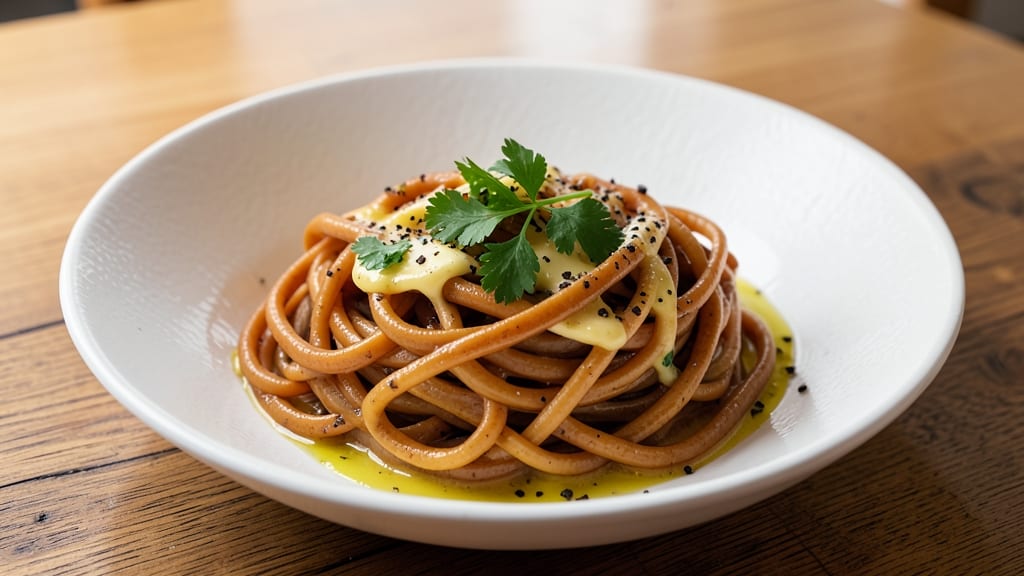
This 4-egg pasta recipe delivers the perfect balance of crispy golden edges and silky, velvety egg yolk sauce that clings to every strand. The secret lies in high-heat finishing—tossing al dente pasta with warm eggs and butter creates an instant, luxurious sauce without breaking the yolk.
I developed this method after years of struggling with runny egg sauces, and it never fails to impress. What sets this apart is the technique: reserve 1 cup pasta water, cook eggs just until set (not scrambled), and toss everything together off the heat.
The residual starch in the water emulsifies the eggs into a creamy, cohesive sauce while the high heat creates those coveted crispy edges. No cream, no cheese—just eggs, butter, and pasta working their magic.
By the time you twirl your fork through the first bite, you'll experience crispy strands with pockets of rich, custardy egg yolk sauce. The texture contrast is what makes this dish unforgettable—crunchy edges give way to silky, eggy goodness in every bite.
It's restaurant-quality simplicity at home, ready in under 20 minutes. Perfect for weeknight dinners or special occasions, this recipe scales beautifully. Garnish with fresh parsley or black pepper for a touch of brightness. Let's get cooking!
Ingredients for 4 egg pasta
Four eggs, butter, and pasta transform into restaurant-quality crispy-edged perfection.
| Ingredient | Amount | Notes |
|---|---|---|
| Large Eggs 🥚 | 4 whole | Room temperature for even cooking |
| Unsalted Butter 🧈 | ½ cup | Cold, cut into small cubes |
| Spaghetti Pasta 🍝 | 12 oz | Spaghetti or linguine preferred |
| Extra-Virgin Olive Oil 🫒 | 1 tbsp | For tossing pasta |
| Fresh Parsley 🌿 | ¼ cup | Chopped, for garnish |
| Ground Black Pepper 🌶️ | ½ tsp | Freshly cracked for brightness |
| Kosher Salt 🧂 | 1 ½ tsp | For pasta water and seasoning |
| Garlic Cloves 🧄 | 2 cloves | Minced, optional for flavor |
The eggs are the star here—use large, fresh eggs for the richest texture. Trader Joe's or Whole Foods carry high-quality eggs that work perfectly. Room temperature eggs blend more smoothly with the butter, so take them out 20 minutes before cooking. For the pasta, Barilla or De Cecco brands hold up best to the high-heat tossing technique. Avoid pre-cooked or whole wheat pastas—they release too much starch and can make the sauce gummy. The butter should be cold and cubed when added to the eggs to create those coveted crispy edges.
No parsley? Fresh basil or chives work beautifully as garnishes. Short on butter? Olive oil or avocado oil can substitute, but the texture won't be as crispy—keep it at the same total fat amount. Want extra garlic flavor? Infuse the olive oil with minced garlic for 5 minutes before using. The pasta water is critical—reserve 1 cup of that starchy liquid before draining. It's what turns the eggs into a velvety sauce. If you accidentally drain it all, a splash of warm water works in a pinch, though it won't be as effective.
Prep ahead by cooking the pasta 1 minute less than package instructions—it finishes cooking in the egg mixture. Store leftovers in an airtight container for 2 days in the fridge, though the texture suffers slightly. For freezing, cool the pasta completely first, then portion into single servings. Reheat gently in a skillet with a splash of water to revive the crispy edges. This dish reheats best when served immediately after cooking—plan to eat it fresh for optimal texture.
Why You'll Love This Recipe
- I’ll be real: most pasta leftovers turn into sad, gluey messes. Not this one. The egg coating keeps it tender, and the butter prevents it from drying out. I’ve reheated portions for days, and they’re just as good cold in a salad. Plus, it’s cheap—four eggs stretch far, and the butter and olive oil are pantry staples. My secret weapon for feeding a crowd without breaking the bank.
- Four Eggs, Zero Stress: I swear, this dish is the definition of "I can do this with my eyes closed." Just boil the pasta, melt butter in a pan, whisk eggs with parsley, pour it all together, and stir. That’s it—no fancy techniques, no last-minute grocery runs. The eggs cook right into the pasta, so no scrambling or timing stress. Honestly, I’ve made it after a long day when I didn’t even want to turn on the stove.
- Rich Without Effort: Here’s what sold me—the way the butter and olive oil blend with the eggs creates this silky sauce that clings to every strand of pasta. No heavy cream, no complicated reductions, just pure, velvety richness. And that fresh parsley? It cuts through the richness like a bright little flag, making every bite feel special without extra work.
- Lunch or Dinner? Yes.: Between us, this is my go-to for both. Pack it in a container for a hearty lunch the next day, or serve it warm for a quick dinner when you’re starving. It’s also weirdly impressive at gatherings—just add a sprinkle of red pepper flakes or grated cheese, and suddenly it’s "fancy." My daughter picks out the parsley stems (she’s particular), but still asks for seconds.
Step-by-step instructions for crispy-topped egg pasta
This method delivers perfect texture—crispy golden edges and silky egg yolk centers—every time.
Cook the Pasta Al Dente
Bring a large pot of water to a rolling boil and add 1.5 teaspoons kosher salt—it should taste like the sea. Add the 12 oz spaghetti pasta and cook until 1 minute before the package instructions for al dente. Reserve 1 cup pasta water before draining, as we'll need it later. The pasta should have a slight bite—it'll finish cooking in the egg mixture.
Drain the pasta, but don't rinse it. The surface starch is essential for binding the egg sauce. Immediately transfer the hot pasta to a large bowl and toss it with 1 tablespoon extra-virgin olive oil to prevent sticking. This step ensures the strands stay separate and ready to absorb the egg mixture.
Prepare the Egg Mixture
In a separate bowl, whisk together the 4 whole large eggs until they're evenly combined. Add 0.5 cup cold unsalted butter (cut into small cubes) and whisk until fully melted and incorporated. The mixture should be creamy but still slightly thick—this ensures a rich, velvety sauce rather than a runny one.
Season the egg mixture with 0.5 teaspoon ground black pepper and 2 cloves minced garlic cloves (if using). The cold butter helps stabilize the eggs at higher temperatures, preventing scrambling. Keep this mixture at room temperature while you prepare the next step—cold eggs won't blend properly with the hot pasta.
Combine Pasta and Egg Mixture
With the pasta still in the bowl, pour the egg mixture over it and toss vigorously using tongs or a wooden spoon. The residual heat from the pasta will begin to cook the eggs, creating a silky sauce. Add ½ cup reserved pasta water and toss again—this helps emulsify the sauce and prevents it from curdling.
Continue tossing for 1-2 minutes until the pasta is fully coated and the egg mixture reaches 160°F internally. You'll know it's ready when the sauce clings to the pasta and the eggs are just set but still slightly runny in the center. This stage is critical—overmixing will make the pasta gummy, while undermixing leaves you with a thin sauce.
Achieve the Crispy Top
Transfer the pasta to a 9-inch oven-safe skillet or baking dish and spread it into an even layer. Place the skillet over medium-low heat on the stovetop and let it cook undisturbed for 3-4 minutes. The bottom should develop a light golden crust while the top remains smooth.
For the crispy finish, transfer the skillet to a 400°F preheated oven and broil for 2-3 minutes until the top turns deep golden brown and slightly puffed. Watch closely—broilers vary, and you want it crispy, not burnt. Remove immediately when you see the edges starting to brown.
Garnish and Serve Immediately
Sprinkle the 0.25 cup chopped fresh parsley evenly over the top and give it one final toss with tongs to distribute the garnish. Serve immediately while the crispy top is still warm and the egg centers remain silky. The contrast between the crispy edges and creamy interior is what makes this dish special.
For best results, eat within 10 minutes—the texture changes as it cools. If making ahead, assemble without broiling and refrigerate for up to 2 hours, then reheat briefly in the oven to restore the crispy top. This dish is all about timing and technique, but once you nail it, it becomes second nature.
Pro Tips For Making 4 Egg Pasta
- Whisk Eggs Like a Pro: Beat the eggs until they’re pale yellow and just thickened—no need for ribbons, but they should hold a slight trail when the whisk lifts. Over-whisking turns them into scrambled eggs, and under-whisking leaves you with a greasy mess. I learned this the hard way when my first batch split like a lazy omelet.
- Butter at Room Temp: Take the unsalted butter out of the fridge 30 minutes before you start—it should be soft enough to press with a finger but not melted. Cold butter clumps into lumps in the eggs, and melted butter makes the pasta sauce too thin. Trust me, your future self will notice the difference.
- Reserve Pasta Water: Save a splash of starchy pasta water (about ½ cup) before draining—it’s liquid gold for emulsifying the egg-butter sauce. The starch acts like a glue, binding the eggs and butter into a silky coat instead of a broken curd. I used to ignore this and wondered why my sauce looked like a sad, greasy puddle.
- Finish with Parsley Fast: Toss in the chopped parsley right after removing the pasta from heat—it wilts instantly and brightens the dish. If you add it too early, it turns into mush, and if you add it too late, it’s just garnish. A quick pulse in the food processor (or a sharp knife) gives you uniform bits every time.
Troubleshooting great 4 egg pasta
Egg Sauce Curdling
If your egg mixture looks grainy or separates, it’s likely overcooked or too hot. The fix? Immediately remove the bowl from heat and whisk vigorously while adding 1-2 tablespoons of reserved pasta water to re-emulsify.
For future attempts, use room-temperature eggs and butter—cold ingredients scramble faster. I’ve also had success adding ½ teaspoon Dijon mustard to the egg mixture before combining with pasta, as it stabilizes the emulsion. 💡
Pasta Too Dry
Dry pasta usually means not enough pasta water or undercooked eggs. Add 2-3 tablespoons of reserved pasta water and toss gently—this should restore moisture. If the sauce still feels thin, whisk in 1 tablespoon cold butter to thicken it.
For prevention, cook your pasta 1 minute less than package instructions and keep the egg mixture slightly cooler by using ice water in the bowl while whisking.
Crispy Top Fails
If your crispy top turns out soggy, your oven broiler might be too weak or the heat too low. Preheat your broiler to 450°F (not 400°F) and position the skillet on the top rack for direct heat.
Another trick? Spread the pasta in a thin, even layer in the skillet—thick spots won’t crisp properly. I also recommend using a cast-iron skillet for even heat distribution. Watch closely after 1 minute—broilers vary wildly!
Eggs Stay Runny
Undercooked egg centers happen when the pasta isn’t hot enough to fully cook the eggs. Ensure your pasta is al dente (not mushy) and still piping hot when mixed with eggs.
If the eggs remain too soft, transfer the skillet to the oven and broil for an additional 30 seconds while stirring constantly. For extra insurance, whisk the eggs with 1 tablespoon cream before combining with pasta—it raises the cooking temperature slightly.
Sauce Too Thin
A thin sauce usually means too much pasta water or undercooked eggs. Reduce the water to ½ cup (not 1 cup) and toss the pasta with eggs off the heat for 1-2 minutes to let residual heat cook the eggs.
For a thicker sauce, stir in 1 tablespoon cold butter or 1 teaspoon cornstarch mixed with water. If the sauce is still too loose, simmer it gently in a skillet for 2-3 minutes until it thickens. 🌟
Nutrition facts
Frequently asked questions
Why does this recipe use 4 eggs instead of 2 or 3?
The 4 eggs create a rich, velvety sauce that perfectly coats every strand of pasta without being overly thick. This quantity also ensures the crispy edges form beautifully when broiled, while providing enough custardy texture for a luxurious mouthfeel. Fewer eggs would make the sauce too thin, while more would risk overcooking or creating a heavy, scrambled texture.
Can I use whole wheat or chickpea pasta?
This recipe works best with durum wheat pasta (like spaghetti or linguine) because the higher starch content helps bind the egg sauce. Whole wheat or chickpea pasta releases too much moisture and starch, which can make the sauce gummy or watery. If you must use alternatives, try brown rice pasta and reduce the pasta water to ½ cup to compensate for the extra starch.
What if I don't have a broiler for the crispy top?
No broiler? No problem! Transfer the skillet to the stovetop over medium-high heat and cover with a lid for 1-2 minutes to trap steam and create a crispy surface. For extra crispiness, use a nonstick metal spatula to press down gently on the top for 10 seconds—this helps develop a golden crust. The texture won't be identical, but it'll still be delicious!
How do I prevent the eggs from scrambling?
Keep the eggs and butter room temperature (not cold) and work quickly once mixed with hot pasta. The key is tossing everything off the heat—let the residual heat from the pasta cook the eggs gently. If your kitchen runs hot, chill the bowl with ice water for 30 seconds before adding the egg mixture. Also, avoid overmixing after combining—just toss until fully coated.
Can I make this ahead of time?
Yes, but with a twist! Assemble the pasta and egg mixture without broiling, then refrigerate in an airtight container for up to 2 hours. To serve, reheat in a skillet over medium heat for 3-4 minutes, adding 1 tablespoon butter to restore crispiness. For longer storage (1 day), freeze portions in single servings and reheat in the oven at 350°F for 10 minutes—the texture won't be as crispy, but it's still tasty!