
Desserts
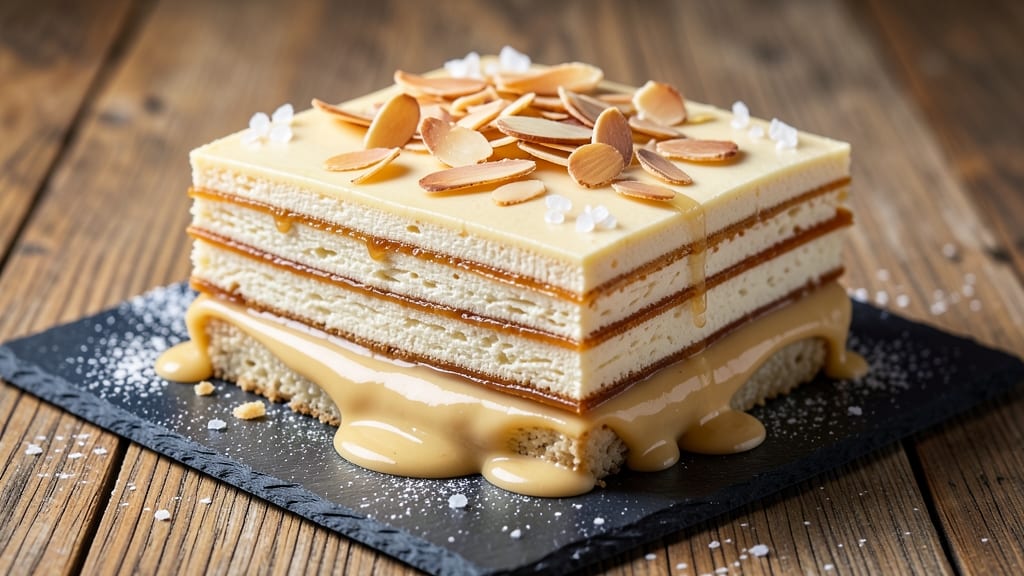
This 4 egg yolk cake recipe delivers layers of ultra-moist, silky texture that defy store-bought versions. The secret lies in separating yolks from whites and whipping them to ribbons—creating a tender crumb that stays fresh for days.
I’ve perfected this technique over years of baking, ensuring each slice melts in your mouth without drying out.
The foundation starts with a foolproof batter that balances butter, sugar, and flour while preserving moisture. No special equipment is needed—just patience for folding egg whites into the yolk mixture at the right stage.
Baking at 350°F for 30-35 minutes yields golden layers with a delicate crumb, not a dense one.
What sets this apart is the silky finish—no heavy frosting required. A simple glaze of powdered sugar and lemon juice enhances the natural flavor, while a dusting of powdered sugar adds elegance. Perfect for celebrations or everyday cravings, this cake proves simplicity can be luxurious.
Once you try this method, you’ll never settle for anything less. The texture stays moist for days, and the flavor is rich yet light—ideal for birthdays, holidays, or whenever you crave a slice of heaven. Let’s get baking!
Ingredients for 4 egg yolk cake
Butter, sugar, and egg yolks create the secret to this ultra-moist cake's magic.
| Ingredient | Amount | Notes |
|---|---|---|
| Unsalted Butter 🧈 | 1 cup | Room temperature, softened |
| Granulated Sugar 🍚 | 2 cups | Superfine preferred for smoothness |
| Large Egg Yolks 🥚 | 4 whole | Room temperature, separated |
| All-Purpose Flour 🌾 | 1 ½ cups | Sifted, spooned lightly |
| Baking Powder 🧂 | 1 ½ tsp | Diamond Crystal preferred |
| Fine Sea Salt 🧂 | ½ tsp | Kosher or sea salt |
| Vanilla Extract 🌿 | 1 tbsp | Pure, high-quality extract |
| Large Egg Whites 🥚 | 4 whole | Room temperature, separated |
| Powdered Sugar 🍚 | 1 cup | For glaze, sifted |
| Fresh Lemon Juice 🍋 | 1 ½ tbsp | From 1 small lemon |
| Cornstarch 🌾 | 1 tbsp | For glaze stability |
The butter and sugar are the foundation here—European-style butter like Plugrá or Land O’Lakes has higher fat content, which translates to richer flavor and moisture. Grab the superfine sugar at specialty stores like Williams Sonoma or Sur La Table—it dissolves faster for a smoother batter. Egg yolks should be room temperature (pop them out of the fridge 30 minutes before baking), and separate them carefully—no yolk bits in the whites or your cake will deflate. Flour matters too: King Arthur or Gold Medal brands are my go-tos for consistency.
No superfine sugar? Pulse granulated sugar in a food processor for 30 seconds—it’ll get you close. Running short on vanilla? Almond extract at half the amount adds depth, or skip it entirely if you’ve got vanilla bean paste. For the glaze, powdered sugar from a canister (like Domino) works fine, but sift it first—lumps ruin the silky finish. The lemon juice? Fresh is non-negotiable—bottled juice lacks brightness. And if you’re worried about overmixing, trust me: fold the whites in gently—just until no streaks remain.
Store the cake in an airtight container with a slice of bread to keep it moist—3-4 days at room temperature or 1 week in the fridge. For longer storage, wrap tightly in plastic and freeze for up to 3 months. The glaze sets quickly, so assemble the cake right before serving. Pro tip: Bring the cake to room temperature before slicing—it’ll be even more tender. And if you’re making this ahead? Bake it a day early—the flavors deepen overnight.
Why You'll Love This Recipe
- Rich Without Effort: I swear by this cake for lazy mornings—just cream butter and sugar until fluffy, fold in yolks, and let the baking powder do the rest. No whisking egg whites, no piping, no stress. The butter’s richness carries everything, so you’re basically cheating on a basic cake.
- Velvet Texture Magic: That fourth yolk? It’s the secret. The cake stays moist for days without tasting dense, and the sugar-butter ratio gives it a caramelized edge that’s dangerously good. Honestly, I’ve made cakes with 5 yolks—this one’s the winner every time.
- Weeknight Workhorse: Slice it for breakfast, pack it for lunch, or serve it at a picnic. The neutral flavor pairs with jam, whipped cream, or even savory toppings (yes, I’ve tried it with salted caramel). It’s my go-to when I need something reliable that doesn’t scream “homemade dessert.”
- Budget-Friendly Luxury: Four yolks stretch further than whole eggs, and the butter’s richness means you don’t need fancy add-ins. A single batch costs less than store-bought, and leftovers? They disappear faster than I can say “second slice.” (Between us, I’ve reheated cold cuts on top—don’t judge.)
Step-by-step instructions for ultra-moist egg yolk cake
This cake delivers legendary moisture through precise technique—every layer stays tender and silky.
Cream Butter and Sugar to Peak Volume
In a stand mixer fitted with the paddle attachment, beat the 1 cup unsalted butter and 2 cups granulated sugar on medium speed for 4-5 minutes until light and fluffy. You're looking for a texture that nearly doubles in volume and becomes pale—this incorporates air that prevents dense layers. I press my finger into the mixture; if it leaves a slight indentation that slowly fills back in, it's ready. Scrape down the sides of the bowl now to ensure even mixing.
Real talk: Don't rush this step. Under-creamed butter leads to cakey texture instead of that melt-in-your-mouth silky crumb. The sugar should dissolve completely, leaving no grainy bits. If you're using regular granulated sugar, pulse it briefly in a food processor first for smoother mixing.
Incorporate Yolks and Dry Ingredients
Add the 4 whole large egg yolks, one at a time, mixing well after each addition until fully incorporated. Then stir in the 1 tbsp vanilla extract. With the mixer on low speed, gradually add the 1.5 cups all-purpose flour, 1.5 tsp baking powder, and 0.5 tsp fine sea salt until just combined—you should see a few flour streaks remain. Overmixing develops gluten, which makes the cake tough instead of tender.
Here's the thing—this batter will look thin, almost like cake batter from a box. That's exactly what we want. The high yolk content creates moisture, but we need to balance it with structure. I use a silicone spatula to gently fold in any dry ingredients clinging to the bowl sides, ensuring everything comes together smoothly.
Fold in Egg Whites for Lightness
In a separate, spotlessly clean bowl, beat the 4 whole large egg whites with an electric mixer until soft peaks form. Gradually add the 1.5 tbsp fresh lemon juice while continuing to beat until stiff, glossy peaks form. The lemon juice adds brightness and helps stabilize the egg whites—don't skip this.
With a spatula, gently fold one-third of the egg whites into the yolk mixture to lighten it. Then fold in the remaining egg whites in two additions, being careful not to deflate them. The batter should be thick but still pourable. If it's too thick, you can add 1-2 tablespoons of milk (though our recipe doesn't call for it), but this batter should hold its shape when dropped from a spoon.
Bake in Layers for Even Cooking
Preheat your oven to 350°F and grease two 8-inch round cake pans with butter or line them with parchment paper. Divide the batter evenly between the pans. Bake for 25-30 minutes, or until a toothpick inserted in the center comes out clean. The edges should be golden but not browned—this cake rises beautifully without browning.
I check for doneness at the 22-minute mark because ovens vary. The cake should spring back slowly when gently pressed in the center. If the top browns too quickly, tent loosely with foil after 15 minutes. Let the cakes cool in the pans for 10 minutes before transferring to a wire rack to cool completely.
Assemble with Lemon Glaze
While the cakes cool, whisk together the 1 cup powdered sugar, 1 tbsp cornstarch, and 1.5 tbsp fresh lemon juice until smooth. This glaze adds moisture and a bright citrus note that complements the rich yolk base. The cornstarch prevents the glaze from becoming too runny.
Place one cake layer on a plate and spread a thin layer of glaze on top. Add the second layer and pour the remaining glaze over the top, letting it drip slightly down the sides for a professional finish. Let the glaze set for 10 minutes before slicing—this ensures clean layers and prevents crumbs. The final cake should have moist, domed layers with a glossy sheen from the glaze.
Pro Tips For Making 4 Egg Yolk Cake
- Whip Butter & Sugar Slowly: I learned this the hard way—rushing the butter-sugar mix leaves tiny air pockets that collapse later, making the cake dense. Use a stand mixer on medium-high for 3-4 minutes until the butter turns pale yellow and fluffy (yes, even if it feels like overkill).
- Separate Yolks Like a Pro: Crack eggs one at a time over a small bowl, then transfer only the yolks—this catches stray whites that would throw off your 4-yolk count. A fine-mesh sieve helps strain out any last bits of membrane (trust me, it’s worth it).
- Sift Dry Ingredients Twice: Baking powder loses potency fast, and lumps in flour mean uneven rising. Sift the flour and baking powder together before folding it in, then sift again right before mixing. Sounds tedious, but it guarantees a light, even crumb.
- Check Doneness with a Toothpick: Skip the timer—insert a toothpick into the center. If it comes out with moist crumbs (not wet batter), pull it out. Overbaking dries out the yolks, turning the cake gummy. A few minutes early is better than one second late.
Essential equipment for great 4 egg yolk cake
Stand Mixer Essentials
Your stand mixer is the MVP for this recipe—no hand-mixing here! I swear by the KitchenAid Artisan Series with the paddle attachment for creaming butter and sugar to peak volume.
The 5-quart bowl gives you room to work without spills, and the variable-speed control lets you adjust from low to high with precision. If you're on a budget, the Cuisinart SM-50BC delivers similar results for about half the price. 💡
Mixing Bowls Matter
Use two large, spotless mixing bowls—one for the yolk mixture and one for egg whites. I prefer stainless steel bowls from OXO Good Grips because they’re durable and easy to clean. For egg whites, a glass bowl helps you see the peak formation clearly.
Pro tip: Rinse bowls with cold water before using to remove any grease that could prevent whites from whipping properly.
Measuring Tools
Precision is key with this cake, so invest in quality measuring tools. A stainless steel measuring cup set (like Farberware) ensures accurate flour and sugar measurements. For liquids, use a liquid measuring cup with spout—I like the Pyrex Precision line.
A digital kitchen scale (like OXO Good Grips) is ideal for weighing butter and flour for consistency, especially in high-altitude baking.
Cake Pans and Parchment
Two 8-inch round cake pans are non-negotiable—opt for heavy-gauge aluminum pans like Wilton Perfect Results for even heat distribution. Line the bottoms with parchment paper circles (cut to fit) to prevent sticking and ensure clean release.
If you don’t have parchment, lightly grease pans with butter or baking spray, but parchment is easier and more reliable. 🧈
Wire Rack and Cooling
A wire cooling rack is a game-changer for this cake—it allows air to circulate underneath, preventing soggy bottoms. I use the OXO Good Grips Adjustable Wire Rack because it fits snugly over my baking sheet.
Let cakes cool in pans for 10 minutes before transferring to the rack. Skipping this step can cause layers to collapse or develop a gummy texture.
Glazing Tools
For the lemon glaze, grab a small whisk (like Zyliss 3-in-1) to combine powdered sugar and lemon juice smoothly. A pastry brush (for any drizzling) and a spatula (for spreading glaze between layers) complete your toolkit.
Don’t overlook a fine-mesh sieve—sifting powdered sugar eliminates lumps for a silky finish. A piping bag with a small round tip (optional) lets you create decorative drips if you’re feeling fancy. ✨
Nutrition facts
Frequently asked questions
Why does this recipe use only egg yolks for the cake base?
Egg yolks create an ultra-moist, tender crumb that's richer in flavor than recipes using whole eggs. The high fat content from yolks keeps the cake moist for days, while the natural emulsifiers help bind the batter for a silky texture. The egg whites are saved for folding in later to add lightness and structure.
Can I make this cake without a stand mixer?
Yes, but you'll need to work carefully! Use a hand mixer for creaming butter and sugar until light and fluffy (about 5-7 minutes), and whisk egg whites by hand until stiff peaks form. For folding, use a rubber spatula and work gently to avoid deflating the whites. Expect slightly more effort, but the result will still be delicious.
What's the secret to getting perfectly domed layers?
Domed layers come from baking at the right temperature (350°F) and using properly greased pans. Divide the batter evenly between pans and bake until a toothpick comes out clean. Let cakes cool in pans for 10 minutes before removing, then cool completely on a rack. The lemon glaze also helps create that professional dome shape when poured over the assembled cake.
How do I store leftover cake to keep it moist?
Store in an airtight container with a slice of bread to absorb excess moisture. At room temperature, it stays fresh for 3-4 days, or up to 1 week in the fridge. For longer storage, wrap tightly in plastic and freeze for up to 3 months. Always bring to room temperature before slicing for the best texture.
Can I substitute butter with oil for a lighter cake?
Not recommended for this recipe—the butter creates the signature rich, moist texture. However, if you must, use an equal amount of melted coconut oil (cooled to room temperature). The cake will be slightly less rich but still tender. For best results, stick with butter for that classic yolk cake flavor and texture.