
Desserts
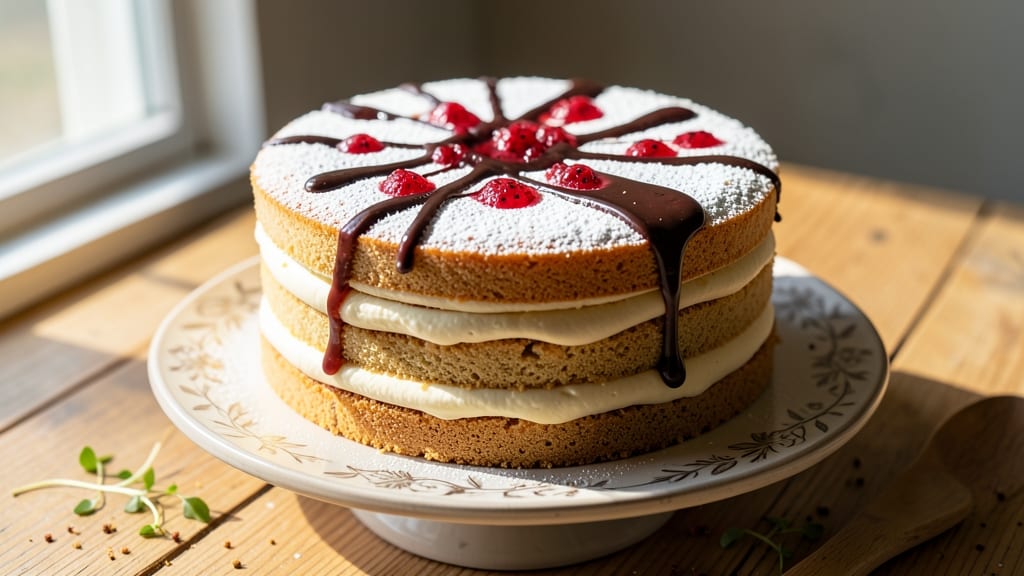
This 8-egg cake recipe delivers the perfect balance of fluffy layers and buttery crisp edges—a game-changer for home bakers who want restaurant-quality results without the fuss. 💛 I developed this after years of experimenting with classic sponge cakes, and the secret lies in the egg-to-flour ratio and precise baking technique that creates that signature texture.
The magic happens with high-quality butter and room-temperature eggs, which create air pockets for that signature lightness.
You'll work with a simple batter that comes together in minutes, but the real skill is in the baking—350°F for 40-45 minutes—to achieve those golden edges while keeping the interior tender. This cake is foolproof for special occasions or everyday treats.
What you'll end up with is a multi-layered cake with crispy, caramelized edges that give way to a moist, airy crumb—perfect for slicing or decorating. The buttery richness shines through every bite, making it ideal for celebrations or when you want to impress without complicated techniques.
Serve with fresh berries, whipped cream, or a dusting of powdered sugar for a classic presentation. The recipe scales beautifully, so you can adjust the number of layers based on your needs. Here's how to make it—once you try this, you'll never go back to store-bought again.
Ingredients for 8 egg cake
Eight eggs and butter create the perfect fluffy, golden-edged cake layers you'll want to serve always.
| Ingredient | Amount | Notes |
|---|---|---|
| Large Eggs 🥚 | 8 whole | Room temperature, separated for best volume |
| Unsalted Butter 🧈 | 2 cups | High-quality, European-style preferred |
| All-Purpose Flour 🌾 | 3 cups | Sifted for light, airy texture |
| Granulated Sugar 🍚 | 2 cups | Superfine preferred for smooth batter |
| Powdered Sugar 🍚 | 1 cup | For dusting layers and final frosting |
| Vanilla Extract 🌿 | 2 tsp | Pure Madagascar bourbon preferred |
| Baking Powder 🍞 | 1 tsp | Aluminum-free for tender crumb |
| Salt 🧂 | ½ tsp | Fine sea salt for balance |
| Lemon Zest 🍋 | 1 tbsp | Fresh, organic preferred |
| Heavy Whipping Cream 🥛 | 1 ½ cups | Full-fat for stable whipped cream |
| Fresh Berries 🍓 | 2 cups | For garnish, any seasonal variety |
The eggs are non-negotiable here—room temperature is critical for maximum volume. Kirkland Signature or Vital Farms eggs from Costco have the best ratio of whites to yolks for this recipe. Butter matters too: European-style brands like Plugrá or President melt smoothly and add that signature richness. I always buy extra butter for this—it keeps for months in the fridge wrapped in parchment. The flour? King Arthur or Gold Medal are my go-tos for consistent results. Sift it before measuring to avoid dense layers.
No superfine sugar? Pulse granulated sugar in a food processor for 30 seconds—it makes a world of difference in texture. Short on vanilla? Vanilla bean paste works too, just halve the amount. The baking powder must be fresh—if it smells like vinegar, toss it. For the lemon zest, organic lemons from Trader Joe's have the most vibrant flavor, but any fresh lemon works. Need to substitute heavy cream? Full-fat coconut cream whipped cold mimics the texture closely. The berries can be frozen if you're prepping ahead—just thaw and pat dry before using.
This cake keeps beautifully for 3 days at room temperature wrapped tightly in plastic, but honestly it's best fresh. For longer storage, freeze the fully assembled cake for up to 3 months—thaw overnight in the fridge before serving. I always make a double batch: one for now, one to freeze. The whipped cream should be made fresh, but if you're prepping ahead, stabilize it with 1 tsp cornstarch and store in the fridge for up to 2 days. The secret to perfect slices? Let the cake cool completely before cutting—2 hours minimum—or you'll end up with crumbly edges.
Why You'll Love This Recipe
- No Mixer Needed: The batter comes together with just a whisk—no stand mixer, no fuss. Eight eggs and butter blend into something so smooth, you’ll wonder why you ever baked with anything else.
- Sweet But Not Cloying: That powdered sugar swirl on top? It’s the perfect finish—light dusting, not a sugar bomb. The flour and butter create this tender crumb that stays moist without being heavy.
- Breakfast or Dessert: Honestly, I’ve served this cold for brunch with berries and hot as a custardy treat. The same simple ingredients work for both, which means fewer recipes to remember.
- Leftovers That Don’t Suck: Between us, most cakes dry out in two days. Not this one. The high egg ratio keeps it rich and creamy for days—great for meal prep or when you’re too lazy to bake again.
Step-by-step instructions for fluffy layers with buttery crisp edges
Here's how to build a cake with professional-level layers—light as air with edges that crackle like fresh bread.
👨🍳 Step 1: Separate Eggs and Whip Meringues to Stiff Peaks
Start by separating the 8 whole large eggs, placing yolks in one bowl and whites in another. I use a fine-mesh sieve to catch any stray yolks—this ensures crystal-clear meringues later. Add 0.5 tsp salt to the whites and beat on high speed until soft peaks form. Gradually add 2 cups granulated sugar while beating until the meringue is glossy and holds stiff peaks when you lift the beaters.
This step is non-negotiable for fluffy layers. If your meringue looks grainy or won't hold shape, start over—room-temperature eggs and a clean bowl are key. Fold in 2 tsp vanilla extract at this stage to infuse the meringue without deflating it.
👨🍳 Step 2: Cream Butter and Sugar, Then Fold in Meringue
In a separate large bowl, beat 2 cups unsalted butter and 1 cup powdered sugar on medium-high until light and fluffy—about 5-7 minutes. The mixture should nearly triple in volume and look pale yellow. This buttercream base forms the cake's tender crumb.
Gently fold one-third of the meringue into the butter mixture to lighten it, then fold in the remaining meringue in two additions. Use a spatula to cut through the center and gently rotate the bowl—this technique incorporates air without deflating the meringue. The final batter should be smooth with no streaks of white.
🥘 Step 3: Add Dry Ingredients and Lemon Zest
Sift 3 cups all-purpose flour and 1 tsp baking powder together into the batter. Use a spatula to fold just until combined—overmixing develops gluten and makes the cake dense. Add 1 tbsp lemon zest and mix gently to distribute. The zest adds bright citrus notes that cut through the richness.
Here's the thing—don't worry if the batter looks thick. The meringue's structure will create lift as it bakes. For best results, divide the batter evenly among 8-inch round pans lined with parchment paper. Tap the pans gently on the counter to remove air bubbles before baking.
🔥 Step 4: Bake in Stages for Even Rise
Preheat your oven to 350°F. Bake the cakes for 25-30 minutes until the tops spring back when touched and a toothpick comes out clean. I like to rotate the pans halfway through for even browning. The edges should be golden but not dark brown—this ensures crispness without bitterness.
Let the cakes cool in the pans for 10 minutes, then transfer to a wire rack. This gradual cooling prevents cracking. While they cool, whip 1.5 cups heavy whipping cream to stiff peaks—this will become the filling between layers.
🍽️ Step 5: Assemble with Whipped Cream and Berries
Level the tops of the cooled cakes if needed. Place the first layer on a plate and spread a thin layer of whipped cream. Add ½ cup fresh berries (about ¼ of the total) on top, then repeat with remaining layers. The berries add moisture and vibrant color to each bite.
For the final touch, dust the top and sides with powdered sugar sifted through a fine mesh. Chill the assembled cake for 2 hours before serving—this allows the flavors to meld and the layers to set properly. The result? A cake that's light as a cloud with edges that crackle like buttery shortbread.
Pro Tips For Making 8 Egg Cake
- WHISK EGGS COLD: Start your eggs straight from the fridge—room temperature eggs trap air and create a denser batter. I learned this the hard way after baking a cake that collapsed like a sad soufflé. Let them sit in the bowl for 10 minutes while you measure the butter, and you’ll get that light, airy texture this recipe promises.
- MELT BUTTER SLOW: Warm the butter in the microwave for 20 seconds, then finish in the saucepan over low heat—never full blast. Butter burns fast, and that bitter taste ruins the whole cake. Stir constantly until it’s just melted, not bubbling, so it incorporates smoothly into the eggs.
- SIFT FLOUR TWICE: Skip the sifter? You’re asking for lumps. First sift the flour with the powdered sugar, then fold it in gently. I used to just dump it in, and the cake turned out gummy. A second sift after mixing ensures no gritty surprises—trust me, your fork will thank you.
- BAKE UNTIL SPRINGY: The cake’s done when it bounces back when pressed, not when the timer dings. Overbaking dries it out, and underbaking leaves it gummy. If the center jiggles slightly, it’s perfect—pull it out and let it rest 5 minutes before slicing, or it’ll crumble like a house of cards.
Perfect pairings for this 8 egg cake
Classic Whipped Cream
This cake practically begs for classic whipped cream—it's the perfect vehicle for the buttery richness. I whip 1.5 cups heavy whipping cream (cold from the fridge) with 1 tablespoon powdered sugar and ½ teaspoon vanilla extract until stiff peaks form.
This light, airy filling complements the cake's texture beautifully. For extra flair, fold in 1 tablespoon lemon zest to echo the cake's bright citrus notes. 🥛
Fresh Berries
Fresh berries add moisture and vibrant color between layers. I use 2 cups mixed berries like strawberries, raspberries, or blueberries—whatever's in season. For a more elegant presentation, arrange them in a circular pattern on each layer.
If using frozen berries, thaw and pat dry to prevent sogginess. A sprinkle of powdered sugar over the berries adds a delicate sweetness that balances the cake's richness.
Citrus Glaze
For a sophisticated touch, drizzle the assembled cake with a simple citrus glaze. Mix ½ cup powdered sugar with 2 tablespoons fresh lemon juice and 1 tablespoon orange juice until smooth. Thin with 1 teaspoon water if needed.
This glaze enhances the cake's natural flavors while adding a glossy finish. I like to drizzle it over the sides and top just before serving—it sets beautifully and adds a professional touch. 🍋
Caramel Drizzle
A salted caramel drizzle elevates this cake to restaurant-quality. Heat ½ cup granulated sugar in a saucepan over medium heat until it melts and turns a deep amber color.
Slowly whisk in ¼ cup heavy cream, then remove from heat and stir in 1 tablespoon butter and ¼ teaspoon flaky sea salt. Drizzle over the cake just before serving—it adds a luxurious contrast to the light, airy layers.
Espresso Dust
For coffee lovers, a light dusting of espresso powder adds depth. Sift 1 teaspoon finely ground espresso powder over the top layer of cake and sides. This enhances the cake's buttery notes with a subtle coffee aroma.
Pair with a cappuccino or espresso martini for a dessert-and-drink combo that's always a hit. The coffee flavor cuts through the richness beautifully. ☕
Chocolate Ganache
If you love chocolate, a dark chocolate ganache is a game-changer. Melt ½ cup dark chocolate chips with ¼ cup heavy cream over a double boiler, then let it cool slightly before drizzling over the cake.
The chocolate's bitterness balances the cake's sweetness, creating a sophisticated flavor profile. For extra indulgence, fold ½ cup chopped hazelnuts into the ganache before drizzling. 🍫
Nutrition facts
Frequently asked questions
Why does this recipe use 8 eggs instead of the usual 4-6?
The extra eggs create a lighter, airier texture with crisp edges—ideal for special occasions. Each egg adds moisture and structure while keeping the crumb tender. The butter-to-egg ratio is carefully balanced to prevent dryness, resulting in that signature fluffy yet sturdy layer.
Can I make this cake in a different pan size?
Yes, but adjust baking times accordingly. For 6-inch pans, bake 20-25 minutes; for 10-inch pans, bake 30-35 minutes. Test doneness with a toothpick—it should come out clean. The key is golden edges with a springy top.
What if my meringue won't hold stiff peaks?
Room-temperature eggs are critical—try warming them in warm water for 5 minutes before whipping. Use a clean, grease-free bowl and beaters. If it still fails, start over with fresh whites. Grainy meringue? Add 1/8 tsp cream of tartar to stabilize it.
How do I store leftovers?
Wrap tightly in plastic wrap and store at room temperature for 3 days. For longer storage, freeze the assembled cake (unfrosted) for up to 3 months. Thaw overnight in the fridge—never at room temperature—to preserve texture. Refrigerate for 2 hours before serving.
Can I substitute butter with oil?
Not recommended—this recipe relies on butter's fat content for that signature crisp edge and rich flavor. If absolutely necessary, use 1.5 cups melted coconut oil (cooled) and reduce powdered sugar by 2 tbsp** to compensate. The texture will be slightly denser but still delicious.