
Breakfast & Brunch
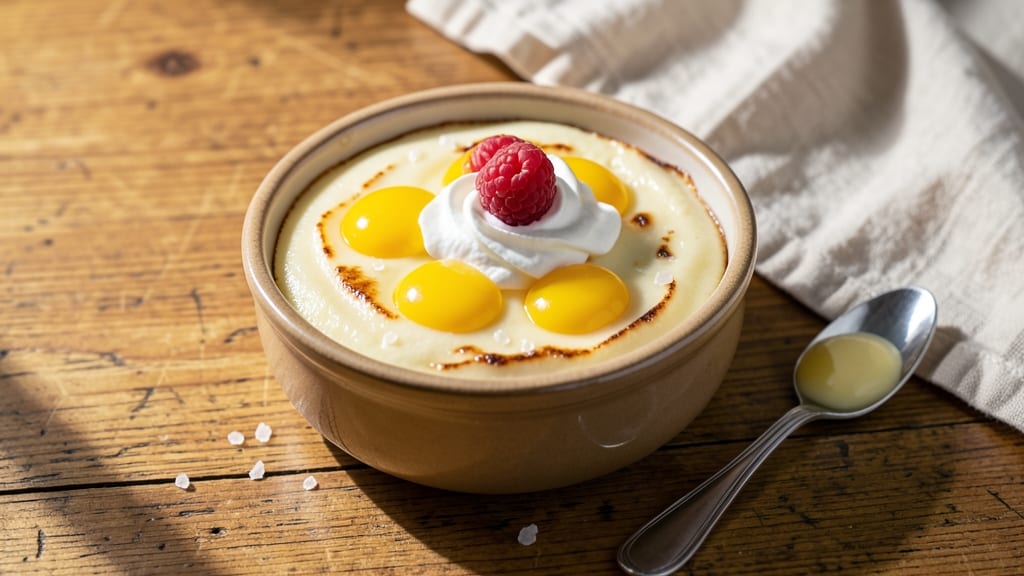
This 8 egg yolks recipe transforms rich custard into a decadent dessert with caramelized sweetness that feels like a restaurant indulgence. The secret lies in slow cooking the yolks with sugar and cream until they reach that signature silky, golden texture—where every spoonful melts effortlessly.
I developed this after years of perfecting custards, and the difference between store-bought and homemade is night and day.
The process is simpler than it sounds: yolks, sugar, and cream simmer gently over a double boiler until they thicken to a velvety consistency, then finish with a caramelized sugar topping that adds depth.
The result is a dessert that’s creamy, slightly tangy, and perfectly balanced—no graininess, no lumps, just pure, luxurious texture. This recipe uses all 8 yolks efficiently, ensuring no waste and maximum flavor.
What makes this dish special is its versatility—serve it warm with fresh berries for a brunch masterpiece or chilled with a sprinkle of cinnamon for an elegant dessert. The custard’s rich, custardy body pairs beautifully with both sweet and tart accompaniments, making it adaptable for any occasion.
Once you try this, you’ll never settle for anything less than homemade again.
Ready in just 30 minutes, this recipe delivers restaurant-quality results with minimal effort—perfect for impressing guests or treating yourself. The key is patience and precise temperature control, which we’ll cover step by step to ensure success every time. Let’s get started on creating this luxurious custard.
Ingredients for 8 egg yolk
Eight yolks, two sugars, and cream transform into velvety custard with caramelized elegance.
| Ingredient | Amount | Notes |
|---|---|---|
| Large Egg Yolks 🥚 | 8 whole | Fresh, room temperature preferred |
| Granulated Sugar 🍚 | 1 cup | Superfine for faster dissolution |
| Heavy Cream 🥛 | 1 ½ cups | Full-fat for optimal texture |
| Unsalted Butter 🧈 | 4 tbsp | Cold, cubed for double boiler |
| Vanilla Extract 🌿 | 1 tbsp | Pure Madagascar preferred |
| Pinch of Salt 🧂 | ¼ tsp | Kosher or fine sea salt |
| Light Brown Sugar 🍚 | ¼ cup | Packed, for caramel topping |
| Fresh Berries 🍓 | 1 cup | Optional garnish, sliced |
| Ground Cinnamon 🌿 | ½ tsp | For dusting, optional |
| Lemon Zest 🍋 | 1 tsp | Fresh, for brightness |
The yolks are the heart of this custard—use only the freshest, ideally from pasture-raised eggs for richer flavor. Trader Joe's or local farms often carry high-quality eggs; look for vibrant, unbroken shells. Sugar quality matters too: Domino or C&H brands dissolve smoothly, but superfine sugar cuts cooking time. Heavy cream should be cold when measured—warmer cream can cause curdling during the gentle simmer. For the caramel topping, light brown sugar provides moisture and depth, while granulated sugar creates the signature crack. Pre-measure everything before starting; this custard demands precision.
No superfine sugar? Pulse granulated sugar in a food processor for 30 seconds to achieve the same texture. Running short on vanilla? Vanilla bean paste works equally well, though pure extract delivers superior aroma. Substituting heavy cream? Full-fat coconut cream mimics the richness, though texture will differ slightly. For a tangy twist, add 1 tsp lemon juice to the custard base. The caramel topping can be made ahead: cook the sugars until deep amber, then let cool and store in an airtight container for up to 2 weeks. Fresh berries or citrus zest can be added post-cooking for brightness—raspberries or blackberries pair beautifully with the custard’s sweet-tart profile.
This custard reheats beautifully—simmer gently in a double boiler until warmed through, stirring constantly to avoid graininess. Store leftovers in the fridge for up to 5 days, covered with plastic wrap pressed directly on the surface to prevent a skin from forming. For longer storage, transfer to a sealed container and freeze for up to 3 months. When ready to serve, let the custard sit at room temperature for 10 minutes before adding the caramel topping; this ensures a smoother, more luxurious texture. The caramel topping can also be reheated in 10-second bursts in the microwave for a quick garnish.
Why You'll Love This Recipe
- I’ll be real: this recipe costs me pennies. Egg yolks are cheap, sugar’s a staple, and butter? Well, we always have butter. It’s my go-to when I need something impressive but don’t want to raid the grocery store. Plus, it keeps for days in the fridge—no waste, all flavor.
- No Whisk Needed: I swear by this—just crack, stir, and let the heat do the work. The yolks and sugar melt into that silky custard without a single drop of stress, and honestly? I’ve burned enough crème brûlée to know this is the easy version that still feels fancy.
- Rich Without Effort: That first spoonful of warm, buttery custard with vanilla cutting through? It’s like dessert sneaked into your morning. The heavy cream and butter make it decadent, but the sugar balances it so it doesn’t feel heavy—just perfect.
- Breakfast or Dessert: Between us, I’ve had this for both. Dollop it over toast with a sprinkle of flaky salt for a breakfast upgrade, or serve it chilled in little jars for a no-bake treat. Eight yolks mean leftovers that taste just as good the second time—no one judges me for reheating it.
Step-by-step instructions for silky custard with caramelized sweetness
Master this technique for velvety custard with a delicate caramel topping—every step ensures perfect texture and balance.
Infuse Cream with Vanilla and Prepare Double Boiler
Combine the 1.5 cups heavy cream and 1 tablespoon vanilla extract in a saucepan. Heat over medium-low heat until steaming but not boiling—you should see small bubbles forming at the edges, not a full rolling boil. This gentle warming infuses the cream with vanilla without curdling the yolks later.
While the cream heats, set up a double boiler by placing a heatproof bowl over a pot of simmering water. Ensure the bowl fits snugly and the water doesn't touch the bottom—this indirect heat prevents the yolks from scrambling. Keep the pot at a gentle simmer (small bubbles, not a vigorous boil) for the entire process.
Whisk Yolks, Sugar, and Salt to Ribbon Stage
In the heatproof bowl, whisk together the 8 whole large egg yolks, 1 cup granulated sugar, and ¼ teaspoon salt until the mixture lightens to a pale yellow and forms ribbons when the whisk is lifted. This should take about 5-7 minutes of steady whisking—patience here prevents graininess in your custard.
Here's the thing—if the mixture feels too thick, add 1 tablespoon of the warm vanilla-infused cream to loosen it slightly. The yolks should coat the back of a spoon smoothly, but not be runny. This preparation ensures a silky texture rather than a curdled mess.
Temper and Cook Custard to 170°F
Slowly pour the warm vanilla cream into the yolk mixture while whisking constantly. This tempering step prevents the eggs from cooking too quickly and curdling. Once fully combined, place the bowl over the simmering water in your double boiler.
Stir gently with a wooden spoon for 8-10 minutes until the custard thickens enough to coat the back of the spoon. It should reach an internal temperature of 170°F—this is critical for both safety and texture. If it thickens too quickly, reduce the heat slightly to maintain gentle cooking.
Add Butter and Caramelize Topping
Remove the custard from heat and immediately whisk in the 4 tablespoons cold cubed butter until fully melted and incorporated. This step adds richness and prevents the custard from breaking when chilled. Let the custard sit at room temperature for 10 minutes while you prepare the caramel topping.
In a small saucepan, melt the ¼ cup packed light brown sugar over medium heat until it turns a deep amber color—about 3-5 minutes. Immediately pour this caramel over the custard, then sprinkle with ½ teaspoon ground cinnamon and 1 teaspoon lemon zest. The acidity of the zest brightens the sweetness while the cinnamon adds warmth.
Chill and Serve with Fresh Berries
Divide the custard into 4 serving glasses (about ½ cup each) and refrigerate for at least 4 hours, preferably overnight. This chilling time develops the flavors and creates that signature silky texture. For presentation, top each serving with ¼ cup sliced fresh berries just before serving.
Serve the custard slightly warmed if desired—place the glasses in a bowl of warm water for 5-10 minutes to soften the texture slightly. The contrast between the cool custard and warm berries creates an elegant dining experience that balances richness with freshness.
Pro Tips For Making 8 Egg Yolk
- Whisk Yolks Like Mad: I learned this the hard way—lukewarm yolks with sugar beaten into a pale, ribbony mess (not a sticky blob) makes all the difference. Use a stand mixer with the whisk attachment on medium-high for 3-4 minutes until the mixture lightens by at least 50%. Stop when it’s just thick enough to hold a peak—overmixing turns it into scrambled eggs.
- Sugar First, Heat Later: Add all the sugar to the yolks before introducing heat. This dissolves it completely and prevents grainy spots later. After whisking, place the bowl over a double boiler (or a heatproof bowl over simmering water) and stir constantly with a wooden spoon—no splattering, no lumps. Sounds tedious, but it’s the thing that matters most.
- Temper the Cream: Warm the heavy cream to about 160°F (70°C) before slowly whisking it into the yolk-sugar base. Cold cream causes the custard to seize up like glue, and nobody wants to scrape that off the bottom. A quick thermometer check saves you from starting over.
- Butter in Last: Skip the urge to melt butter into the custard early—add it at the very end when the mixture is thick and just off the heat. This keeps the texture silky, not greasy. Cut the butter into small cubes first (easier to incorporate) and let it melt in the custard, stirring until it’s fully emulsified. I was skeptical until I tried it.
Serving suggestions for this dish
Brunch Presentation
Serve this custard in clear glassware like Villeroy & Boch bowls to showcase its golden hue and caramel swirls.
Arrange ¼ cup sliced strawberries or raspberries in a circular pattern on top, then drizzle with a light honey glaze (mix 1 tbsp honey with 1 tsp water) for extra shine. A sprinkle of toasted coconut flakes adds crunch and visual contrast. 🍓
Dessert Elegance
For a restaurant-worthy dessert, place each custard portion in a chilled martini glass and top with a caramelized sugar pearl (made by dropping small spoonfuls of caramel into ice water).
Garnish with a fresh mint leaf and a pinch of flaky sea salt to balance sweetness. Serve with a side of vanilla bean ice cream for scooping.
Savory Twist
Balance the sweet custard with salty-savory bites like prosciutto-wrapped melon or crispy duck confit. The salty-sweet contrast elevates the dish to brunch perfection. For a lighter option, pair with herbed goat cheese and toasted baguette slices—the tangy cheese cuts through the custard’s richness beautifully.
Warm vs. Chilled
Serve warm custard during winter months (place glasses in a 200°F oven for 5 minutes to soften) with a spiced rum reduction drizzle. For summer, chill completely and top with cooling coconut yogurt and lychee slices for a refreshing contrast. The temperature shift transforms the dish seasonally. ✨
Make-Ahead Garnishes
Prep garnishes ahead: Caramel drizzle can be made 2 days in advance and stored in the fridge. Berry compote (simmer 1 cup berries with 1 tbsp sugar) keeps for 3 days in an airtight container. Toasted nuts (almonds or pecans) stay fresh for 5 days if stored in a sealed container.
This saves time while keeping presentations fresh. 💫
Kid-Friendly Adaptation
For picky eaters, serve the custard in mini muffin tins with colorful sprinkles on top. Let kids assemble their own toppings with crushed graham crackers, mini chocolate chips, or whipped cream. The interactive element makes dessert fun while keeping the custard’s creamy texture intact.
Nutrition facts
Frequently asked questions
Why does this recipe use only egg yolks instead of whole eggs?
Yolks create a richer, creamier texture with more natural sweetness and fat content than whites. The 8 yolks provide the perfect balance of richness and structure for this silky custard—whites would make it too light and prone to curdling during cooking. Plus, yolks carry more flavor!
Can I make this custard without a double boiler?
Yes! Use a heatproof bowl placed over a pot of simmering water—just ensure the bottom doesn't touch the water. For extra safety, reduce heat to low and stir constantly to prevent overheating. A metal bowl works best for even heat distribution.
What if my custard curdles during cooking?
Don't panic! Immediately remove from heat and whisk vigorously to break up any lumps. If it's still grainy, strain through a fine-mesh sieve for a silky finish. To prevent this, always temper the yolks with warm cream and maintain a gentle simmer.
How do I adjust this recipe for fewer servings?
For 2 servings, use 4 yolks, ½ cup sugar, ¾ cup cream, and 2 tbsp butter. Scale all ingredients proportionally—reduce caramel sugar to 2 tbsp and halve other toppings. Keep the same cooking times for best results.
Can I substitute vanilla extract with something else?
Use 1 vanilla bean (split and scraped) or 1 tbsp vanilla bean paste for deeper flavor. For a non-vanilla option, try ½ tsp almond extract or 1 tsp orange zest—both add bright, aromatic notes that complement the custard beautifully.