
Main Courses
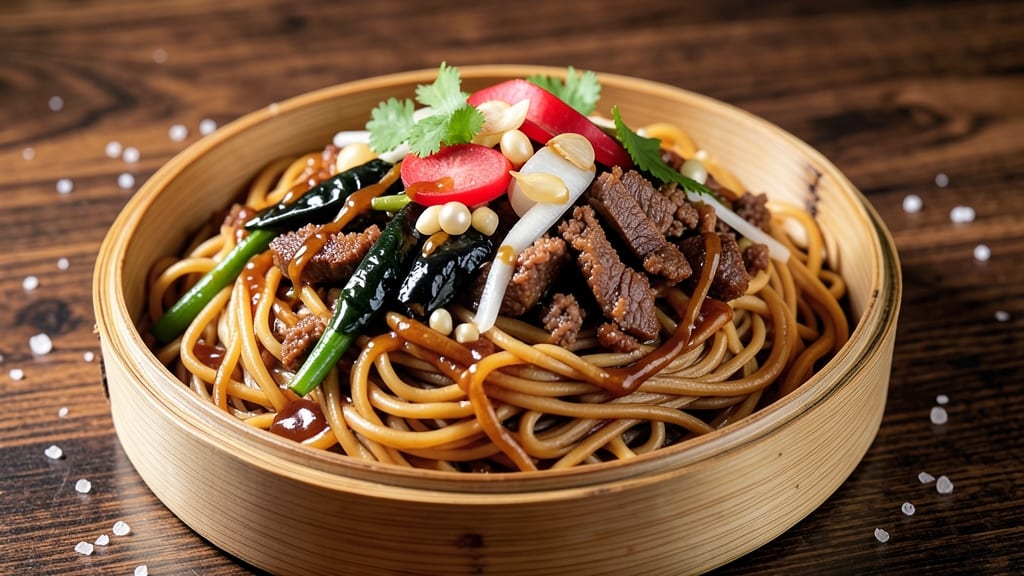
This Cantonese egg noodle recipe delivers the perfect balance of crispy edges and silky egg ribbons—just like your favorite dim sum dish. I spent years perfecting the wok hei technique, and the secret lies in high heat, quick cooking, and the right ingredients.
The preserved vegetables add that signature tangy crunch, while tender pork (or tofu) keeps it hearty.
The key to success is cooking the egg noodles just right—al dente but flexible enough to soak up the savory sauce. Stir-frying with garlic, soy sauce, and oyster sauce creates a rich, umami-packed flavor that coats every strand.
I also include fried shallots for extra texture, because those crispy bits make all the difference.
By the time you're done, you'll have a dish that's crispy on the edges, tender in the center, and packed with layers of flavor. The egg ribbons should be glossy and delicate, while the noodles maintain their bite.
This is restaurant-quality Cantonese egg noodles, made in your own kitchen with simple techniques.
Serve immediately for the best texture, and don't forget the cilantro garnish for freshness. Whether you're feeding a crowd or treating yourself, this recipe delivers every time. Let's get cooking!
Ingredients for cantonese egg noodle
Fresh noodles, crispy edges, and silky egg ribbons—just like dim sum, but homemade.
| Ingredient | Amount | Notes |
|---|---|---|
| Egg Noodles 🍜 | 8 oz | Fresh or dried, cooked al dente |
| Large Eggs 🥚 | 4 whole | Room temperature for best whisking |
| Preserved Vegetables 🥬 | 1 cup | Chopped, like pickled mustard greens |
| Lean Ground Pork 🐷 | ½ lb | Or sub firm tofu for vegetarian |
| Garlic Cloves 🧄 | 6 cloves | Minced, fresh preferred |
| Shallots 🧅 | 2 whole | Thinly sliced, white parts only |
| Light Soy Sauce 🥢 | ½ cup | High-quality, like Pearl River Bridge |
| Oyster Sauce 🦪 | 2 tbsp | Vegetarian version if needed |
| Sesame Oil 🌰 | 1 tbsp | Toasted, for finishing |
| Neutral Oil 🫒 | ¼ cup | Peanut or vegetable oil |
| Fried Shallots 🧅 | ¼ cup | Store-bought or homemade |
| Fresh Cilantro 🌿 | ¼ cup | Chopped, for garnish |
| Salt 🧂 | ½ tsp | Kosher or sea salt |
| White Pepper 🌶️ | ¼ tsp | Freshly ground preferred |
| Sugar 🍚 | ½ tsp | White sugar for balance |
The egg noodles are the star. Fresh egg noodles from an Asian market give the best texture, but dried works too—just cook them al dente. For the preserved vegetables, pickled mustard greens or daikon are classic, but any tangy preserved veg will do. The pork should be lean but not too dry—ground pork from the butcher section always feels fresher than pre-packaged. If you're vegetarian, extra-firm tofu pressed for 20 minutes mimics the texture perfectly. Look for Pearl River Bridge soy sauce if you can find it, but any light soy sauce works in a pinch.
No oyster sauce? Substitute with 1 tbsp fish sauce plus 1 tbsp soy sauce—it's not identical, but close. Running out of sesame oil? Toasted sesame seeds ground with a pinch of salt work in a bind (though it won't be as aromatic). The fried shallots can be swapped for crushed potato chips if you're in a hurry, but trust me, they're worth the effort. For the egg ribbons, room-temperature eggs whisked vigorously create those delicate strands. If your eggs are cold, they'll scramble instead of ribbon. The garlic should be minced fine—no big chunks—so it blends into the sauce without overpowering.
Fresh egg noodles keep for 2-3 days in the fridge, but dried lasts 6 months in a cool, dark place. The preserved vegetables? Months in the fridge once opened. For the egg ribbons, cook them last—they crisp up immediately—so have everything else ready before you start. This dish is best served right away, but the leftovers reheat beautifully with a splash of water. I always make extra pork—it disappears fast when served with steamed rice.
Why You'll Love This Recipe
- Pantry Staple Magic: I swear by this recipe because it uses things I always have—egg noodles, a few cloves of garlic, and that jar of preserved vegetables collecting dust. No last-minute grocery runs needed.
- Umami Bomb: That preserved vegetable paste? It’s the secret weapon—salty, funky, and packed with flavor that makes every bite taste like a proper Cantonese takeout. Honestly, I double the amount if I’m feeling extra.
- Lunchbox Hero: Between us, this is my go-to for packed lunches. The noodles hold up all day, and the pork stays tender—no sad, mushy leftovers here. My kids actually eat it cold, which is basically a parenting miracle.
- Budget Win: Ground pork stretches far, and a few eggs make it feel like a feast. I’ve made this for six people for under $10—proof that comfort food doesn’t need to break the bank. (Yes, even on a Tuesday night.)
Step-by-step instructions for wok-fried Cantonese egg noodles
Here's how to achieve that signature crispy edge and silky egg ribbon texture every time.
Prepare the Egg Noodles and Preserved Vegetables
Cook the 8 oz egg noodles according to package instructions in boiling salted water until al dente—they should be tender but still have a slight bite. Drain immediately and rinse under cold water to stop the cooking process. Toss the noodles with 1 tablespoon neutral oil to prevent sticking, then set aside.
While the noodles cook, prepare the 1 cup preserved vegetables by draining and patting them dry with paper towels. Remove any large stems or tough pieces—you want the vegetables to be bite-sized and tender. The acidity in preserved veggies balances the richness of the pork and eggs, so don't skip this step. Chop any larger pieces into ¼-inch pieces for even cooking.
Make the Egg Ribbon Mixture
In a medium bowl, whisk together the 4 whole large eggs with 0.5 tsp salt, 0.25 tsp white pepper, and 0.5 tsp sugar until the yolks and whites are fully combined and the mixture is pale yellow. This balance of salt, pepper, and sugar creates the perfect flavor foundation for the egg ribbons. Let the mixture sit at room temperature for 5 minutes—this ensures the eggs cook evenly and form those beautiful silky strands.
Here's the thing—don't overmix or you'll end up with scrambled eggs instead of delicate ribbons. The mixture should be smooth but not frothy. I like to use a fork for the final stir to avoid incorporating too much air. Keep this bowl ready near your wok.
Cook the Pork and Aromatics
Heat a wok or large skillet over medium-high heat until it's smoking hot. Add 0.25 cup neutral oil and swirl to coat the bottom evenly. Add the 0.5 lb lean ground pork and cook, breaking it apart with a wooden spoon, until it's light brown and fully cooked—about 4-5 minutes. Don't worry about overcooking; you want the pork to lose its raw color completely.
Push the pork to one side of the wok and add 2 thinly sliced shallots and 6 minced garlic cloves. Stir-fry for 30 seconds until the shallots turn translucent and the garlic releases its fragrant aroma. This quick cooking preserves their freshness and prevents burning. Add 0.5 cup light soy sauce and 2 tbsp oyster sauce, stirring to combine and let the flavors meld for 1 minute. The sauce should coat the pork evenly.
Wok-Fry the Noodles and Add Egg Ribbons
Increase the heat to high and add the cooked noodles to the wok. Toss vigorously for 1-2 minutes until the noodles are hot and slightly charred in spots—this is where that signature crispy edge comes from. The high heat and constant tossing create the perfect texture contrast between the crispy exterior and tender interior.
Reduce the heat to medium and pour the egg mixture directly over the noodles. Immediately stir with a wooden spoon in one direction to create those signature egg ribbons. Work quickly but gently—you want to distribute the eggs evenly without breaking them up too much. After 30 seconds, add the 1 cup preserved vegetables and toss everything together for another 30 seconds to heat through.
Finish and Serve Immediately
Turn off the heat and stir in 1 tbsp sesame oil, 0.25 cup fried shallots, and 0.25 cup chopped fresh cilantro. The sesame oil adds a nutty aroma, while the fried shallots contribute a delightful crunch. Taste and adjust seasoning if needed—you might want to add a splash more soy sauce for saltiness or a pinch of sugar to balance any acidity from the preserved vegetables.
Serve immediately while the noodles are hot and the egg ribbons are still silky. The contrast of textures—crispy noodle edges, tender pork, silky egg ribbons, and crunchy fried shallots—is what makes this dish so special. Garnish with extra cilantro if you like, and enjoy with a cold beer or jasmine tea for the full Cantonese experience.
Pro Tips For Making Cantonese Egg Noodle
- Parboil Noodles First: Cook your egg noodles for 2-3 minutes in boiling water before stir-frying—this prevents them from turning mushy when they hit the wok. I learned this the hard way after a batch turned into glue; the slight pre-cook keeps them firm and ready to soak up flavors.
- Slice Preserved Veggies Thin: Cut the preserved vegetables (like daikon or napa cabbage) into paper-thin slices—this ensures they soften quickly without turning to mush. My grandmother swore by this, and she was right: even distribution means every bite is packed with that salty, tangy crunch.
- High Heat for Pork: Cook the ground pork on high heat until it’s fully browned before adding anything else—this step locks in juices and gives the dish that deep, savory base. Skip this, and you’ll end up with a bland, watery mess (yes, even if you’re impatient like me).
- Scramble Eggs Separately: Fry the eggs in a separate pan until just set—this keeps them creamy and prevents them from breaking into the noodles. I was skeptical until I tried it: the texture is silky, and the dish feels more restaurant-worthy.
Common mistakes when making your cantonese egg noodle
Overcooking Noodles
I've ruined more egg noodles than I care to admit by letting them cook too long. The goal is al dente—they should be tender but still hold a slight bite. Overcooked noodles turn mushy and soak up too much sauce, making the dish soggy.
Always test them 1 minute before the package suggests, then drain immediately and rinse with cold water to stop cooking. Trust me, this small step makes a huge difference in texture. 🍜
Skipping the Cold Water Rinse
After draining noodles, rinsing them under cold water might seem counterintuitive, but it's crucial. This stops the cooking process instantly and prevents that dreaded mushy texture. I learned this the hard way when my first batch turned into a sad, limp mess.
Just a quick rinse keeps the noodles firm enough to hold their shape when stir-fried. 💦
Using Cold Eggs
Room-temperature eggs are non-negotiable for perfect ribbons. Cold eggs scramble instead of forming delicate strands, and you'll end up with scrambled egg chunks instead of silky ribbons. Let your eggs sit out for 15-20 minutes before whisking.
I usually take them out of the fridge while I'm prepping the rest of the ingredients. This small step transforms your egg ribbons from sad to spectacular. 🥚
Overmixing the Egg Mixture
Whisking the egg mixture too vigorously incorporates too much air, which leads to scrambled eggs instead of ribbons. After combining the eggs with salt, pepper, and sugar, give it just 10-12 strokes with a fork—no more.
The mixture should be smooth but not frothy. I've seen people whip these eggs like egg whites, and it's a recipe for disaster. Keep it simple for those beautiful strands. 🍳
Low Heat for Stir-Frying
The wok needs to be smoking hot when you start stir-frying. If your heat isn't high enough, you'll end up with steamed noodles instead of crispy edges. I crank my stove to the highest setting and let the wok get properly hot before adding oil.
This creates that signature wok hei (breath of the wok) that makes the dish taste restaurant-quality. Don't be afraid of high heat—it's what gives these noodles their magic. 🔥
Adding Eggs Too Early
Timing is everything with the egg ribbons. They need to cook quickly over high heat, so add them right after tossing the noodles. If you add them too early, they'll cook too slowly and turn rubbery.
I wait until the noodles are hot and slightly charred, then pour the eggs directly over them. Work fast—those ribbons should cook in under 30 seconds. Patience here is key to perfect texture. ⏱️
Nutrition facts
Frequently asked questions
Can I make this with regular pasta instead of egg noodles?
Not ideal, but you can try! For the closest texture, use fresh egg pasta or udon noodles—they hold up better to stir-frying than most dried pastas. If you must use dried, choose thin spaghetti or linguine and cook them 1 minute less than package instructions. The egg ribbons will still be the star, but the texture contrast won't be as dramatic as with traditional egg noodles.
What's the best way to reheat leftovers?
Reheat gently in a skillet over low-medium heat with a splash of water to prevent drying out. Cover for 1-2 minutes until warmed through. For extra crispiness, add ½ tbsp neutral oil and toss for 30 seconds to restore some of that wok-fried texture. Microwaving works in a pinch, but the texture suffers—it's best enjoyed fresh!
Can I make this vegetarian?
Replace the pork with extra-firm tofu pressed for 20 minutes to remove excess water. Cut it into small cubes and pan-fry until golden before adding to the wok. For extra umami, add 1 tbsp vegetarian oyster sauce plus ½ tsp mushroom powder to the stir-fry sauce. The preserved vegetables will still provide that signature tangy crunch.
Why do my egg ribbons turn out scrambled?
Three likely culprits: cold eggs, overmixing, or low heat. First, ensure eggs are room temperature (they need 15-20 minutes to warm). Second, whisk just until combined—no vigorous whipping! Third, your wok must be smoking hot before adding eggs. If all else fails, try adding ½ tsp cornstarch to the egg mixture for extra stability.
What's the deal with wok hei? How can I get it at home?
Wok hei ("breath of the wok") is that smoky, aromatic quality from high-heat cooking in a carbonized wok. For home cooks, use a well-seasoned cast-iron skillet or wok on the highest heat setting. Add a splash of neutral oil and let it smoke briefly before adding ingredients. Also, keep your ingredients prepped and ready—minimal waiting time means maximum flavor development!