
Main Courses
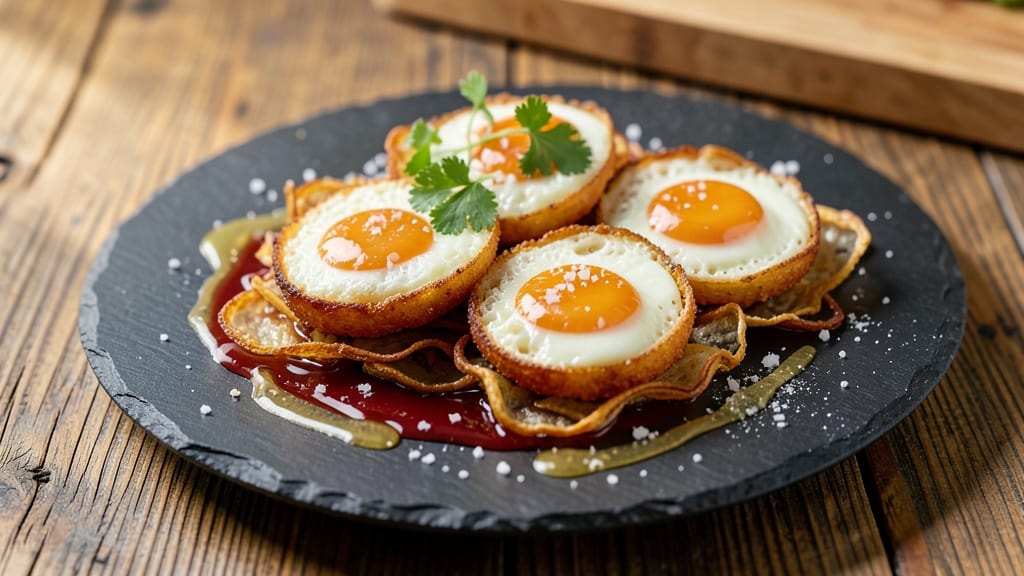
This fried boiled egg recipe transforms a simple ingredient into a restaurant-worthy bite with a crispy exterior and silky, runny yolk. I perfected it after years of experimenting with textures—soft-boiled eggs fried in butter until golden, then cracked open to reveal that perfect contrast.
The secret lies in timing: just enough heat to create a delicate crust without overcooking the inside.
What makes this technique special is how it elevates a basic boiled egg into something sophisticated. Start with eggs boiled exactly 6-7 minutes for soft centers, then fry them in butter or oil until the whites are golden and the edges crisp.
A pinch of salt or a drizzle of soy sauce adds depth, but the real magic happens when you crack the shell—hot, creamy yolk spilling out onto toast or rice.
The result is a dish that’s equal parts comforting and refined: crispy edges give way to tender whites and a molten yolk that coats every bite. This method works for breakfast, appetizers, or even a quick lunch—no fancy ingredients, just technique. The contrast of textures and temperatures makes it unforgettable.
For extra flair, try a sprinkle of chili flakes or a dash of sesame oil for a Japanese-inspired twist. The key is confidence: once you nail the fry, you’ll never go back to plain boiled eggs again. Let’s get cooking!
Ingredients for fried boiled egg
Simple ingredients, precise technique—perfectly fried boiled eggs with crispy edges and silky yolks.
| Ingredient | Amount | Notes |
|---|---|---|
| Large Eggs 🥚 | 4 whole | Room temperature for even cooking |
| Unsalted Butter 🧈 | ½ cup | Cold, cut into small cubes |
| Vegetable Oil 🫒 | 2 tbsp | High smoke point for frying |
| Kosher Salt 🧂 | 1 tsp | Fine grain preferred |
| White Vinegar 🍶 | 1 tbsp | For easier peeling |
| Soy Sauce 🍜 | 1 tsp | For optional drizzle |
| Sesame Oil 🌿 | ½ tsp | For finishing (optional) |
| Red Chili Flakes 🌶️ | ¼ tsp | For garnish (optional) |
| Toasted Bread 🍞 | 4 slices | For serving |
| Ice Water 💧 | 1 cup | For shocking eggs |
The eggs are the foundation, so room-temperature is key—they cook more evenly. Farmer's market eggs have firmer whites, but any large eggs work. For the butter, European-style (like Plugrá) has higher fat content, which gives better browning. If you can't find it, regular unsalted butter works fine. The oil is just for insurance—some pans need it to prevent butter from burning. High-quality olive oil also works if you prefer its flavor.
No butter? Avocado oil or ghee handles high heat well. Short on soy sauce? Drizzle with sesame oil or a pinch of sugar instead. The vinegar helps with peeling—add it to your ice water bath. For extra crispiness, pat the eggs dry thoroughly before frying. The chili flakes and sesame oil are optional but add serious flavor—Trader Joe's has great pre-toasted sesame oil if you don't want to toast your own.
Eggs stay fresh in the fridge for 3 weeks—use the oldest first. The butter should be stored in the fridge (not the pantry) to prevent spoilage. Once fried, serve immediately for that perfect yolk consistency. If you must reheat, toast in a dry pan for 10 seconds to revive crispiness. These reheat beautifully, so make a batch for the week—just fry as needed.
Why You'll Love This Recipe
- The secret’s in the timing: fry the whites just until set, then let that yolk stay runny. That first bite—crunchy shell, silky center—is my idea of perfection. The salt and vinegar work together to cut through the richness without overpowering it. (Yes, even on a Tuesday night.)
- Two-Ingredient Magic: I swear by this trick—just eggs, butter, and oil. That’s it. No fancy prep, no chopping, no stress. The vinegar rinse keeps the whites pristine while the butter sizzle gives them that golden, shatterproof crust. Honestly, I make this when I’m too tired to think.
- Crispy-Creamy Bliss: The secret’s in the timing: fry the whites just until set, then let that yolk stay runny. That first bite—crunchy shell, silky center—is my idea of perfection. The salt and vinegar work together to cut through the richness without overpowering it. (Yes, even on a Tuesday night.)
- Breakfast or Snack: These eggs disappear fast—on toast with hot sauce, in ramen, or straight from the pan with a sprinkle of flaky salt. I keep a batch in the fridge for lazy mornings or when I need a protein boost that takes zero effort. They reheat beautifully, too.
Step-by-step instructions for crispy pan-fried eggs with silky centers
Mastering this technique delivers restaurant-quality fried eggs every time—crisp edges and perfectly runny yolks.
Prepare the Eggs for Perfect Peeling
Place the 4 whole large eggs in a saucepan and cover them with the 1 cup ice water. Bring to a gentle boil over medium-high heat—this should take about 3 minutes. Once boiling, immediately remove from heat, cover, and let sit for 12 minutes. This precise timing ensures the whites are fully set while keeping the yolks tender.
After 12 minutes, drain the hot water and transfer the eggs to a bowl of ice water for 5 minutes. The cold shock stops the cooking process and makes peeling effortless. Crack each egg gently against the edge of the bowl, then peel under running water if needed. The vinegar in the ice water bath (add the 1 tablespoon white vinegar to the ice water) prevents the whites from sticking to the shell.
Create the Ideal Frying Pan Setup
Heat a nonstick skillet over medium-low heat and add the 2 tablespoons vegetable oil along with the 0.5 cup unsalted butter cut into small cubes. Let the butter melt completely, watching for tiny bubbles to form around the edges—this indicates the perfect temperature (around 300°F). If the butter browns too quickly, reduce the heat slightly.
Season the melted butter with the 1 teaspoon kosher salt and let it infuse for 30 seconds. This seasoning step ensures every bite has balanced flavor. The combination of oil and butter creates a stable heat source that won't burn the eggs while achieving that golden crust we're after.
Fry the Eggs to Crispy Perfection
Carefully place one peeled egg into the skillet. Let it cook undisturbed for 2 minutes until the whites are set but the edges remain slightly translucent. This gentle cooking prevents the whites from overcooking while allowing the yolks to stay perfectly runny. You'll see the edges start to crisp—that's your signal to flip.
Gently flip each egg using a thin spatula, cooking for another 30 seconds until the bottoms are golden brown. Remove from heat immediately—overcooking at this stage turns the yolks rubbery. Transfer to a warm plate and repeat with remaining eggs, maintaining the same temperature in the pan for consistency.
Finish with Flavor Enhancements
Return the fried eggs to the warm skillet for 10 seconds to reheat slightly. Drizzle with the 1 teaspoon soy sauce and optional 0.5 teaspoon sesame oil, then sprinkle with the 0.25 teaspoon red chili flakes. This finishing touch adds depth of flavor without overpowering the delicate egg taste.
Serve immediately on the 4 slices toasted bread, ensuring the yolks remain intact. The contrast between the crispy edges, silky whites, and runny yolks creates the perfect fried egg experience. For best results, eat within 3 minutes of frying to maintain the ideal texture.
Pro Tips For Making Fried Boiled Egg
- CRACK THE EGGS FIRST: Peel the eggs right before frying—even if you boiled them yesterday. The whites dry out fast once exposed, and that’s when they turn rubbery. I learned this the hard way after making a batch where the yolks looked perfect but the whites fought me like overcooked pasta.
- USE VINEGAR LIKE A BARRIER: Soak peeled eggs in cold water with a splash of white vinegar (1 tbsp per quart) for 10 minutes before frying. The acid tightens the proteins, so the whites hold together better when they hit the butter. Skip this, and you’ll get sad, shredded bits—trust me, I’ve cried over those.
- HIGH HEAT, THEN SOFTEN: Start with the pan screaming hot (medium-high), then immediately lower to medium-low once the egg hits the butter. Too low, and the whites steam instead of sear; too high, and you’ll burn the butter before the egg cooks. The goal is a golden crust without a smoky room—balance is everything.
- SALT THE BUTTER WELL: Toss in the kosher salt with the cold butter before the egg goes in. The butter needs time to melt and flavor the egg evenly—adding salt after just coats the outside. And no, “a pinch” isn’t enough. Aim for ½ tsp per tablespoon of butter, or your egg will taste bland. (Yes, even if you’re using salted butter elsewhere.)
Creative variations of these flavors
Japanese Tamagoyaki Style
For a sweet and savory twist, try making tamagoyaki—Japan's iconic rolled omelet. Whisk 4 eggs with 2 tbsp sugar, 1 tbsp soy sauce, and 1 tsp mirin, then cook in a rectangular pan over low heat, folding the egg into thirds with each flip.
The result is a chewy, slightly sweet egg that pairs perfectly with rice or tempura. I first tried this at a Boston Japanese market and fell in love with its texture. 🍶
Spicy Deviled Eggs Twist
Turn your fried eggs into deviled eggs by cracking them open, removing yolks, and mixing with 1 tbsp mayo, ½ tsp mustard, ¼ tsp hot sauce, and a pinch of salt.
Pipe back into the whites, then top with crispy fried egg halves for a crunchy contrast. This fusion of textures is perfect for brunch or game day. I love using Hellmann's mayo for the best creaminess. 🌶️
Breakfast Tacos Fusion
Shatter fried eggs over corn tortillas with crumbled chorizo, avocado slices, and a squeeze of lime. The crispy egg edges add texture while the runny yolk ties everything together.
For a vegetarian version, swap chorizo for black beans and top with cotija cheese. This became my go-to weekend breakfast after a late-night cooking session. 🌮
Asian-Inspired Rice Bowl Topper
Use fried eggs as a garnish for sushi bowls or fried rice. Place a fried egg on top of steamed jasmine rice, then drizzle with teriyaki sauce and sprinkle with sesame seeds.
The hot yolk will melt into the rice, creating a creamy, flavorful bite. I often make a big batch of fried rice and add eggs at the end for extra richness. 🍚
Crispy Egg Salad
Chop fried eggs into ¼-inch pieces and mix with 2 tbsp Greek yogurt, 1 tsp Dijon mustard, salt, and pepper. Serve on toast or crackers for a protein-packed snack.
The crispy edges add a fun texture contrast to the creamy filling. I keep this in my fridge for quick lunches—it’s like a deconstructed egg salad sandwich. 🥪
Sweet & Savory Waffle Topping
Place fried eggs on top of Belgian waffles with a drizzle of maple syrup and crumbled bacon. The crispy egg edges contrast beautifully with the soft waffle.
For a vegetarian option, add sliced strawberries and a sprinkle of pecans. This combo became my favorite weekend brunch after a long week of cooking. 🧇
Nutrition facts
Frequently asked questions
Why do I need to boil eggs first before frying them?
Boiling eggs first creates a stable base for frying—they hold their shape better and cook more evenly. The boiling step also lets you control the doneness of the yolks while the frying creates that perfect crispy exterior. It's like building a foundation before adding the finishing touches!
Can I use hard-boiled eggs instead of soft-boiled?
Yes, but the texture will be different. Hard-boiled eggs will give you fully set yolks with crispy exteriors, while soft-boiled eggs create that classic runny yolk. For the recipe's signature texture, stick with 6-7 minute boiled eggs. Hard-boiled works great for egg salad or deviled egg variations though!
What if my eggs stick to the pan?
Use a nonstick skillet and make sure it's properly heated before adding butter/oil. If eggs still stick, reduce heat slightly or add 1 extra tbsp oil to the pan. Never use a cold pan—it causes eggs to stick and cook unevenly. A well-seasoned cast iron pan works too!
How do I keep the yolks perfectly runny?
The secret is timing and heat control. Fry eggs over medium-low heat for exactly 2 minutes per side, then remove immediately. Overcooking by even 10 seconds turns yolks rubbery. Keep eggs warm on a plate until serving to maintain that creamy center.
Can I make these ahead of time?
Fry eggs fresh for best results, but you can prep boiled eggs up to 2 days ahead and store them in the fridge. For fried eggs, reheat in a dry pan for 10 seconds to revive crispiness. The yolk texture changes when reheated, so they're best enjoyed immediately after frying.