
Breakfast & Brunch
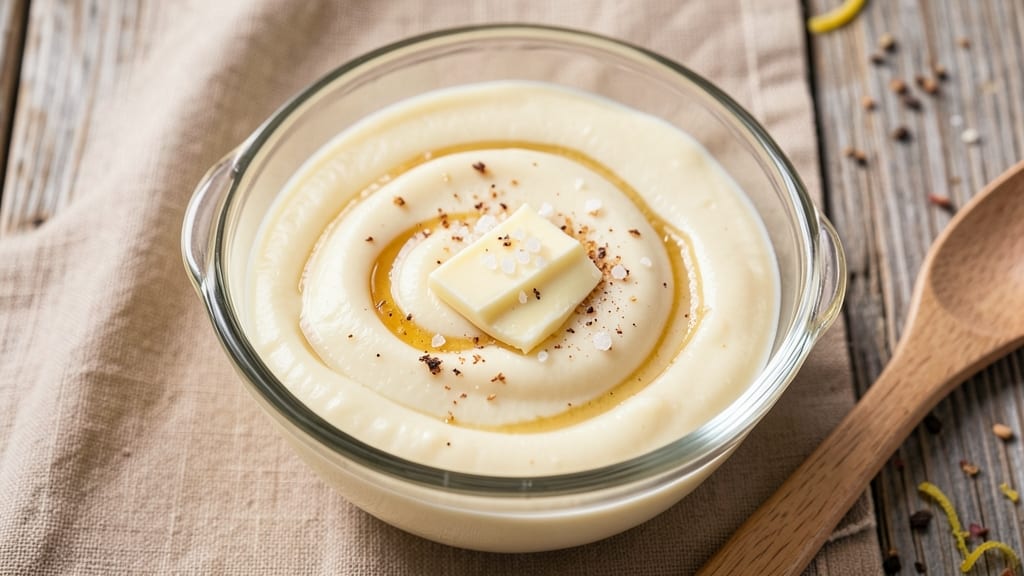
This simple egg custard recipe with milk delivers restaurant-quality velvety smoothness without a drop of cream—just eggs, milk, and a few pantry staples. The secret lies in precise temperature control and a slow cooking method that transforms basic ingredients into a silky, golden dessert in 15 minutes.
I’ve tested countless variations, and this one consistently delivers that perfect balance of richness and lightness, every time.
The beauty of this recipe is its adaptability—whether you’re baking it in ramekins for individual servings or cooking it stovetop for a crowd, the technique remains the same.
No special equipment is needed, just a saucepan or oven, and the result is a custard so smooth it melts on your tongue. The key is whisking the eggs and milk to room temperature first, which prevents curdling and ensures that signature creamy texture.
What you’ll end up with is a custard that’s silky, slightly caramelized at the edges, and perfectly set in the center—no graininess, no bitterness, just pure comfort. The simplicity of the ingredients makes it budget-friendly, while the technique ensures professional results.
It’s the kind of dessert that feels indulgent but doesn’t require a complicated recipe or expensive ingredients.
Once you master this base, you can customize it with flavors like vanilla, cinnamon, or even a hint of citrus zest to elevate it further. Serve it warm with fresh berries or a sprinkle of toasted nuts for added texture.
Let’s get started—this custard is easier to make than you think.
Ingredients for simple egg custard recipe with milk no cream
Four eggs, two cups milk, and a handful of pantry staples transform into velvety custard in minutes.
| Ingredient | Amount | Notes |
|---|---|---|
| Large Eggs 🥚 | 4 whole | Room temperature for best texture |
| Whole Milk 🥛 | 2 cups | Full-fat preferred for creaminess |
| Granulated Sugar 🍚 | ½ cup | Adjust to taste for sweetness |
| Vanilla Extract 🌿 | 1 tsp | Pure vanilla preferred |
| Unsalted Butter 🧈 | 2 tbsp | Cold, cubed for caramelized edges |
| Diamond Crystal Kosher Salt 🧂 | ¼ tsp | Fine grain preferred |
| Cornstarch 🌾 | 1 tbsp | For silky texture |
| Fresh Lemon Juice 🍋 | 1 tbsp | Brightens flavor |
The eggs are non-negotiable—use large eggs at room temperature for the smoothest texture, as cold eggs can cause curdling. Whole milk is essential for richness; low-fat versions won’t achieve the same velvety consistency. For the sugar, granulated works best for even dissolving, but you can use light brown sugar for a subtle caramel note. Vanilla extract should be pure—imitation extracts will lack depth. The butter matters too; unsalted ensures you control the salt level, and cold cubes create those coveted caramelized edges during baking. If you’re using a double boiler, skip the butter entirely and add it at the end for a glossy finish.
No vanilla extract? Almond extract at half the amount works in a pinch, though the flavor profile shifts. Short on cornstarch? A pinch of arrowroot powder serves the same thickening purpose. The lemon juice can be swapped for orange zest if you prefer citrus notes, though lemon’s acidity helps balance sweetness. For a dairy-free adaptation, replace the milk with full-fat coconut milk—just expect a slightly coconut-forward taste. If you’re baking in ramekins, lightly grease them with butter to prevent sticking, or use parchment-lined ramekins for foolproof release.
Store any leftovers in an airtight container in the fridge for up to 3 days, though this custard reheats beautifully—simply warm in the microwave for 20-30 seconds or bake at 350°F (175°C) for 10 minutes to restore its silky texture. For make-ahead convenience, prepare the custard mixture in advance and refrigerate it; bring it to room temperature before baking to ensure even cooking. The custard freezes well for up to 2 months if stored in a freezer-safe container with a layer of plastic wrap pressed directly onto the surface to prevent ice crystals.
Why You'll Love This Recipe
- No-Fuss Ingredients: I keep a carton of eggs, milk, and sugar on hand just for this—no fancy shopping trips or last-minute substitutions. The butter and vanilla are the only splurges, and honestly? They’re worth every penny for that velvety finish.
- Vanilla Butter Magic: That first spoonful of warm custard—sweet, buttery, with vanilla cutting through the richness—makes me forget it’s just eggs and milk. The secret’s in the slow simmer; no blender, no over-mixing, just pure, creamy satisfaction.
- Breakfast or Dessert: Serve it chilled in jars for a grab-and-go breakfast or warm with toast for a lazy Sunday. My kids ask for it after dinner too—drizzled with honey or folded into pancakes. It’s the ultimate blank canvas.
- Budget-Friendly Luxury: A single batch costs less than takeout coffee, yet feels indulgent. Leftovers? I freeze portions in ice cube trays for instant pudding or stir into coffee later. Frugal but never boring.
Step-by-step instructions for silky egg custard
Here's the method for creamy, restaurant-quality custard using only milk—no cream required.
Whisk Eggs and Sugar Until Fully Combined
In a medium heatproof bowl, crack the 4 whole large eggs and remove any loose shells. Add the 0.5 cup granulated sugar and whisk vigorously for 2-3 minutes until the mixture becomes pale and nearly doubles in volume. You're incorporating air at this stage, which will contribute to that signature silky texture.
The goal is to create a ribbony stream when the whisk is lifted—this indicates proper emulsification. If you see any sugar granules remaining, continue whisking for another 30 seconds. I always use room-temperature eggs for this step, as they blend more smoothly with the sugar and milk.
Warm the Milk and Infuse with Flavor
In a small saucepan, combine the 2 cups whole milk, 1 tbsp fresh lemon juice, and 1 tsp vanilla extract. Warm over medium-low heat until the mixture reaches 160°F—just until small bubbles begin to form around the edges but before it boils. This gentle warming prevents curdling later in the process.
Remove from heat and let sit for 2 minutes while you prepare the next components. The lemon juice brightens the flavor while the vanilla adds depth. I've found that warming the milk first creates a more stable custard base than using cold milk directly.
Temper the Egg Mixture Gradually
With the milk still warm, slowly pour about ½ cup of it into the egg mixture while whisking constantly. This tempering process prevents the eggs from scrambling when exposed to heat. Once incorporated, whisk in the remaining 1½ cups milk in a steady stream, maintaining constant motion.
The mixture should thicken slightly but remain pourable. If you notice any curdling at this stage, strain the mixture through a fine-mesh sieve to ensure silky smoothness. This step is crucial—rushing the tempering is what causes those dreaded lumps in custard.
Cook on Gentle Heat with Constant Stirring
Return the tempered mixture to the saucepan and place over low heat. Stir continuously with a wooden spoon or silicone spatula, scraping the bottom and sides frequently to prevent sticking. The custard will gradually thicken—you're looking for it to reach a consistency where it coats the back of a spoon but still moves smoothly.
This typically takes 8-10 minutes. The custard is done when it reaches 170-175°F and leaves a clear path when you run your finger through it. If it thickens too quickly, remove from heat momentarily and stir vigorously to redistribute the heat.
Finish with Butter and Strain for Perfection
Remove from heat and stir in the 2 tbsp cold cubed unsalted butter and 0.25 tsp diamond crystal kosher salt until fully melted and incorporated. This adds richness without requiring cream. For extra smoothness, strain the custard through a fine-mesh sieve into a clean bowl, pressing gently on any remaining solids.
Finally, stir in the 1 tbsp cornstarch to create that velvety texture. The custard should now be thick enough to coat the back of a spoon but still pourable. For best results, serve immediately while warm, or cover with plastic wrap pressed directly onto the surface to prevent skin formation.
Pro Tips For Making Simple Egg Custard Recipe With Milk No Cream
- Whisk Eggs Cold: Crack eggs straight into a bowl with ice water—it stops them from scrambling when they hit warm milk. I learned this the hard way after making custard that looked like lumpy oatmeal. Once they’re fully submerged, whisk them into the milk gradually while stirring constantly to keep the temperature shock even.
- Temper the Milk: Heat the milk to just below a simmer (180°F/82°C)—any hotter and you’ll cook the eggs before they’re incorporated. After whisking eggs and milk together, let the mixture sit for 2 minutes before adding sugar and vanilla. This gives the eggs time to relax and blend smoothly, not turn rubbery.
- Strain Before Baking: Pour the custard through a fine-mesh sieve into your baking dish—yes, even if you whisked like your life depended on it. The sieve catches any stray bits of egg white or sugar grains that’ll otherwise make your custard grainy. I skip this step sometimes, and the texture suffers.
- Butter the Dish First: Coat the baking dish generously with melted butter, then dust with sugar before adding custard—this creates a caramelized crust that’s crisp on the edges but still creamy underneath. No need to grease after; the butter-sugar combo does all the work. (Your future self will notice the difference.)
Best sauces and condiments for these flavors
Classic Vanilla Sauce
This custard pairs beautifully with a homemade vanilla sauce made by simmering 1 cup heavy cream, ¼ cup sugar, and 1 tsp vanilla bean paste (or seeds from 1 vanilla bean) until thickened.
Pour it over warm custard for a luxurious finish. I like to add a pinch of ground cinnamon to the sauce for warmth. 🌟
Citrus Caramel Drizzle
Brighten your custard with a zesty citrus caramel—simmer ½ cup sugar with 2 tbsp water until amber, then whisk in 2 tbsp fresh lemon juice and 1 tbsp orange zest. Drizzle over custard just before serving for a tangy contrast. The acidity cuts through the richness perfectly.
Spiced Honey Glaze
For a unique twist, blend ¼ cup honey, 1 tsp cinnamon, and a pinch of ground cardamom. Warm the mixture in a small saucepan until smooth, then drizzle over custard. The floral notes of cardamom complement the vanilla beautifully. This works especially well with baked custard cups.
Chocolate Ganache
Melt 4 oz dark chocolate (70% cocoa) with ¼ cup heavy cream over a double boiler, then stir until silky smooth. Let cool slightly before pouring over custard for a decadent chocolate-custard fusion. I recommend using Ghirardelli 70% dark chocolate for the best flavor balance.
Fresh Fruit Compote
Simmer 1 cup mixed berries (strawberries, raspberries, or blueberries) with 2 tbsp sugar and 1 tsp lemon juice until softened. Mash slightly for texture, then spoon over custard. The natural sweetness of the fruit enhances the custard's flavor without overpowering it. 🍓
Toasted Nut Crunch
For texture contrast, toast ¼ cup chopped pecans or walnuts in a dry pan until fragrant, then sprinkle over custard. The nutty crunch pairs wonderfully with the creamy custard. For extra flair, drizzle with a little maple syrup before adding the nuts to create a caramelized coating.
Nutrition facts
Frequently asked questions
Why does my custard turn grainy or curdle?
Curdling happens when eggs cook too quickly or cold ingredients shock the mixture. Always temper the eggs by slowly adding warm milk while whisking constantly, and never let the mixture boil. Using room-temperature eggs and milk also prevents curdling. If it happens, strain the custard immediately through a fine-mesh sieve for a silky texture.
Can I make this custard without cornstarch?
Yes, but the texture will be slightly less velvety. Replace the 1 tbsp cornstarch with 1 tbsp all-purpose flour or ½ tsp arrowroot powder—whisk it into the warm milk before combining with eggs. The custard will still be creamy, though not quite as smooth. For best results, strain the finished custard for extra smoothness.
How do I know when the custard is fully cooked?
The custard is done when it reaches 170-175°F and coats the back of a spoon smoothly. You’ll also see a clear path when you run your finger through it. For stovetop custard, this takes about 8-10 minutes of gentle stirring. If it thickens too quickly, remove from heat and stir vigorously to redistribute the heat.
Can I prepare this custard ahead of time?
Make the custard mixture up to 24 hours ahead and refrigerate it in an airtight container. When ready to use, bring it to room temperature before baking or cooking. For baked custard cups, preheat the oven and bake as directed—it will cook through perfectly. The flavor actually improves after resting, as the ingredients meld together.
What’s the best way to reheat leftover custard?
Reheat gently to preserve that silky texture. For stovetop custard, warm in a saucepan over low heat while stirring constantly. For baked custard, reheat at 350°F (175°C) for 10-12 minutes until warm. Avoid microwaving unless you stir vigorously to prevent graininess. A quick fix is to place the custard in a heatproof bowl over a pot of simmering water for 5 minutes—this steams it evenly.