
Breakfast & Brunch
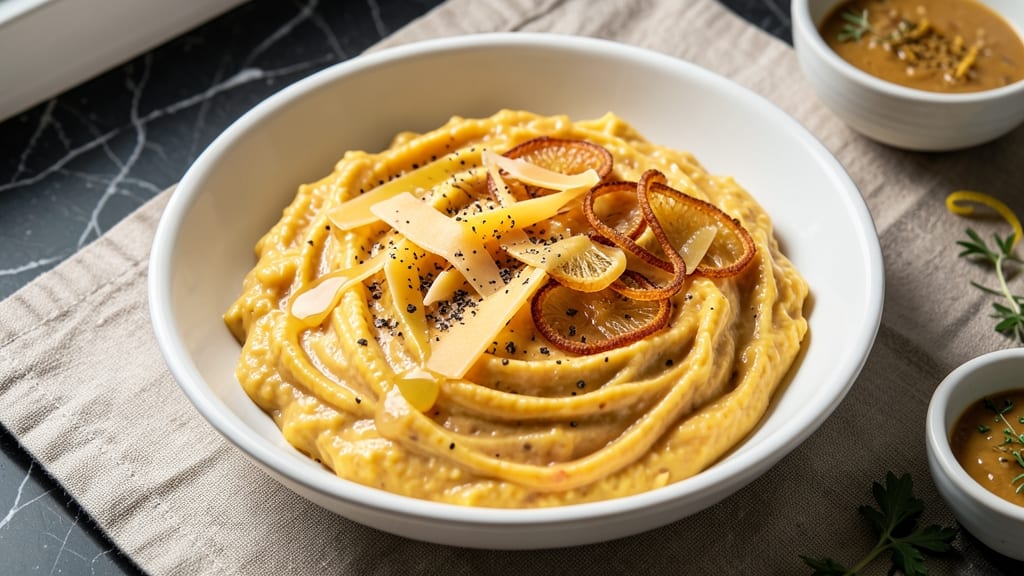
This slow cooker scrambled eggs recipe delivers restaurant-quality results with creamy yolks and tender texture—no overcooking, no fuss. The secret lies in a precise milk-to-egg ratio and gentle heat that transforms simple ingredients into a velvety, golden dish.
I perfected this method after years of burning eggs on the stovetop, and it never fails to impress.
The beauty of slow cooker scrambled eggs is their foolproof nature—just whisk eggs with milk, pour into the pot, and let it work its magic on low heat. Unlike stovetop scrambles, this method avoids rubbery textures by cooking eggs at a consistent, gentle temperature.
The result? Eggs with silky consistency and perfectly set yolks, ready in just 30 minutes.
What sets this recipe apart is the ability to customize—add sharp cheddar for a cheesy twist, fresh herbs for brightness, or cooked bacon for extra protein. The slow cooker also makes it easy to batch-prep for meal prep, ensuring you always have a creamy, satisfying breakfast ready to go.
No more sad, dry scrambled eggs.
This technique works equally well for brunch or a quick dinner. The versatility is unmatched—serve with toast, avocado, or as a filling for breakfast burritos. Let's get started on your new go-to slow cooker breakfast.
Ingredients for slow cooker scrambled eggs
Six simple ingredients transform into velvety scrambled eggs with perfectly set yolks—no overcooking, just creamy perfection.
| Ingredient | Amount | Notes |
|---|---|---|
| Large Eggs 🥚 | 6 whole | Room temperature for even cooking |
| Whole Milk 🥛 | ½ cup | Full-fat for creamy texture |
| Unsalted Butter 🧈 | 2 tbsp | Cold, cubed for even melting |
| Diamond Crystal Kosher Salt 🧂 | ½ tsp | Adjust to taste |
| Freshly Ground Black Pepper 🌶️ | ¼ tsp | Freshly cracked for brightness |
| Sharp White Cheddar Cheese 🧀 | ½ cup | Shredded, optional for cheesy twist |
| Fresh Chives 🌿 | 2 tbsp | Chopped, for garnish |
| Cooked Bacon 🥓 | 4 oz | Chopped, optional for protein boost |
The eggs are the star here—use large eggs for ideal texture, and let them sit at room temperature for even cooking. For the milk, whole milk is non-negotiable; it delivers that signature creamy consistency. I always grab Land O'Lakes or Organic Valley for reliable quality. The butter should be unsalted and cold when adding—this ensures it melts gradually, creating a silky sauce rather than burning. If you're short on time, melted butter works, but cold cubes give you better control over the cooking process.
No sharp cheddar? Parmesan or Gruyère add a similar depth of flavor. Fresh chives can be swapped for dried chives at one-third the amount, but fresh is ideal for that bright finish. Short on bacon? Cooked sausage or crumbled feta work beautifully. The kosher salt is crucial—Diamond Crystal dissolves more easily than table salt, so use it if you have it. For a vegetarian option, skip the bacon and add roasted mushrooms or spinach instead. The pepper should be freshly ground; pre-ground loses its punch quickly.
This recipe reheats beautifully—simply stir on low for 5-10 minutes until warmed through. For meal prep, portion into glass containers and store for up to 3 days in the fridge. The eggs keep their creamy texture when reheated gently, making this perfect for grab-and-go breakfasts. Freezing isn't recommended due to the milk, but you can freeze the cheese and bacon toppings separately for up to 3 months and add them fresh when serving.
Why You'll Love This Recipe
- No-Fuss Prep: I’ll admit, I used to dread scrambled eggs—until I discovered this. Just crack eggs, splash in milk, dot with butter, and let the slow cooker do the work. No whisking, no heat-watching, no burnt edges.
- Creamy Magic: That whole milk? It’s the secret weapon—rich, velvety texture without a drop of cream. And the butter? It melts into golden pockets that make every bite feel like a little indulgence.
- Breakfast Reinvented: Honestly, I serve these for brunch, a lazy Sunday supper, or even as a quick lunch the next day. Add cheese for a frittata twist or keep it simple—either way, it’s always a crowd-pleaser.
- Budget Breakthrough: Eggs and milk are cheap, but this recipe stretches them into something restaurant-worthy. Leftovers? Reheat in seconds, or freeze portions for when you’re too tired to cook. My wallet and my mornings thank me.
Step-by-step instructions for slow cooker scrambled eggs
Mastering creamy, perfectly cooked eggs in a slow cooker takes just a few simple steps—no overcooking, no rubbery texture.
Whisk the Egg Mixture to Smooth Perfection
In a large bowl, combine the 6 whole Large Eggs and 0.5 cup Whole Milk—this ratio ensures rich, velvety texture without excessive moisture. Whisk vigorously for 3-4 minutes until the mixture becomes completely smooth and pale yellow. You're breaking down the egg proteins evenly, which prevents curdling later in the slow cooker.
Next, add the 2 tbsp Unsalted Butter, 0.5 tsp Diamond Crystal Kosher Salt, and 0.25 tsp Freshly Ground Black Pepper to the egg mixture. Whisk again until the butter melts completely and all ingredients are fully incorporated. For extra flavor, fold in the 0.5 cup Sharp White Cheddar Cheese and 4 oz Cooked Bacon at this stage—this ensures even distribution throughout the eggs.
Preheat and Prepare the Slow Cooker
Set your slow cooker to Low heat and allow it to preheat for 10 minutes. This gradual warming prevents temperature shock when you add the egg mixture. Line the bottom of the slow cooker with a piece of parchment paper to make cleanup easier—this step is non-negotiable for scrambled eggs, as they can stick to the bottom if the surface isn't properly prepared.
Once preheated, carefully pour the egg mixture into the slow cooker. The eggs should fill it about halfway—this volume ensures even cooking without overflowing. Avoid stirring the eggs after they're in the slow cooker, as this can create a grainy texture. Instead, let the slow cooker's gentle heat work its magic.
Cook on Low Heat for Gentle Perfection
Cover the slow cooker and cook on Low heat for 2-2.5 hours. This slow, steady cooking method allows the eggs to set gradually, creating a creamy, custard-like texture without overcooking. The key here is patience—resist the urge to check or stir the eggs during cooking, as this disrupts their delicate structure.
You'll know the eggs are ready when they've reached an internal temperature of 160°F and have a soft, jiggly consistency at the center. They should look like thick, creamy pudding rather than firm scrambled eggs. If you're unsure, use an instant-read thermometer to check the temperature—this ensures perfect doneness every time.
Finish with Fresh Garnishes
Once the eggs are fully cooked, remove the slow cooker from heat and let them rest for 5 minutes. This resting period allows the eggs to set slightly, making them easier to serve. Gently fold in the 2 tbsp Fresh Chives just before serving to add a bright, fresh finish that cuts through the richness of the eggs.
Serve immediately in warmed bowls, garnished with additional Sharp White Cheddar Cheese and Cooked Bacon if desired. The slow cooker method preserves the eggs' natural creaminess, making each bite silky and indulgent—far superior to stovetop scrambled eggs that can easily become dry or rubbery.
Pro Tips For Making Slow Cooker Scrambled Eggs
- STIR BEFORE YOU SEAL: The slow cooker’s low-and-slow approach means eggs can settle unevenly—lumpy in the middle, dry on top. Give the mixture a quick, thorough stir right before turning it on, then do it again halfway through. I learned this the hard way when I walked away and came back to a sad, uneven mess.
- USE COLD MILK: Whole milk straight from the fridge whips eggs into a smoother, creamier texture than room-temperature milk. Cold milk also prevents the eggs from curdling too fast in the slow cooker’s heat. Yes, even if you’re impatient like me—just add it last and let it sit.
- SALT THE BUTTER FIRST: Toss your unsalted butter with salt and pepper before melting it into the eggs. This guarantees even seasoning—no more hunting for pepper flakes at the end or wondering why your eggs taste bland. Diamond Crystal salt dissolves faster, so sprinkle it in while the butter’s still cold.
- COOK ON HIGH THEN LOW: Start on high for 10 minutes to get the eggs moving, then switch to low for the rest of the time. This two-step method prevents the eggs from turning into a sad, watery puddle while still keeping them creamy. (Your slow cooker’s manual will tell you how long total—usually 2-3 hours.)
Make-ahead tips for this recipe
Meal Prep Magic
Make a double batch by scaling the recipe to 12 eggs and 1 cup milk—this keeps the same creamy texture while giving you leftovers for 3-4 days. Portion into glass meal prep containers with tight lids, and store in the fridge.
The slow cooker method ensures reheating is a breeze—just stir on low heat for 5-10 minutes until warmed through. 💛
Freezer-Friendly Add-Ins
Prep your cheese and bacon toppings ahead of time by freezing them separately. Store shredded cheddar and chopped bacon in airtight containers for up to 3 months.
When ready to serve, simply add them fresh to your reheated eggs for maximum flavor. This trick saves time and keeps your eggs from absorbing freezer burn.
Overnight Prep Hack
Whisk the egg mixture the night before and store it in an airtight container in the fridge. In the morning, simply pour it into the preheated slow cooker and cook as directed.
This 5-minute morning effort means you wake up to a hot, creamy breakfast with almost no work. Perfect for busy weekdays!
Slow Cooker Cleanup
Line the slow cooker with parchment paper before adding the eggs—this makes cleanup effortless. After cooking, the eggs will slide right off, leaving you with just the parchment to toss. No scrubbing required! I always keep a roll of 12-inch parchment paper in my pantry for this exact purpose. 🧼
Grab-and-Go Breakfasts
Portion the cooked eggs into small glass jars and store them in the fridge. In the morning, grab one, pop it in the microwave for 30 seconds, and top with your favorite add-ins. These portable breakfasts are ideal for commuters or busy mornings—no reheating on the stovetop needed!
Weekend Batch Prep
Turn this into a weekend project by making two full batches—one for breakfast and one for dinner. The eggs reheat beautifully and pair perfectly with toasted sourdough or avocado toast.
Label containers with dates to keep track of freshness. This ensures you always have a hot, creamy meal ready to go. ✨
Nutrition facts
Frequently asked questions
Why do slow cooker scrambled eggs turn out so creamy?
The key is the milk-to-egg ratio and gentle heat. The slow cooker's low heat cooks eggs at a consistent 160°F, preventing overcooking that makes stovetop eggs rubbery. The 0.5 cup whole milk adds moisture and richness, creating that signature velvety texture.
Can I use this recipe for custard-style eggs?
Yes! For a firmer custard, reduce cooking time to 1.5-2 hours on low and check for a 165°F internal temp. Add 1 tbsp cornstarch to the egg mixture for extra thickness. The slow cooker's even heat ensures no lumps or uneven cooking.
What if my slow cooker doesn't have a low setting?
Use the warm setting instead—it maintains a similar gentle heat. If your cooker only has high/low, reduce cooking time to 1.5 hours and check frequently. The eggs should be just set when they reach 160°F. Never use high heat—it risks overcooking.
Can I make this recipe with just eggs and butter?
You can, but the texture will be less creamy. Replace the milk with 2 tbsp melted butter and add 1 tbsp heavy cream for richness. The eggs will still cook beautifully, but the custard-like quality will be reduced. This works well for a lighter version.
How do I fix eggs that look watery after cooking?
Watery eggs usually mean over-milk or undercooking. If this happens, remove the lid and cook on high for 10-15 minutes to evaporate excess moisture. For future batches, reduce milk to 1/3 cup and cook until the center reaches 160°F. Stirring vigorously before cooking also helps emulsify the mixture.