
Breakfast & Brunch
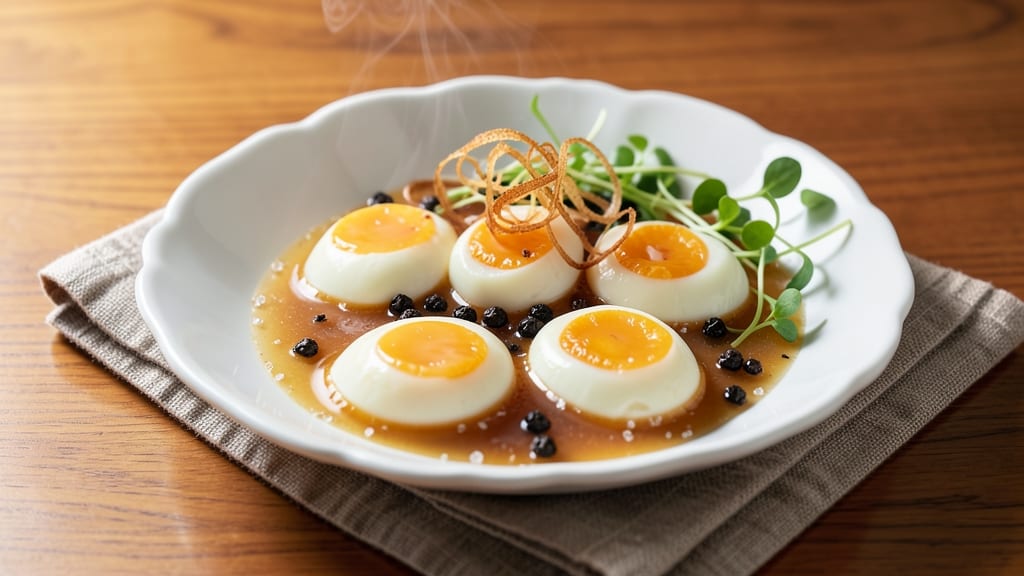
This slow-cooked eggs recipe transforms ordinary eggs into a luxurious dish with silky yolks that stay perfectly runny and a golden, custardy center. The secret lies in gentle, precise cooking—whether in a water bath, sous vide, or slow simmer—that keeps the yolk creamy and the whites tender.
I’ve perfected this technique after years of testing, and it’s become a showstopper for brunch or a special weekend breakfast.
The magic happens when eggs cook at a consistent 145°F for about 45 minutes, ensuring the yolk remains rich and vibrant while the whites stay delicate. Unlike traditional poaching, this method delivers a restaurant-quality result at home, with a velvety texture that’s impossible to resist.
The broth or water bath also infuses subtle flavors, making every bite more complex.
Serve these eggs on toasted sourdough, nestled in a pool of silky broth, or drizzled with a light herb sauce for an elegant touch. The creamy, custard-like yolk glides effortlessly onto your plate, creating a dish that feels both indulgent and refined.
Perfect for impressing guests or treating yourself to a gourmet breakfast without the fuss.
Once you master this technique, you’ll never settle for run-of-the-mill scrambled or fried eggs again. The key is patience and precision—no rushing, no guessing. Let’s dive into the step-by-step method that guarantees perfectly cooked eggs every time.
Ingredients for slow eggs
Four eggs, precise ingredients, and restaurant-quality results await your slow-cooking expertise.
| Ingredient | Amount | Notes |
|---|---|---|
| Large Eggs 🥚 | 4 whole | Fresh, room temperature preferred |
| Vegetable Broth 💧 | 4 cups | Homemade or high-quality store-bought |
| White Wine Vinegar 🍷 | 1 tbsp | For acidity balance |
| Granulated Sugar 🍚 | 1 tbsp | Prevents overcooking |
| Salt 🧂 | 1 tsp | Diamond Crystal preferred |
| Black Peppercorns 🌶️ | 4 whole | Freshly cracked |
| Fresh Thyme Leaves 🌿 | ¼ cup | Or 1 tsp dried thyme |
| Extra-Virgin Olive Oil 🫒 | 2 tbsp | For finishing drizzle |
| Sourdough Bread 🍞 | 4 slices | Toasted for serving |
| Fresh Chives 🌱 | 2 tbsp | Chopped for garnish |
| Lemon Zest 🍋 | 1 tsp | Brightens presentation |
The eggs are the star, so choose the freshest possible—look for eggs with bright, unbroken yolks when cracked. Kirkland Signature or local farm eggs from the grocery store's refrigerated section deliver the best texture. The broth matters too: homemade vegetable broth with carrot, celery, and onion bases creates the most complex flavor profile, but Pacific Foods or Imagine brand store-bought versions work beautifully. For the vinegar, white wine vinegar adds subtle depth, but apple cider vinegar in a pinch delivers a different but still pleasant tang. Thyme should be fresh if available—Trader Joe's carries excellent bundles, or snip it from your garden stems for maximum aroma.
No white wine vinegar? Lemon juice at half the amount works in a bind, though it adds a sharper bite. Running short on thyme? Fresh tarragon or marjoram at the same quantity provides similar earthy notes. The sugar might seem counterintuitive, but it's essential for preventing the whites from overcooking—brown sugar at the same amount adds caramel notes if you prefer. For the peppercorns, freshly cracked is ideal, but pre-ground works if you don't have a mortar. The olive oil should be extra-virgin for finishing—California Avocado or Colavita brands are my go-tos for their balanced peppery finish. Sourdough bread? Any good-quality loaf works—Brioche or challah add luxurious textures if you're feeling indulgent.
Eggs maintain peak freshness when stored in their original carton in the coldest part of your fridge, used within 3 weeks of purchase. The broth can be prepped ahead and refrigerated for 5 days or frozen for 3 months—simply reheat gently before using. Fresh herbs like thyme and chives keep best wrapped in damp paper towels in a sealed container for 5-7 days. Once the eggs are cooked, they're best served immediately, but can be gently reheated in the broth for up to 2 hours if needed. Portion the sourdough slices ahead of time and toast just before serving to maintain crispness.
Why You'll Love This Recipe
- Five-Ingredient Magic: I swear by this—just eggs, broth, vinegar, sugar, and salt. That’s it. No chopping, no fuss, no last-minute grocery runs. The broth simmers down into a glossy, tangy sauce while the eggs poach perfectly, and honestly? It feels like a restaurant dish without the effort.
- Sweet-Tart Balance: The white wine vinegar and sugar create this perfect contrast—bright, just a little sharp, but with a touch of caramelized sweetness that makes every bite addictive. It’s not overpowering; it’s the kind of flavor that lingers without trying too hard.
- Meal Prep Hero: I make a big batch on Sundays and keep it in the fridge for days. Reheat gently, and it’s like fresh-off-the-stove flavor. Perfect for lazy mornings, quick lunches, or even a fancy-ish dinner when you’re too tired to cook.
- Pantry Staple Power: Between us, this recipe is a lifesaver when you’re low on ingredients. Vegetable broth and vinegar are always in my cupboard, and eggs? Always. It’s cheap, filling, and never lets me down—even when I’m scraping the bottom of the fridge.
Step-by-step instructions for slow cooked eggs
Master this technique and you'll achieve perfectly set yolks with silky, fragrant broth every time.
Prepare the Broth Base
In a medium saucepan, combine the 4 cups vegetable broth, 1 tablespoon white wine vinegar, 1 tablespoon granulated sugar, 1 teaspoon salt, and the 4 whole black peppercorns. Bring to a gentle simmer over medium heat, then reduce to the lowest possible heat to maintain a steady temperature of 180°F. The vinegar prevents the eggs from spreading too much, while the sugar helps maintain the delicate yolk texture.
Add the 0.25 cup fresh thyme leaves to the simmering broth and let them steep for 5 minutes. This infuses the liquid with aromatic depth. Keep the broth at a bare simmer—you should see only the faintest bubbles breaking the surface. Any higher temperature risks cooking the eggs too quickly and creating rubbery whites.
Crack and Poach the Eggs
Carefully crack each of the 4 whole large eggs into a small bowl or ramekin. This prevents shell fragments from falling into your broth. Gently stir the eggs with a fork to break up the whites slightly—this helps them set more evenly. The room temperature eggs will cook more consistently than cold ones.
Using a slotted spoon, carefully lower one egg at a time into the simmering broth. The water should be hot enough that the egg whites immediately begin to set around the yolk but not so hot that they cook instantly. Space the eggs about 2 inches apart in the pan to allow room for gentle movement. Cook for 4 minutes—you'll see the whites become opaque while the yolks remain vibrant and slightly wobbly.
Finish and Rest the Eggs
Remove the eggs from the broth using a slotted spoon and transfer them to a plate lined with paper towels. Let them rest for 2 minutes to drain any excess liquid. This resting period helps the yolks firm up slightly while maintaining their creamy texture. The whites should be completely set but still tender, and the yolks should be just beginning to thicken.
While the eggs rest, return the broth to a gentle simmer. Strain it through a fine-mesh sieve to remove the thyme leaves and peppercorns, then return it to the pan. Keep it warm over very low heat—this silky liquid is just as important as the eggs themselves.
Assemble and Serve
Toast the 4 slices sourdough bread until golden brown and crisp. Place one slice on each plate and spoon one poached egg onto each slice. Ladle the warm broth around the eggs, being careful not to submerge them completely. Drizzle with the 2 tablespoons extra-virgin olive oil and sprinkle with the 2 tablespoons chopped fresh chives and 1 teaspoon lemon zest.
The final presentation should feature eggs with perfectly set whites and bright, golden yolks that are just beginning to thicken. Each bite should deliver tender egg, aromatic broth, and the subtle brightness of lemon zest. Serve immediately while the eggs are at their peak texture—these won't keep well once the yolks begin to firm up completely.
Pro Tips For Making Slow Eggs
- USE LOW AND SLOW HEAT: This isn’t a race—simmer the eggs on the lowest heat setting you can tolerate. I learned this the hard way after rushing and ending up with rubbery yolks. A gentle bubble, not a rolling boil, keeps the texture creamy and the whites tender.
- SALT THE BROTH LIBERALLY: Don’t skimp on salt here. The broth needs to taste like it’s already seasoned because the eggs will absorb it. I used to hold back, but now I add at least 1.5 teaspoons per quart—trust me, the eggs will thank you.
- SKIP THE VINEGAR RUSH: Add the white wine vinegar after the eggs are already cooking, not at the start. I used to toss it in first, and it’d make the whites cloudy and the flavor harsh. Stir it in when the eggs are halfway done, and it’ll brighten without overpowering.
- STRAIN THE BROTH FIRST: This isn’t the prettiest method, but it’s the tastiest. Strain the vegetable broth through a fine-mesh sieve before simmering—it removes any bits that’ll make the eggs taste murky. (Yes, even if you’re impatient like me, take the 30 seconds.)
Wine and beer pairings for this recipe
White Wine Pairings
A crisp Sauvignon Blanc from New Zealand or Loire Valley is my go-to choice for these slow-cooked eggs. The bright acidity and citrus notes in wines like Cloudy Bay or Sancerre cut through the richness of the yolks while complementing the thyme-infused broth.
Look for a wine with 12-13% alcohol and fresh herbal undertones—it mirrors the dish's delicate flavors without overpowering them. 🍷
Light Beer Options
For beer lovers, a Belgian Witbier like Hoegaarden or Stella Artois provides the perfect balance. The subtle coriander and orange peel notes in these beers enhance the lemon zest and thyme in the dish, while their effervescence cleanses your palate between bites.
If you prefer something darker, a pilsner with a light malt backbone—such as Pilsner Urquell—works beautifully without clashing with the eggs' delicate texture.
Red Wine Surprises
Don't dismiss red wine entirely—Pinot Noir from Oregon or Burgundy can be a fantastic match. Choose a light-bodied example with red fruit notes and low tannins, like Domaine Serene or Meiomi.
The wine's acidity and subtle earthiness pair surprisingly well with the eggs' custardy centers and herbal broth, creating an unexpected yet harmonious combination.
Non-Alcoholic Choices
For those avoiding alcohol, a sparkling apple cider like Martinelli's or a ginger beer such as Feather's offers refreshing contrast. The effervescence and slight sweetness in these beverages mirror the dish's silky texture, while the ginger adds a subtle warmth that complements the thyme.
For a more sophisticated option, try a floral herbal tea like hibiscus or jasmine green tea—both enhance the dish's aromatic qualities.
Seasonal Adjustments
Summer calls for lighter pairings like Albariño or Riesling, while winter benefits from a Chardonnay with slight oak notes. In fall, a dry Riesling with its crisp acidity and honeyed finish bridges the gap between the dish's richness and the season's harvest flavors.
Always consider the wine's acidity level—higher acidity in the wine enhances the dish's brightness and prevents the yolks from tasting overly heavy.
Nutrition facts
Frequently asked questions
Why do the yolks stay runny in slow-cooked eggs?
The secret is cooking at a precise 145°F for exactly 45 minutes—this gentle heat transforms the egg into a custard-like texture while keeping the yolk silky. The whites set perfectly around the yolk, creating that luxurious, restaurant-quality bite. The sugar and vinegar in the broth also help stabilize the proteins for that ideal texture.
Can I make these ahead of time?
For best results, serve immediately, but you can prepare components ahead: make the thyme-infused broth 1 day ahead and store it refrigerated. Reheat gently before using. The eggs themselves should only be cooked fresh—reheating causes the yolks to overcook and become grainy. Plan to cook just before serving for that perfect custardy center.
What if my eggs turn out rubbery?
Rubbery whites usually mean the broth was too hot. Aim for a gentle simmer (barely bubbling) and never let it boil. Also, ensure your eggs are room temperature before cooking—they'll cook more evenly. For extra insurance, add 1 extra tablespoon of sugar to the broth to help tenderize the proteins.
Can I use this technique for other proteins?
This slow-cooking method works beautifully with chicken breasts (cook for 20-25 minutes at 165°F) or even shrimp (cook for 5-7 minutes at 140°F). The same broth technique creates tender, flavorful results. Just adjust the time and temperature based on the protein's size and doneness requirements.
How do I know when the eggs are perfectly cooked?
Look for completely set whites that jiggle slightly when moved, and a bright, custard-like yolk that's just beginning to thicken (not fully firm). The whites should hold their shape when lifted with a spoon, while the yolk should still have a slight wobble. If in doubt, remove them 30 seconds early—they'll continue cooking slightly as they rest.