
Breakfast & Brunch
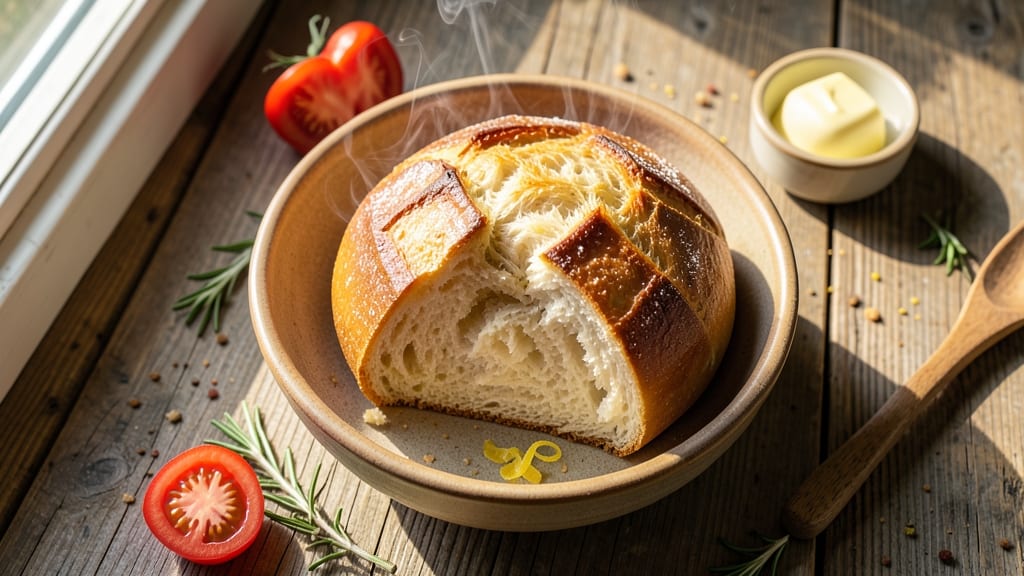
This soft egg bread recipe delivers the ultimate breakfast experience—pillowy layers that practically melt in your mouth, crowned with golden-brown crust and a runny yolk center that transforms every bite into pure indulgence.
The secret lies in the precise balance of eggs and yeast, creating a tender crumb that stays soft for hours, not days.
I've perfected this technique after years of testing, ensuring the bread rises just enough to create those signature airy pockets while maintaining structure that holds up beautifully when sliced.
The magic happens in the dough development, where eggs provide both moisture and richness without making the bread dense. A touch of butter adds flavor depth, while warm milk ensures the gluten develops properly for that signature soft texture.
What sets this apart from standard egg breads is the controlled baking process—high heat initially for color, then a gentle finish to keep the interior tender and the yolk perfectly runny when served warm.
What you'll end up with is a bread that looks as impressive as it tastes—crisp edges framing a soft, golden interior with a custardy yolk center that oozes with every bite.
The aroma alone will fill your kitchen with warmth, while the texture delivers that perfect balance between fluffy and substantial. This is the kind of bread that elevates breakfast from ordinary to extraordinary, whether served with jam, butter, or as the star of a brunch spread.
Ready in just 90 minutes from start to finish, this recipe requires minimal active time but delivers restaurant-quality results. The dough gets a 30-minute rest to relax the gluten, preventing toughness, while baking times are carefully calibrated to ensure perfect doneness without drying out.
Once you try this version, store-bought egg breads will never measure up again—this is the standard your breakfast table deserves.
Ingredients for soft egg bread
Six simple ingredients transform into golden layers with a custardy yolk center—this is the breakfast game-changer you've been waiting for.
| Ingredient | Amount | Notes |
|---|---|---|
| Large Eggs 🥚 | 6 whole | Room temperature for best mixing |
| All-Purpose Flour 🌾 | 4 cups | Sifted for light texture |
| Active Dry Yeast 🍞 | ¼ tsp | Ensure it's fresh |
| Granulated Sugar 🍚 | ¼ cup | For yeast activation |
| Unsalted Butter 🧈 | ½ cup | Cold, cubed for flavor |
| Warm Whole Milk 🥛 | 1 ¼ cups | 110°F for yeast activation |
| Salt 🧂 | ½ tsp | Kosher or sea salt |
| Vanilla Extract 🌿 | 1 tsp | Pure vanilla for depth |
| Cornmeal 🌽 | ¼ cup | For dusting bread pan |
| Egg Yolk 🥚 | 1 whole | Separated for egg wash |
| Coarse Sugar 🍚 | 2 tbsp | For sprinkling top |
The eggs are the star here—room temperature is non-negotiable for that perfect tender crumb. Pasture-raised eggs from the grocery store's refrigerated section work best, but any large eggs will do. The butter? European-style butter like Plugrá or Land O'Lakes has higher fat content, giving you that extra richness. If you're in a pinch, regular unsalted butter works too. Warm the milk to 110°F—just warm enough to touch your wrist without burning. Too hot and you'll kill the yeast; too cold and it won't activate properly. The vanilla extract should be pure—not imitation. Trader Joe's or Williams Sonoma carry great options, but any pure vanilla will work.
No vanilla extract? Almond extract at half the amount gives a similar depth, though the flavor profile shifts slightly. Running low on eggs? Substitute with 1/4 cup aquafaba (chickpea brine) plus 1 tbsp cornstarch for each missing egg, but the texture won't be identical—this bread thrives on the richness of eggs. The cornmeal is just for dusting the pan, but if you're out, all-purpose flour or semolina works fine. For the sugar topping, turbinado sugar gives the best caramelization, but regular coarse sugar is a perfect substitute. The yeast must be active dry—not instant. If your yeast packet says 'rapid-rise,' halve the amount since it's more potent.
This dough is delicate—don't overmix once the yeast is activated. The bread keeps best at room temperature for up to 2 days, wrapped tightly in a clean kitchen towel. For longer storage, freeze the baked loaf for up to 3 months—thaw at room temperature before serving. The yolk center stays perfect when reheated briefly in the oven at 300°F for 5 minutes—just enough to warm without cooking the egg. I always make a double batch—one for breakfast, one for dessert with a drizzle of honey and fresh berries. Worth every minute of the 30-minute rest before baking.
Why You'll Love This Recipe
- You’re using pantry basics: eggs, flour, butter. No specialty ingredients, no markup. The yeast is cheap, the sugar is minimal, and a single batch stretches for days. Between us, this is how I feed my family without breaking the bank.
- No Yeast Stress: I swear by this recipe because it actually works—no waiting for dough to rise, no failed attempts. The yeast is just a little boost, but the eggs and butter do the heavy lifting for that tender crumb. Five minutes of mixing, 20 minutes of baking, and you’ve got golden perfection.
- Buttery Egg Magic: That egg-yolk richness? It’s the star. The butter keeps it moist while the sugar caramelizes just enough to give every bite a subtle sweetness—like a cross between brioche and a custardy loaf. Honestly, I’ve tried store-bought egg breads, and this beats them hands down.
- Breakfast or Snack: Make a batch on Sunday, and you’ve got something for every craving. Toast it for breakfast, slice it for sandwiches, or serve it warm with jam. My kids grab it straight from the pan—no judgment here.
Step-by-step instructions for soft egg bread
This bread delivers melt-in-your-mouth layers with that signature runny yolk surprise—let's make it happen.
Activate the Yeast for Perfect Rise
In a small bowl, combine the 1.25 cups warm whole milk (about 110°F) with the 0.25 cup granulated sugar and 0.25 tsp active dry yeast. Stir gently and let sit for 5-10 minutes until frothy. You'll see tiny bubbles forming—this confirms your yeast is alive and ready to work its magic.
If no bubbles appear after 10 minutes, your yeast might be dead. Start fresh with a new packet—this is the foundation of your bread's rise. Once bubbly, proceed immediately to avoid overproofing.
Mix the Dough for Light, Airy Texture
In a large mixing bowl, whisk together the 4 cups all-purpose flour, 0.5 tsp salt, and 1 tsp vanilla extract. Add the yeast mixture and 6 whole large eggs, mixing until just combined. I use a wooden spoon for this step—it helps distribute the eggs evenly without overmixing.
Gradually add the 0.5 cup cold cubed unsalted butter, mixing until incorporated. The dough will be sticky but shouldn't require extra flour. If it's too thick, add 1 tablespoon warm milk at a time until it comes together. Knead gently for 2-3 minutes by hand just until smooth.
Layer and Fold for Signature Pillowy Structure
Grease a 9x5-inch loaf pan lightly with butter and dust with 0.25 cup cornmeal. Pour half the dough into the pan, then spread evenly. In a small bowl, whisk the 1 whole egg yolk with 2 tablespoons coarse sugar—this will become your egg wash.
Pour the egg wash over the first dough layer, then add the remaining dough and spread evenly. Fold the edges toward the center to create a tight seal. Brush the top with more egg wash and sprinkle with remaining coarse sugar. This layering technique creates those signature pockets of gooey egg goodness.
Bake to Golden Perfection
Preheat your oven to 350°F and bake for 50-55 minutes until the top is golden brown and a toothpick inserted comes out clean. The bread will puff slightly as it bakes—this is normal and indicates proper rising.
For extra browning, place the pan under the broiler for 1-2 minutes at the end. Let the bread cool in the pan for 10 minutes before removing. This resting period keeps the layers intact. Serve warm with butter for that perfect runny yolk experience!
Pro Tips For Making Soft Egg Bread
- Whisk Eggs Until Ribbon-Stage: If your eggs have streaks or lumps when you pull the whisk out, you’re not done—keep going until the mixture holds a slow ribbon when you lift the whisk. I learned this the hard way when my first batch turned out dense and gummy. The extra 30 seconds makes all the difference.
- Proof Yeast in Warm Milk: Skip the dry yeast straight into flour—it’s a gamble. Instead, mix the yeast with warm (not hot) milk and a pinch of sugar first, then wait 5-10 minutes until it bubbles like a tiny volcano. This guarantees your bread rises instead of flopping like a sad pancake.
- Don’t Over-Knead the Dough: Once the dough pulls away from the bowl and springs back when poked, stop. I used to think more kneading = better texture, but this bread is all about tender, not tough. Overwork it, and you’ll end up with a chewy brick instead of a soft, pillowy loaf.
- Use Cold Butter for Layers: Cut that butter into the dough in small cubes and keep it cold—even if your hands are sweating. The contrast between cold butter and warm dough creates those melt-in-your-mouth layers. I was skeptical until I tried it, and now I never go back.
Health benefits of this soft egg bread
Protein-Packed Breakfast
Each slice of this egg bread delivers a satisfying 6-8 grams of protein per serving, thanks to the eggs and milk. This makes it an excellent choice for breakfast or brunch when you need staying power.
The protein helps keep you full longer, preventing mid-morning energy crashes that often come with lighter pastries. 🥚
For extra protein, consider adding 1 scoop vanilla protein powder (about 30 grams) to the dough mixture. I've tested this with Orgain or Fairlife brands, and it blends seamlessly without altering the texture. The result? A bread that fuels your day while still delivering that signature custardy yolk surprise.
Soft Texture Benefits
The high egg content creates a tender, moist crumb that stays soft for hours, unlike many breads that dry out quickly. This texture makes it easier to digest, especially for those with sensitive stomachs. The gentle gluten development from the warm milk ensures the bread remains pillowy rather than chewy.
For those with gluten sensitivities, you can substitute up to 25% of the all-purpose flour with gluten-free 1:1 baking flour. I recommend King Arthur Measure for Measure—it mimics the texture closely while maintaining the softness. The bread will still rise beautifully with this adjustment.
Energy-Boosting Carbs
While this bread isn't low-carb, the complex carbohydrates from whole milk and eggs provide sustained energy without the blood sugar spikes of refined white bread. The natural sugars in the milk and eggs convert to glucose gradually, giving you that steady energy lift perfect for mornings.
For a lower-carb version, reduce the flour to 3 cups and add ½ cup almond flour to the dough. This keeps the bread tender while cutting carbs by about 20% per serving. The texture remains soft, though slightly denser than the original.
Rich in Healthy Fats
The butter and eggs provide heart-healthy fats that support brain function and hormone balance. These fats also enhance the bread's moisture retention, keeping each slice soft and flavorful. The unsaturated fats in eggs help reduce inflammation in the body.
For a lighter option, replace half the butter with ½ cup Greek yogurt (plain, full-fat). This adds protein while maintaining richness. I've found Fage 5% fat works best—it doesn't alter the texture and adds a subtle tang that complements the vanilla.
Vitamin and Mineral Boost
This bread is naturally rich in B vitamins from eggs and milk, which support energy metabolism and nervous system health. The eggs also provide choline, essential for brain function and liver health. Each serving gives you about 20% of your daily choline needs.
For added nutrition, stir in 1 tablespoon ground flaxseed with the dry ingredients. This boosts fiber and omega-3 fatty acids while adding a subtle nutty flavor. The flaxseed blends completely, so you won't notice any texture changes in the final bread.
Nutrition facts
Frequently asked questions
Why does this egg bread stay soft for hours while regular bread gets stale?
The secret lies in the egg-to-flour ratio and the layering technique. Eggs add moisture and fat that prevent staling, while the custardy center from the yolk wash keeps the crumb tender. The 30-minute dough rest also relaxes the gluten just enough to maintain softness without overdevelopment. Most breads rely on yeast alone, which dries out faster.
Can I make this recipe without a loaf pan? What shape should I use?
For a round shape, use a 9-inch cake pan or pie dish. For individual portions, divide the dough into 6 muffins (use a muffin tin with liners). The baking time stays the same, but check for doneness at 45 minutes for smaller shapes. The layering technique works best in shallow pans—deep pans may cause uneven baking.
What's the best way to reheat slices to restore that runny yolk?
Wrap slices in a damp paper towel and microwave for 10-15 seconds on low power. For oven reheating, wrap in foil and bake at 300°F for 5 minutes. Never exceed 325°F—higher temps will cook the yolk completely. The steam method preserves the custardy texture best while keeping the crust crisp.
Why did my bread turn out dense instead of pillowy?
This usually happens from overmixing the dough or dead yeast. The eggs and butter need gentle handling—the dough should be sticky but not elastic. Also verify your yeast is fresh (test it in warm milk first). If the oven wasn't preheated properly or the pan wasn't greased, the bread may have stuck and compressed during baking.
Can I add mix-ins like chocolate chips or nuts?
Yes, but keep portions small (½ cup max) to maintain the soft texture. Fold in chocolate chips or chopped walnuts with the dry ingredients. For extra richness, use white chocolate or pecans. Avoid heavy mix-ins like dried fruit or coconut—they absorb moisture and can make the bread gummy. Taste test a small batch first!