
Side Dishes
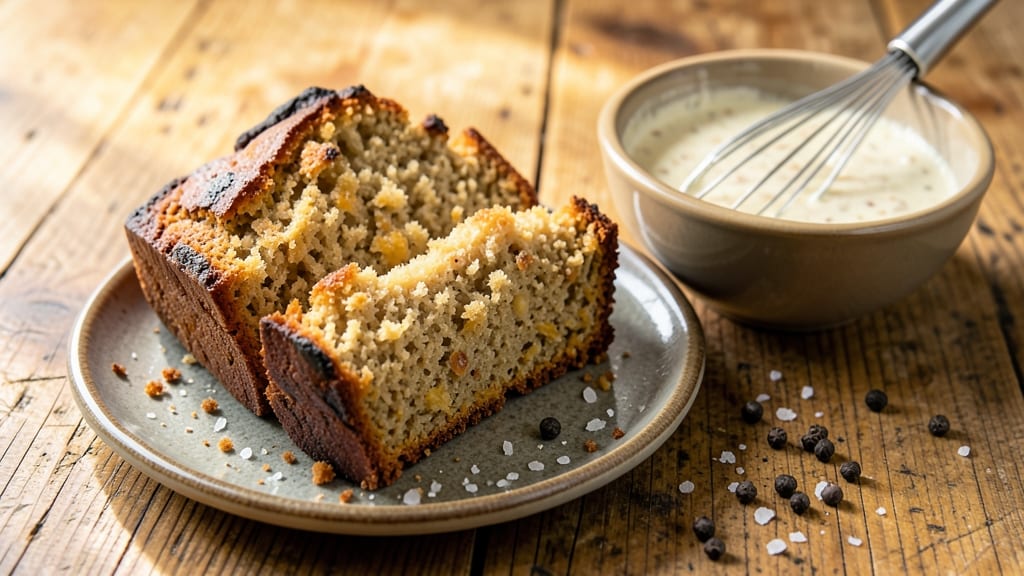
This traditional cornbread recipe with milk and eggs delivers the perfect balance of a golden crust and moist crumb that Southern kitchens have perfected for generations. 💛 The secret lies in the ratio of cornmeal to flour, combined with the richness of milk and eggs, which creates that signature tender texture we all love.
I've baked countless batches over the years, and this version never fails to impress—whether served alongside a hearty stew or as a standalone side.
The beauty of this recipe is its simplicity—just a handful of pantry staples come together to create something that tastes like a home-cooked masterpiece. The milk adds moisture while the eggs bind everything, ensuring that each bite stays tender even after cooling.
Most importantly, it's a recipe that respects tradition without requiring any special equipment or techniques.
What you'll end up with is a cornbread that's perfectly golden on top with a slightly crisp crust, while the inside remains soft and crumbly. The flavor is rich yet balanced, with just enough sweetness from the cornmeal to satisfy without being overpowering.
This is the kind of cornbread that makes Sunday suppers special and weeknight dinners feel like a celebration.
The best part? It bakes up beautifully in a cast-iron skillet or standard loaf pan, making it versatile enough for any kitchen. Once you try this traditional version, you'll understand why it's a staple at Southern tables—and why it's become a favorite in home kitchens across the country.
Let's get baking!
Ingredients for traditional cornbread recipe with milk and eggs
Nine simple ingredients transform into that classic Southern cornbread you love.
| Ingredient | Amount | Notes |
|---|---|---|
| Cornmeal 🌽 | 1 ½ cups | Fine or medium grind preferred |
| All-Purpose Flour 🌾 | 1 cup | White or whole wheat |
| Granulated Sugar 🍚 | ¼ cup | White or light brown |
| Baking Powder 🧂 | 2 tsp | Diamond Crystal preferred |
| Salt 🧂 | ½ tsp | Kosher or sea salt |
| Large Eggs 🥚 | 2 whole | Room temperature preferred |
| Whole Milk 🥛 | 1 cup | Full-fat for best texture |
| Melted Unsalted Butter 🧈 | ½ cup | Cooled slightly before adding |
| Vanilla Extract 🌸 | 1 tsp | Pure vanilla preferred |
The cornmeal is non-negotiable here—Bob's Red Mill or Quaker are my go-tos, but any fine grind works. That said, medium grind gives you a slightly coarser texture, which some folks prefer. The flour? White keeps it classic, but whole wheat adds a nuttier depth if you're feeling adventurous. Eggs should be room temperature (takes 10 minutes in warm water if they're straight from the fridge)—this ensures they blend smoothly. And the milk? Whole milk gives that signature richness, but 2% works in a pinch if that's what you've got.
No vanilla extract? Vanilla sugar or a pinch of cinnamon adds warmth without overpowering. Short on baking powder? Baking soda plus cream of tartar (1/4 tsp each) works, but measure carefully—too much and it'll taste bitter. The butter needs to be melted and cooled slightly before mixing, or you'll end up with a greasy batter. Olive oil can substitute at half the amount, but it'll have a different flavor. And if you're using a cast-iron skillet, preheat it empty for 5 minutes—this gives you that perfect crust.
This keeps for 3 days wrapped in foil at room temperature, or 1 week in the fridge. For longer storage, slice and freeze—3 months and it reheats like it's fresh. The best part? It reheats beautifully in a 350°F oven for 5-7 minutes—just wrap it in foil first. Leftovers? Toast them up with a little butter—game-changer.
Why You'll Love This Recipe
- No-Fuss Mixing: I swear by this recipe—just toss the dry ingredients, crack in the eggs, stir in the milk, and you’re done. No sifting, no overthinking, just a bowl scrape and go.
- Golden Crust, Creamy Heart: That buttery crust? The eggs and milk make it happen—crisp on the outside, tender inside. Honestly, the first bite always makes me pause mid-conversation.
- Tailgate to Sunday Supper: Serve it warm with chili, crumbled into salads, or as a side for fried chicken. It’s my go-to for picnics, game days, or lazy weekends when I don’t want to fuss.
- Budget-Friendly Staple: Cornmeal and flour stretch far, and this recipe feeds four for under $2. My freezer’s always stocked with slices—perfect for quick breakfasts or last-minute snacks.
Step-by-step instructions for traditional cornbread with milk and eggs
Here's how to bake that perfect golden crust with a tender, moist crumb every time.
👨🍳 Step 1: Whisk Dry Ingredients Together
In a large bowl, combine the 1.5 cups cornmeal, 1 cup all-purpose flour, 0.25 cup granulated sugar, 2 teaspoons baking powder, and 0.5 teaspoon salt. Use a whisk to break up any lumps in the cornmeal and distribute the baking powder evenly. This ensures your cornbread rises properly and has a consistent texture throughout.
I like to press the mixture through a fine-mesh sieve for extra smoothness—this prevents those little gritty bits that can make cornbread feel coarse. Sift directly into the bowl and whisk again until everything is thoroughly combined. The mixture should look like fine, pale yellow sand with no visible flour pockets.
🍳 Step 2: Mix Wet Ingredients Separately
In a separate medium bowl, gently whisk together the 2 whole large eggs, 1 cup whole milk, 0.5 cup melted unsalted butter (cooled slightly), and 1 teaspoon vanilla extract. The butter should be warm enough to blend smoothly but not so hot it cooks the eggs. You're aiming for a temperature where it's just cool to the touch.
This warm-but-not-hot approach prevents the eggs from scrambling and creates a silky base for your batter. Give it a quick stir to ensure the vanilla extract is fully incorporated—you'll notice the mixture becomes slightly more fragrant as the vanilla disperses. Set this bowl aside while you preheat your oven.
🥘 Step 3: Combine Wet and Dry Ingredients
Preheat your oven to 425°F while you work. With the mixer on low speed, gradually pour the wet ingredients into the dry ingredients, mixing just until combined. I use a hand mixer for this step—it's gentle enough to avoid developing gluten while ensuring everything blends smoothly. Stop mixing as soon as you see no more flour streaks remaining.
Overmixing develops tough gluten strands that make cornbread dense instead of tender. The batter should be thick but pourable—like a thick pancake batter. If it looks too stiff, add 1-2 tablespoons of milk to loosen it. This is your last chance to adjust the consistency before baking.
🔥 Step 4: Bake for Perfect Golden Crust
Pour the batter into a 9-inch cast-iron skillet or greased baking dish—cast iron gives that classic crispy crust we're after. Bake at 425°F for 18-22 minutes until the top is deep golden brown and a toothpick inserted in the center comes out clean. The edges should pull away slightly from the pan, indicating it's fully set.
Here's the thing—don't open the oven door early to check! The sudden temperature drop can cause the cornbread to sink. If you're unsure, trust the time more than the color at first. The final few minutes of baking develop that gorgeous caramelized crust we love.
⏰ Step 5: Rest and Serve Warm
Remove the cornbread from the oven and let it cool in the pan for 5 minutes. This resting period allows the internal structure to set properly. Then transfer it to a wire rack to cool completely. The crumb will firm up as it cools, making it easier to slice without falling apart.
Serve warm with honey butter or your favorite chili—this is when the cornbread shines brightest. The contrast between the crispy exterior and moist interior is what makes traditional cornbread so special. If you slice it too soon, you'll get those dreaded crumbly pieces. Patience pays off here!
Pro Tips For Making Traditional Cornbread Recipe With Milk And Eggs
- Mix Dry Ingredients First: I learned this the hard way—adding baking powder to the wet mix kills its lift. Whisk flour, cornmeal, sugar, and salt together before stirring in milk and eggs. This keeps the texture light and prevents a dense, flat loaf.
- Use Warm Milk: Cold milk makes the eggs congeal and creates a gummy batter. Heat the milk to just under simmering (about 110°F/43°C), then let it cool slightly before mixing. The batter will be smoother and the crumb finer—no more dry, crumbly disappointment.
- Skip Overmixing: After combining wet and dry ingredients, stir just until the flour is moistened. Overmixing develops gluten, turning your cornbread into a tough, cake-like brick. Two or three gentle folds are all you need—lumpy is better than overworked.
- Bake in a Hot Cast Iron: Preheat your cast iron skillet in the oven for 10 minutes before pouring in the batter. The high heat (425°F/220°C) creates that signature crisp crust while keeping the inside moist. Grease it well—cornmeal sticks like glue if you skip this.
Troubleshooting your traditional cornbread recipe with milk and eggs
Dense Instead of Crumbly
If your cornbread turns out dense rather than tender, you're likely overmixing the batter. The moment you see no more flour streaks, stop mixing immediately—even a few extra seconds develops tough gluten strands.
I've found that using a hand mixer on low speed for just 15-20 seconds after combining is perfect. Also, make sure your baking powder is fresh—old baking powder loses its lift. 💡
Soggy Bottom Texture
A soggy bottom is usually caused by overbaking or not preheating your pan properly. For cast-iron skillets, preheat empty for 5 minutes at 425°F before adding batter. If using a baking dish, grease it thoroughly with butter or oil.
The batter should be thick enough to hold its shape when poured—if it looks too runny, add 1-2 tablespoons of cornmeal to absorb excess moisture.
Uneven Baking
Uneven baking often happens when the oven isn't properly calibrated or the pan isn't placed correctly. For even heat distribution, place your baking dish on the middle rack of your oven. If your oven runs hot, reduce temperature by 25°F and check for doneness 2 minutes early.
I also recommend using an oven thermometer—many home ovens are off by 25-50°F, which can drastically affect baking times.
Bitter Aftertaste
A bitter taste usually comes from old baking powder or using too much. Double-check that your baking powder hasn't expired—it should be labeled "double-acting" for best results. If you're unsure, test it by mixing 1 teaspoon baking powder with 3 tablespoons hot water—it should bubble vigorously.
Also, avoid using too much salt (½ teaspoon max) or brown sugar, as these can intensify bitterness in the final product.
Cracked Top
Cracked tops often occur when the batter is too dry or the oven temperature fluctuates. To prevent this, ensure your batter has the right consistency—it should be thick but pourable, like a thick pancake batter.
If your kitchen is dry, add 1 extra tablespoon of milk to the batter. Also, avoid opening the oven door during the first 15 minutes of baking, as temperature drops can cause cracking.
Pale Crust
A pale crust usually means your cornbread didn't bake long enough or the oven wasn't hot enough. For a deep golden crust, bake until the top is deep golden brown (not just light brown).
If your oven runs cool, increase the temperature by 25°F and bake for 2-3 extra minutes. A broiler finish for 1-2 minutes** at the end can also help achieve that perfect crust without overcooking the interior.
Nutrition facts
Frequently asked questions
Why does this recipe use both milk and eggs?
The milk adds moisture and richness while the eggs provide structure and tenderness. Together they create that signature Southern cornbread texture—moist crumb with a slightly crisp crust. The milk also helps balance the earthy corn flavor, making each bite more approachable.
Can I make this cornbread without eggs?
Yes! Replace the eggs with 2 tablespoons ground flaxseed mixed with 6 tablespoons water (let sit for 5 minutes to gel) or ½ cup unsweetened applesauce. The texture will be slightly denser but still delicious. For best results, add 1 extra tablespoon of baking powder to compensate for the lack of egg lift.
What's the best way to store leftovers?
Wrap tightly in foil and store at room temperature for 3 days, or refrigerate for 1 week. For longer storage, slice and freeze for up to 3 months. To reheat, wrap slices in foil and warm at 350°F for 5-7 minutes—this restores that fresh-baked texture perfectly.
How do I know when it's fully baked?
Your cornbread is done when the top is deep golden brown and a toothpick inserted in the center comes out clean. The edges should pull away slightly from the pan. Resist opening the oven early—the temperature drop can cause sinking! If unsure, trust the time more than the color at first.
Can I use self-rising flour instead?
Yes, but you'll need to adjust the recipe. Replace the 1 cup all-purpose flour with 1 cup self-rising flour and reduce the baking powder to 1 teaspoon (since self-rising already contains salt and leavening). Also omit the salt from the recipe. The texture will be slightly different but still delicious!