
Desserts
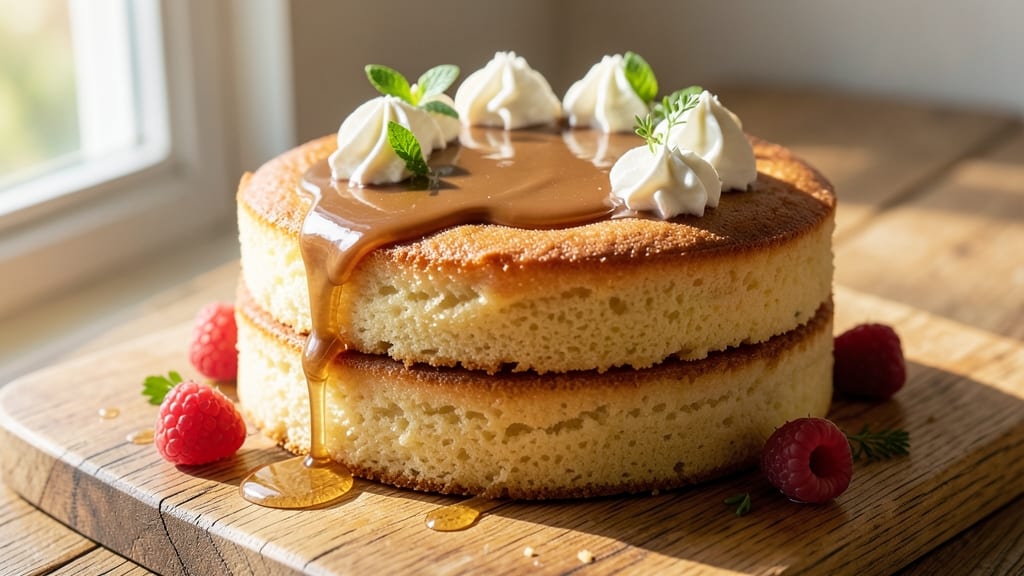
This soft egg cake recipe delivers silky moist layers with a delicate crumb and buttery crisp edges—perfect for those who love tender, melt-in-your-mouth desserts. The secret lies in precise egg incorporation and a touch of cream cheese for richness, creating a texture that’s both elegant and foolproof.
I’ve perfected this method over years of baking, ensuring every slice stays moist for days without drying out.
The beauty of this recipe is its versatility—you can bake it as a classic vanilla sponge, infuse it with citrus zest for brightness, or even layer it with jam for a rustic twist. Baking at 325°F ensures gentle heat that develops flavor without overcooking, while a simple syrup glaze adds extra moisture and shine.
It’s the kind of cake that feels special enough for celebrations but simple enough for a weeknight treat.
What sets this apart is the buttery crisp edges that form naturally from the right fat-to-flour ratio, paired with a tender crumb that dissolves on your tongue. Whether you’re serving it plain, filled with whipped cream, or topped with fresh berries, the result is consistently impressive.
The recipe scales easily too—ideal for birthdays, brunch, or even a quiet afternoon indulgence.
For those with dietary needs, a gluten-free flour blend works beautifully, and you can adjust sweetness to taste. The key is patience in mixing and baking—no shortcuts here, but the payoff is a cake that tastes like it came from a patisserie.
Let’s get started on creating layers of pure comfort.
Ingredients for soft egg cake
Eggs and butter lead this cake’s dreamy texture—light layers with crisp edges.
| Ingredient | Amount | Notes |
|---|---|---|
| Large Eggs 🥚 | 6 whole | Room temperature for even mixing |
| All-Purpose Flour 🌾 | 2 ½ cups | Sifted for light texture |
| Granulated Sugar 🍚 | 1 ½ cups | Superfine for smoother batter |
| Unsalted Butter 🧈 | 1 cup | Cold, cubed for crisp edges |
| Vegetable Oil 🫒 | ½ cup | Light for tender crumb |
| Plain Greek Yogurt 🍶 | ½ cup | Full-fat for moisture |
| Cream Cheese 🧀 | 4 oz | Room temperature, softened |
| Vanilla Extract 🌿 | 2 tsp | Pure extract for flavor |
| Baking Powder 🍃 | 2 tsp | Aluminum-free for stability |
| Salt 🧂 | ½ tsp | Fine sea salt preferred |
| Lemon Zest 🍋 | 1 tbsp | Fresh for brightness |
| Simple Syrup 🍯 | ½ cup | For glaze moisture |
The eggs are non-negotiable here—room temperature is key for blending smoothly. Grab the large eggs from the coldest part of your fridge 30 minutes before baking. For butter, Land O’Lakes unsalted or Plugrá work best—cold cubes create those coveted crisp edges. If you’re gluten-conscious, King Arthur gluten-free flour blend replaces regular flour 1:1. The Greek yogurt adds moisture without heaviness—Fage full-fat is my go-to, but any plain yogurt works. For the cream cheese, Philadelphia original is reliable, but don’t skip the room-temperature step—it mixes better.
No vanilla extract? Seeds from a vanilla bean steeped in warm water work too, but pure extract is easier. Short on butter? Vegetable oil at 1:1 ratio keeps things tender, though edges won’t be as crisp. The lemon zest can be swapped for orange zest**—just double the amount. For the simple syrup, equal parts sugar and water (1:1) simmered 3 minutes does the trick. If you’re baking ahead, make the syrup fresh the day of serving—it prevents sogginess. The baking powder is crucial—Clabber Girl is my pantry staple, but any brand works if it’s fresh (test it: mix 1 tsp with water—should bubble).
This cake stays moist for 3 days wrapped at room temp or 5 days in the fridge. For longer storage, slice and freeze portions between parchment—thaw at room temp. The simple syrup glaze keeps best if made fresh, but you can prep it a day ahead. I always bake mine in two 8-inch rounds for easy layering. Pro tip: Brush warm layers with syrup immediately after baking—it locks in moisture while the cake cools.
Why You'll Love This Recipe
- No Mixer Needed: I’ll be real—this recipe beats my old stand mixer struggles. You just whisk eggs, fold in dry ingredients, and pour. The butter and oil create that melt-in-your-mouth texture without a single pulse of effort.
- Sweet But Not Cloying: That sugar-butter combo? It’s like a warm hug for your taste buds—rich but never overpowering. The eggs keep it light, so it’s the kind of dessert that disappears fast (my kids call it "the good cake").
- Breakfast or Dessert: Honestly, I’ve served this for both. Top it with jam for a quick breakfast, or a sprinkle of cinnamon for an after-dinner treat. The flour keeps it sturdy enough to slice, so it’s my go-to for lazy mornings or unexpected guests.
- Pantry Staples Only: Between us, this is my budget-friendly secret. Eggs, flour, sugar—stuff I already have. No fancy ingredients, no last-minute grocery runs. And leftovers? They reheat like a dream in the microwave or oven.
Step-by-step instructions for silky moist egg cake
Here's how to create layers that stay tender and juicy for days—no dry crumbs in sight.
Whisk Eggs and Sugar Until Ribbon Stage
In a stand mixer fitted with the whisk attachment, combine the 6 whole Large Eggs and 1.5 cups Granulated Sugar. Beat on medium-high speed for 5-7 minutes until the mixture is pale, thick, and forms ribbons when the whisk is lifted. You'll see the mixture nearly triple in volume and become glossy—this lightens the texture and creates that signature silky quality.
I like to stop occasionally to scrape down the sides with a silicone spatula. This ensures even mixing and prevents any sugar from settling at the bottom. The eggs should be completely smooth with no streaks of white—this is your foundation for moist layers. Real talk: don't rush this step. Under-whipped eggs lead to dense cake, and over-whipped ones can turn rubbery.
Add Butter, Oil, and Yogurt Mixture
Reduce the mixer speed to low and add the 1 cup Unsalted Butter (cut into cubes), 0.5 cup Vegetable Oil, and a mixture of 0.5 cup Plain Greek Yogurt and 4 oz Cream Cheese (blended smooth). Mix for 2-3 minutes until the butter is completely melted and fully incorporated—you should see no visible butter pieces.
The yogurt and cream cheese add moisture while keeping the crumb tender. Here's the thing—if you add these too quickly, the mixture might curdle. That's why I blend the yogurt and cream cheese together first and add it slowly while mixing on low. You'll know it's right when the batter looks smooth and satiny, like thick pudding.
Fold in Dry Ingredients Gently
In a separate bowl, sift together the 2.5 cups All-Purpose Flour, 2 tsp Baking Powder, 0.5 tsp Salt, and 1 tbsp Lemon Zest. With the mixer on low speed, gradually add about ⅓ of the dry ingredients and mix until just combined. Then add the remaining dry ingredients in two more batches, mixing only until no flour streaks remain.
This folding technique prevents overmixing, which develops gluten and makes the cake tough. You're aiming for a smooth, slightly thick batter that falls slowly off the spatula when lifted. If it looks too stiff, add 1-2 tablespoons of milk (though our recipe doesn't include it, this is a common troubleshooting step). The batter should be like thick pancake batter—just thick enough to hold its shape when spooned.
Bake in Layers with Simple Syrup
Preheat your oven to 350°F and grease three 8-inch round cake pans (or line with parchment circles). Divide the batter evenly among the pans. Bake for 25-30 minutes until a toothpick inserted in the center comes out clean and the tops spring back when touched.
While the cakes bake, heat the 0.5 cup Simple Syrup in a small saucepan until warm (but not boiling). As soon as the cakes come out of the oven, poke holes all over with a skewer and brush the syrup generously over each layer. This keeps them moist for days—trust me, it makes all the difference. Let the layers cool in their pans for 10 minutes, then transfer to a wire rack to cool completely.
Assemble with Buttercream (Optional)
Once completely cool, level the tops if needed. For assembly, spread a thin layer of buttercream (made with the remaining 2 tbsp softened butter and 2 tbsp powdered sugar) on the first layer, then add the second. Repeat with the third layer. The simple syrup we added earlier makes these layers incredibly moist, so you won't need much filling.
For extra shine, brush the top and sides with the remaining simple syrup before serving. This cake stays moist for 4-5 days when stored properly—wrap tightly in plastic wrap and keep at room temperature. The buttercream stays firm enough to slice cleanly, and each bite delivers that perfect balance of tender crumb and buttery richness.
Pro Tips For Making Soft Egg Cake
- Whisk Eggs Until Ribbon Stage: Stop when the egg mixture holds a slow, thick ribbon between the whisk and bowl—no need to overbeat. I learned this the hard way: overmixing turns your cake dense and rubbery, and no one wants a sponge that fights back.
- Sift Flour Twice: First sift to break up lumps, then sift again after mixing with sugar. This ensures your batter is light and airy, not clumpy—because nothing ruins a soft cake like gummy texture from uneven flour distribution.
- Don’t Overfill the Pan: Fill your pan no more than ⅔ full—this cake rises, and overflowing means a messy, uneven top. I used to push it to the max, only to end up with a collapsed center that tasted underdone.
- Use Room-Temp Butter: Softened butter blends better into the batter, but don’t microwave it—just leave it out for 30-60 minutes. Butter that’s too cold creates pockets of unmixed fat, while melted butter can make the cake greasy. (Yes, even if you’re impatient like me.)
Serving suggestions for soft egg cake
Classic Presentation
Serve this silky egg cake with a dusting of powdered sugar and fresh berries—strawberries or raspberries add vibrant color and natural sweetness. I like to arrange slices on a white cake stand with a few edible flowers (like violets) for an elegant touch.
The contrast between the cake’s golden edges and the bright berries makes it look like it came from a patisserie. 💫
Creamy Fillings
For a restaurant-worthy presentation, fill your cake with vanilla bean buttercream or lemon curd. I make my buttercream by whipping ½ cup softened butter, 2 cups powdered sugar, and 2 tbsp heavy cream until fluffy, then adding 1 tsp vanilla extract.
Spread between layers and on top for a professional finish. For lemon curd, simmer ½ cup lemon juice, ½ cup sugar, 2 egg yolks, and ¼ cup butter until thickened—it adds a tangy brightness that pairs perfectly. ✨
Fruit Compotes
Warm berry compote elevates this cake to new heights. Simmer 1 cup mixed berries (fresh or frozen), 2 tbsp sugar, and 1 tsp lemon juice for 10 minutes until syrupy.
Spoon over slices before serving or drizzle alongside. For a seasonal twist, try peach compote in summer or cranberry-orange in winter. The acidity cuts through the richness, balancing every bite. 🍓
Whipped Cream Toppings
Lightly sweetened whipped cream is a foolproof option. Whip 1 cup heavy cream with 2 tbsp powdered sugar and ½ tsp vanilla until soft peaks form. Pipe rosettes on top or dollop beside slices.
For extra flair, toast slivered almonds and sprinkle over the cream. This keeps the cake’s natural flavors front and center while adding a creamy contrast. 🍦
Chocolate Drizzle
Melt ½ cup dark chocolate with 1 tbsp coconut oil for a glossy drizzle. Let it cool slightly, then drizzle over assembled slices in an artistic zigzag pattern. The bitterness of the chocolate complements the cake’s sweetness beautifully.
For a white chocolate version, use ½ cup white chocolate chips melted with 1 tsp almond extract—it adds a nutty depth. 🍫
Make-Ahead Serving
This cake serves beautifully at room temperature, making it perfect for parties. Wrap layers tightly in plastic wrap and store at room temperature for up to 3 days. Before serving, brush with simple syrup to refresh moisture.
For a cold dessert, chill for 1 hour before slicing—it’s especially refreshing in summer. Label your cake with a wooden cake stand and a handwritten note for a charming, personal touch. 📅
Nutrition facts
Frequently asked questions
Why does this egg cake stay moist longer than others?
The secret lies in the combination of Greek yogurt and cream cheese, which add moisture without heaviness, plus the simple syrup brushed on warm layers. The vegetable oil also keeps the crumb tender for days—no dry crumbs here!
Can I bake this cake in a different pan size?
Yes! For an 8-inch pan, bake 25-30 minutes. For a 9-inch pan, reduce to 20-25 minutes and check early—the batter spreads less with oil. Always use the toothpick test. For a single 10-inch pan, bake 30-35 minutes and cover loosely with foil if browning too fast.
What if my cake turns out dense instead of light? Overmixing the batter or under-whipped eggs are the most common culprits.
How can I make this gluten-free?
Replace the all-purpose flour with a 1:1 gluten-free flour blend (like King Arthur). For best results, add ½ tsp xanthan gum to help bind the crumb. Keep all other ingredients the same, but expect a slightly denser (but still moist) texture. Test your blend first—some require extra liquid.
Can I use this recipe for a single-layer cake?
Simply divide the batter into a single 9-inch or 10-inch pan (reduce baking time by 5-10 minutes). The same techniques apply—whisk eggs thoroughly and brush with syrup. For a single-layer sheet cake, spread in a 9x13-inch pan and bake 20-25 minutes. The texture stays just as tender!