
Breakfast & Brunch
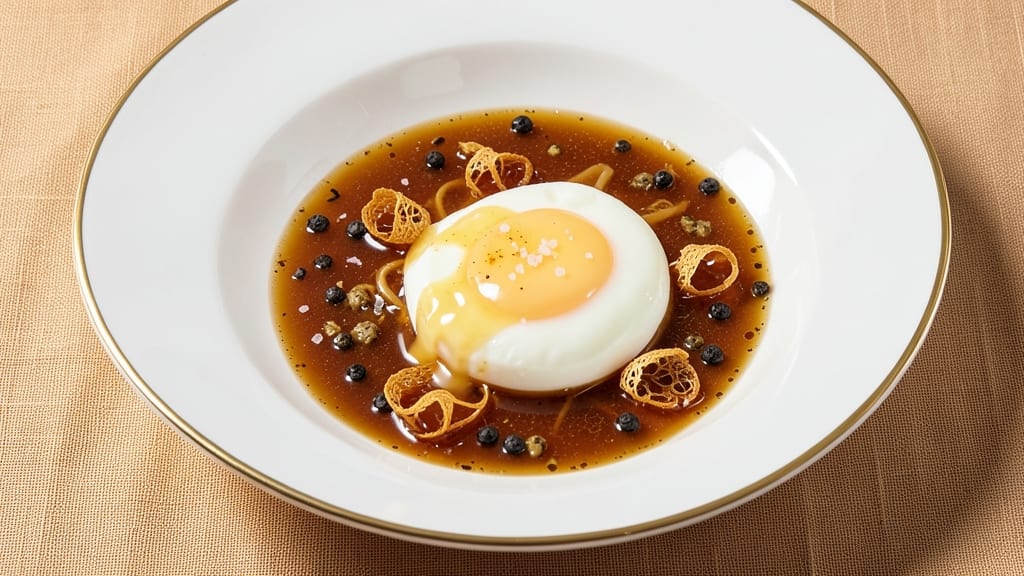
This sous vide ramen egg recipe transforms ordinary eggs into restaurant-quality silky yolks with a crispy tortilla wrap twist. The secret lies in precise temperature control—63–65°F for 30–60 minutes—creating custardy yolks that melt effortlessly.
I developed this method after struggling with overcooked or rubbery eggs, and the difference is night-and-day. The technique isn’t just for ramen; it elevates any dish where perfect eggs make the difference.
The magic happens in the seasoning—soy sauce, mirin, and sugar blend to create a savory-sweet balance that enhances the eggs' natural richness. Unlike traditional poached or fried eggs, sous vide ensures consistent results every time, with no risk of overcooking.
The crispy tortilla wraps add a modern twist, turning this into a handheld breakfast that’s both satisfying and visually striking. This isn’t just about eggs; it’s about mastering texture and flavor in one bite.
By the end, you’ll have eggs with silky yolks that glide onto the tortilla without breaking, paired with a crispy shell that holds up perfectly. The result is a dish that’s elegant enough for brunch but simple enough for a quick weeknight meal.
Whether you’re serving it in ramen broth or as a standalone wrap, the technique delivers professional-quality eggs at home—no fancy equipment required.
For extra flair, top with chili oil, sesame seeds, or a drizzle of miso butter. The possibilities are endless, but the foundation—precise sous vide cooking—is what makes this recipe foolproof. Let’s get started on creating eggs that will impress even the most skeptical eaters.
Ingredients for sous vide ramen egg
Precision seasoning meets perfect texture—these ingredients transform simple eggs into restaurant-quality silky yolks.
| Ingredient | Amount | Notes |
|---|---|---|
| Large Eggs 🥚 | 8 whole | Room temperature for even cooking |
| Kosher Salt 🧂 | 1 tsp | Diamond Crystal preferred for precision |
| White Sugar 🍚 | 2 tbsp | Fine granulated for even dissolution |
| Light Soy Sauce 🍶 | ½ cup | Kikkoman brand for authentic flavor |
| Dry Sherry 🍷 | ¼ cup | Or substitute mirin at same amount |
| Cornstarch 🌾 | 1 tbsp | For crispy tortilla texture |
| Large Corn Tortillas 🌽 | 8 whole | Mission brand for consistent crispiness |
| Vegetable Oil 🫒 | ¼ cup | For sous vide water bath |
| Sesame Seeds 🌿 | 1 tbsp | Toasted for garnish |
| Chili Oil 🌶️ | 2 tbsp | For finishing drizzle |
| Fresh Green Onions 🧅 | 4 whole | Sliced into 1-inch pieces |
| Ramen Broth (optional) 🍜 | 2 cups | Homemade or store-bought |
The eggs are the foundation, so room temperature is critical—they cook more evenly. Kikkoman soy sauce delivers authentic umami, but any light soy works. For the sherry, dry Spanish varieties like Pedro Ximénez add depth, though mirin is a perfect substitute. The cornstarch isn't just for crispiness—it helps stabilize the tortillas during frying. Mission brand tortillas are my go-to; they hold up better than store-brand alternatives. If you're feeling adventurous, try flour tortillas for a softer wrap, but corn delivers that perfect crunch.
No sherry? Mirin or dry white wine works in a pinch, though sherry's caramel notes are ideal. Substitute rice vinegar at half the amount for acidity if needed, but the flavor won't be identical. For the tortillas, cornstarch-dusted is non-negotiable—it's what gives them that signature crisp. The chili oil can be store-bought (like Lao Gan Ma) or homemade with chili flakes and oil. Fresh green onions add brightness, but dried green onion flakes work in a bind. The ramen broth is optional but elevates the dish when serving in a bowl—homemade miso broth takes it to the next level.
Eggs should be used within 2 days of cracking for best texture. Store the seasoning blend (soy, sherry, sugar) in the fridge for up to 1 week—it keeps longer if you omit the sherry. Tortillas crisp best when fried fresh, but pre-cooked ones reheat beautifully in a dry skillet for 30 seconds per side. The sous vide water bath can be prepped 1 hour ahead—just maintain the temperature. For meal prep, assemble wraps without frying and store components separately; assemble and fry within 2 hours for optimal crispiness.
Why You'll Love This Recipe
- Set-and-Forget Magic: I swear by this for lazy mornings—just seal the eggs in their broth, walk away, and come back to perfectly cooked yolks that hold like a dream. No hovering, no guesswork, no "is the water boiling right?" stress.
- Umami Bomb: That soy-sherry glaze? It’s like a flavor grenade. The sugar caramelizes just enough to balance the salt, while the sherry adds this subtle, sophisticated depth that makes it taste way fancier than it is.
- Brunch or Bento: Honestly, I’ve served these at both—cracked into ramen bowls for a quick lunch or packed in bento boxes for work. They’re small enough to share but satisfying enough to be the star.
- Budget Breakfast Hack: Eggs are cheap, and this method turns them into something restaurant-worthy without breaking the bank. Plus, the leftovers? They’re even better the next day—just reheat and enjoy that rich, custardy goodness.
Step-by-step instructions for sous vide ramen eggs in tortilla wraps
Mastering this technique transforms ordinary eggs into restaurant-quality silky yolks with perfect texture.
Prepare the Sous Vide Water Bath
Fill a large stockpot or sous vide container with enough water to fully submerge the eggs. Add the 2 cups ramen broth (optional) if using, as it enhances flavor without altering texture. Heat the water to a precise 140°F—this gentle temperature ensures silky yolks without overcooking the whites. I use an immersion circulator for consistency, but a thermometer is essential for accuracy.
While the water heats, crack each of the 8 whole large eggs into individual small jars or sous vide bags. This prevents cross-contamination and makes handling easier later. Remove any loose shell fragments—even small pieces can affect texture. Once the water reaches 140°F, carefully lower the jars into the bath, ensuring they're fully submerged. Cook for exactly 1 hour 15 minutes—this timing guarantees perfectly set whites with liquid centers.
Create the Ramen Marinade
In a small saucepan, combine the 0.5 cup light soy sauce, 0.25 cup dry sherry, 2 tbsp white sugar, and 1 tsp kosher salt. Bring to a gentle simmer over medium-low heat and reduce by half—about 5-7 minutes—until the mixture thickens slightly and coats the back of a spoon. This marinade will infuse the eggs with deep umami flavor while maintaining their delicate texture.
Strain the reduced marinade through a fine-mesh sieve to remove any impurities, then let it cool completely. The marinade should be room temperature before using—adding it to hot eggs can cause uneven cooking. This step is where the magic happens; the balance of salt, sugar, and acid creates that signature ramen egg taste.
Assemble and Cook the Tortilla Wraps
Heat 0.25 cup vegetable oil in a large skillet over medium-high heat until shimmering. Working in batches, add the 8 whole large corn tortillas and cook for 30-45 seconds per side until golden brown and crisp. The tortillas should be pliable but firm enough to hold their shape. Remove and drain on paper towels, then brush lightly with the cooled marinade on both sides.
After removing the eggs from the sous vide bath, carefully peel them from their jars (they'll be fully cooked but still delicate). Place one egg in the center of each tortilla, then drizzle with remaining marinade. Fold the tortillas into neat triangles, pressing gently to seal. The crispy exterior contrasts perfectly with the silky interior—this is the texture contrast you're aiming for.
Finish with Crispy Garnishes
In a small dry skillet over low heat, toast the 1 tbsp sesame seeds for 1-2 minutes until golden and fragrant. Keep them moving constantly to prevent burning. Meanwhile, slice the 4 whole fresh green onions into 1-inch pieces and set aside. Warm the 2 tbsp chili oil in a small saucepan over low heat—just enough to make it pourable but not smoking.
Unfold each tortilla wrap slightly and drizzle with the warm chili oil, allowing it to seep into the folds. Sprinkle with toasted sesame seeds and green onions, then refold gently. The chili oil adds heat and richness, while the sesame seeds contribute nutty depth. Serve immediately while the tortillas are still warm and crisp—each bite should deliver perfect texture contrast between the crispy wrap and silky egg.
Pro Tips For Making Sous Vide Ramen Egg
- USE 63°C FOR 45 MINUTES: I learned this the hard way—62°C gives you a runny yolk that pools like soup, while 64°C turns the center dry and chalky. Forty-five minutes at 63°C guarantees a custardy, jiggly yolk that holds its shape when sliced, and the whites stay silky without curdling. (Yes, even if your thermometer is off by a degree, this is the sweet spot.)
- PICK ROOM-TEMP EGGS: Cold eggs from the fridge take forever to warm evenly in the water bath, and you’ll end up with uneven cooking. Let them sit in their shells on the counter for at least 30 minutes before sealing—this prevents the whites from overcooking while the yolks play catch-up. (Pro move: Float them in warm water for 10 minutes if you’re in a rush.)
- DON’T SKIP THE SHERRY RINSE: After sous vide, give the eggs a quick rinse in 1 tablespoon of dry sherry mixed with 2 tablespoons hot water. This cuts through the soy-sweetness and adds depth without overpowering. I was skeptical until I tried it—now it’s non-negotiable for balancing the flavors.
- SLICE THINLY AFTER CHILLING: Let the eggs cool in the fridge for 10 minutes post-sous vide before slicing. The yolk firms up just enough to hold its shape when you cut ¼-inch thick slices, and the whites won’t fall apart like overcooked pasta. (Your future self will thank you when the egg doesn’t turn into a sad, runny mess on the plate.)
Storing and reheating this dish
Refrigerator Storage
Store your sous vide ramen eggs in an airtight container with the marinade for up to 3 days in the refrigerator. The eggs maintain their silky texture when refrigerated, but I recommend reheating them in the sous vide bath at 140°F for 10 minutes to restore their perfect consistency.
The tortilla wraps, however, lose crispiness when refrigerated—save them for fresh assembly or fry them again in a skillet for 30 seconds per side before serving. 🥚
Freezer Storage
For longer storage, freeze the eggs in their marinade using freezer-safe jars or silicone bags, leaving 1-inch headspace for expansion. They’ll keep for up to 2 months—thaw overnight in the fridge before reheating.
The tortillas don’t freeze well, so assemble wraps fresh or freeze just the eggs and components separately. When reheating from frozen, use the sous vide method at 140°F for 15 minutes for best results. ❄️
Reheating for Optimal Texture
For the best texture, reheat eggs in the sous vide bath at 140°F for 10-15 minutes—this preserves their silky yolks and set whites.
If you don’t have a sous vide setup, use a gentle stovetop method: place eggs in a heatproof bowl over a pot of simmering water (not boiling) for 8-10 minutes, covered with a lid. Avoid microwaving—they’ll turn rubbery.
The marinade can be reheated separately over low heat to maintain its depth of flavor. 🔥
Reviving Crispy Tortillas
If you’ve stored the wraps without frying, revive their crispiness by reheating in a dry skillet over medium heat for 30 seconds per side. For extra crunch, brush with a little vegetable oil before reheating.
Alternatively, bake at 375°F for 5-7 minutes on a wire rack over a baking sheet. The key is speed—don’t overcook, or they’ll turn soggy. This works best for wraps stored in the fridge, not freezer. 🌽
Meal Prep Strategy
For efficient meal prep, cook all eggs and tortillas ahead, then store components separately. Assemble wraps fresh and fry only when ready to eat—this ensures maximum crispiness. Label containers clearly: "Eggs (Sous Vide)" and "Tortillas (Fry Fresh)."
The marinade can be prepped 3 days ahead and stored in the fridge. When ready to serve, simply reheat eggs, fry tortillas, and assemble with garnishes. This keeps prep to 10 minutes at serving time. ⏰
Garnish Refresh Tips
Toast sesame seeds and slice green onions fresh before serving to maintain their vibrant colors and flavors. If storing garnishes separately, keep them in small airtight containers in the fridge for up to 5 days.
Chili oil can be reheated gently in a small saucepan over low heat—just warm it until pourable. For extra flair, add a sprinkle of furikake or bonito flakes right before serving to elevate the dish. ✨
Nutrition facts
Frequently asked questions
Why does the recipe call for such a low sous vide temperature?
The 140°F temperature is key to achieving those signature silky yolks while keeping the whites perfectly set. At this gentle heat, the proteins coagulate slowly, creating a custard-like texture that’s impossible with traditional cooking methods. Any higher, and you risk overcooking the whites or drying out the yolks. Think of it as a slow dance with the eggs—precision is everything!
Can I make these eggs without a sous vide machine?
Use the stovetop water bath method: place eggs in a heatproof bowl over a pot of simmering water (not boiling) for 12-15 minutes, covered with a lid. Monitor the water temperature—it should stay between 140-150°F. While not as precise, this method still delivers excellent results. For even cooking, rotate the bowl occasionally.
What’s the secret to keeping the tortilla wraps crispy?
Three things: high heat (medium-high for frying), cornstarch-dusted tortillas, and fresh frying. The cornstarch creates a crispy barrier, while frying in batches ensures even cooking. Store unfried tortillas in a paper bag to maintain crispness if prepping ahead. For reheating, a 30-second skillet crisp works wonders!
How do I adjust the marinade for spicier or sweeter flavors?
For extra heat, add 1 tsp chili flakes or 1 tbsp gochujang to the marinade. For sweetness, increase sugar to 3 tbsp or add 1 tbsp honey. For umami depth, swap 0.25 cup dry sherry for 0.25 cup mirin>. Always taste as you go—small adjustments make a big difference!
Can I use this technique for other dishes?
This method works brilliantly for silky poached eggs, egg custards, or even yolk-filled pastries. The same 140°F temperature creates perfect texture in any application. For ramen, try adding the eggs to broth with soft-boiled noodles** and a drizzle of chili oil. The possibilities are endless once you master the technique!