
Breakfast & Brunch
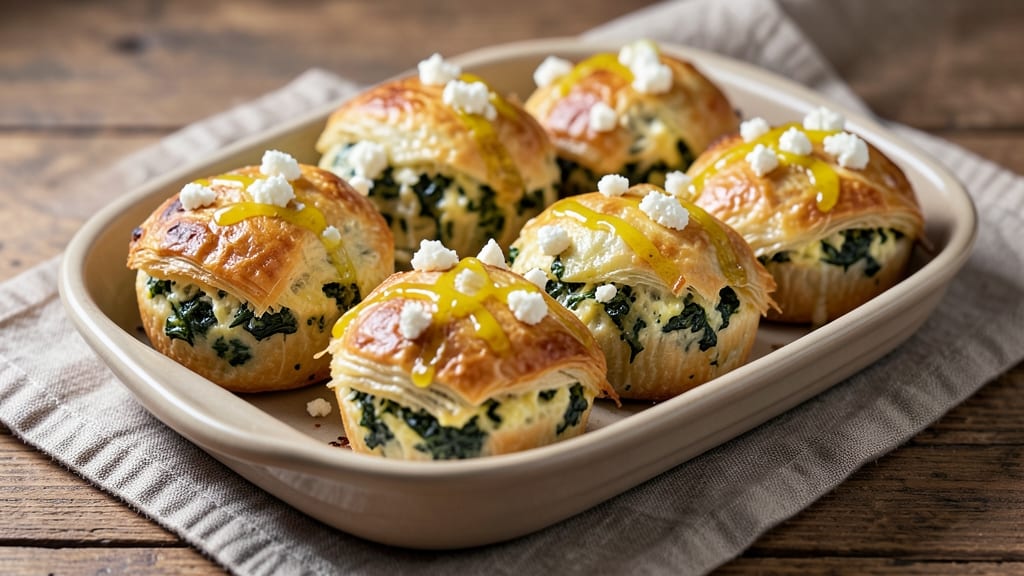
This spanakopita egg muffins recipe transforms a Greek classic into bite-sized, crispy breakfast bites that pack all the herby, cheesy goodness of traditional spanakopita—without the fuss of phyllo dough. The secret lies in layering spinach, feta, and eggs in a muffin tin, then baking until golden and crispy.
I developed this after craving spanakopita for breakfast but wanting something portable and customizable for busy mornings.
The magic happens with a crispy exterior that holds up perfectly, thanks to a simple technique of pressing cheese into the egg mixture before baking. While traditional spanakopita relies on delicate phyllo layers, these muffins use a clever binding method that mimics that signature flaky texture.
The result? A muffin that's tender inside, crispy at the edges, and bursting with Mediterranean flavors in every bite.
What makes these egg muffins special is their versatility—they reheat beautifully for grab-and-go breakfasts, freeze well for meal prep, and can be customized with extra herbs, lemon zest, or even a sprinkle of phyllo crumbs on top for that authentic touch.
The herby feta filling stays creamy and flavorful, while the crispy exterior adds a satisfying crunch that keeps everyone coming back for more.
Perfect for breakfast on the go, brunch gatherings, or even as a savory snack, these muffins deliver restaurant-quality flavor with minimal effort. Pair them with a dollop of tzatziki or a side of fresh tomato slices for the full Greek-inspired experience. Let's get baking!
Ingredients for spanakopita egg muffins
Twelve ingredients transform traditional spanakopita into crispy, portable egg muffins bursting with Mediterranean flavors.
| Ingredient | Amount | Notes |
|---|---|---|
| Large Eggs 🥚 | 6 whole | Room temperature for even baking |
| Fresh Baby Spinach 🌿 | 4 cups | Chopped finely, stems removed |
| Crumbled Feta Cheese 🧀 | 1 ½ cups | High-quality, salty variety |
| All-Purpose Flour 🌾 | ½ cup | For crispy binding texture |
| Extra-Virgin Olive Oil 🫒 | ¼ cup | Light fruity variety preferred |
| Fresh Lemon Juice 🍋 | 1 tbsp | Brightens the spinach flavor |
| Fresh Dill 🌿 | ¼ cup | Chopped finely, stems removed |
| Fresh Parsley 🌿 | ¼ cup | Chopped finely, for freshness |
| Salt 🧂 | ½ tsp | Diamond Crystal preferred |
| Black Pepper 🌶️ | ¼ tsp | Freshly ground for warmth |
| Nutritional Yeast 🍃 | 2 tbsp | For umami depth and cheesy flavor |
| Phyllo Dough Sheets 🍞 | 4 sheets | Thawed, for crispy topping |
The fresh spinach is non-negotiable—baby spinach leaves from the grocery store's produce section work best, but organic makes a noticeable difference in flavor. For the feta, I recommend Kalamata or domestic varieties from the deli counter; the saltier, the better since we're balancing flavors with lemon and herbs. Whole Foods or Trader Joe's carry excellent options, but even the standard supermarket brands deliver solid results. The eggs should be large and room temperature—cold eggs create uneven baking. Greek or Italian eggs from specialty markets add a richer flavor profile, though standard grocery eggs work perfectly fine.
No fresh dill? Dried dill at one-third the amount works in a pinch, but the flavor won't be as vibrant. Substitute parsley for dill if needed, though the Mediterranean profile suffers slightly. Out of phyllo dough? Crush 1/4 cup of panko mixed with 1 tbsp melted olive oil for a crispy topping—it won't be authentic, but it adds texture. For the nutritional yeast, Bob's Red Mill brand is widely available and delivers the best umami punch. Diamond Crystal kosher salt is my go-to for consistent seasoning, though any fine sea salt works. Lemon juice can be substituted with white wine vinegar if absolutely necessary, though the flavor will be slightly sharper.
These muffins reheat beautifully—30 seconds in the microwave or 5 minutes at 350°F restores that crispy exterior. Store them in an airtight container for up to 4 days in the fridge, or freeze for 3 months by wrapping each muffin individually in parchment paper. Portioning tip: Use mini muffin tins for single-serving portions perfect for meal prep. The crispy exterior is best enjoyed fresh, but the herby filling stays flavorful even after reheating.
Why You'll Love This Recipe
- No-Fuss Assembly: I swear by this recipe—just whisk eggs, fold in chopped spinach and feta, pour into a muffin tin, and bake. The flour gives it that flaky spanakopita texture without any rolling or layering fuss.
- Feta Magic: That salty, tangy feta crumble melts into the eggs just right, while the spinach stays bright and fresh. Honestly, the first bite tastes like a Mediterranean vacation in your mouth.
- Meal Prep MVP: Make a batch on Sunday, and you’ve got grab-and-go breakfasts or snacks all week. They reheat beautifully—microwave or oven, no difference—and keep well sealed for days.
- Budget Breakfast Boost: Eggs, spinach, and feta stretch into a dozen muffins for pennies. Between us, this is how I feed my family without breaking the bank—plus, it’s way better than takeout.
Step-by-step instructions for spanakopita egg muffins
Master the art of crispy phyllo layers and herby feta bites with this precise method.
Prepare the Spinach-Feta Filling
In a large skillet over medium heat, add the 4 cups fresh baby spinach and sauté for 3-4 minutes until just wilted and vibrant green. The spinach should collapse but retain its bright color—don't overcook or it'll turn bitter. Transfer to a colander and press firmly to remove excess liquid, then return to the skillet.
Add the 0.25 cup extra-virgin olive oil, 1 tbsp fresh lemon juice, 0.25 cup fresh dill, 0.25 cup fresh parsley, 2 tbsp nutritional yeast, 0.5 tsp salt, and 0.25 tsp black pepper. Cook for another 2 minutes until fragrant. Remove from heat and stir in the 1.5 cups crumbled feta cheese—it should melt slightly but remain crumbly for texture. Let cool completely before mixing with eggs.
Mix the Egg Batter
In a large mixing bowl, whisk together the 6 whole large eggs until the yolks and whites are fully combined. Gradually whisk in the 0.5 cup all-purpose flour until smooth, then fold in the cooled spinach-feta mixture using a silicone spatula. The batter should be thick but pourable—if it's too thin, add 1-2 tablespoons more flour; if too thick, whisk in 1 tablespoon water. This ensures your muffins will hold their shape while staying tender.
Here's the thing—room temperature eggs incorporate air more easily, creating lighter muffins. If your eggs are cold, let them sit at room temperature for 30 minutes before mixing. The batter should coat the back of a spoon but still flow freely when poured.
Assemble the Phyllo Layers
Preheat your oven to 375°F and grease a 12-cup muffin tin thoroughly with olive oil. Working quickly (phyllo dries out fast), brush one sheet of the 4 phyllo dough sheets lightly with olive oil and press it into the bottom of each muffin cup, allowing it to conform to the shape. Trim any excess dough hanging over the edges with kitchen scissors.
Brush each phyllo layer with another light coat of olive oil—this creates the crispy barrier between the filling and the phyllo. The oil should glisten but not pool. Place the muffin tin on a baking sheet lined with parchment paper to catch any drips during baking.
Bake the Muffins to Golden Perfection
Divide the egg batter evenly among the muffin cups, filling each about ¾ full. Bake for 18-20 minutes until the tops are golden brown and the centers have just set. You'll know they're done when a toothpick inserted comes out clean with no wet batter clinging to it. Overbaking dries out the muffins, so watch closely after 15 minutes.
For extra crispiness, broil for 1-2 minutes at the end, watching carefully to prevent burning. The phyllo should turn a rich golden color, almost like a delicate pastry shell. Let the muffins cool in the pan for 5 minutes before transferring to a wire rack—they'll firm up as they cool but remain tender inside.
Serve Warm with Fresh Herbs
Garnish each muffin with an additional sprinkle of fresh parsley and a pinch of black pepper for color and freshness. Serve immediately while still warm—the contrast of crispy phyllo and creamy egg filling is best enjoyed right out of the oven. These muffins keep well at room temperature for 2 hours or can be refrigerated for up to 3 days, reheated briefly in a toaster oven for 30 seconds to restore crispiness.
Each bite should deliver that perfect balance: a shatteringly crisp phyllo shell, a rich egg custard infused with herby spinach, and bursts of salty feta. The nutritional yeast adds that umami depth that makes these taste like a restaurant-quality spanakopita in muffin form.
Pro Tips For Making Spanakopita Egg Muffins
- Squeeze Out Spinach Water: Baby spinach holds more water than you’d think—after chopping, wrap it in a clean kitchen towel and press firmly for 30 seconds. I learned this the hard way when my muffins turned soggy; drained spinach makes all the difference.
- Preheat Muffin Tin Hot: Cast iron or metal muffin tins need a head start—place them in a 375°F (190°C) oven for 5 minutes before adding batter. This ensures a crisp bottom instead of a gummy mess, especially when baking these dense egg muffins.
- Use Room-Temp Eggs: Cold eggs from the fridge mix unevenly and can cause uneven baking. Let them sit in warm water for 5 minutes before cracking—your muffins will rise more evenly and hold together better.
- Add Feta Last: Feta releases moisture when cooked, so fold it into the batter right before pouring into the tin. This keeps the filling gooey and concentrated instead of spread thin or watery. (Yes, even if you’re impatient like me.)
Troubleshooting this dish
Phyllo Not Crispy
If your phyllo layers turn out soggy instead of crispy, it’s likely due to insufficient oil or moisture. Brush each sheet with extra-virgin olive oil generously—don’t skimp! I recommend using 2-3 tbsp total for all four sheets.
Also, ensure your phyllo is thawed (never frozen) and layered immediately after brushing with oil. If you’re short on time, try pressing a second thin layer of phyllo on top after baking for 2-3 minutes to crisp up. 🔥
Egg Muffins Too Dense
Dense muffins usually mean the batter was too thick or overmixed. Whisk the eggs just until combined—no more than 30 seconds—to avoid incorporating excess air. For the 0.5 cup flour, measure accurately and sift if possible.
If the batter seems too thick, add 1 tbsp water at a time until it’s pourable but still holds shape. I’ve found that room-temperature eggs make a noticeable difference in texture—cold eggs can lead to dense results.
Feta Separating
Feta cheese can melt into the egg mixture if not handled properly. After cooking the spinach-feta filling, let it cool completely before mixing with eggs—this prevents the feta from dissolving. For extra insurance, chill the filling for 10 minutes in the fridge before folding into the batter.
If you notice separation after baking, the muffins are still safe to eat, but the texture will be less creamy. Using high-quality, crumbled feta (not pre-shredded) also helps maintain texture.
Uneven Baking
Uneven baking often happens when the oven isn’t preheated long enough or the muffins aren’t placed on the middle rack. Preheat your oven for 15 minutes before baking, and use the middle rack for even heat distribution.
If your oven runs hot, reduce the temperature to 350°F and bake for 22-25 minutes. Rotate the muffin tin halfway through baking to ensure all muffins cook evenly.
A toothpick test is your best friend—insert it into the center of a muffin; it should come out clean with no wet batter.
Batter Too Runny
A runny batter can lead to collapsed muffins or overflow. If your batter is too thin, stir in 1-2 tbsp more flour until it reaches a pourable but thick consistency—it should coat the back of a spoon but still flow freely.
Avoid overcorrecting, though; too much flour can make the muffins dry. If you’ve already mixed the batter and it’s too runny, add 1 tbsp cornstarch to thicken it slightly. For extra stability, press the phyllo layer firmly into the muffin tin before adding the batter.
Phyllo Sticking to Tin
Phyllo sticks when the muffin tin isn’t greased properly. Use olive oil (not butter) to coat the tin thoroughly—don’t forget the edges! For extra insurance, line the tin with parchment paper cut to fit the bottom.
If phyllo still sticks, brush it with a tiny bit of melted butter before pressing it into the tin. I also recommend using a non-stick muffin tin if you have one—it makes a huge difference in release. 💡
Nutrition facts
Frequently asked questions
Can I make these without phyllo dough?
If you don't have phyllo, try these alternatives: Press 1/4 cup panko breadcrumbs mixed with 1 tbsp olive oil into each muffin cup for a crispy texture, or use 1/2 cup crushed potato chips (like potato or tortilla chips) for a savory crunch. The flavor won't be identical, but the texture will still be satisfying.
How do I store and reheat these egg muffins?
Store in an airtight container in the fridge for up to 4 days or freeze for 3 months. To reheat, microwave for 20-30 seconds or bake at 350°F for 5 minutes. For best results, use a toaster oven to restore that crispy exterior. The filling stays flavorful even after reheating!
Can I add other vegetables to these?
Yes! Try adding 1/2 cup finely chopped zucchini (sautéed first to remove moisture) or 1/4 cup diced bell peppers for extra veggies. For a Mediterranean twist, add 1/4 cup chopped kalamata olives or 1 tbsp capers. Just be mindful of moisture levels—overloading with wet ingredients can make the muffins dense.
Why did my egg muffins turn out rubbery?
Rubbery texture usually means the eggs were overmixed or the batter was too thick. Whisk eggs just until combined (30 seconds max) and ensure the batter is pourable but thick. Also, check your oven temperature—if it's too hot, the outsides crisp while insides remain undercooked. Try baking at 350°F for 22-25 minutes next time.
Are these egg muffins gluten-free?
Not as written, but you can easily adapt them! Replace the all-purpose flour with 1/2 cup gluten-free flour blend (like Bob's Red Mill 1:1) and use gluten-free phyllo dough if available. The texture will be slightly different, but the flavors remain delicious. Always check labels for cross-contamination warnings.