
Breakfast & Brunch
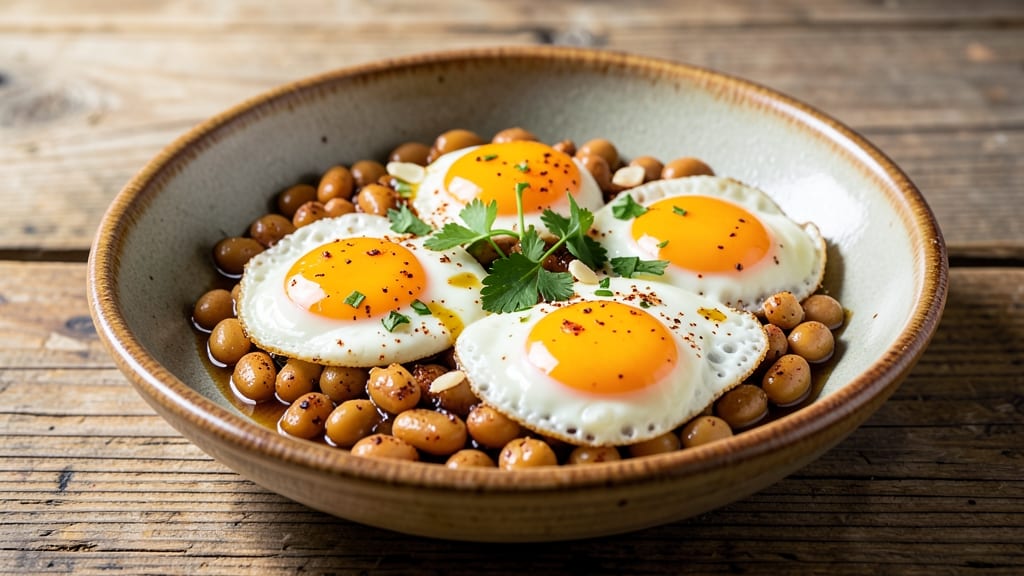
This Spanish eggs and beans recipe brings the hearty flavors of huevos rotos con fabes to your morning table, where smoky paprika and garlic transform simple ingredients into a dish that feels like a hug.
The secret lies in slow-cooked white beans simmered with garlic, paprika, and a splash of sherry, creating a rich base that perfectly complements tender fried eggs.
I first tasted this dish in a tiny tapas bar in Madrid, where the beans were so flavorful they stole the show from the eggs—an unexpected but brilliant balance.
The beauty of this recipe is its simplicity: just a handful of ingredients that work together to create something deeply satisfying. You'll start by building a fragrant base of garlic and paprika, then let the beans simmer until they're creamy and infused with those smoky, earthy notes.
The eggs come in at the end, fried to perfection so the yolks stay runny and rich, cutting through the hearty bean mixture. It's the kind of dish that tastes even better the next day, making it ideal for meal prep or a cozy weekend breakfast.
What makes this recipe special is how it captures the soul of Spanish home cooking—comforting, unpretentious, and packed with flavor. The beans absorb the garlic and paprika until they're fragrant and tender, while the eggs add a luxurious finish.
Serve it with crusty bread to soak up every last drop of that smoky, garlicky goodness, and you'll understand why this dish is a staple in Spanish kitchens. The result is a meal that's hearty enough for brunch but simple enough for a quick weeknight dinner.
This dish also works beautifully as a side for grilled meats or fish, turning a simple meal into something memorable. The flavors develop as it sits, so letting it rest for a few minutes before serving ensures every bite is packed with that deep, smoky aroma.
Whether you're making it for a family gathering or a solo breakfast, this Spanish eggs and beans recipe delivers the kind of satisfaction that keeps you coming back for more.
Ingredients for spanish eggs and beans
Simple ingredients that transform into a Spanish classic with smoky depth and creamy texture.
| Ingredient | Amount | Notes |
|---|---|---|
| Great Northern Beans 🌾 | 2 cups | Dried, soaked overnight |
| Garlic Cloves 🧄 | 6 cloves | Peeled, roughly chopped |
| Smoked Paprika 🌶️ | 2 tsp | For deep smoky flavor |
| Sherry Wine 🍷 | ¼ cup | Dry, preferably Spanish |
| Extra-Virgin Olive Oil 🫒 | ½ cup | For frying eggs |
| Large Eggs 🥚 | 4 whole | Fresh, room temperature |
| Yellow Onion 🧅 | 1 whole | Diced, medium size |
| Bay Leaves 🌿 | 2 whole | Fresh or dried |
| Salt 🧂 | 1 ½ tsp | Kosher or sea salt |
| Black Pepper 🌶️ | ½ tsp | Freshly ground |
| Crusty Bread 🍞 | 4 slices | For serving |
| Tomato Paste 🍅 | 1 tbsp | For depth of flavor |
The beans are the heart of this dish, so don't skimp on quality. Great Northern beans hold their shape beautifully, but cannellini or navy beans work too. Soak them overnight for the best texture—Trader Joe's sells them pre-soaked if you're in a hurry. The smoked paprika is non-negotiable; Penzeys or the bulk section at Whole Foods carry excellent varieties. For sherry, grab a Spanish dry sherry like Tio Pepe—it's worth the investment for that authentic flavor. The olive oil should be fruity and peppery; avoid the cheap stuff that tastes like soap.
No smoked paprika? Regular paprika plus a pinch of liquid smoke gets you close, though it's not quite the same. Running out of sherry? Dry white wine or even extra broth works in a pinch. Fresh bay leaves add subtle depth, but dried bay leaves at half the amount are fine if that's what you have. The tomato paste can be skipped entirely if you prefer, but it adds that rich, umami base that makes the beans sing. For the eggs, room temperature eggs fry more evenly—just take them out of the fridge 20 minutes before cooking. If you're prepping ahead, cook the beans a day in advance—they taste even better after resting.
The beans keep well in the fridge for 4-5 days if stored in their cooking liquid. For longer storage, freeze them in portions—3 months is the max, but they reheat beautifully. The bread should be crusty but not stale; baguettes from the bakery section are ideal. If you make extra, the beans reheat wonderfully—just add a splash of water or broth to loosen them up. The eggs are best fried fresh, but you can prep the beans ahead and fry the eggs right before serving. This dish tastes even better the next day as the flavors meld together.
Why You'll Love This Recipe
- One-Pot Magic: I swear by this recipe when I’m too tired to wash dishes. Just toss the beans, garlic, and sherry into one pot, let it simmer, then crack those eggs right in—no extra pans, no fuss. The smoked paprika does all the work while you sip your coffee.
- Sherry Wine Secret: That splash of sherry wine isn’t just fancy—it cuts through the richness of the olive oil and beans, adding a bright, almost nutty depth. Honestly, it’s the reason this dish tastes like a restaurant meal, not a weeknight shortcut.
- Meal Prep MVP: Between us, this keeps perfectly for days. The beans stay tender, the eggs reheat like a dream, and I’ve packed it for lunches, tossed it into salads, or served it cold with crusty bread—no one ever complains.
- Budget-Friendly Feast: Great Northern beans are cheap, and a little olive oil goes a long way. I’ve fed four people for under $10, and the leftovers? Even better the next day. It’s my go-to when I need to stretch a grocery budget without sacrificing flavor.
Step-by-step instructions for Spanish eggs and beans with smoky paprika
This method delivers rich, flavorful beans with perfectly fried eggs—authentic Spanish comfort in minutes.
Cook the Great Northern Beans Until Tender
Drain the soaked great northern beans and rinse thoroughly. In a large pot, combine the beans with the 1 whole yellow onion (diced), 2 whole bay leaves, 1.5 tsp salt, and 0.5 tsp black pepper. Add enough water to cover by 2 inches—about 8 cups total. Bring to a boil over medium-high heat, then reduce to a simmer.
Cook uncovered for 1.5 to 2 hours until the beans are fork-tender but not mushy. Stir occasionally to prevent sticking. The beans are ready when they collapse easily under gentle pressure. Drain, reserving 1 cup of the cooking liquid for later use.
Build the Smoky Bean Base
In a large skillet, heat the 0.5 cup extra-virgin olive oil over medium heat. Add the 6 cloves garlic cloves (roughly chopped) and sauté for 1 minute until fragrant but not browned. Stir in the 2 tsp smoked paprika and cook for 30 seconds until aromatic.
Add the cooked beans to the skillet, along with the 1 tbsp tomato paste. Stir to combine, then pour in the 0.25 cup sherry wine. Simmer for 5 minutes until the liquid reduces slightly and the flavors meld. Taste and adjust seasoning with additional salt if needed.
Fry the Eggs to Perfection
While the beans simmer, heat a separate skillet over medium-low heat with 1 tablespoon of olive oil. Crack the 4 whole large eggs into the pan, spacing them evenly. Cook undisturbed for 2 to 3 minutes until the whites set but yolks remain runny. Flip gently and cook another 1 to 2 minutes for a creamy finish.
Remove the eggs from the skillet and set aside. To the same skillet, add 2 tablespoons of reserved bean cooking liquid and scrape up any browned bits. Pour this flavorful liquid over the eggs before serving.
Assemble and Serve
Divide the smoky bean mixture among 4 plates, spooning ½ cup per serving. Top each portion with 1 fried egg and serve immediately with the 4 slices crusty bread. The contrast of crispy bread, creamy eggs, and rich beans creates a satisfying Spanish breakfast or brunch.
For best results, serve while the eggs are warm and the beans retain their smoky aroma. The smoky paprika and garlic infusion elevates simple ingredients into a restaurant-worthy dish.
Pro Tips For Making Spanish Eggs And Beans
- SOAK BEANS OVERNIGHT: I learned this the hard way—rushing the soak with Great Northerns leads to tough, mealy beans. Use 4 cups of water per cup of beans, soak for 12+ hours (or at least 8 with a pinch of baking soda to soften them faster). Drain and rinse well—those soaking waters are bitter.
- FRY GARLIC LOW: Smoked paprika and sherry wine are bold enough to handle garlic that’s just golden, not browned. Cook the minced garlic in olive oil over medium-low heat—no need to rush. If it starts sizzling too hard, pull the pan back a second. Crispy garlic tastes great, but here it’ll overpower the dish.
- DEGLAZE WITH WINE: After the garlic cooks, pour in that sherry wine immediately—don’t wait for the pan to cool. Let it bubble for 30 seconds to lift all the browned bits (yes, even the small ones). If you skip this, you’re missing half the flavor, and the sauce will taste thin and one-dimensional.
- SALT BEANS LAST: Great Northerns absorb salt like sponges, and adding it too early makes them turn out bland. Season the beans with salt only in the final 10 minutes of cooking—this keeps them tender and lets the flavor develop properly. Trust me, your taste buds will notice the difference.
Wine and beer pairings for this dish
Spanish Red Wine Pairings
This dish pairs beautifully with a Spanish Rioja—specifically a Tempranillo-based red like Muga Reserva or La Rioja Alta Viña Alberdi. The wine’s earthy, smoky notes mirror the paprika in the beans while its acidity cuts through the richness of the fried eggs.
I always reach for a medium-bodied Rioja with 12-14% alcohol to complement the dish without overpowering it. 🍷
Dry Sherry Enhancement
Since sherry is already a key ingredient in the recipe, why not continue the theme with a dry Fino sherry as a sipping companion? Brands like Tio Pepe or González Byass offer crisp, nutty flavors that harmonize perfectly with the smoky garlic and paprika.
Serve it chilled in small glasses alongside the dish for an authentic Spanish touch.
Crisp White Wine Options
If you prefer white wine, a Spanish Albariño from Rías Baixas—like Pazo de Señorans—works wonderfully. Its bright acidity and citrus notes balance the dish’s richness, while its mineral finish cleanses the palate between bites. For a budget-friendly option, try a Verdejo from Rueda. 💛
Beer Pairings: Spanish Lager
For beer lovers, a Spanish lager like Estrella Galicia or Alhambra Reserva 1925 is ideal. Their crisp, slightly malty profiles contrast nicely with the smoky beans and creamy eggs. Avoid heavy stouts or IPAs—they’ll clash with the dish’s delicate balance of flavors.
Non-Alcoholic Pairings
Skip alcohol? No problem! A sparkling Spanish sangria made with San Pellegrino Aranciata (blood orange soda) and a splash of granadine syrup adds a refreshing citrus note. For something simpler, serve iced hibiscus tea—its tartness complements the dish’s smoky depth beautifully.
Nutrition facts
Frequently asked questions
Can I use canned beans instead of dried for this recipe?
Yes, but with adjustments! Use 2 (15 oz) cans of Great Northern beans, drained and rinsed. Since canned beans are pre-cooked, skip the initial simmering step and go straight to building the smoky garlic base. For extra flavor, add ½ cup of the liquid from the can when sautéing the garlic—it'll deepen the bean taste.
What's the best way to make this dish vegetarian?
This recipe is already vegetarian, but you can enhance it further! For extra protein, stir in ½ cup of crumbled feta or ¼ cup of toasted pine nuts at the end. Swap the eggs for poached chickpeas (cooked in broth until tender) or avocado slices for a plant-based twist that still delivers that creamy texture.
How can I make this dish ahead of time?
Perfect for meal prep! Cook the beans completely and store them in their liquid in the fridge for 4-5 days or freeze for 3 months. Reheat gently with a splash of water or broth. Fry the eggs fresh when serving—they're best hot, but you can prep the beans ahead and keep them warm in a low oven (200°F) until ready to plate.
Why do my beans taste bland compared to what I've had in Spain?
Authentic Spanish flavor comes from slow cooking and proper seasoning! The key is simmering the beans uncovered for at least 1.5 hours to let flavors concentrate. Don't skip the tomato paste or bay leaves
Can I substitute the sherry with something else?
If you don't have sherry, use ¼ cup dry white wine or even ¼ cup extra broth. For a non-alcoholic version, try ¼ cup apple cider vinegar (it adds tang) or ¼ cup vegetable broth. The sherry's job is to deglaze the pan and add brightness—any acidic liquid will work in a pinch.