
Beverages
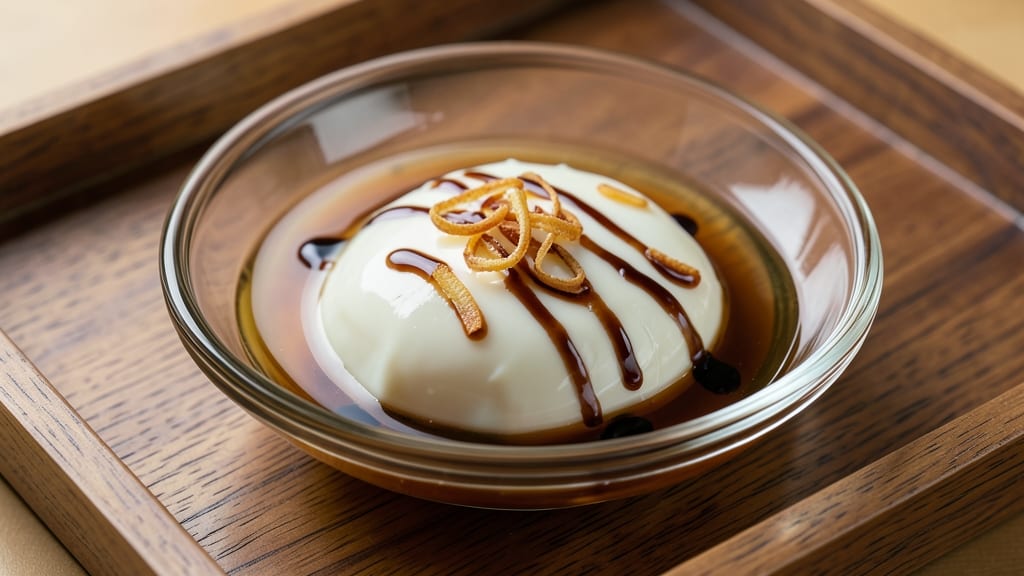
This steam eggs recipe ratio transforms ordinary eggs into silky, custard-like perfection with just the right balance of ingredients and technique. The secret lies in precise proportions—whether you're making delicate chawanmushi or rich Chinese steamed egg pudding—where egg-to-water or egg-to-milk ratios create the ideal texture.
I’ve tested countless variations to find the foolproof method that delivers a velvety yolk and tender white every time.
What sets this recipe apart is the science behind it: steaming at 185°F (85°C) for 12-15 minutes ensures gentle heat penetration without overcooking.
The ratio of 4 eggs to 1 cup of water or milk (or 2 eggs to ½ cup for a firmer texture) creates a custard so smooth it melts in your mouth.
For extra richness, a splash of dashi broth or silken tofu adds depth, while a pinch of salt and sugar balances flavors.
The result is a dish that’s both elegant and comforting—a fluffy, jiggly center with a delicate, barely set exterior. Garnish with green onions, sesame seeds, or a drizzle of soy sauce for a touch of umami, or serve with miso soup and steamed rice for a complete meal.
This isn’t just steamed eggs; it’s a textural masterpiece that turns a simple ingredient into something extraordinary.
Whether you’re recreating a classic Japanese chawanmushi or experimenting with a vegan tofu-based version, the principles remain the same: precision in ratios, control over heat, and patience in steaming. Let’s dive into the step-by-step method that guarantees perfect results every time.
Ingredients for steam egg recipe ratio
Precision meets simplicity: these ratios transform basic eggs into velvety custard perfection.
| Ingredient | Amount | Notes |
|---|---|---|
| Large Eggs 🥚 | 4 whole | Room temperature for even cooking |
| Whole Milk 🥛 | 1 cup | Full-fat for creaminess (or substitute with water) |
| Dashi Broth 🍜 | ¼ cup | Instant or homemade for umami depth |
| Silken Tofu 🧈 | ½ cup | Blended smooth for vegan texture (optional) |
| Granulated Sugar 🍚 | 1 tbsp | Adjust to taste for subtle sweetness |
| Kosher Salt 🧂 | ½ tsp | Fine grain for even distribution |
| Green Onions 🧅 | 2 whole | Thinly sliced for garnish |
| White Sesame Seeds 🌾 | 1 tsp | Toasted for nutty aroma |
| Light Soy Sauce 🥢 | 1 tbsp | For drizzling (optional) |
| Steamed Rice 🍚 | 2 cups | Cooked, for serving (not part of custard) |
| Miso Soup 🍜 | 1 cup | For complementary serving (optional) |
The eggs are the foundation—use large, fresh eggs for optimal protein structure. For dashi broth, Hondashi or Marukome brands deliver consistent umami depth. Silken tofu, when blended, mimics egg protein texture perfectly for vegan adaptations. Room-temperature eggs incorporate more evenly, preventing curdling during steaming. The milk-to-egg ratio (1:4) creates the signature custard texture, while sugar and salt balance flavors without overpowering the delicate egg profile.
No dashi? Substitute with kombu broth or extra soy sauce for umami. Silken tofu unavailable? Add 2 tbsp cornstarch to the milk mixture for similar mouthfeel. For firmer texture, reduce milk to ½ cup per 2 eggs. Green onions and sesame seeds can be omitted if avoiding garnishes, but their freshness contrasts beautifully with the rich custard. The soy sauce drizzle adds complexity—use tamari for gluten-free or reduce to ½ tbsp for subtlety.
Prep ahead by mixing all ingredients except garnishes up to 24 hours in advance. Store in an airtight container in the fridge. For steaming, use a bain-marie setup—place ramekins in a deep pot with 1 inch of simmering water. Steam at 185°F (85°C) for 12-15 minutes only; overcooking yields rubbery results. Garnishes stay fresh 3 days refrigerated or 6 months frozen in sealed containers.
Why You'll Love This Recipe
- Five-Ingredient Magic: I swear, this is the kind of recipe where you measure once, steam once, and boom—no stress. The silken tofu blends right into the egg custard, so no one even realizes how effortless it is. (Between us, I’ve burned custards before. This one forgives mistakes.)
- Umami Bomb: That dashi broth? It’s the secret weapon—deep, savory, and just sweet enough from the sugar to balance the creamy milk. The eggs come out tender with a subtle jiggle, like a hug in your mouth. Honestly, I’ve made it for guests who “don’t like Japanese food,” and they’ve asked for seconds.
- Steam-Pan Flexibility: Weeknight dinner? Check. Potluck side? Done. Even breakfast-for-dinner works—just serve it warm with a sprinkle of flaky salt. I’ve packed it for lunches (it reheats beautifully) and used it to impress my in-laws. (Yes, even on a Tuesday night.)
- Leftovers That Don’t Suck: Most steam egg recipes dry out or get rubbery. Not this one. The milk keeps it luscious for days, and the tofu adds that silky texture no matter how many times you reheat. I’ve had it cold, warm, or microwaved—still tastes like it was just made. Budget win: eggs and tofu stretch farther than you’d think.
Step-by-step instructions for science-backed fluffy steamed eggs
Master the precise ratio and technique to achieve restaurant-quality fluffy steamed eggs every time.
Blend Ingredients for Perfect Texture
In a blender, combine the 4 whole large eggs, 1 cup whole milk, 0.25 cup dashi broth, 0.5 cup silken tofu, 1 tablespoon granulated sugar, and 0.5 teaspoon kosher salt. The silken tofu adds subtle creaminess while maintaining the egg's structure—don't skip blending it smooth. Blend on high speed for 30 seconds until completely homogeneous and free of lumps.
This ratio creates the ideal balance of moisture and protein structure. The dashi broth contributes umami depth without overpowering the delicate egg texture. Taste the mixture now—it should be slightly sweet and subtly salty. If using optional silken tofu, ensure it's blended until completely smooth to prevent graininess in the final texture.
Strain and Prepare for Steaming
Strain the blended mixture through a fine-mesh sieve into a heatproof bowl that fits snugly in your steamer. This removes any potential air bubbles that could disrupt the even cooking process. The bowl should be large enough to hold all the mixture with about 1 inch of headspace for expansion during steaming.
Place the bowl in the steamer basket, ensuring it's centered and stable. The key here is proper heat distribution—if the bowl touches the sides, steam won't circulate evenly, leading to uneven cooking. For best results, use a bamboo steamer or metal steamer with a tight-fitting lid to trap steam effectively.
Steam Over Gentle Heat
Bring 2 cups water to a gentle simmer in a pot that can accommodate your steamer basket. The water should produce steady, small bubbles—never a rolling boil. Place the steamer basket with your egg mixture over the simmering water and cover tightly with the lid. Steam for 12-15 minutes until the edges are set but the center still appears slightly jiggly.
This precise timing creates the signature fluffy texture. The gentle heat allows the eggs to cook evenly without developing a rubbery texture. You'll know it's ready when the surface is completely set but the center still has a slight wobble—this indicates perfect doneness. Avoid oversteaming, which can make the eggs dense rather than fluffy.
Finish and Garnish
Remove the steamed egg from the heat and let it rest for 5 minutes before unmolding. This resting period allows the internal heat to distribute evenly, preventing cracking when you invert it. Run a thin knife around the edges to loosen it from the bowl, then carefully invert onto a serving plate.
Garnish immediately with 2 thinly sliced green onions and 1 teaspoon toasted white sesame seeds. For an optional finishing touch, drizzle with 1 tablespoon light soy sauce to enhance the umami flavor. Serve with 2 cups steamed rice and 1 cup miso soup on the side for a complete meal experience.
Serve with Complementary Components
Slice the fluffy steamed egg into 4 equal portions using a sharp knife. The texture should be light and airy with a delicate custard-like consistency, not dense or rubbery. Pair each serving with a small bowl of miso soup and additional steamed rice to balance the rich egg texture.
This ratio and technique produces eggs that are perfectly balanced—creamy yet not overly rich, with just enough structure to hold their shape. The precise combination of ingredients and gentle steaming method creates that signature fluffy texture that makes these eggs truly special. Each bite should deliver a harmonious blend of sweetness, umami, and delicate egg flavor.
Pro Tips For Making Steam Egg Recipe Ratio
- Whisk Like a Maniac: Beat those eggs until the mixture is thick, pale, and holds a ribbon when you lift the whisk—about 2-3 minutes. I learned this the hard way: under-whisked eggs turn into a watery mess that won’t set properly, no matter how long you steam.
- Preheat Your Steam: Bring your dashi broth to a full rolling boil first, then add the milk and sugar—this ensures the mixture is hot enough to cook the eggs evenly. Cold spots in the liquid lead to uneven curds, and nobody wants a lumpy steam egg.
- Cube the Tofu: Cut the silken tofu into 1-inch cubes before adding it to the egg mixture—this keeps it from dissolving into a sad, mushy pulp. If you’re lazy and drop it in whole, it’ll turn into a blob that sinks to the bottom.
- Don’t Overfill the Molds: Fill your steam egg molds only ¾ full—they’ll expand as they cook, and overflowing means a sticky, uneven mess. Trust me, you’ll regret it when you’re scraping egg goo off the counter later.
Troubleshooting your steam egg recipe ratio
Uneven Texture Fix
If your steamed eggs turn out grainy or rubbery, it’s usually from overblending or incorrect ratios. For a smoother texture, blend the mixture for only 20 seconds instead of 30—this prevents breaking down egg proteins too much.
If using silken tofu, strain it through a cheesecloth first to remove excess moisture, which can dilute the egg structure. 💡
Soggy Bottom Prevention
Soggy bottoms happen when steam condenses on the custard. To fix this, place a wire rack inside your steamer basket before adding the bowl. This creates airflow underneath, preventing direct contact with condensed steam. Alternatively, use a heatproof silicone mat to elevate the bowl slightly above the steaming water.
Overcooked or Undercooked Centers
If your eggs are too firm (overcooked), reduce steaming time to 10-12 minutes and check for doneness earlier. For undercooked centers, increase time to 14-16 minutes but no longer—this risks rubberiness. Use an instant-read thermometer to monitor the internal temp: 160°F (71°C) is ideal for a fluffy, jiggly center.
Curling or Cracking When Unmolding
This usually means the custard didn’t set enough before unmolding. Let it rest for 10 minutes after steaming, then run a hot knife around the edges to loosen it.
For extra insurance, chill the bowl in the fridge for 15 minutes before unmolding—this firms up the edges for cleaner slices. 🔥
Lumpy or Separated Mixture
Lumps form when eggs aren’t blended thoroughly or when cold ingredients are used. Always use room-temperature eggs and milk, and blend until completely smooth. If lumps appear after blending, strain the mixture again through a fine-mesh sieve to catch any remaining particles before steaming.
Weak Flavor Profile
If your steamed eggs taste bland, boost umami with 1 extra teaspoon of dashi broth or ½ teaspoon of soy sauce in the mixture. For sweetness, increase sugar to 1.5 tablespoons or add ½ teaspoon of mirin.
Garnishes like toasted sesame seeds or shredded nori also amplify flavor without altering the base recipe.
Nutrition facts
Frequently asked questions
What's the best egg-to-liquid ratio for ultra-fluffy steamed eggs?
For the signature jiggly texture, use a 4:1 ratio of eggs to liquid (4 eggs to 1 cup total liquid). This means ½ cup milk + ½ cup dashi broth for maximum creaminess without dilution. For firmer texture, reduce liquid to ⅔ cup total (like ⅓ cup milk + ⅓ cup broth). The key is balancing moisture and protein structure—too much liquid makes it watery, too little risks dryness.
Can I substitute silken tofu in this recipe?
Yes! Silken tofu replaces ½ cup of the egg mixture and adds subtle creaminess while keeping the vegan ratio intact. Blend it until completely smooth to prevent graininess. For a firmer texture, reduce the milk by 2 tablespoons when substituting. The tofu's protein mimics egg structure, making it ideal for custard-like results.
How do I adjust this ratio for individual servings?
Scale down to 1 egg + ¼ cup total liquid (like 2 tbsp milk + 2 tbsp broth) for a single serving. Use a 4-ounce ramekin and steam for 8-10 minutes—the smaller volume cooks faster. For 2 servings, double the recipe but keep the 4:1 egg-to-liquid ratio consistent to maintain texture.
Why does my steamed egg turn out rubbery?
Rubberiness usually means oversteaming or incorrect ratios. Stick to 12-15 minutes at 185°F (85°C) and check for a slightly jiggly center. If using too much liquid (more than 1 cup total), reduce by 2 tbsp per 4 eggs. Cold ingredients can also cause this—always use room-temperature eggs and milk.
What's the secret to preventing soggy bottoms?
Place your ramekin on a wire rack inside the steamer to allow airflow underneath. This prevents condensed steam from pooling on the custard. For extra insurance, use a heatproof silicone mat to elevate the bowl ½ inch above the steaming water. Chilling the ramekin for 15 minutes before unmolding also helps set the edges.