
Breakfast & Brunch
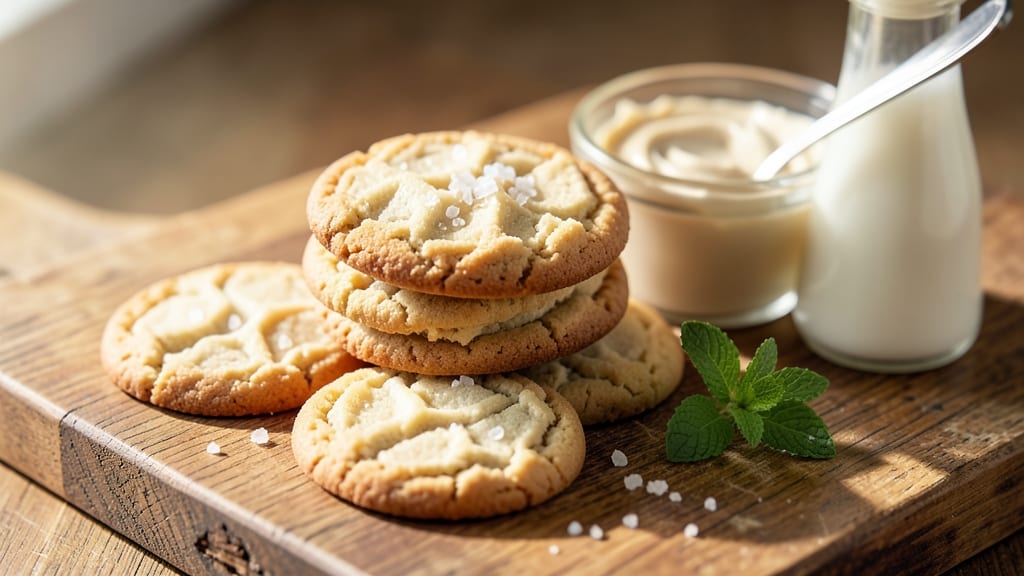
This sugar cookie recipe with 2 eggs delivers the perfect balance of buttery crunch and soft centers—no extra eggs required. 💛 The secret lies in using all-purpose flour and a precise mix of butter and sugar, which creates that signature texture while keeping the dough manageable with fewer eggs.
I've tested this recipe countless times to ensure it stays tender yet sturdy enough for cutting and decorating.
What sets this recipe apart is its foolproof method for achieving restaurant-quality cookies with just two eggs. The dough comes together quickly with simple ingredients, and the baking process is straightforward—no overmixing or tricky techniques.
The result? Cookies with crisp edges, a tender interior, and just the right amount of sweetness that pairs perfectly with buttercream or royal icing.
Whether you're baking for a holiday celebration or simply craving fresh cookies, this recipe ensures consistent results every time. The dough holds its shape beautifully for cutting into classic shapes, and the flavor remains rich and buttery without being overly sweet.
Ready in about 20 minutes from start to finish, these cookies are perfect for beginners and seasoned bakers alike.
For added versatility, you can roll out the dough and cut it into festive shapes, or simply drop spoonfuls for a rustic look. The recipe also scales easily, making it ideal for feeding a crowd or prepping ahead for parties.
Let's get started on creating cookies that taste like they came straight from a bakery.
Ingredients for sugar cookie recipe 2 eggs
Simple ingredients that deliver bakery-style cookies with just two eggs.
| Ingredient | Amount | Notes |
|---|---|---|
| All-Purpose Flour 🌾 | 3 ½ cups | Sifted for light texture |
| Unsalted Butter 🧈 | 1 cup | Cold, cubed for even mixing |
| Granulated Sugar 🍚 | 1 ½ cups | White sugar preferred |
| Large Eggs 🥚 | 2 whole | Room temperature for blending |
| Vanilla Extract 🌸 | 1 tbsp | Pure vanilla preferred |
| Salt 🧂 | ½ tsp | Fine sea salt preferred |
| Baking Soda 🧪 | 1 tsp | For proper leavening |
| Ground Cinnamon 🌿 | ½ tsp | Optional for warmth |
| Powdered Sugar 🍚 | 1 cup | For rolling and decorating |
| Milk 🥛 | ¼ cup | For dough consistency |
The butter matters most here—use European-style butter if you want extra richness, but Land O'Lakes or Plugrá work perfectly fine. I always grab the butter from the coldest part of the store to keep it firm for cutting. The flour? King Arthur or Gold Medal are my go-tos—they're sifted and consistent. For the sugar, Domino or C&H are reliable brands. The eggs should be at room temperature for smooth blending, so take them out 15 minutes before mixing. If you're baking in a dry climate, the extra quarter cup milk helps keep the dough from cracking.
No vanilla extract? Vanilla bean paste works too—just use half the amount. Short on powdered sugar for rolling? Granulated sugar mixed with cornstarch does the trick (use a 3:1 ratio). The cinnamon is optional but adds warmth—Penzeys or McCormick have good quality. For a nutty twist, swap half the flour for almond flour. If your dough feels too sticky, chill it for 30 minutes before rolling. Too dry? Add 1 tsp milk at a time until it's just workable. The baking soda is non-negotiable—it's what gives these cookies that perfect lift.
Store dough in an airtight container between 2-3 days in the fridge, or freeze for up to 3 months. Baked cookies stay fresh for 5 days in a sealed container. For longer storage, freeze baked cookies between layers of parchment paper. Reheat in a 200°F oven for 5 minutes to restore crispness. I always bake half the batch first—these cookies taste even better the next day once the flavors meld.
Why You'll Love This Recipe
- No Mixer Needed: I swear by this recipe when I’m in a hurry—just cream the butter and sugar by hand (or use a fork) until it’s light and fluffy. The dough comes together faster than you’d think, and the two eggs bind it perfectly without being sticky.
- Buttery Vanilla Bomb: That first bite? Pure comfort. The butter and sugar ratio gives it a tender crunch, while the vanilla extract (don’t skimp!) makes every cookie smell like a bakery. It’s the kind of flavor that sticks with you—literally.
- Party or Snack: Cut them into shapes for holidays, bake them into thick slices for breakfast toast, or just grab one straight from the jar. Honestly, they’re just as good cold as they are warm, so they’re my go-to for gifts, potlucks, or when I need a quick treat.
- Pantry Staple Magic: Uses what you already have—no weird ingredients or last-minute trips to the store. The dough keeps well in the fridge for days, and baked cookies stay fresh for weeks if you store them right. Plus, two eggs mean no waste, and the cost? A fraction of fancy recipes.
Step-by-step instructions for buttery sugar cookies
Here's how to achieve that perfect balance of crisp edges and soft centers with just two eggs.
👨🍳 Step 1: Cream Butter and Sugar Until Light and Fluffy
In a stand mixer fitted with the paddle attachment, combine the 1 cup Unsalted Butter (cold and cubed) with the 1.5 cups Granulated Sugar. Beat on medium speed for 3-4 minutes until the mixture is light in color and nearly doubles in volume. You'll see ribbons form when you lift the paddle—this means proper air incorporation for tender cookies.
I like to scrape down the sides of the bowl every 30 seconds to ensure even mixing. The butter should be fully creamed but still soft—if it looks too firm, let it sit at room temperature for another 5 minutes. This step creates the foundation for that signature buttery crunch we're after.
🍳 Step 2: Add Eggs and Dry Ingredients for Perfect Texture
Add the 2 whole Large Eggs one at a time, mixing on low speed for 30 seconds after each addition until fully incorporated. Then add the 1 tbsp Vanilla Extract and mix for another 10 seconds. In a separate bowl, whisk together the 3.5 cups All-Purpose Flour, 0.5 tsp Salt, 1 tsp Baking Soda, and 0.5 tsp Ground Cinnamon.
With the mixer on low speed, gradually add the dry ingredients to the wet mixture. Mix just until combined—you should still see small flour streaks. Overmixing develops gluten, which leads to tough cookies. Here's where the 0.25 cup Milk comes in: add it gradually to create a smooth, pliable dough that holds together without being sticky.
⏰ Step 3: Chill the Dough for Better Shape and Flavor
Divide the dough into two equal portions and flatten each into a 1-inch thick disk. Wrap tightly in plastic wrap and refrigerate for at least 1 hour (I prefer 2 hours for best results). Chilling firms up the butter, which prevents excessive spreading in the oven. It also allows the flour to fully hydrate, creating that perfect tender-crisp texture we want.
This step is crucial—I've learned the hard way that skipping it leads to flat, cakey cookies instead of the classic sugar cookie shape. The longer you chill (up to 24 hours), the better the flavor development and texture.
🔥 Step 4: Roll and Cut for Classic Sugar Cookie Shapes
Preheat your oven to 375°F and line baking sheets with parchment paper. On a lightly floured surface, roll out one dough disk to ¼-inch thickness. Use cookie cutters to create your desired shapes—traditional rounds work perfectly for this recipe. Transfer cookies to the prepared baking sheets, spacing them 2 inches apart for even baking.
For extra crunch, I like to sprinkle the tops with additional powdered sugar before baking. This creates that signature sugar cookie texture while adding a beautiful finish. Bake for 8-10 minutes until the edges are golden brown but the centers still look slightly soft.
🍽️ Step 5: Cool and Decorate for Perfect Finishing Touches
Remove cookies from the oven and let them cool on the baking sheet for 5 minutes before transferring to a wire rack. This brief cooling period helps set their shape while maintaining that perfect balance of crisp edges and soft centers. For decoration, whisk together the remaining 1 cup Powdered Sugar with 1-2 tablespoons milk to create a simple glaze.
Drizzle or spread the glaze over cooled cookies while it's still wet. The powdered sugar mixture will create that classic sugar cookie sheen while adding sweetness. Let the glaze set for 10 minutes before serving or storing. These cookies keep well in an airtight container for up to 5 days—though I doubt they'll last that long!
Pro Tips For Making Sugar Cookie Recipe 2 Eggs
- Chill the Dough First: I learned this the hard way—skipping the fridge means cookies that spread into sad, flat pancakes. Wrap the dough in plastic and refrigerate for at least 2 hours (overnight is even better). The cold butter holds its shape, and your cookies will keep their perfect rounds.
- Cut Butter into Flour Like Snow: Don’t just mix the butter and flour together—actually cut the cold butter into the dry ingredients with a pastry cutter or your fingers until it resembles coarse crumbs. This creates more surface area for the butter to melt evenly, giving you tender cookies with just the right chew.
- Use Room-Temp Eggs: Cold eggs from the fridge can make your dough stiff and lead to cookies that crack or don’t spread. Let the eggs sit out for 30 minutes before mixing—they’ll blend more smoothly and help the dough come together without extra flour.
- Press Dough Balls Flat: Yes, even if the recipe doesn’t say it: gently press each dough ball into a slightly flattened circle before baking. This prevents them from puffing up unevenly and ensures a consistent thickness—no more lopsided cookies rolling off the tray.
Regional styles of these flavors
Southern Classic
In the South, sugar cookies often take center stage during holidays like Christmas and Easter. The recipe here translates beautifully to Southern traditions, where buttercream frosting is king.
I like to add ½ tsp almond extract to the dough for a subtle nutty depth that pairs wonderfully with traditional Southern flavors. For a festive touch, roll the dough to ⅛-inch thickness and cut into stars or wreaths.
Bake as directed, then decorate with red and white royal icing for a classic holiday look. 🌟
Midwest Molasses Twist
The Midwest puts its own spin on sugar cookies by incorporating 1 tbsp molasses into the dough, replacing half the granulated sugar. This swap adds a deep, caramel-like richness that's perfect with a cup of coffee or hot cocoa.
I've found that using dark brown sugar instead of white sugar enhances this flavor profile even more. For presentation, dust with powdered sugar and a pinch of cinnamon after baking. These cookies are especially popular at state fairs and community gatherings across the Midwest.
New England Spiced Version
Up north, sugar cookies often feature warming spices like nutmeg and cardamom. For a New England-inspired twist, add ¼ tsp ground nutmeg and ¼ tsp cardamom to the dry ingredients. The nutmeg adds a cozy warmth that pairs beautifully with a glass of warm milk.
I recommend rolling the dough slightly thicker (⅛-inch thick) for a chewier texture. After baking, brush the tops with a simple egg wash (1 egg yolk + 1 tbsp milk) before sprinkling with coarse sugar for a crunchy finish.
These cookies are perfect for autumn gatherings and Thanksgiving desserts.
Pacific Northwest Citrus Zest
West Coast bakers often incorporate bright citrus flavors into their sugar cookies. For a Pacific Northwest twist, add 1 tbsp lemon zest and 1 tbsp orange zest to the dough along with the vanilla extract. The citrus zest brightens the buttery flavor and cuts through the richness beautifully.
I like to use Eureka lemons and Navel oranges for the most vibrant zest. After baking, drizzle with a simple glaze made from ½ cup powdered sugar + 1 tbsp lemon juice + 1 tsp milk.
These cookies are especially refreshing during summer months and pair wonderfully with iced tea.
Texas-Style Cinnamon Roll Cookies
In Texas, sugar cookies often borrow from cinnamon roll traditions. For a Lone Star twist, add 1 tbsp brown sugar and ½ tsp cinnamon to the dough, then roll it out and sprinkle with a mixture of ½ cup brown sugar + 1 tbsp cinnamon before cutting into squares.
Bake as directed, then drizzle with a cream cheese glaze made from ½ cup cream cheese + 1 cup powdered sugar + 1 tbsp milk. These cookies are perfect for breakfast or dessert and have a satisfying cinnamon-sugar crunch on top. 🌶️
Nutrition facts
Frequently asked questions
Why does this recipe use only 2 eggs?
This recipe uses just 2 eggs to create a perfectly balanced texture without making the dough too rich or sticky. The butter and milk help maintain moisture while the baking soda ensures proper lift. Fewer eggs also make the dough easier to handle and roll for cutting shapes.
Can I make these cookies without milk?
Yes! Replace the ¼ cup milk with ¼ cup water or 2 tablespoons melted butter. The dough will be slightly less tender but still hold its shape well. For extra richness, use 2 tablespoons heavy cream instead—it adds subtle sweetness without altering the texture significantly.
How do I prevent my cookies from spreading too much?
Chilling the dough for at least 2 hours (or up to 24 hours) is key! Cold butter prevents excessive spreading. Also, roll the dough to exactly ¼-inch thickness and bake at 375°F for no more than 10 minutes. Overbaking causes spreading, so pull them out when edges are golden but centers still look soft.
What's the best way to store leftover dough?
Wrap the dough tightly in plastic wrap and refrigerate for up to 3 days, or freeze for 3 months. For freezing, portion into disks, wrap individually, then place in a freezer bag. Thaw in the fridge overnight before rolling. The dough keeps best when stored airtight to prevent drying out.
Can I use this dough for drop cookies instead of cut-outs?
Scoop 1.5 tablespoon portions of dough and place 2 inches apart on baking sheets. Bake at 350°F for 12-14 minutes (lower temp prevents spreading). The dough works perfectly for both styles—just adjust baking time and temp. Drop cookies will have a softer, cake-like texture compared to crisp cut-outs.