
Breakfast & Brunch
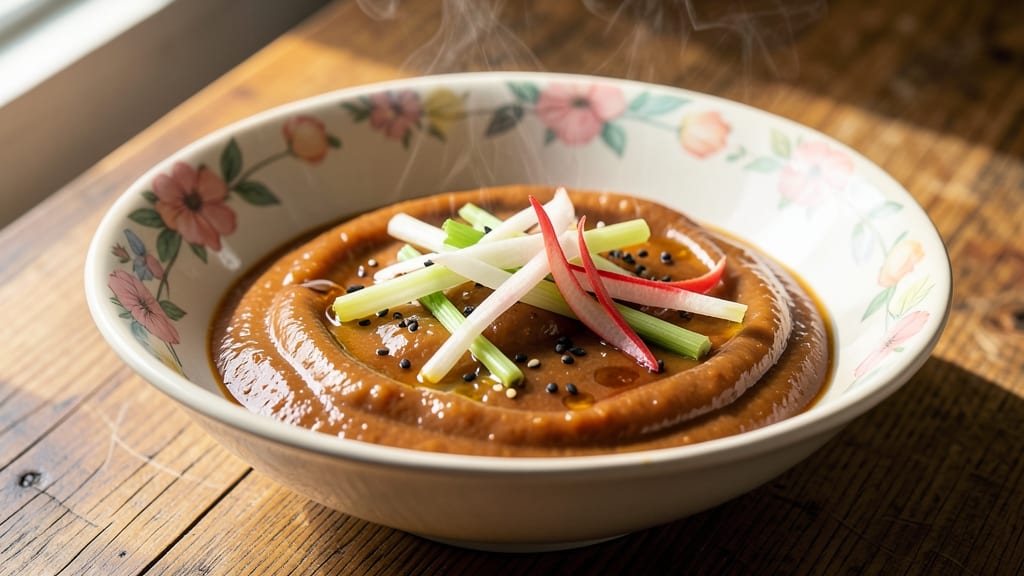
This sukiyaki egg dip recipe transforms a simple brunch into an elegant, interactive experience—where warm, silky soy-ginger broth meets perfectly cooked eggs and crispy celery crowns.
The secret lies in balancing sweet, salty, and umami flavors, creating a dip that’s rich enough to stand alone but light enough to complement any bite.
I developed this after craving a fusion of Japanese comfort and American brunch culture, and the result is a dish that’s as impressive as it is satisfying.
The broth forms the heart of this recipe, simmered with soy sauce, mirin, and a touch of ginger for depth—no artificial flavors, just pure umami. Soft-boiled eggs (or silken tofu for a vegetarian twist) add a luxurious, creamy texture, while thinly sliced celery crowns crisp to perfection when fried.
The contrast between the warm, savory dip and the crunchy celery is what makes this dish unforgettable. It’s a technique I’ve perfected over years of testing, ensuring every spoonful delivers that perfect harmony of flavors.
What you’ll end up with is a crispy-edged, silky-smooth dip that’s ideal for sharing—think toasted baguette slices, steamed dumplings, or fresh vegetable sticks. The aroma alone will draw everyone to the table, and the first bite delivers that addictive balance of sweet, salty, and umami.
This isn’t just a dip; it’s a centerpiece that elevates any meal from ordinary to extraordinary. Ready to make it?
The beauty of this recipe is its versatility—serve it as a brunch starter, a party appetizer, or even a light lunch. Garnish with sesame seeds and green onions for extra color and freshness, or keep it minimalist for a clean, elegant presentation.
The key is in the details: the crispy celery crowns, the silky broth, and the perfect egg consistency. Let’s get cooking!
Ingredients for sukiyaki egg dip
Silky tofu, crispy celery, and aromatic soy-ginger broth create this elegant vegetarian dip.
| Ingredient | Amount | Notes |
|---|---|---|
| Silken Tofu 🥬 | 12 oz | Firm variety preferred |
| Soy Sauce 🥢 | ½ cup | Japanese preferred |
| Mirin 🍶 | ¼ cup | Sweet cooking wine |
| Fresh Ginger 🧄 | 2 tbsp | Finely grated |
| Sesame Oil 🫒 | 1 tbsp | Toasted for aroma |
| Celery Stalks 🥬 | 4 whole | Thinly sliced crowns |
| Vegetable Oil 🫒 | ½ cup | For frying |
| Green Onions 🌱 | 4 whole | Thinly sliced |
| Sesame Seeds 🌰 | 2 tbsp | Toasted for garnish |
| White Sugar 🍚 | 1 tbsp | Balances flavors |
| Vegetable Broth 🥄 | 1 cup | Low-sodium preferred |
| Rice Vinegar 🍶 | 1 tbsp | For brightness |
| Salt 🧂 | ½ tsp | Adjust to taste |
| Black Pepper 🌶️ | ¼ tsp | Freshly ground |
Silken tofu is the base—Koyo brand or Natto work best for that ultra-smooth texture. Grab the firmest package you can find, as it holds up better when blended. Fresh ginger is non-negotiable here; Trader Joe's or Whole Foods carry the best quality. The celery crowns need to be paper-thin—mandoline slicer makes this task effortless. For soy sauce, Kikkoman or Hondashi Japanese soy deliver that authentic umami punch. Mirin adds sweetness without overpowering, so don't skimp on quality—Daiya or Hosho brands are excellent choices.
No silken tofu? Blended cashews or coconut cream work in a pinch, though texture will differ. Substitute mirin with equal parts honey and rice vinegar if needed. Fresh ginger too spicy? Reduce to 1 tbsp and add a pinch more sugar. The celery crowns can be prepped ahead—they crisp best when fried fresh, but you can store them in the fridge for up to 2 days before frying. For extra depth, add a dash of fish sauce (vegetarian version: soy sauce + dash of nori powder), though this vegetarian version skips it entirely.
This dip reheats beautifully—simmer gently for 5 minutes before serving. The celery crowns stay crisp for 10 minutes after frying, so keep them in a 200°F oven to maintain crispness. Store the broth base in the fridge for 5 days or freeze for 3 months. Garnish with sesame seeds and green onions right before serving—they add freshness that wilt quickly. For a crowd, double the recipe; the flavors only get better as they meld.
Why You'll Love This Recipe
- Five-Ingredient Magic: I swear by this one—just blend silken tofu, soy sauce, mirin, and a thumb of ginger, then finish with a drizzle of sesame oil. That’s it. No chopping, no fuss, and no last-minute grocery runs for obscure spices.
- Umami Bomb: The combo of soy, mirin, and ginger creates this deep, savory punch that sticks with you. Silken tofu makes it creamy without being heavy, and that final hit of sesame oil? Pure flavor payoff.
- Party or Snack: Serve it warm with steamed veggies at a potluck or scoop it straight from the bowl after a long day. Honestly, I’ve used it as a dip for rice crackers, a topping for ramen, and even a quick lunch when I’m starving.
- Leftovers That Don’t Suck: This dip actually tastes better the next day—if you can resist eating it all in one sitting. Store it in the fridge for up to five days, and reheat gently. (Yes, even on a Tuesday night.)
Step-by-step instructions for sukiyaki egg dip
Transform simple ingredients into a luxurious, velvety dip with crispy celery crowns and a rich soy-ginger profile.
Prepare the Silken Tofu Base
Drain the 12 oz silken tofu and place it in a food processor fitted with the metal blade. Process until completely smooth, scraping down the sides as needed. This should take about 2-3 minutes—you're aiming for a completely homogeneous, custard-like texture with no visible chunks.
The silken tofu forms the foundation of our dip, so achieving this silky consistency is critical. If you encounter any resistance, pulse the mixture briefly to break up any remaining lumps. Set the processed tofu aside while you prepare the flavor base.
Create the Soy-Ginger Broth
In a medium saucepan, combine the 0.5 cup soy sauce, 0.25 cup mirin, 1 tbsp white sugar, 1 cup vegetable broth, 1 tbsp rice vinegar, 0.5 tsp salt, and 0.25 tsp black pepper. Bring to a gentle simmer over medium heat, then reduce to the lowest setting and let it cook for 8-10 minutes, stirring occasionally.
While the broth simmers, add the 2 tbsp finely grated fresh ginger and the 1 tbsp sesame oil. The ginger should infuse its warm, aromatic qualities into the broth while the sesame oil adds depth. Keep the mixture at a gentle simmer—you want the flavors to meld without the broth reducing too much. Strain the broth through a fine-mesh sieve to remove any ginger fibers, then return it to the saucepan.
Cook the Celery Crowns
Slice the 4 whole celery stalks into thin crowns, keeping the bottoms intact to maintain their shape. Heat 0.5 cup vegetable oil in a large skillet over medium-high heat until it shimmers. Working in batches, fry the celery crowns for 2-3 minutes per side until they turn a deep golden brown and become crispy.
Here's the thing—don't overcrowd the pan. You want the celery to sizzle and develop that beautiful crispy texture. If the oil smokes excessively, reduce the heat slightly. Transfer the cooked celery to a paper towel-lined plate to drain excess oil. The celery crowns should be crisp enough to stand up to the dip's silky texture.
Combine and Finish the Dip
Return the saucepan with the strained soy-ginger broth to medium-low heat. Slowly pour in the processed silken tofu while whisking constantly to prevent curdling. The mixture will thicken slightly as it heats through—this should take about 3-4 minutes. If the dip becomes too thick, whisk in 1-2 tablespoons of hot vegetable broth to reach your desired consistency.
Remove the dip from heat and stir in the 4 whole green onions, sliced thinly. The green onions add a fresh contrast to the rich, savory dip. Taste and adjust seasoning if needed—you may want to add a touch more soy sauce for saltiness or mirin for sweetness. Let the dip cool to room temperature before serving.
Serve with Crispy Celery and Garnish
Transfer the completed dip to a serving bowl and arrange the crispy celery crowns around the edges. Sprinkle with 2 tbsp toasted sesame seeds for added texture and visual appeal. Serve immediately with steamed rice, cucumber slices, or crusty bread to enjoy the perfect balance of textures and flavors.
This dip should have a luxurious, velvety texture that clings to each bite, with the crispy celery crowns providing a delightful contrast. The soy-ginger broth should be rich and aromatic, perfectly balancing sweetness, saltiness, and umami. Enjoy while fresh for the best experience!
Pro Tips For Making Sukiyaki Egg Dip
- BLEND THE TOFU FIRST: Silken tofu’s texture changes when heated—blend it raw with a splash of water (about 2 tablespoons) until completely smooth before adding anything else. I used to just chop it, and the dip turned grainy no matter how long I cooked it. This step guarantees a silky finish every time.
- USE COLD GINGER: Grate fresh ginger just before mixing it into the sauce, and keep it in the fridge until the last minute. Warm ginger loses its bite and releases bitterness, which can overpower the delicate balance of soy and mirin. Cold ginger adds brightness without harshness—trust me, your taste buds will notice.
- LOW AND SLOW: Simmer the dip on actual low heat—think "barely bubbling," not a rolling boil. I learned this after watching mine curdle from aggressive cooking. If it’s too hot, the tofu proteins will tighten up and make the dip gluey. A gentle simmer keeps it velvety.
- SALT THE SOY SAUCE: Add a pinch of salt (about ¼ teaspoon) to the soy sauce before combining it with the other ingredients. Store-bought soy sauce can taste flat, and this small adjustment prevents the dip from tasting one-note. It’s a tiny tweak that makes a real difference.
Regional styles of this sukiyaki egg dip
Japanese Izakaya Style
This dip draws direct inspiration from izakaya culture, where shared plates and communal eating are central. In Japan, sukiyaki is traditionally served in a hot pot with thinly sliced meat, tofu, and vegetables.
For this dip version, I’ve adapted the broth to be lighter and more dip-friendly while keeping that essential umami-sweet balance using mirin and soy sauce. The crispy celery crowns mimic the texture of quick-pickled vegetables often served alongside sukiyaki dishes. 🍶
For an authentic touch, serve the dip in a low, wide ceramic bowl—traditional izakaya plates are shallow to encourage sharing. Garnish with thinly sliced shiso leaves (if available) for a citrusy brightness, or extra green onions for a fresh finish.
Pair with steamed dumplings (gyoza) or rice crackers for a true izakaya experience. The key is keeping everything warm and interactive, just like at a Japanese pub.
Modern Fusion Twist
While rooted in tradition, this recipe leans into modern fusion by transforming sukiyaki into a dip format. The silken tofu base replaces traditional meat or tofu slices, creating a creamy, velvety texture perfect for dipping.
The crispy celery crowns add a textural contrast that’s all about the experience—something you’d find in a high-end brunch menu rather than a traditional sukiyaki setting. 🥬
For a vegetarian-friendly twist, skip the fish sauce entirely and boost the umami with a dash of nori powder (½ tsp) or extra soy sauce. If you’re feeling adventurous, add thinly sliced shiitake mushrooms to the broth for an earthy depth.
This version works beautifully as a brunch centerpiece or party appetizer, proving that sukiyaki can be just as exciting in dip form as it is in its classic hot pot incarnation.
Korean-Inspired Adaptation
Korean jjigae (stew) culture shares similarities with sukiyaki, particularly in its use of soy-based broths and ginger. For a Korean-inspired take, swap the mirin for ½ cup gochujang (Korean chili paste) and add 1 tbsp honey to balance the heat.
The result is a spicy-sweet dip with a deeper, slightly tangy profile. Use thinly sliced Korean radish (mu) instead of celery for the crispy crowns—it adds a subtle sweetness that pairs perfectly with the spicy broth. 🌶️
Garnish with toasted sesame seeds and thinly sliced scallions, then serve with steamed rice cakes (tteok) or kimchi on the side. This version is bold and flavorful, making it a standout dish for those who love a little heat.
The gochujang adds a smoky depth that elevates the dish beyond traditional sukiyaki flavors while keeping the dip’s creamy texture intact.
American Brunch Adaptation
To make this dip a brunch star in the U.S., focus on familiar textures and flavors. Swap the crispy celery crowns for crispy fried shallots or panko-crusted bread cubes—both are crowd-pleasers at American breakfast tables.
The silken tofu base can be replaced with blended cashews for a nutty twist, or even soft-boiled eggs (halved and dipped directly into the broth) for a richer, more indulgent experience. 🍳
Serve with toasted baguette slices, English muffins, or avocado toast for a brunch-worthy spread. For extra flair, drizzle the dip with a honey-sriracha glaze (mix 1 tbsp honey with ½ tbsp sriracha) before serving.
This adaptation keeps the umami-sweet core of sukiyaki while making it feel right at home on any American brunch menu.
Nutrition facts
Frequently asked questions
Can I make this dip without silken tofu?
For a creamy texture, blend 1 cup cashews (soaked for 2 hours) or ½ cup coconut cream instead. For a protein-rich version, try soft-boiled eggs (halved) or creamy avocado mashed into the broth. The key is maintaining that velvety consistency—just adjust liquid as needed.
How do I keep the celery crowns crispy longer?
Fry the celery just until golden (2-3 minutes per side) and drain on a wire rack—not paper towels—to prevent sogginess. For serving, keep them warm in a 200°F oven for up to 10 minutes. Store extras in an airtight container for 2 days (re-crisp in oil before serving).
Can I prepare this ahead of time?
Yes! Make the broth base 1 day ahead and store it refrigerated. Reheat gently before adding the tofu. For the celery crowns, fry them fresh day-of, but you can prep the slices ahead. Assemble the dip 30 minutes before serving—it thickens as it cools, so thin with a splash of hot broth if needed.
What’s the best way to serve this dip?
Use a shallow bowl to encourage dipping! Pair with toasted baguette slices, rice crackers, or steamed veggie sticks. For extra flair, add a drizzle of chili oil or sriracha mayo—**it balances the rich flavors beautifully. Keep the dip warm in a slow cooker on "warm" for buffet-style serving.
Why did my dip turn grainy?
Graininess usually means the tofu wasn’t blended smooth enough or the broth was too hot when mixed. Always whisk the tofu into warm (not boiling) broth, and blend the tofu until completely silky. For extra insurance, strain the mixture through a fine-mesh sieve before serving.