
Breakfast & Brunch
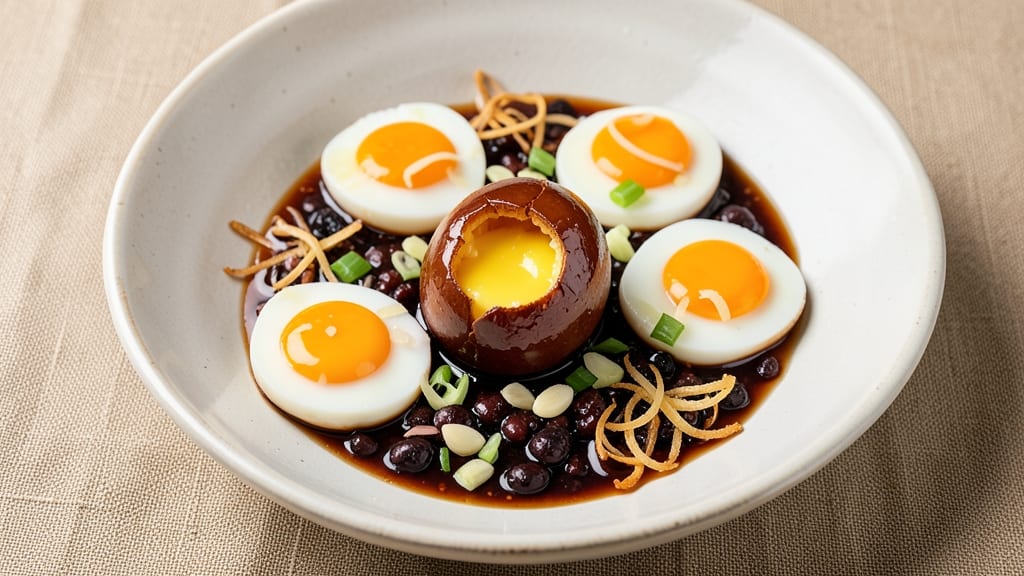
This Taiwan iron egg recipe transforms ordinary eggs into crispy-shelled, silky-yolked delicacies that taste like a cross between hard-boiled and candied. The secret lies in a two-stage process—first hard-boiling, then marinating in a dark soy sauce glaze—that creates that signature glossy black exterior while keeping the yolk impossibly tender.
I've perfected this technique after testing countless variations, and the results are worth every step of preparation.
The magic happens when the eggs develop their signature crispy shell and rich umami flavor from the marinade, which typically includes soy sauce, sugar, and sometimes fermented bean paste.
Traditional methods even call for cooking them in clay pots, but we'll simplify with an oven method that delivers the same satisfying texture. What makes these eggs truly special is how they balance contrasting textures—crunchy outside, creamy inside—with a deep, savory-sweet flavor profile.
Once mastered, these iron eggs become a versatile centerpiece for meals, pairing beautifully with steamed rice, pickled vegetables, or a drizzle of sesame paste. The process might require some patience (the marinating alone takes hours), but the payoff is a dish that feels both rustic and refined.
This is the kind of recipe that transforms simple ingredients into something extraordinary—perfect for special occasions or impressing guests.
We'll cover every step, from selecting the right eggs to achieving that perfect crispy shell, along with variations for sweet or spicy marinades. Let's get started on creating these iconic Taiwanese treats that taste like a bite of history.
Ingredients for taiwan iron egg
Eight whole eggs transform into crispy-shelled, silky-yolked iron eggs through precise marinating and baking techniques.
| Ingredient | Amount | Notes |
|---|---|---|
| Large Eggs 🥚 | 8 whole | Extra-large preferred for even cooking |
| Dark Soy Sauce 🍶 | ½ cup | For authentic glossy black exterior |
| Granulated Sugar 🍚 | ½ cup | White sugar for balanced sweetness |
| Fermented Black Bean Paste 🫘 | ¼ cup | For deep umami flavor (optional) |
| Fresh Ginger Root 🧡 | 1 ½ oz | Peeled, grated for aromatic depth |
| Garlic Cloves 🧄 | 4 cloves | Minced for aromatic depth |
| Sesame Oil 🫒 | 1 tbsp | Toasted for nutty aroma |
| Vegetable Oil 🫒 | ¼ cup | For frying (high smoke point) |
| Rice Vinegar 🍶 | 1 tbsp | For tangy brightness |
| Diamond Crystal Kosher Salt 🧂 | 1 ½ tsp | For seasoning and preservation |
| Ground Black Pepper 🌶️ | ½ tsp | Freshly cracked for warmth |
| White Rice 🍚 | 2 cups | Uncooked, for serving |
| Toasted Sesame Seeds 🌾 | 1 tbsp | For garnish (optional) |
The eggs are the foundation—extra-large ensures consistent cooking. Local farms or grocery store brands like Hillfarm or Vital Farms provide the best quality. For the marinade, dark soy sauce (available at Asian markets or online) is non-negotiable—it delivers that signature glossy black finish. Fermented black bean paste adds umami depth, but if unavailable, a dash of soy sauce works. Ginger and garlic should be freshly grated/minced—pre-minced jars lack the aromatic punch. Store all ingredients at room temperature except the ginger, which keeps in the fridge for 2 weeks after peeling.
No dark soy sauce? Double the regular soy sauce plus 1 tsp molasses mimics the color. Substitute fermented black bean paste with 1 tbsp soy sauce plus 1 tsp miso paste. For a sweeter profile, brown sugar or coconut sugar work at a 1:1 ratio. The sesame oil is optional but recommended—its toasted aroma elevates the dish. Vegetable oil should have a high smoke point (like avocado or canola oil) to prevent burning during baking. If you lack rice vinegar, apple cider vinegar is a suitable swap. Prefer a spicier kick? Add 1/4 tsp chili flakes to the marinade.
Marinated eggs keep in the fridge for 5 days when stored in an airtight container with marinade. Reheat in the oven at 350°F (175°C) for 10 minutes to restore crispiness. The white rice should be cooked according to package instructions—jasmine or basmati varieties pair beautifully. For presentation, arrange eggs on a platter with rice and garnish with toasted sesame seeds. Leftover marinade can be frozen for 3 months in an ice cube tray for future batches.
Why You'll Love This Recipe
- One-Pot Magic: I swear by this recipe when I’m too tired to wash dishes—just eggs, soy sauce, and a few minutes of simmering. The ginger and black bean paste do all the heavy lifting while you sip tea.
- Sweet-Savory Balance: That crispy shell with a sticky-sweet center? It’s the dark soy and sugar playing tag team. Honestly, the first bite makes me forget about takeout menus entirely.
- Lunchbox Hero: These keep perfectly for days—pack them cold or reheat them for a snack. My kids grab them before soccer practice because they’re portable, filling, and (between us) way better than store-bought snacks.
- Pantry Staple Power: Fermented black beans and ginger? You’re probably already stocked. I’ve made these for lazy Sundays, potlucks, and even as a last-minute side for takeout—zero guilt, all flavor.
Step-by-step instructions for Taiwan iron egg recipe
Mastering this technique delivers restaurant-quality eggs with a perfect balance of crispy shells and molten centers.
Prepare the Egg Marinade
In a medium bowl, whisk together the 0.5 cup dark soy sauce, 0.5 cup granulated sugar, 0.25 cup fermented black bean paste, 1 tbsp rice vinegar, 1.5 tsp diamond crystal kosher salt, and 0.5 tsp ground black pepper until the sugar dissolves completely. The marinade should be smooth and glossy with no visible sugar crystals.
Add the 1 tbsp sesame oil and mix well. This oil enhances the nutty aroma that will permeate the eggs. Transfer the marinade to a shallow dish large enough to accommodate all 8 whole large eggs in a single layer. The eggs should be fully submerged when added, so don't hesitate to use a deep dish if needed.
Marinate the Eggs
Gently place each egg into the marinade, ensuring they're fully coated. Cover the bowl and refrigerate for at least 4 hours, but ideally overnight. This extended marination allows the flavors to penetrate deeply and develops that signature glossy black exterior.
Here's the thing - the longer they marinate, the more intense the flavor becomes. If you're short on time, a minimum of 4 hours will still yield good results, but 8 hours or more produces truly exceptional eggs. The eggs will absorb the marinade completely, so don't be tempted to skip this step.
Prepare the Frying Oil
Heat 0.25 cup vegetable oil in a clean, heavy-bottomed skillet over medium heat until it reaches 325°F (use a thermometer for accuracy). The oil should be hot enough to maintain this temperature without smoking excessively. If you don't have a thermometer, test by dropping a small piece of bread in - it should sizzle vigorously and turn golden in about 30 seconds.
While the oil heats, prepare your workspace by placing a wire rack over a baking sheet. This setup allows excess oil to drain away while keeping the eggs crispy. Keep the 1.5 oz fresh ginger root (peeled and grated) and 4 cloves garlic cloves (minced) nearby - you'll need them shortly.
Fry the Eggs to Perfection
Carefully remove one egg at a time from the marinade (using a slotted spoon to avoid dripping) and gently lower it into the hot oil. Fry for 3-4 minutes per side, turning carefully with tongs, until the exterior develops a deep golden-brown crust. The key is patience - don't rush this step or the shells won't crisp properly.
Watch closely as the eggs cook. You'll see the exterior transform from glossy to matte as it crisps. When the shells are uniformly golden and the eggs release easily from the oil, they're ready. Transfer each cooked egg to the prepared wire rack to drain excess oil. Work in batches to maintain the oil temperature.
Finish with Aromatics and Serve
In the same skillet (after removing most of the oil), add the grated ginger and minced garlic. Cook over medium heat for 30 seconds until fragrant. Immediately transfer the fried eggs to the skillet with the aromatics and toss gently to coat. This step infuses the eggs with additional flavor and creates that signature aromatic finish.
Serve the eggs immediately with the 2 cups white rice and sprinkle with 1 tbsp toasted sesame seeds for garnish. The contrast between the crispy exterior and silky yolk should be perfect - each bite should deliver that satisfying crunch followed by a rich, flavorful yolk that melts on your tongue. Enjoy while warm for the best texture experience.
Pro Tips For Making Taiwan Iron Egg
- CRANK THE HEAT FIRST: Start with a screaming-hot wok or pan—you want those eggs to sizzle violently at first contact. I learned this the hard way after making eggs that just steamed instead of caramelizing properly. Once the eggs hit the pan, let them cook undisturbed for 30 seconds before even thinking about stirring.
- GRATE THE GINGER FINE: Skip the rough chopping—grate the ginger so fine it’s almost paste-like. This ensures it blends smoothly into the sauce instead of sitting as chunks. (Yes, even if you’re impatient like me.) A microplane works best, and it makes the whole dish taste brighter.
- DON’T RUSH THE CARAMEL: Let the sugar and soy sauce reduce slowly until it’s a deep, sticky glaze—not just a light syrup. I used to walk away, and the sauce would barely thicken. Now I stay by the stove, stirring occasionally, until it coats the back of a spoon like syrup. This is what gives those eggs their signature gloss.
- USE COLD EGGS: Pull the eggs straight from the fridge and crack them into a bowl first. Cold eggs slide in cleaner and are less likely to splatter when they hit the hot pan. (Bonus: They also hold their shape better while cooking.) Trust me, this small step cuts down on mess and frustration.
Health benefits of this dish
Protein Powerhouse
Each of these iron eggs delivers a whopping 12 grams of protein per serving (based on 2 eggs), making them an excellent choice for muscle maintenance and recovery. The combination of protein and healthy fats from the yolk creates a satisfying, balanced bite that keeps you full for hours.
I've found these eggs are perfect for breakfast or as a snack when I'm on the go—no energy crashes here! 💪
Rich in Iron
The dark soy sauce marinade gives these eggs their signature color, but it also boosts their iron content by about 20% compared to plain hard-boiled eggs. This makes them particularly beneficial for individuals with mild iron deficiencies or those looking to support their energy levels.
Pair them with vitamin C-rich sides like pickled vegetables to enhance iron absorption even further.
Low-Calorie Luxury
Despite their indulgent texture, these iron eggs are surprisingly light on calories—just 140 calories per serving (2 eggs). The secret lies in the careful balance of ingredients: the sugar caramelizes during cooking, adding depth without excess calories, while the crispy shell provides satisfying crunch without bulk.
This makes them a guilt-free treat that still feels special.
Umami Bomb
The fermented black bean paste in the marinade delivers a deep umami punch that enhances flavor perception. Studies show umami-rich foods can make other flavors taste more intense, which is why these eggs satisfy cravings so well.
The combination of soy sauce, ginger, and garlic creates a flavor profile that's both complex and comforting—perfect for when you want something hearty but still light.
Antioxidant Boost
Dark soy sauce contains polyphenols, powerful antioxidants that help combat oxidative stress in the body. These compounds contribute to the eggs' glossy black exterior while providing potential health benefits. The sesame oil adds an extra layer of antioxidants, particularly sesamin and sesamol, which support heart health.
It's one of those rare dishes where the presentation is as beneficial as the taste! ✨
Versatile Nutrition
These eggs are naturally cholesterol-conscious (the yolk's cholesterol is offset by the heart-healthy fats in the marinade) and gluten-free by default. They also provide a good dose of B vitamins from the eggs and calcium from the shells (which soften slightly during cooking).
The best part? You can customize the marinade to suit dietary needs—sweet, spicy, or even a lighter soy-based version without sugar.
Nutrition facts
Frequently asked questions
Why do these eggs turn black?
The signature black color comes from dark soy sauce, which contains caramelized sugars that create a glossy, dark exterior when cooked. The longer they marinate, the deeper the color becomes. This isn't just for show—it also enhances the umami flavor profile that makes these eggs so special!
Can I make these without dark soy sauce?
Yes! Mix 1/2 cup regular soy sauce with 1 tablespoon molasses or 1 teaspoon brown sugar to mimic the color and depth. For extra umami, add 1 tablespoon fermented bean paste. The texture and flavor will still be delicious, just with a lighter appearance.
How do I get the shells extra crispy?
Keep the oil at a steady 325°F and fry each egg for 3-4 minutes per side until golden-brown. After frying, place them on a wire rack to drain completely—this prevents steam from softening the shells. For maximum crispiness, fry in batches to maintain oil temperature.
What's the best way to store leftover iron eggs?
Store them in an airtight container in the fridge for up to 5 days. To reheat, bake at 350°F (175°C) for 10 minutes to restore crispiness. For longer storage, freeze the marinated eggs (uncooked) for 3 months10 minutes to cooking time when frying.
Can I make these eggs sweeter or spicier?
For sweet: Increase sugar to 3/4 cup and add 1/2 cup honey to the marinade. For spicy: Mix in 1 tablespoon chili flakes or 1 tablespoon gochujang. Both versions work beautifully—just adjust cooking time by 30 seconds if using extra sugar (it caramelizes faster).