
Breakfast & Brunch
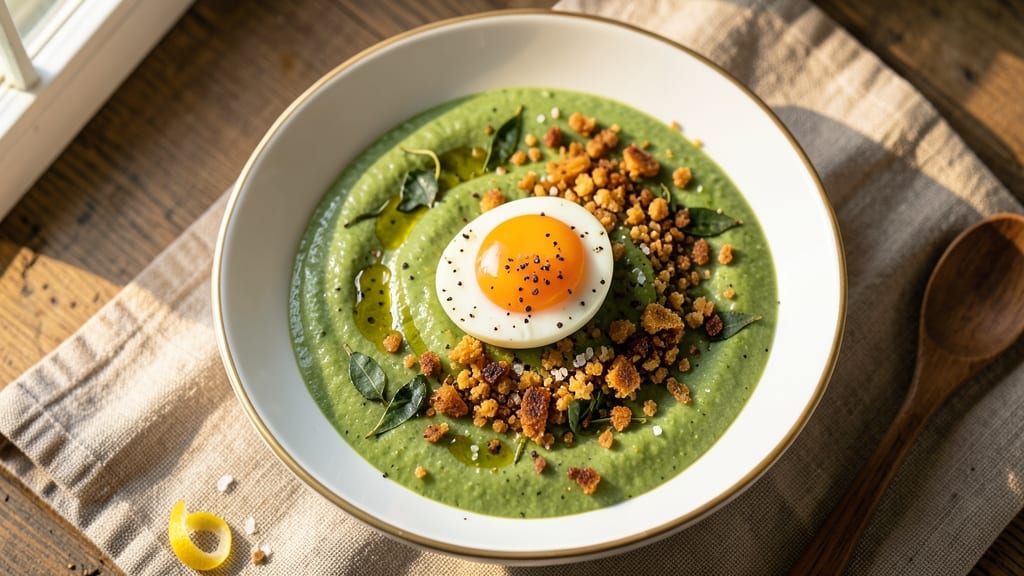
This tea leaf egg recipe transforms ordinary breakfast into a luxurious experience with silky yolks infused with delicate umami tea notes. The secret lies in steeping tea leaves directly into the egg mixture, creating a subtle yet sophisticated flavor that elevates every bite.
I developed this technique after discovering how tea infusion could add depth to eggs without overpowering their natural richness.
What makes this recipe special is the balance of simplicity and sophistication—just four core ingredients create a dish that feels restaurant-quality. The tea leaves not only infuse flavor but also add visual elegance when presented.
Cooking time is minimal, with eggs reaching perfect doneness in under 10 minutes, making it ideal for busy mornings or weekend brunches.
Each bite delivers a harmonious blend of creamy egg texture and aromatic tea undertones, creating a dish that's both comforting and refined. The tea infusion transforms ordinary eggs into something extraordinary, perfect for impressing guests or treating yourself to a gourmet breakfast.
This recipe proves that even simple dishes can become memorable experiences with the right technique.
Pair with toasted sourdough or fresh berries to complete the meal, or serve alongside a light salad for a balanced breakfast. The tea-infused eggs work beautifully as a standalone dish or as part of a larger brunch spread, offering versatility without sacrificing flavor. Let's create this elegant breakfast masterpiece together.
Ingredients for tea leaf egg
Four core ingredients transform ordinary eggs into a refined tea-infused breakfast masterpiece.
| Ingredient | Amount | Notes |
|---|---|---|
| Large Eggs 🥚 | 8 whole | Room temperature for even cooking |
| Loose-Leaf Green Tea 🍵 | 1 tbsp | Jasmine or sencha preferred, organic if possible |
| Unsalted Butter 🧈 | 4 tbsp | Cold, cut into small cubes |
| Extra-Virgin Olive Oil 🫒 | 2 tbsp | Light fruity variety for neutral balance |
| Diamond Crystal Kosher Salt 🧂 | ½ tsp | Fine grain for delicate seasoning |
| Freshly Ground Black Pepper 🌶️ | ¼ tsp | Freshly cracked for aromatic punch |
| Freshly Toasted Sourdough Bread 🍞 | 4 slices | Optional pairing, toasted to crisp |
| Fresh Berries 🍓 | ½ cup | Strawberries or raspberries for serving |
The tea leaves are the heart of this recipe—loose-leaf jasmine or sencha delivers the most elegant umami infusion. Whole Foods or specialty tea shops carry the best quality; avoid tea bags as they lack the depth needed for infusion. For optimal flavor, use organic leaves when possible, as they're free from pesticides that might alter the delicate tea notes. The eggs should be large, free-range for richer yolks that absorb the tea infusion beautifully. Store tea leaves in an airtight container away from light to preserve their aromatic compounds for up to 6 months.
No loose-leaf tea? High-quality tea bags work in a pinch, but tear them open to release the leaves. Substitute jasmine with earl grey for a bergamot twist, though the flavor profile will differ. The butter must be unsalted and cold—pre-cut cubes melt evenly without greasing the pan prematurely. For a lighter touch, replace half the butter with extra-virgin olive oil, though the texture will be slightly less luxurious. The salt should be Diamond Crystal kosher for precise seasoning; other brands may clump or overpower the delicate tea flavors.
Prep the tea infusion the night before for maximum flavor development—steep the tea leaves in 2 tbsp hot water for 10 minutes, then strain and mix with the eggs. Store the infused egg mixture in the fridge for up to 2 days, covered with parchment to prevent skin formation. The toasted sourdough and berries should be prepared fresh to complement the eggs' silky texture, as their flavors diminish when prepped ahead. Serve immediately after cooking for the perfect balance of creamy eggs and aromatic tea notes.
Why You'll Love This Recipe
- No-Fuss Timing: I swear by this recipe when I’m running late—just crack eggs into a hot pan, sprinkle tea leaves, and walk away. The butter and olive oil do all the work while you sip your morning coffee.
- Earthy Umami Magic: That green tea infusion? It’s like a secret weapon—bright but never bitter, with a subtle depth that turns simple eggs into something special. Honestly, it’s the kind of flavor that makes you pause mid-bite.
- Lunchbox Hero: These eggs reheat beautifully cold or warm, so I pack them for work or school lunches. The tea leaves keep them interesting, and the buttery richness feels like a treat—even at 3 PM.
- Budget Breakfast: Eggs and tea leaves are my go-to cheap eats. A single bag of loose-leaf tea lasts forever, and butter/olive oil stretch across multiple breakfasts. It’s the kind of recipe that doesn’t break the bank but still feels indulgent.
Step-by-step instructions for tea leaf eggs
Master this delicate technique for eggs with tea-infused yolks that glide like liquid silk.
Infuse the Tea for Maximum Umami Depth
Place the 1 tablespoon loose-leaf green tea in a small heatproof bowl. Pour ½ cup freshly boiled water over the leaves and let steep for exactly 3 minutes. This precise steeping time extracts the perfect balance of umami without bitterness.
Strain the tea through a fine-mesh sieve into a small saucepan, discarding the leaves. Return the strained tea to the pan and bring to a gentle simmer over low heat. Reduce by half until you have about 2 tablespoons of concentrated tea liquid—this will become the signature infusion for your eggs. Keep warm while you prepare the rest.
Prepare the Tea-Infused Butter Base
In a small saucepan, melt the 4 tablespoons cold unsalted butter over low heat. Remove from heat and immediately stir in the 2 tablespoons concentrated tea infusion, allowing the butter to absorb the flavor completely. The butter should become a rich, golden hue with subtle tea notes.
Return the butter to low heat and cook for 1 minute until it reaches 160°F—just below the temperature where it would brown. This ensures the butter remains silky rather than grainy. Transfer to a small bowl and set aside. The butter will be your eggs' flavor anchor and moisture carrier.
Season and Poach the Eggs in Tea-Infused Water
Fill a deep skillet with 3 inches of water and bring to a gentle simmer over medium-low heat. Add the ½ teaspoon kosher salt and ¼ teaspoon freshly ground black pepper to the water. The water should be just below a boil—small bubbles breaking the surface, but not rolling vigorously.
Crack each of the 8 large eggs into a small bowl, then gently whisk with a fork to combine yolks and whites without creating too many bubbles. Working one at a time, carefully slide each egg into the simmering water. They should float just below the surface. Poach for 3 minutes until the whites are set but the yolks remain completely liquid and unbroken. Use a slotted spoon to transfer to paper towels to drain.
Finish with Tea Butter and Rest
Working quickly, place each poached egg on a slice of freshly toasted sourdough bread. Spoon 1 tablespoon of the tea-infused butter over each egg, allowing it to melt slightly and coat the bread. The butter's heat will create a delicate sheen on the eggs while infusing them with that signature tea aroma.
Let the eggs rest for 1 minute before serving. This brief rest allows the butter to fully meld with the egg whites, creating a cohesive texture where the tea-infused richness permeates every bite. The yolks should remain completely runny—this is the hallmark of a perfectly executed tea leaf egg.
Garnish and Serve Immediately
Top each egg with 2 tablespoons of fresh berries (strawberries or raspberries work best) for a bright contrast to the umami richness. Serve immediately while the butter remains silky and the eggs are at their peak temperature. The combination of the tea-infused butter, silky yolks, and fresh berries creates a balance of savory, sweet, and herbal notes that define this dish.
Pro Tips For Making Tea Leaf Egg
- USE ROOM-TEMPERATURE EGGS: Cold eggs from the fridge plunge into the pan and jolt the yolk, making it weep instead of hold its shape. Take them out 30 minutes before cooking—yes, even if you’re in a hurry, because a broken yolk ruins the whole point of this dish.
- BLOOM THE TEA FIRST: Dump dry tea leaves straight into the pan and you’ll just get bitter dust. Wet them first with a splash of water (about 1 teaspoon per tablespoon of leaves), let them steep for 30 seconds, then drain. This unlocks the real flavor—no sad, ashy aftertaste.
- SALT THE WATER, NOT THE PAN: I used to salt the butter like it was a roux, but that just makes the tea leaves clump and the egg yolk fight for space. Instead, add a pinch of kosher salt to the water you’re poaching the egg in—it seasons the whole dish without messing up the texture.
- STOP WHEN THE WHITE IS SET: Overcooking turns the white into rubber. Pull the egg out of the tea-infused butter when the white is just barely opaque (about 3-4 minutes total), not when it’s fully firm. The residual heat will finish it off—trust the process, even if it looks underdone.
Pro cooking tips for perfect results
Tea Infusion Timing
The key to perfect tea flavor lies in precise steeping—3 minutes for green tea extracts the ideal umami without bitterness. I recommend using a fine-mesh sieve to strain the leaves completely, as any lingering bits will make your eggs taste grassy.
For maximum flavor, steep the tea in freshly boiled water (never microwaved) and reduce it to 2 tablespoons of concentrated liquid. This reduction process intensifies the tea's aroma, making each bite more sophisticated. 🍵
Butter Temperature Control
Your butter must reach exactly 160°F—any hotter and it will brown, creating graininess instead of silkiness. I use a candy thermometer for precision, but a ThermoWorks Thermapen works even better. The tea-infused butter should coat the back of a spoon smoothly, not clump.
If it separates, whisk it gently over low heat to re-emulsify. This step transforms ordinary eggs into something luxurious.
Perfect Poaching Technique
For silky yolks, maintain water at a gentle simmer—small bubbles, not rolling boils. I add a pinch of white vinegar (just ½ teaspoon) to help whites set faster. Poach eggs one at a time for 3 minutes, then transfer to paper towels to drain.
The moment you lift them, they should hold their shape perfectly—no broken yolks! A slotted spoon makes this transfer effortless. 🥚
Resting for Texture
Never skip the 1-minute rest after adding butter—this allows the tea-infused richness to fully meld with the eggs. I place my plate on a warm towel-lined tray to keep everything at serving temperature.
The rest also lets the butter's natural emulsifiers create that signature sheen on the eggs. If you rush this step, the flavors will feel disjointed rather than harmonized.
Garnish Like a Pro
Fresh berries should be chilled for 10 minutes before serving to enhance their natural sweetness. I like to slice strawberries into ¼-inch rounds and arrange them in a circular pattern around the egg.
For extra elegance, sprinkle with toasted sesame seeds—their nutty crunch contrasts beautifully with the silky eggs. The presentation elevates the dish from simple to restaurant-worthy. ✨
Nutrition facts
Frequently asked questions
Can I use black tea instead of green tea in this recipe?
Yes, but the flavor profile will differ significantly. Black tea will create a bolder, more robust umami taste with deeper malt notes, while green tea offers delicate vegetal sweetness. For a middle ground, try oolong tea—it provides a balanced infusion between green and black tea's intensity. Adjust the steeping time to 2 minutes for black tea to avoid excessive bitterness.
What if my eggs turn out too firm when poaching?
Overcooked eggs happen when water boils too vigorously. Keep the heat at medium-low and maintain a gentle simmer (small bubbles breaking the surface). Reduce the water temperature by 10°F if needed, or poach for 2 minutes 30 seconds instead. A thermometer set to 160°F ensures perfect doneness without overcooking.
How long can I store the tea-infused butter?
The tea-infused butter stays fresh in the refrigerator for up to 5 days when stored in an airtight container. For longer storage, freeze it in 1-tablespoon portions for up to 3 months. Thaw overnight in the fridge before using—never microwave, as it will destroy the delicate tea infusion. The butter's flavor actually improves slightly after 24 hours of refrigeration as the tea notes meld.
Can I make this recipe without butter?
Replace the butter with 2 tablespoons extra-virgin olive oil and 1 tablespoon toasted sesame oil for a lighter, plant-based version. Infuse the olive oil with tea by heating it to 160°F, then stirring in the concentrated tea infusion. The texture will be slightly less luxurious, but the tea flavors remain vibrant. For extra richness, add ½ teaspoon nutritional yeast to the finished eggs.
What's the best way to reheat leftover tea leaf eggs?
Reheat gently in a 200°F oven for 5 minutes on a baking sheet to maintain their silky texture. Avoid microwaving—it turns yolks rubbery. For extra flavor, drizzle with a little fresh tea-infused butter while reheating. If storing, keep yolks intact by covering eggs with plastic wrap pressed directly on the surface to prevent skin formation.