
Desserts
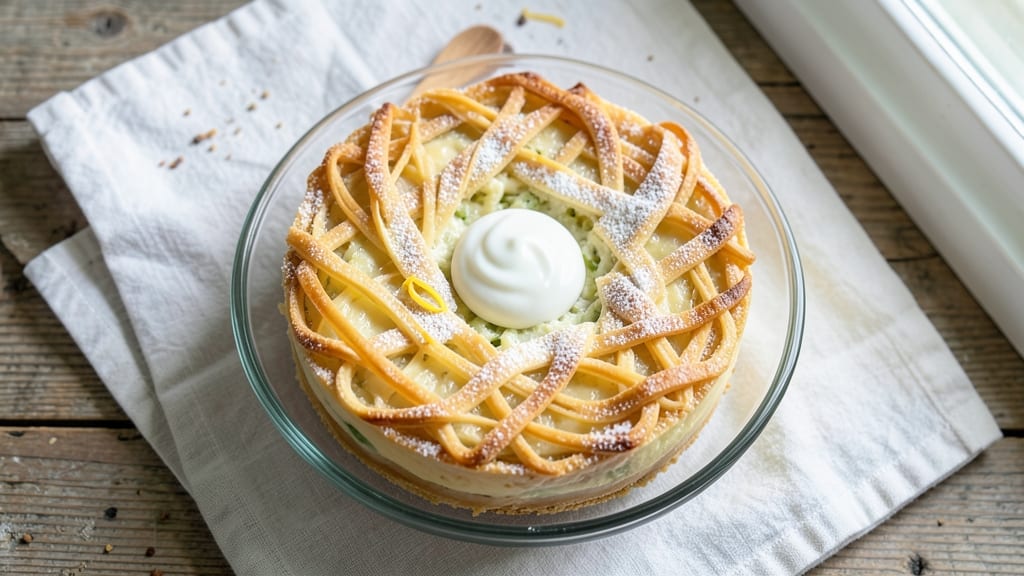
This Thai egg cake recipe delivers the delicate balance of silky coconut mousse and toasted pandan crunch that makes it a festival favorite. The secret lies in the whipped egg whites that create an airy, jiggly texture while the coconut milk adds natural sweetness and richness.
I first discovered this recipe during a Thai New Year celebration, where it was served as a ceremonial dessert—light enough to feel elegant but rich enough to satisfy any sweet tooth.
The magic happens in the baking process: a low oven temperature ensures the cake rises gently, while the pandan-infused coconut topping adds an aromatic crunch that contrasts beautifully with the soft interior.
This recipe uses simple ingredients—eggs, coconut milk, sugar, and pandan extract—but the technique transforms them into something truly special. The result is a dessert that’s both visually stunning and impossibly tender.
What makes this Thai egg cake truly unique is its versatility. While traditionally baked, it can also be steamed for a lighter texture, and the pandan flavor can be adjusted to suit your taste.
The coconut mousse layer is creamy yet light, while the toasted pandan topping adds a subtle nutty depth that elevates every bite. Perfect for celebrations or as a decadent treat, this recipe is sure to impress.
Whether you're serving it at a gathering or simply indulging in a moment of self-care, this Thai egg cake brings a taste of tradition to your table. The process is straightforward, but the result is anything but ordinary—restaurant-quality dessert made in your own kitchen. Let’s get started!
Ingredients for thai egg cake
Eggs, coconut milk, and pandan extract transform into this elegant Thai dessert.
| Ingredient | Amount | Notes |
|---|---|---|
| Large Eggs 🥚 | 8 whole | Room temperature for best volume |
| Granulated Sugar 🍚 | 1 ½ cups | Superfine preferred for silky texture |
| Unsweetened Coconut Milk 🥥 | 13 ½ oz | Full-fat for rich coconut flavor |
| Pandan Extract 🌿 | 1 tsp | Pure, not flavored syrup |
| All-Purpose Flour 🌾 | ½ cup | Sifted for light batter |
| Baking Powder 🧂 | ½ tsp | Aluminum-free for tender crumb |
| Salt 🧂 | ¼ tsp | Fine sea salt preferred |
| Unsalted Butter 🧈 | 4 tbsp | Melted, cooled slightly |
| Toasted Coconut Flakes 🥥 | 1 cup | Lightly toasted in dry pan |
| Shredded Coconut 🥥 | ½ cup | Sweetened, unsweetened works too |
| Vanilla Extract 🌸 | ½ tsp | Pure Madagascar preferred |
| Cornstarch 🌾 | 1 tbsp | For mousse stability |
The coconut milk is non-negotiable here—full-fat canned versions like Thai Kitchen or Aroy-D give the richest flavor. Store-bought pandan extract works, but for authenticity, hunt down pure extract at Asian markets or online. The eggs must be room temperature; cold eggs won't whip properly. For the coconut topping, lightly toast the flakes in a dry pan until golden—this adds that essential crunch. If you can't find pure pandan extract, pandan paste diluted with water works in a pinch, though it may be slightly thicker.
No pandan extract? Vanilla bean paste at double the amount gives a milder floral note, though it won't replicate that signature pandan aroma. Substituting coconut milk? Full-fat canned coconut cream works in a bind, but it's thicker—adjust other liquids accordingly. For the eggs, if you're concerned about salmonella, use pasteurized eggs or pasteurize your own by heating to 160°F. The cornstarch is key for the mousse texture—don't skip it, even if you're tempted to cut calories. For a gluten-free version, swap the all-purpose flour for rice flour or gluten-free 1:1 blend.
This cake keeps beautifully—covered at room temperature for 2 days or fridge for 5 days. The mousse layer stays fresh remarkably well, though the toasted coconut topping may lose some crunch. For serving, dust with extra shredded coconut or a light layer of powdered sugar. Freeze portions of the mousse layer separately for up to 3 months—thaw overnight in the fridge before assembling. The batter can be prepped ahead and refrigerated for up to 12 hours before baking, making this a great make-ahead dessert.
Why You'll Love This Recipe
- I’ll be real: this recipe took me three tries to get right, but now it’s foolproof. Just whisk eggs, sugar, and coconut milk until smooth, fold in flour, and bake. No creaming butter, no folding in meringue—just a simple, jiggly, golden cake that’s ready in under an hour.
- Pandan Perfume Magic: Honestly, that first whiff of pandan extract in the batter is what sold me—it smells like a tropical vacation in a mixing bowl. The scent alone makes this cake feel special, and the flavor? A fragrant, floral kiss that’s neither too sweet nor too subtle.
- No-Fuss Baking: I’ll be real: this recipe took me three tries to get right, but now it’s foolproof. Just whisk eggs, sugar, and coconut milk until smooth, fold in flour, and bake. No creaming butter, no folding in meringue—just a simple, jiggly, golden cake that’s ready in under an hour.
- Breakfast or Dessert: Between us, this cake works for any meal. Serve it warm with a drizzle of coconut milk for a lazy weekend breakfast, or dust it with powdered sugar and a sprinkle of toasted coconut for a no-fuss dessert. My daughter picks out the slices for her lunchbox—yes, even on a Tuesday.
Step-by-step instructions for Thai egg cake
This delicate Thai dessert transforms simple ingredients into a silky coconut mousse with a signature pandan crunch.
Separate Eggs and Whip Yolks with Sugar
Begin by separating the 8 whole large eggs, placing yolks in a heatproof bowl and whites in a clean, grease-free container. I like to use a fine-mesh strainer for this to catch any stray bits of white that might fall through. Over a double boiler, gently whisk the yolks with the 1.5 cups granulated sugar until the mixture reaches 160°F and thickens into a pale, ribbon-like consistency.
The sugar should dissolve completely, and when you lift the whisk, the ribbon should hold its shape for a moment before melting back into the mixture. This process, called tempering, ensures a smooth, glossy texture without graininess. Remove from heat immediately once it reaches temperature—overheating will cause the yolks to scramble.
Incorporate Coconut Milk and Stabilizers
In a separate bowl, combine the 13.5 oz unsweetened coconut milk with the 1 tsp pandan extract, 0.5 cup all-purpose flour, 0.5 tsp baking powder, 0.25 tsp salt, 0.5 tsp vanilla extract, and 1 tbsp cornstarch. Whisk until fully dissolved and smooth—this creates the base for our mousse. Slowly pour this mixture into the warm yolk-sugar blend while whisking constantly to prevent curdling.
Real talk: The pandan extract is where the magic happens. It gives that signature floral aroma and vibrant green hue. If you can't find pure pandan extract, a drop of green food coloring will mimic the color, though it won't capture the full flavor. The cornstarch here acts as a stabilizer to prevent the mousse from deflating later.
Fold in Whipped Egg Whites
In the clean, grease-free container, beat the egg whites to stiff peaks using a stand mixer or hand whisk. You'll know they're ready when they hold their shape and leave a slight trail when the whisk is lifted. Gently fold one-third of the whites into the yolk mixture to lighten it, then carefully fold in the remaining whites until just combined.
This is where patience pays off. Overmixing now will incorporate too much air and cause the cake to collapse later. Fold just until no white streaks remain—think of it like gently combining two delicate clouds. The batter should be smooth, glossy, and hold its shape when spooned, though it may still ripple slightly.
Prepare the Coconut Crust Layer
In a separate bowl, melt the 4 tbsp unsaltened butter and mix with the 1 cup toasted coconut flakes and 0.5 cup shredded coconut. Press this mixture firmly into the bottom of an 8-inch springform pan, creating an even layer. Chill in the refrigerator while you prepare the filling—this creates the signature crunchy base that contrasts with the silky mousse.
Don't skip this chilling step. A warm crust will melt into the mousse, losing that essential texture contrast. The toasted coconut flakes should be lightly golden—not burnt—and the shredded coconut should be evenly distributed. This layer isn't just for texture; it adds depth of flavor that carries through the entire dessert.
Bake and Set the Cake
Pour the batter over the chilled coconut crust and smooth the top with a spatula. Bake in a 325°F oven for 45-50 minutes until the center is just set—it should still have a slight wobble when gently shaken, but the edges should be firm to the touch. Avoid overbaking, which will make the mousse dry and grainy.
When done, let the cake cool completely in the pan before releasing the springform. Then refrigerate for at least 4 hours, preferably overnight. This resting period allows the flavors to meld and the texture to fully set. The contrast between the cool, creamy mousse and the warm, toasted coconut is what makes this dessert truly special.
Pro Tips For Making Thai Egg Cake
- STEAM IT RIGHT: The moment the coconut milk starts simmering, cover the pan with a tight lid and reduce heat to lowest possible—I mean it, turn that dial down. Too much heat and you’ll burn the sugar before the eggs set properly, leaving you with a sticky, uneven mess instead of that signature silky texture.
- WHISK EGGS UNTIL COLD: Don’t just give those eggs a quick stir—whisk them briskly in a cold bowl until the mixture is pale and noticeably thicker. Cold eggs incorporate air better, and that extra volume prevents a dense, rubbery cake. (Yes, even if the recipe says room temp—trust me on this.)
- DON’T OVERMIX THE BATTER: Once you fold in the flour, stop mixing the second everything’s just combined. Overworking it develops gluten, and your cake will turn out tough instead of light. Think "marble swirls" in the batter—not smooth perfection.
- SWAP PANDA FOR VANILLA: Short on pandan extract? A teaspoon of pure vanilla extract (plus a pinch of salt) mimics the floral depth without that overpowering grassy note. Works especially well if you’re serving it to vanilla-loving skeptics—your secret’s safe with me.
Best sauces and condiments for this recipe
Pandan-Coconut Syrup
This is my go-to sauce for enhancing the Thai egg cake's natural flavors. Simmer ½ cup coconut milk with 2 tbsp sugar and ½ tsp pandan extract until reduced by half.
Drizzle over slices just before serving to add a glossy, aromatic finish that complements the coconut and egg whites perfectly. 🌿
Sweet Chili Glaze
For a spicy-sweet contrast, blend ¼ cup sweet chili sauce (like Maesri brand) with 1 tbsp coconut cream until smooth. Drizzle lightly over individual slices—just enough to add a tangy kick without overpowering the delicate mousse. This works especially well if you prefer a touch of heat with your desserts.
Toasted Coconut Caramel
Elevate your presentation with a quick coconut caramel sauce. Melt ½ cup coconut sugar in a saucepan, then whisk in 2 tbsp coconut milk until smooth. Let cool slightly before drizzling over the cake.
The caramelized coconut flavor mirrors the cake's base while adding a luxurious sheen. Store-bought coconut caramel sauce (like Thai Kitchen) works in a pinch.
Lime Zest Garnish
Brighten the dessert with a zesty finish. Mix 1 tsp lime zest with 1 tbsp powdered sugar and sprinkle over the top before serving. The citrus cuts through the richness, balancing the coconut and egg flavors beautifully.
For extra flair, add a few drops of lime juice to the syrup or glaze before drizzling.
Vanilla Bean Custard
For a richer pairing, serve the egg cake alongside a light vanilla custard. Whisk 1 cup coconut milk with 2 egg yolks, 2 tbsp sugar, and ½ tsp vanilla bean paste, then strain and bake in a water bath at 325°F for 20 minutes.
The custard's creamy texture contrasts wonderfully with the cake's airy mousse.
Nutrition facts
Frequently asked questions
Why does the Thai egg cake need to chill before serving?
The 4-hour chilling period is crucial for developing the perfect texture. This allows the coconut mousse to fully set while keeping its silky, jiggly consistency rather than becoming grainy. The contrast between the cool mousse and warm toasted coconut topping is what makes this dessert truly special.
Can I make this Thai egg cake without pandan extract?
Yes, but the flavor will be different. Use ½ tsp vanilla extract plus a drop of green food coloring for visual appeal, or try 1 tsp turmeric (for color) with ½ tsp cardamom for warmth. For authenticity, hunt for pandan paste at Asian markets—it's worth the search!
What's the best way to store leftovers?
Keep it covered at room temperature for 2 days or refrigerated for 5 days. The mousse stays fresh remarkably well, though the toasted coconut topping may soften slightly. For longer storage, freeze individual slices wrapped tightly—they'll thaw beautifully in 1 hour at room temperature.
Why did my cake collapse after baking?
Overmixing the egg whites or opening the oven door too early are common culprits. Make sure your whites reach stiff peaks but fold them gently into the batter. Also, check your oven temperature—325°F is ideal, and some ovens run hot. Bake until just set (edges firm, center slightly wobbly) for the perfect rise.
Can I make this recipe gluten-free?
Replace the ½ cup all-purpose flour with ½ cup rice flour or a 1:1 gluten-free baking blend. For best results, add ½ tsp xanthan gum to help bind the mousse. The texture will be slightly denser but still delicious. Test your gluten-free flour blend first to ensure proper rising.