
Breakfast & Brunch
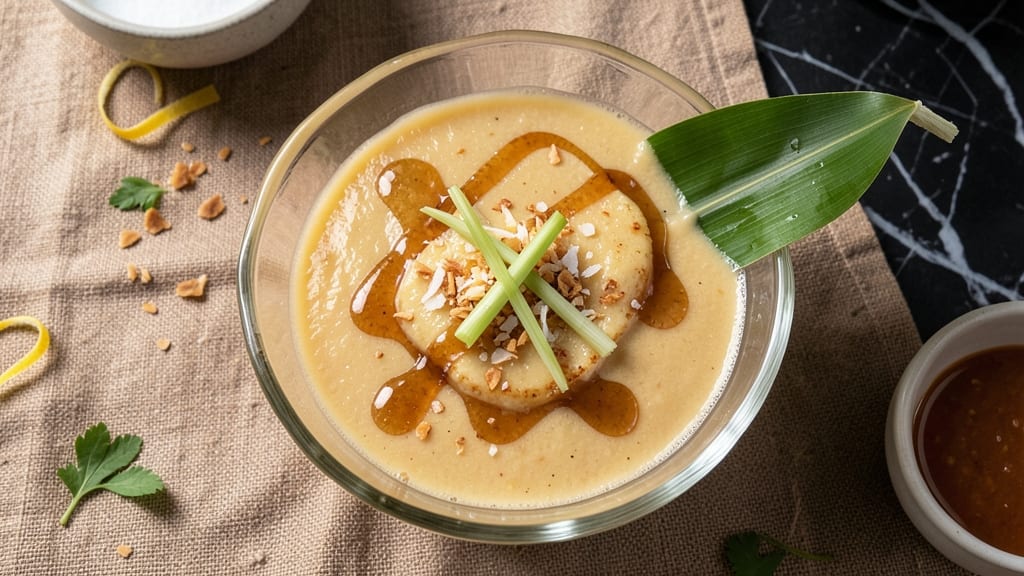
This Thai egg custard recipe transforms simple ingredients into a velvety, fragrant dessert that captures the essence of Thailand's street food culture. The silky coconut cream base infuses with lemongrass and pandan, creating layers of tropical aroma that linger with every bite.
I first discovered this recipe during a visit to Bangkok, where vendors served it piping hot in small clay pots—now you can recreate that magic in your own kitchen.
The secret lies in balancing sweet and fragrant elements: coconut milk provides richness, while pandan leaf and vanilla extract deliver that signature Thai floral note. A light dusting of toasted coconut and lime zest adds both visual appeal and bright contrast to the creamy custard.
Unlike traditional custards, this version uses a gentle steaming method that ensures perfect texture without curdling.
What makes this recipe special is how it delivers restaurant-quality results with minimal effort—just 30 minutes of preparation followed by 20 minutes of steaming. The custard emerges with a delicate, jiggly center that melts in your mouth, while the edges develop a subtle caramelized depth from the coconut milk.
It's the perfect balance of simplicity and sophistication for any brunch or dessert menu.
Serve it warm with a sprinkle of toasted coconut and lime zest for that authentic street food experience, or chill it slightly for a refreshing afternoon treat. The versatility of this recipe means it works equally well as a standalone dessert or paired with fresh tropical fruit.
Let's create this fragrant coconut custard together—your taste buds will thank you.
Ingredients for thai egg custard
Simple yet sophisticated ingredients blend tropical aromas with creamy texture for this Thai-inspired dessert.
| Ingredient | Amount | Notes |
|---|---|---|
| Large Eggs 🥚 | 6 whole | Room temperature preferred |
| Coconut Milk 🥥 | 1 can | Full-fat, unsweetened (13.5 oz) |
| Granulated Sugar 🍚 | ½ cup | Superfine preferred for smooth texture |
| Pandan Leaf 🌿 | 1 whole | Fresh or dried, tied in cheesecloth |
| Lemongrass 🌱 | 3 stems | White parts only, finely chopped |
| Vanilla Extract 🍯 | 1 tbsp | Pure, high-quality preferred |
| Unsalted Butter 🧈 | 2 tbsp | Cold, cubed for topping |
| Toasted Coconut Flakes 🥥 | ¼ cup | Lightly toasted for garnish |
| Lime Zest 🍋 | 1 tbsp | Freshly grated for brightness |
| Salt 🧂 | ¼ tsp | Fine sea salt for balance |
| Cornstarch 🌾 | 1 tbsp | For silky texture |
| Heavy Cream 🥛 | ½ cup | For extra richness |
The coconut milk is non-negotiable here—full-fat canned coconut milk from Thai brands like Aroy-D (available at Asian markets) delivers the best flavor. If you can only find light coconut milk, use it but add an extra 0.25 cup of heavy cream for richness. The pandan leaf is the secret to that signature floral aroma—fresh is ideal, but dried works too if you steep it in warm water for 10 minutes first. Lemongrass should be vibrant green with no brown spots, and you only need the tender white bottom parts. Trader Joe's carries pre-trimmed lemongrass if you're short on time.
No pandan leaf? Vanilla bean paste or extra vanilla extract (2 tbsp total) will get you close, though the flavor profile shifts slightly. Substituting coconut milk? Full-fat canned coconut cream works best, but it's thicker—thin with a splash of water if needed. The butter topping is optional but adds a lovely caramelized contrast when toasted. For the sugar, superfine dissolves faster, but regular granulated works fine if you pulse it in a food processor first. The lime zest needs to be freshly grated—bottled zest lacks the bright punch.
Prep ahead by mixing all dry ingredients (sugar, cornstarch, salt) in one bowl and whisking eggs with coconut milk in another. This keeps for 2 days in the fridge before steaming, though it's best made fresh. The custard can be served immediately or chilled for up to 3 days—reheat gently in a double boiler. For make-ahead convenience, portion into small ramekins before steaming, then cover tightly. The toasted coconut flakes should be stored in an airtight container and kept at room temperature for up to 2 weeks.
Why You'll Love This Recipe
- No-Fuss Ingredients: I swear by this recipe because it uses things I already have—eggs, coconut milk, and a touch of sugar. Honestly, the pandan leaf and lemongrass sound fancy, but they’re just for aroma; you could even skip them if you’re in a rush.
- Creamy, Fragrant Magic: That first spoonful of custard—silky, lightly sweetened with coconut—hits different. The pandan leaf gives it this subtle floral note, while the lemongrass adds a bright, herbal kick that makes it taste like a vacation in a bowl.
- Leftovers? Even Better: I make a big batch on Sundays, and it lasts all week. Cold custard is just as good—sometimes even better—when you reheat it gently. (Yes, even on a Tuesday night when you’re exhausted.)
- Budget Buster: Eggs and coconut milk are cheap, and this recipe stretches them far. Between us, I’ve turned a single can of coconut milk into three servings of custard, and no one complains—especially when it’s paired with toast or fruit.
Step-by-step instructions for Thai egg custard
Create restaurant-quality Thai egg custard with velvety texture and aromatic lemongrass notes.
Prepare the Aromatic Base
In a medium saucepan, combine the 1 can coconut milk, 3 stems lemongrass (finely chopped), 1 whole pandan leaf (tied in cheesecloth), 0.5 cup granulated sugar, and 0.25 tsp salt. Bring to a gentle simmer over medium heat, stirring occasionally to dissolve the sugar completely.
Simmer for 10 minutes until the mixture reduces slightly and the coconut milk begins to thicken. The aroma should be fragrant with hints of lemongrass and pandan. Remove from heat and let steep for 5 minutes to infuse the flavors fully. This step builds the custard's signature aromatic foundation.
Whisk the Egg Mixture
In a separate bowl, whisk together the 6 whole large eggs until well combined. Gradually whisk in the 0.5 cup heavy cream and 1 tbsp vanilla extract until smooth. In a small bowl, mix the 1 tbsp cornstarch with 2 tablespoons cold water to create a slurry.
Slowly pour the warm coconut milk mixture into the egg mixture while whisking constantly. This tempering process prevents the eggs from scrambling. The mixture should be smooth and slightly thickened. Add the cornstarch slurry and whisk until fully incorporated. The custard should now have a glossy, creamy consistency.
Strain and Pour into Molds
Strain the custard mixture through a fine-mesh sieve into a clean bowl to remove any lemongrass fibers and pandan leaf. This ensures a silky texture without any gritty elements. Pour the custard into 4 ramekins or small heatproof dishes, filling each about ¾ full. The custard should be level and smooth.
Place the ramekins in a deep baking dish and pour hot water into the dish until it reaches midway up the sides of the ramekins. This water bath creates gentle, even heat for perfect custard texture. Let the custard sit at room temperature for 10 minutes before proceeding to the next step.
Bake to Silky Perfection
Preheat your oven to 325°F. Place the baking dish with the custard ramekins inside and bake for 35-40 minutes. The custard is done when the edges are set but the centers still have a slight wobble—this indicates a creamy texture rather than a firm one.
To test doneness, gently shake the ramekin—the custard should move slightly but not be completely liquid. Remove from the oven and let cool at room temperature for 10 minutes. This gradual cooling prevents cracking as the custard sets.
Finish and Serve
Run a knife around the edges of each custard to loosen them from the ramekins. Invert onto serving plates, then sprinkle generously with 0.25 cup toasted coconut flakes and 1 tbsp lime zest. Dot the top with 2 tbsp cold unsalted butter cubes for extra richness.
Serve immediately while still warm. The custard should have a smooth, velvety texture with a delicate balance of sweetness, coconut aroma, and citrus brightness. Each bite should reveal the fragrant lemongrass and pandan notes beneath the creamy surface.
Pro Tips For Making Thai Egg Custard
- WHISK EGGS COLD: Crack eggs straight into the coconut milk mixture while it’s still cool—this keeps them from scrambling into curds. I used to dump in room-temperature eggs and ended up with a lumpy, sad custard every time. The cold shock stabilizes the proteins until the heat does its work.
- STRAIN THE COCONUT MILK: Line a fine-mesh sieve with cheesecloth and strain the coconut milk before using—even if it looks smooth. The fibrous bits from canned milk can make your custard grainy, and no one wants that texture fighting with the silky finish. Takes two minutes, saves you from disappointment.
- LOW AND SLOW ONLY: Simmer the custard at the gentlest bubble possible—think lazy ripples, not rolling boil. I’ve burned three batches trying to rush it, and the result is always a skin on top and a rubbery center. If you’re not patient, use a double boiler instead.
- BLANCH THE PANDA LEAF: Tear the pandan leaf, tie it in cheesecloth, and drop it into boiling water for 30 seconds before adding to the custard. This softens the fibers so they infuse flavor without turning your custard into a leafy mess. (Yes, I’ve fished out chunks before—don’t be like me.)
Troubleshooting your thai egg custard
Custard Curdled?
If your custard looks grainy or curdled, it likely cooked too fast or the eggs weren't tempered properly. Always whisk the warm coconut milk into the eggs gradually while stirring constantly to prevent scrambling.
For extra insurance, strain the mixture through a fine-mesh sieve before pouring into ramekins—this removes any potential curdling agents. 💡
Not Setting Properly?
A custard that stays too liquidy usually means it didn't cook long enough or the oven temperature was too low. Aim for 325°F and bake until the edges are set but centers still jiggle slightly.
If your custard isn't setting at all, try adding 1 extra tablespoon of cornstarch next time and whisking it in thoroughly. The water bath should reach halfway up the ramekins—never higher—to ensure even heat distribution.
Overly Dry Texture?
Dry custard often results from overbaking or using too much cornstarch. The moment the edges set but centers still wobble is perfect—overcooking by even 5 minutes can turn your silky custard into a dry pudding.
For extra moisture, reduce the cornstarch to 1 tablespoon total and increase the heavy cream to ¾ cup instead. Always use full-fat coconut milk for optimal creaminess.
Weak Lemongrass Flavor?
The fragrant notes might be muted if the lemongrass wasn't chopped finely enough or steeped long enough. For maximum infusion, chop the white lemongrass parts very finely (almost like a paste) and simmer the coconut milk for the full 10 minutes before straining.
If using dried pandan, steep it in warm water for 10 minutes before adding to the coconut milk. A splash of 1 teaspoon of pandan extract (found in Asian markets) can also boost the aroma.
Butter Not Browning?
For that beautiful caramelized butter topping, use cold butter cubes and place them directly under the broiler for 2-3 minutes at the very end.
If your oven doesn't have a broiler, transfer the ramekins to a stovetop skillet over medium-low heat and watch closely—the butter should turn golden brown in about 5 minutes. Never skip the cold butter step, as room-temperature butter won't brown properly.
Nutrition facts
Frequently asked questions
Can I make this Thai egg custard without pandan leaf?
While pandan leaf gives that signature floral aroma, you can substitute with 1 teaspoon pandan extract or 2 tablespoons extra vanilla extract. For a different twist, add ½ teaspoon cardamom powder or 1 teaspoon rose water—both work beautifully in Thai desserts. The texture will remain the same, just the flavor profile shifts slightly.
How do I know when the custard is fully cooked?
The custard is ready when the edges are set but the center still has a slight wobble when gently shaken. For perfect results, aim for 35-40 minutes at 325°F—any longer risks drying it out. A toothpick inserted should come out clean with no wet batter clinging to it, but the center should remain creamy, not firm.
Can I use this recipe for individual servings?
Yes! Simply divide the custard mixture into 6-8 small ramekins (2-3 oz each) instead of 4. Adjust baking time to 25-30 minutes—the smaller size cooks faster. These make perfect single servings for brunch or dessert parties. For extra presentation, use mini muffin tins lined with parchment cups.
Why does my custard have a strong coconut smell but no flavor? This usually happens when the coconut milk wasn't infused properly.
How long can I store leftover custard?
Store custard in an airtight container in the fridge for up to 3 days. For best texture, reheat gently in a double boiler until warmed through. You can also freeze it for up to 1 month—thaw overnight in the fridge before reheating. The texture may become slightly grainier after freezing, but it's still delicious!