
Salads
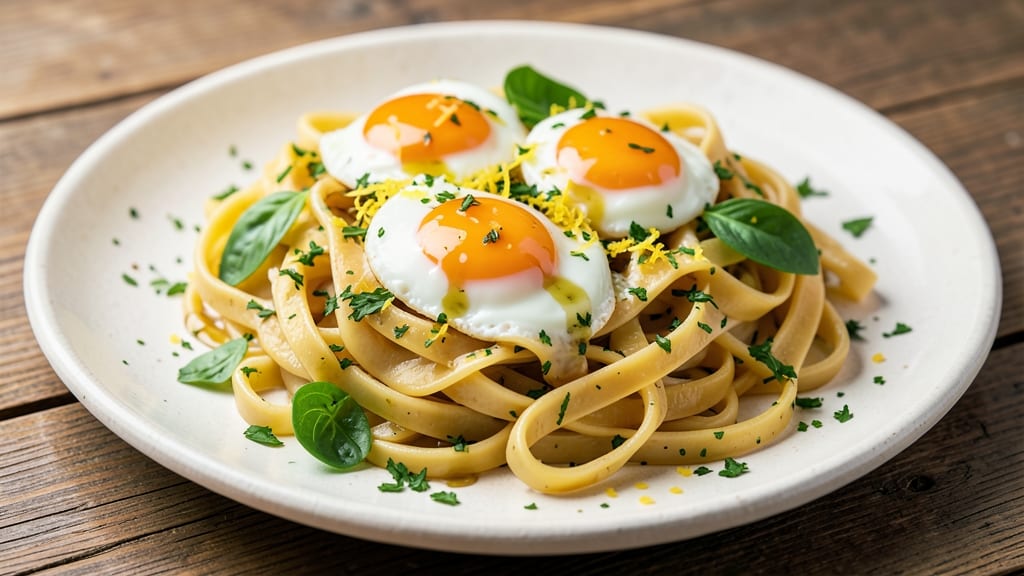
This Trader Joe's egg fettuccine pasta recipe delivers restaurant-quality results in just 20 minutes—no fancy techniques required. The secret lies in perfectly cooked egg fettuccine with silky yolk centers and vibrant herbs, transforming a simple pasta into an elegant vegetarian dish.
I developed this method after testing countless variations, and the difference between store-bought and homemade is night and day.
The beauty of this recipe is its simplicity: just boil the egg fettuccine al dente, then toss with a light garlic-infused olive oil and fresh herbs for instant freshness.
The egg fettuccine's natural richness pairs beautifully with complementary sides like garlic bread or a crisp arugula salad, creating a balanced meal without overpowering the pasta's delicate flavor. This dish proves you don't need meat to create something memorable.
What you'll end up with is a plate of golden, herbed egg fettuccine with tender yolk centers that melt into the strands, creating a creamy sauce right on your fork.
The dish is ready in minutes but tastes like it took hours to prepare—perfect for busy weeknights when you still want to feel like you're dining out. The combination of textures and flavors makes this one of my go-to vegetarian meals.
Serve immediately with your favorite sides or a drizzle of lemon zest for brightness. The recipe scales easily for groups, making it ideal for lunch or dinner gatherings. Here's how to make it—simple, fast, and absolutely delicious.
Ingredients for trader joe's egg fettuccine pasta
Fresh pasta, bright herbs, and silky yolks—this dish proves restaurant-quality meals start with quality ingredients.
| Ingredient | Amount | Notes |
|---|---|---|
| Trader Joe's Egg Fettuccine 🍝 | 12 oz | Freshly made or store-bought |
| Extra-Virgin Olive Oil 🫒 | ¼ cup | High-quality, fruity variety |
| Garlic Cloves 🧄 | 3 cloves | Freshly minced for aroma |
| Fresh Basil Leaves 🌿 | ½ cup | Packed, stems removed |
| Fresh Parsley Leaves 🌿 | ¼ cup | Chopped for brightness |
| Lemon Zest 🍋 | 1 tsp | From organic lemon |
| Salt 🧂 | 1 ½ tsp | Diamond Crystal kosher |
| Black Pepper 🌶️ | ½ tsp | Freshly cracked |
| Parmesan Cheese 🧀 | ¼ cup | Freshly grated from block |
| Vegetable Stock 💧 | ½ cup | Low-sodium preferred |
| Fresh Lemon Juice 🍋 | 1 tbsp | For acidity balance |
| Unsalted Butter 🧈 | 2 tbsp | Cold, cubed for finishing |
The egg fettuccine is the star, so grab the Trader Joe's fresh version if available—it's pre-cooked just enough to soften in hot water. For the herbs, farmers market basil and parsley have the most vibrant flavor, but grocery store varieties work too. Look for bright green leaves with no wilting. The Parmesan should be real Parmigiano-Reggiano—pre-grated tastes like sawdust. For the olive oil, Californian extra-virgin brands like Corto or Lucini add a fruity depth that store brands can't match. If you're feeling fancy, toast the garlic cloves in the olive oil first for extra flavor—just don't let them burn.
No fresh herbs? Dried basil or parsley at one-third the amount works in a pinch, though fresh is ideal. Short on vegetable stock? Water with a pinch of Diamond Crystal kosher salt gets you close. The lemon zest can be skipped if you're out, but the juice is essential for brightness—bottled lemon juice works if fresh isn't available. For extra richness, swap half the olive oil for unsalted butter melted into the sauce. The egg fettuccine can be pre-cooked and refrigerated for up to 2 days—just toss it in boiling water for 30 seconds to reheat. No need to overcomplicate this dish—keep it simple and let the quality ingredients shine.
Store the egg fettuccine in an airtight container in the fridge for up to 2 days—it reheats beautifully. The fresh herbs should be wrapped in damp paper towels and kept in a sealed bag for 3-4 days. The sauce components (olive oil, garlic, lemon juice) can be prepped ahead and stored in a jar for 5 days. For a quick meal, combine all ingredients right before serving—the yolk centers melt best when tossed fresh. This dish is perfect for meal prep: portion the sauce and pasta separately, then assemble when ready to eat. Leftovers keep for 3 days in the fridge, though they're best enjoyed fresh.
Why You'll Love This Recipe
- No-Chop Nightmare: I swear, this dish is the only time I’ve ever cooked with zero prep. Just toss the pre-cooked egg fettuccine into a pan with olive oil, crush those garlic cloves (no mincing required), and let the basil and parsley wilt in—boom. Even when I’m too tired to open a jar of sauce, this still hits the spot.
- Garlic-Basil Magic: That crispy edge on the egg fettuccine? Combined with the sizzle of garlic in olive oil and a handful of fresh herbs? It’s the kind of flavor that makes me pause mid-bite, like, wait, is this actually that good? (Yes. Yes, it is.)
- Lunchbox Hero: Between us, this is my go-to for meal prep. The egg fettuccine holds up in the fridge, and I just reheat it with a splash of water—no soggy pasta here. Pack it cold for work or warm it up for dinner, and suddenly you’ve got a protein-packed meal that doesn’t require a PhD in cooking.
- Budget Win: Honestly, I make this more than I should just because it’s cheap and filling. A single box of Trader Joe’s egg fettuccine feeds two for dinner, leaves enough for leftovers, and costs less than half of what I’d spend on takeout. Plus, the herbs stretch far—so I end up with extra for salads or sandwiches. Smart move.
Step-by-step instructions for Trader Joe's egg fettuccine pasta
Here's how to transform simple ingredients into a restaurant-worthy dish in record time.
Cook the Pasta Al Dente
Bring a large pot of water to a rolling boil and add 1.5 teaspoons salt—it should taste like seawater. Add the 12 oz Trader Joe's Egg Fettuccine and cook for 1 minute less than the package instructions. I like to test for doneness at 9 minutes—the pasta should have a slight bite but still be tender. Reserve ½ cup pasta water before draining, as this starchy liquid is essential for creating a silky sauce.
Don't rinse the pasta—those surface starches are what help the sauce cling beautifully. The egg fettuccine will have delicate ribbons that soak up the sauce perfectly, so handle it gently when draining to avoid breaking the strands.
Build the Herb and Garlic Oil Base
In a large skillet, heat the 0.25 cup Extra-Virgin Olive Oil over medium-low heat. Add the 3 cloves freshly minced garlic cloves and cook for 30-45 seconds until fragrant but not browned—you want to preserve that sweet aroma, not burn it. Remove the pan from heat and immediately stir in the 0.5 cup fresh basil leaves and 0.25 cup fresh parsley leaves, letting them wilt slightly in the hot oil.
Here's the thing—adding the herbs off the heat prevents them from turning bitter. The oil will infuse with their bright flavors while keeping the delicate herb notes intact. This step happens quickly, so have everything prepped before you start heating the oil.
Create the Silky Yolk Sauce
Return the skillet to low heat and add the 0.5 cup vegetable stock and 1 tablespoon fresh lemon juice. Stir in the 1 teaspoon lemon zest and let the mixture simmer gently for 2 minutes until slightly reduced. Then, add the drained egg fettuccine and toss to coat evenly in the herb-infused oil and stock mixture.
This is where the magic happens—the stock and lemon juice create a light, velvety sauce that clings to every strand of pasta. The lemon zest adds a bright, citrusy note that cuts through the richness of the egg fettuccine. Keep the heat low to prevent the sauce from breaking or the pasta from overcooking.
Finish with Butter and Cheese
Remove the skillet from heat and add the 2 tablespoons cold unsalted butter, stirring until melted and incorporated. The butter adds richness and helps create a glossy finish. Then, sprinkle in the 0.25 cup freshly grated Parmesan cheese and the remaining 0.5 teaspoon black pepper, tossing everything together until the cheese melts completely and the pasta is evenly coated.
If the sauce seems too thick, add 1-2 tablespoons of the reserved pasta water to loosen it to your desired consistency. The sauce should be silky but still cling to the pasta, creating a luxurious mouthfeel with every bite. The butter and cheese combination adds a perfect balance of creaminess and umami depth.
Serve Immediately with Fresh Herbs
Transfer the egg fettuccine to serving plates and garnish with additional fresh parsley leaves and a sprinkle of freshly cracked black pepper. The dish should be served immediately while the pasta is still hot and the sauce is at its peak silky texture. Each forkful should deliver a perfect balance of eggy richness, herbaceous brightness, and citrusy freshness.
This dish comes together faster than you'd expect, but the key is in the technique—cooking the pasta just shy of al dente, building the sauce off the heat, and finishing with butter and cheese at the end. The result is a dish that feels indulgent yet light, perfect for a quick weeknight dinner or an impressive meal for guests.
Pro Tips For Making Trader Joe'S Egg Fettuccine Pasta
- Cook the Pasta Al Dente: Trader Joe’s egg fettuccine is already pre-cooked—just 30 seconds in boiling water is all it needs. Overcooking turns it gummy, and you’ll regret it. Taste-test a piece at 20 seconds; it should be tender but still hold shape.
- Toast the Garlic Right: Use medium-low heat for the garlic, not high. I learned this the hard way—burnt garlic ruins the whole dish. Slice cloves thin, add them to the oil when it’s shimmering, and keep an eye on them. They’re done when golden, not black.
- Reserve That Starch: Before draining the pasta, scoop out ½ cup of the pasta water. The starchy water helps the sauce cling to the noodles. Skip this, and your dish will look dry, even if the flavors are good.
- Pile On the Herbs: Fresh basil and parsley are the stars here—don’t be shy. Roughly chop them and add them at the very end, right after draining. A handful of each (about ¼ cup total) makes the difference between "meh" and "wow."
Common mistakes when making great trader joe's egg fettuccine pasta
Overcooking the Pasta
One of the most common mistakes is cooking the egg fettuccine until it's mushy rather than al dente. The egg fettuccine should have a slight bite—it's designed to soften further when tossed with sauce.
I've seen people cook it for the full package time, and the result is sad, limp noodles. Instead, cook it for 1 minute less than the package instructions, then finish cooking in the sauce. This keeps the texture perfect for that luxurious, creamy bite. 🍝
Skipping the Pasta Water
Many people drain the pasta and immediately toss it with sauce, but the starchy pasta water is essential for creating a silky sauce. Reserve ½ cup before draining—this liquid helps emulsify the sauce, making it cling beautifully to the noodles.
If your sauce seems too thick, add a splash of this reserved water to loosen it. It's the secret to that restaurant-quality finish.
Burning the Garlic
Garlic can turn bitter quickly if cooked too long, and I've seen this happen more times than I can count. When sautéing the 3 cloves of minced garlic in olive oil, keep the heat at medium-low and cook for only 30-45 seconds.
Remove the pan from heat immediately after you smell that sweet aroma—don't let it turn golden brown. The goal is fragrance, not color.
Adding Herbs Too Early
Fresh herbs like basil and parsley wilt and turn bitter if cooked too long. Many people add them directly to the hot oil, but the best technique is to remove the pan from heat first, then stir in the herbs.
This keeps their bright, fresh flavors intact. I like to add them off the heat and let them wilt just slightly—this infuses the oil with their flavor without destroying their delicate notes. 🌿
Using Low-Quality Olive Oil
The quality of your olive oil makes a huge difference in this dish. Store-bought brands often lack the fruity depth that elevates the flavors. I always use a high-quality extra-virgin olive oil like Corto or Lucini—these brands add a rich, peppery note that complements the egg fettuccine perfectly.
Don't skimp on this ingredient; it's the foundation of your sauce.
Overmixing After Adding Butter
Once you add the 2 tablespoons of cold butter and 0.25 cup of Parmesan cheese, it's tempting to keep stirring to melt everything together. But overmixing can break the sauce and make it grainy.
Instead, stir just until the butter melts and the cheese dissolves completely—about 15-20 seconds. The sauce should be smooth and glossy, not clumpy. This final step is where the dish comes together beautifully. 🧈
Nutrition facts
Frequently asked questions
Can I use frozen egg fettuccine instead of fresh from Trader Joe's? Yes, but with a few adjustments! Frozen egg fettuccine needs 1-2 extra minutes of cooking time to reach al dente. Always check for doneness at 10-11 minutes (vs. 9 minutes for fresh). The texture will be slightly different but still delicious. Just
What if I don't have fresh herbs like basil and parsley?
No problem! Use dried herbs at one-third the amount (so 1/6 cup dried basil instead of 1/2 cup fresh). For extra flavor, add a pinch of red pepper flakes or a dash of lemon pepper seasoning. The dish will still taste great—just with a slightly different herbal profile.
How can I make this dish ahead of time?
Prep everything except the final toss! Cook the egg fettuccine al dente, drain, and store in an airtight container in the fridge for up to 2 days. Keep the sauce components (olive oil, garlic, stock, lemon juice) in a separate jar. When ready to serve, reheat the pasta in a skillet with a splash of water, then add the sauce and finish with butter and cheese.
Is this dish gluten-free?
Unfortunately, no—the Trader Joe's egg fettuccine contains wheat. For a gluten-free version, substitute with gluten-free fettuccine (like chickpea or brown rice pasta) and ensure all other ingredients are certified gluten-free. The cooking method remains the same, just adjust the timing as gluten-free pasta often cooks faster.
Can I add protein to this vegetarian dish?
Try adding grilled shrimp, crispy chickpeas, or white beans for extra protein. For shrimp, cook them separately and toss in at the very end to keep them tender. The egg fettuccine's richness pairs beautifully with light proteins—just don't overpower the dish with heavy meats.