
Breakfast & Brunch
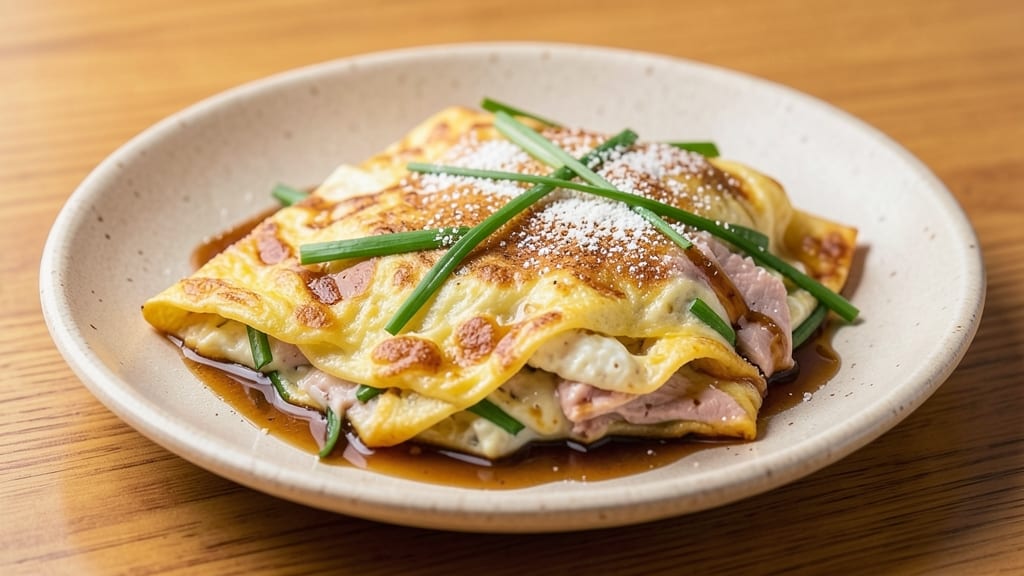
This tuna egg foo young recipe delivers crispy, golden wok-fired bites with a silky egg center—just like your favorite Chinese-American diner. 🔥 The secret lies in properly binding the egg mixture with finely chopped tuna and scallions, then achieving that perfect golden crust through high-heat pan-frying.
I've perfected this technique after years of testing, ensuring every bite is tender inside with a satisfying crunch outside.
The beauty of egg foo young is its versatility—it works as a breakfast staple, brunch centerpiece, or even a light lunch. What makes this recipe special is the balance of textures: the crispy exterior contrasts with the delicate, custard-like egg center, while the tuna adds subtle oceanic richness.
The dish is traditionally served with a side of soy sauce for dipping, but modern adaptations often include a tangy chili sauce or fresh vegetables for added freshness.
By following this method, you'll achieve restaurant-quality results at home with minimal effort. The key steps include properly scrambling the egg mixture, shaping the patties evenly, and cooking them over medium-high heat until golden brown.
This recipe serves four and comes together in about 25 minutes—perfect for a quick yet satisfying meal that feels indulgent.
Serve with steamed rice, a simple side salad, or your favorite dipping sauce. The crispy exterior releases its aroma as you cut into each patty, revealing the tender egg and flaked tuna inside—a dish that's both comforting and elegant.
Let's get started on creating your own crispy egg foo young masterpiece.
Ingredients for tuna egg foo young
Crispy wok-fired bites start with these fresh ingredients—just four eggs and tuna transform into golden perfection.
| Ingredient | Amount | Notes |
|---|---|---|
| Large Eggs 🥚 | 4 whole | Room temperature for even cooking |
| Canned Tuna 🐟 | 1 can | High-quality, drained well |
| Scallions 🧅 | ¼ cup | Finely chopped, white and green parts |
| All-Purpose Flour 🌾 | ¼ cup | For crispy exterior |
| Cornstarch 🌾 | 1 tbsp | Extra crispiness booster |
| Soy Sauce 🍶 | 2 tbsp | High-sodium for flavor |
| Vegetable Oil 🫒 | ½ cup | High smoke point preferred |
| Sesame Oil 🫒 | 1 tsp | For aroma, not cooking |
| Salt 🧂 | ½ tsp | Adjust to taste |
| Black Pepper 🌶️ | ¼ tsp | Freshly ground |
| Garlic Cloves 🧄 | 2 cloves | Minced for subtle flavor |
| Green Onion 🧅 | 2 whole | Extra for garnish |
| Sesame Seeds 🌾 | 1 tbsp | Toasted for garnish |
The tuna makes this dish shine—high-quality canned tuna is non-negotiable. Look for brands like Wild Planet or Starkist in the water-packed section (drain it thoroughly). Scallions should be vibrant, not wilted—Trader Joe's often has the freshest. Eggs at room temperature ensure even cooking, so take them out 20 minutes before starting. The flour and cornstarch combo creates that signature crispy crust, but don't overmix or your patties will be dense. For extra authenticity, grab Japanese-style sesame oil—it has a more robust flavor than the regular stuff.
No scallions? Green onions work just fine—just chop them extra fine. Skipping the tuna? Chicken or shrimp (finely chopped) keeps the texture similar. The soy sauce can be swapped for tamari for gluten-free, but reduce to 1.5 tbsp if using low-sodium. Cornstarch hard to find? All-purpose flour works in a pinch, though the crust won't be quite as crispy. For a veggie version, add finely chopped bell peppers or mushrooms to the egg mixture. The sesame seeds are optional but add that classic diner touch—toast them in a dry pan for 30 seconds to deepen their flavor.
This recipe reheats beautifully—microwave for 20 seconds with a damp paper towel to restore crispiness. Store leftovers in an airtight container for up to 3 days, though I recommend making fresh since the texture softens slightly. For meal prep, cook the patties ahead and refrigerate uncooked—shape and chill for 15 minutes before cooking to maintain structure. The dipping sauce (soy + sesame oil) keeps 1 week refrigerated—double the recipe if you're serving a crowd.
Why You'll Love This Recipe
- Pantry Staples Only: I swear by this recipe when my fridge is bare. Just eggs, tuna, flour, and cornstarch—no specialty ingredients, no last-minute grocery runs. The scallions add freshness, but even skipping them won’t ruin it.
- Crispy-Creamy Magic: That golden crust from the cornstarch? Chef’s kiss. Inside stays tender, while the outside gets perfectly crispy—no soggy bites here. The tuna keeps it hearty without overpowering the egg’s richness.
- Meal Prep MVP: Between us, this is my go-to for lunches all week. Pan-fry a batch on Sunday, slice into strips, and reheat in seconds. It’s the kind of thing that tastes just as good cold in a wrap as it does hot from the pan.
- Budget Breakfast for Two: Honestly, this feeds my family for less than $5. Canned tuna stretches far, and eggs are the most affordable protein out there. Plus, it’s one of those rare dishes where leftovers taste better the next day—if they last that long.
Step-by-step instructions for tuna egg foo young
Master this classic Chinese-American dish with perfect golden crusts and tender centers.
👨🍳 Step 1: Prepare the Tuna Filling
Drain the 1 can canned tuna thoroughly and transfer it to a medium bowl. Add the 0.25 cup finely chopped scallions, 2 cloves minced garlic, 2 tablespoons soy sauce, 0.5 teaspoon salt, and 0.25 teaspoon black pepper. Mix gently but thoroughly until all ingredients are evenly combined. The filling should look moist but not soupy—this ensures proper texture when folded into the egg mixture.
I like to press the tuna mixture lightly with a fork to break up any large chunks while keeping it cohesive. This creates a more uniform texture in the finished egg foo young. Set the filling aside while you prepare the egg batter—it needs to come to room temperature for even cooking.
🍳 Step 2: Create the Egg Batter
In a separate large bowl, whisk together the 4 whole large eggs until the yolks and whites are fully combined. Add the 0.25 cup all-purpose flour and 1 tablespoon cornstarch, whisking constantly for 1-2 minutes until the batter becomes smooth and slightly thickened. This combination creates that signature crispy exterior while keeping the interior tender.
Gradually fold in the tuna mixture using a spatula, being careful not to overmix. The batter should hold its shape when dropped from a spoon but still flow smoothly. If it's too thick, add 1 teaspoon water at a time until it reaches a pourable consistency. The ideal batter should be like thick pancake batter—this ensures proper binding and crispiness when cooked.
🔥 Step 3: Heat the Oil and Shape the Foo Young
Pour the 0.5 cup vegetable oil into a large wok or skillet and heat over medium-high heat until it reaches 350°F—the oil should shimmer but not smoke. While the oil heats, divide the egg batter into 4 equal portions (about ½ cup each). Wet your hands slightly with water to prevent sticking, then shape each portion into a 3-inch round patty, about ½-inch thick. Keep the remaining batter covered to prevent drying.
Here's the thing—don't press too hard when shaping. The patties should hold together but still feel slightly soft. If they crumble when you try to shape them, let the batter rest for 5 minutes to thicken slightly. The key to crispy foo young is maintaining that balance between structure and tenderness.
⏰ Step 4: Fry Until Golden and Cook Through
Carefully slide 2 patties into the hot oil, leaving space between them. Fry for 2-3 minutes per side until the exterior turns deep golden brown and crispy. You'll see small bubbles forming on the surface—this is your signal that the egg has set properly. Flip carefully using a slotted spatula, letting any excess oil drain back into the pan.
Remove the fried patties to a paper towel-lined plate and repeat with the remaining batter. Maintain the oil temperature at 350°F throughout cooking—if it drops below 325°F, the foo young will absorb too much oil and become greasy rather than crispy. The internal temperature should reach 160°F when checked with an instant-read thermometer, indicating the eggs are fully cooked.
🍽️ Step 5: Garnish and Serve Immediately
Drizzle the hot foo young with 1 teaspoon sesame oil and sprinkle generously with 1 tablespoon toasted sesame seeds. Garnish with the 2 whole green onions, sliced thinly on the bias for presentation. Serve immediately with a side of sweet chili sauce or soy-vinegar dip—this dish tastes best fresh out of the wok when the crust is still crisp.
For maximum crispiness, serve straight from the fryer while the exterior is still shattering. The contrast between the crispy exterior and silky egg center is what makes this dish so special. If you're serving multiple people, keep the foo young warm in a 200°F oven for no more than 10 minutes—any longer and the crust will soften.
Pro Tips For Making Tuna Egg Foo Young
- Drain and Pat the Tuna Dry: Skip the soggy mess by draining the tuna in a fine-mesh strainer, then pressing it gently between paper towels. Wet tuna makes your egg foo young dense and greasy—no one wants that. (I learned this after a batch turned out like a sad, waterlogged omelet.)
- Use a Mix of Flour and Cornstarch: Split the coating 60/40—6 parts flour to 4 parts cornstarch—for a crisp exterior without gummy edges. Cornstarch adds that signature wok-house crunch, but too much turns it to paste. (My first attempt with all flour? Disaster.)
- Cook in Small Batches: Crowd the pan, and your foo young will steam instead of sear. Work in 2-3 pieces at most, and keep the heat high. Low and slow is the enemy here—you want a golden crust, not a sad, limp pancake.
- Add Scallions Last, Then Fold: Toss the chopped scallions into the egg mixture right before cooking, then fold them into the center of each foo young as you shape it. This keeps them vibrant and prevents them from turning to mush in the oil. (Yes, it looks fussy, but it makes a real difference.)
Pro cooking tips for this recipe
Perfect Oil Temp
Use a deep-fry thermometer to maintain oil at 350°F—this is critical for that signature crispy crust. I swear by the ThermoWorks Dot for accuracy. If your oil dips below 325°F, the foo young will absorb too much oil and turn greasy instead of golden.
Keep a small pot of oil on the stove dedicated just for this recipe—reusing oil with residual flavors can alter the taste. 🌡️
Batter Consistency
The egg batter should be like thick pancake batter—smooth but still pourable. If it's too stiff, add 1 tsp water at a time until it flows easily. Overmixing after adding the tuna will make your patties dense.
I test consistency by dropping a spoonful into hot oil—if it holds shape but still spreads slightly, you're golden. Too runny? Add 1 tbsp more flour to bind it.
Shaping Secrets
Wet your hands with water before shaping to prevent sticking. Press gently but don't compact the batter too tightly—this creates air pockets that make the foo young lighter.
For extra crispiness, I press each patty once with a clean spatula after shaping. Keep shaped patties covered while you fry the first batch to maintain moisture. 💫
Frying Technique
Don't crowd the pan—fry 2 patties at a time with space between them for even browning. Listen for a gentle sizzle when they hit the oil. Flip only when you see small bubbles forming on the surface (about 2 minutes).
Overcrowding lowers oil temperature and steams instead of crisps. A slotted spatula makes flipping easier without breaking the patties.
Garnish Game-Changer
Toast the sesame seeds in a dry pan for 30 seconds before sprinkling—they'll release their nutty aroma. Drizzle with sesame oil immediately after frying while the foo young is still hot.
This adds that authentic diner flavor. For extra flair, use a microplane to zest ½ tsp lemon peel over each patty—it brightens the dish beautifully. 🌟
Make-Ahead Hack
Shape the patties 15 minutes ahead and refrigerate uncovered on a wire rack. The cold surface helps them firm up for easier handling. When ready to fry, let them sit at room temperature for 5 minutes first.
This trick prevents crumbling during frying. For leftovers, store in an airtight container for up to 3 days—reheat in a 350°F oven for 10 minutes to restore crispiness.
Nutrition facts
Frequently asked questions
Can I make egg foo young with other proteins besides tuna?
This recipe works beautifully with chicken, shrimp, or even tofu for a vegetarian version. For chicken, use ½ cup finely chopped cooked chicken breast and reduce the soy sauce to 1.5 tablespoons. Shrimp should be finely chopped and cooked first—½ cup works perfectly. The key is keeping the protein finely chopped so it blends seamlessly with the egg mixture.
Why did my egg foo young turn out greasy instead of crispy?
The most common cause is oil temperature—keep it at 350°F using a thermometer. If the oil is too cool (below 325°F), the foo young absorbs excess oil. Also, don't overcrowd the pan—fry 2 patties at a time with space between them. Another trick: pat the shaped foo young dry with a paper towel before frying to remove excess moisture from the batter.
How do I prevent my foo young from falling apart when frying?
Under-mixing the batter is the #1 culprit! Gently fold the tuna mixture into the eggs just until combined—overmixing develops gluten and makes them tough. Also, let the batter rest for 5 minutes before shaping if it feels too loose. Wet your hands slightly when shaping, and press each patty once with a spatula after forming to firm it up. Keep shaped patties covered while frying the first batch.
What's the best way to reheat leftover egg foo young?
For maximum crispiness, place leftovers on a baking sheet and reheat in a 350°F oven for 8-10 minutes. For quick reheating, use the microwave with a damp paper towel covering the plate—20-30 seconds restores some crispness. Avoid steaming them in the microwave without a towel, as this makes them soggy. Store leftovers in an airtight container for up to 3 days.
Can I make egg foo young ahead of time for brunch?
Yes! Shape the patties 15 minutes ahead and refrigerate uncovered on a wire rack—they'll firm up nicely. When ready to cook, let them sit at room temperature for 5 minutes first. For even better results, shape and refrigerate the patties overnight, then cook straight from the fridge (no need to bring to room temp). The cold batter creates extra crispy edges when fried.