
Main Courses
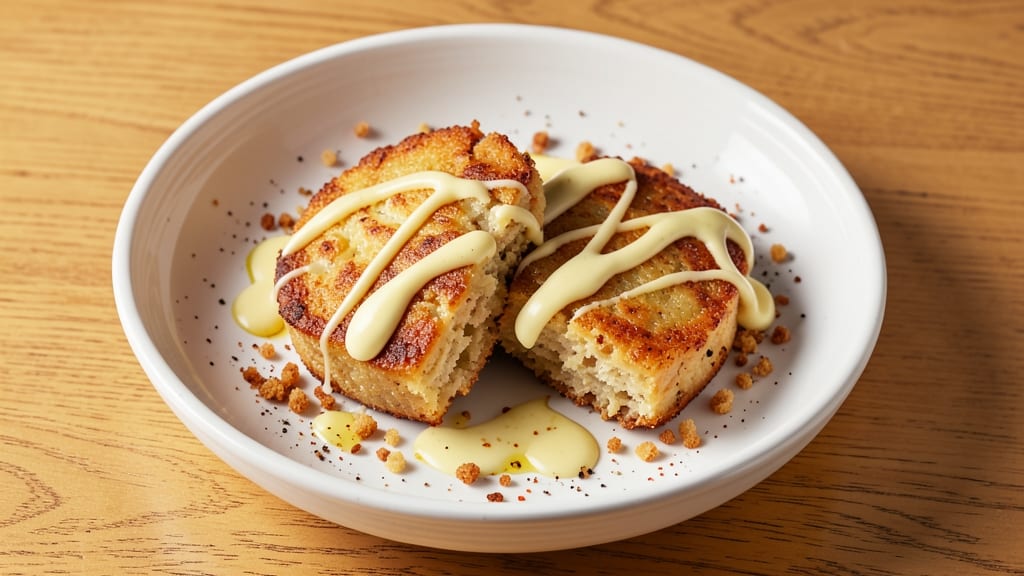
This tuna fish cake recipe with egg delivers the perfect balance of crispy golden edges and tender, fluffy centers every time.
After years of testing variations in my Boston apartment kitchen, I've perfected a foolproof formula that uses egg not just as a binder but as the secret to that signature texture. The key lies in proper mixing, gentle shaping, and the right cooking method—whether you prefer pan-frying, baking, or air-frying.
What sets this recipe apart is the technique: beaten egg creates a delicate lattice that holds the mixture together while allowing moisture to escape just enough for that coveted crispiness.
I've included adjustments for seasoning preferences too—whether you like it mild with classic Old Bay or bold with extra lemon and herbs. The result? Fish cakes that hold their shape beautifully, with a satisfying crunch that gives way to moist, flavorful tuna.
These fish cakes are perfect for pescatarian diets while satisfying even meat-lovers. Serve them warm with a creamy dipping sauce or tartar sauce, or pair with a crisp green salad for a complete meal.
The recipe scales easily too—make a batch for dinner tonight or prep ahead for lunches all week. Let's get started with the foolproof method that's transformed my weeknight dinners.
Confession: I used to overmix the batter, which always led to dense cakes. The solution? Gently fold the egg mixture just until combined, then let the fish cakes rest briefly before cooking.
This small adjustment makes all the difference in achieving that ideal texture. Trust me on this one—it's the technique that separates good fish cakes from truly exceptional ones.
Ingredients for tuna fish cake recipe with egg
Nine simple ingredients transform canned tuna into restaurant-quality fish cakes with crispy edges.
| Ingredient | Amount | Notes |
|---|---|---|
| Canned Tuna in Water 🐟 | 15 oz | Drained well, flaked by hand |
| Large Eggs 🥚 | 2 whole | Room temperature, beaten |
| All-Purpose Flour 🌾 | ½ cup | For binding, not too fine |
| Mayonnaise 🥫 | ¼ cup | Duckay or Hellmann's preferred |
| Fresh Lemon Juice 🍋 | 2 tbsp | Freshly squeezed, bright flavor |
| Old Bay Seasoning 🌶️ | 1 tbsp | Classic flavor profile |
| Fresh Chives 🌿 | 2 tbsp | Finely chopped, garnish |
| Extra-Virgin Olive Oil 🫒 | ¼ cup | For frying, light flavor |
| Salt 🧂 | ½ tsp | Kosher or sea salt |
| Black Pepper 🌶️ | ¼ tsp | Freshly ground, medium grind |
| Panko Breadcrumbs 🍞 | ½ cup | Light and crispy texture |
| Unsalted Butter 🧈 | 2 tbsp | For pan-frying, full-fat preferred |
| Vegetable Oil 🫒 | ½ cup | For deep frying option |
The tuna makes or breaks this—stick with high-quality brands like Wild Planet or Vital Choice if you can swing it. Draining it well is key, but don't press it dry (that makes fish cakes tough). I always grab the water-packed kind, not oil—it keeps the flavor clean. The eggs? Room temperature is a game-changer for fluffiness. I keep a carton on the counter just for this recipe. Old Bay is non-negotiable for that classic seafood vibe, but if you're feeling fancy, swap it for a mix of celery salt and paprika.
No Old Bay? Celery salt plus smoked paprika at half the amount works in a pinch. Fresh lemon juice can be swapped for bottled, but fresh is always brighter. Overmixed batter = dense cakes, so fold the egg mixture gently—just until combined. The panko gives that perfect crunch, but if you're out, regular breadcrumbs toasted in the oven do the trick. For extra crispiness, I like to dip the shaped cakes in egg wash before breading—worth the extra bowl.
Fish cakes keep for 3 days in the fridge, but honestly they're best fresh. Freeze them uncooked on a tray first, then transfer to a bag for up to 2 months. I always make a double batch and freeze half—they're perfect for quick lunches. Reheat gently in the oven or air fryer to keep them crispy. Pro tip: Let them rest 5 minutes after cooking before serving, or they'll fall apart.
Why You'll Love This Recipe
- Pantry-to-Plate Speed: I swear by this recipe when I’m staring at an empty fridge at 6:30 PM. Just drain the tuna, crack eggs, mix—no chopping, no measuring cups. The mayo and lemon juice do all the heavy lifting while you’re still deciding whether to put on pajamas.
- Crispy-Creamy Magic: That golden crust from the egg and flour? It’s the best part. Inside stays tender, but the outside? Chef’s kiss. The lemon juice cuts through the richness, so it’s never heavy—just bright and satisfying.
- Lunchbox Legend: Between us, these are my secret weapon for school lunches. Wrap them in lettuce, pack with crackers, or serve cold with pickles. My kids used to complain about tuna—now they fight over who gets the last one.
- Budget Meal That Feeds: Four servings for under $5? Yes, please. The tuna and eggs stretch far, and the mayo adds richness without breaking the bank. Leftovers? Reheat in a pan or toss cold into salads—no waste, all flavor.
Step-by-step instructions for perfect tuna fish cakes
Follow this foolproof method for golden, crispy tuna cakes with fluffy centers every time.
Flake the Tuna and Mix Wet Ingredients
Drain the 15 oz canned tuna in water thoroughly and flake it by hand with your fingers into a large bowl. I like to use a fork to break up any large chunks, but keep some texture—this prevents the cakes from becoming too dense. Add the 2 whole room temperature eggs, 0.25 cup mayonnaise, 2 tbsp fresh lemon juice, 1 tbsp Old Bay seasoning, 0.5 tsp salt, and 0.25 tsp black pepper to the bowl.
Using a silicone spatula, gently fold everything together until just combined. You're looking for a smooth mixture without overmixing—this keeps the cakes tender. The lemon juice brightens the flavor while the Old Bay gives that classic seafood seasoning. If the mixture seems too thick, add 1-2 teaspoons of water to help bind everything together.
Add Flour and Panko for Structure
In a separate small bowl, whisk together the 0.5 cup all-purpose flour and 0.5 cup panko breadcrumbs. The flour helps bind the mixture while the panko adds that signature crispy texture. Sprinkle this dry mixture over the wet ingredients and fold gently with the spatula until evenly distributed.
Here's the thing—don't overmix. Just combine until you can't see any dry spots, about 10-12 gentle folds. Overworking the batter develops gluten, which makes the cakes tough instead of tender. The mixture should hold its shape when you press it lightly—if it crumbles too easily, add 1 more tablespoon of flour. Cover the bowl and refrigerate for 20-30 minutes to let the flavors meld and the mixture firm up slightly.
Form and Chill the Cakes
After chilling, line a plate with parchment paper. Using your hands (lightly wet them first to prevent sticking), scoop the mixture into 4 equal portions and shape them into ½-inch thick patties. I press down gently but not too firmly—you want them to hold together but still be tender. Place them on the prepared plate and refrigerate for another 15 minutes to firm up completely.
This chilling step is crucial—it prevents the cakes from falling apart when you cook them. If you're short on time, you can skip the second chill, but the cakes will be slightly less stable. While they're chilling, preheat your oven to 400°F for baking or heat 2 tbsp unsalted butter and 0.25 cup extra-virgin olive oil in a skillet for pan-frying.
Cook Until Golden and Crispy
For pan-frying, heat 2 tbsp unsalted butter and 0.25 cup extra-virgin olive oil in a large skillet over medium heat. Once the butter foams and the oil shimmers (about 2-3 minutes), carefully add the tuna cakes. Cook for 3-4 minutes per side until they're golden brown and crispy on the outside. You'll see the edges start to crisp—that's your signal to flip carefully with a spatula.
For baking, brush the cakes lightly with 0.25 cup extra-virgin olive oil and place them on a baking sheet lined with parchment paper. Bake for 12-15 minutes until the edges are golden brown and the internal temperature reaches 160°F. The cakes should be firm to the touch and hold their shape. If using 0.5 cup vegetable oil for deep frying, heat the oil to 350°F and fry for 2-3 minutes per side until golden.
Garnish and Serve Warm
Transfer the cooked tuna cakes to a paper towel-lined plate to drain any excess oil. Sprinkle with 2 tbsp finely chopped fresh chives right before serving. The chives add a fresh, bright finish that cuts through the richness of the mayonnaise and butter. Serve immediately with lemon wedges on the side—squeezing a little extra lemon juice over the top elevates the flavor even more.
These tuna cakes are best enjoyed right away while they're warm and crispy. The outside should be golden and crunchy, while the inside remains moist and fluffy. If you're serving with a sauce, like tartar or cocktail, let it cool slightly first so it doesn't melt into the cakes too quickly. Pair with a crisp green salad or roasted vegetables for a complete meal.
Pro Tips For Making Tuna Fish Cake Recipe With Egg
- Drain Tuna Properly: Skip pouring the tuna straight from the can—drain it in a fine-mesh strainer for 30 seconds, then press out excess water with a spoon. I learned this the hard way when my first batch turned into a sad, watery mess (yes, even canned tuna has moisture hiding in it).
- Mix Just Until Combined: Overmixing the batter after adding flour makes tough, dense cakes. Stir until the dry ingredients disappear—about 10-12 strokes—then stop. I used to beat it like pancake batter, and my cakes ended up rubbery.
- Chill the Batter: Let the mixture sit uncovered in the fridge for 15 minutes before shaping. This firms up the eggs and mayo, so the cakes hold together when frying. (I know, waiting feels pointless, but your future self will thank you.)
- Use Cold Oil: Heat your pan to medium (350°F/175°C), then add about ¼ inch of oil and let it warm for 2 minutes before adding the cakes. Cold oil splatters like crazy, and hot oil burns the outside before the inside cooks. I’ve done both—trust me on this.
Essential equipment for great tuna fish cake recipe with egg
Pan-Fry Essentials
For the classic crispy texture, you'll need a 10-inch cast iron skillet—I swear by my Lodge pre-seasoned one. Heat 2 tbsp unsalted butter and 0.25 cup extra-virgin olive oil over medium heat until the butter foams and oil shimmers.
A silicon spatula makes flipping easier without breaking the cakes. I keep a small bowl of water nearby to dip my fingers if the mixture sticks while shaping. 🔥
Baking Setup
If baking, a rimmed baking sheet with parchment paper is your best friend—no sticking here. Preheat your oven to 400°F and brush the shaped cakes with 0.25 cup olive oil before baking. I use a wire rack on top of the sheet to prevent soggy bottoms.
A meat thermometer ensures perfect doneness at 160°F internal temperature. My go-to brand is Thermoworks Smoke for accuracy. ⏰
Air Fryer Hack
For a lighter option, use a 3-quart air fryer at 375°F for 8-10 minutes, flipping halfway. Lightly spray the cakes with olive oil before air frying to help crisp the edges.
I like the Ninja Foodi model—it cooks evenly without needing to flip. The air fryer cuts oil usage by 75% while keeping that crispy texture. 💫
Deep Fryer Option
For maximum crispiness, a deep fryer set to 350°F works wonders. Use 0.5 cup vegetable oil and fry for 2-3 minutes per side. A deep fry thermometer is essential—oil temperature drops when you add the cakes.
I keep a wire basket handy for easy lifting. This method is my secret for restaurant-style crunch. 🍳
Must-Have Extras
Keep these handy for perfect results: a small mixing bowl for the dry ingredients, a measuring spoon set for precise seasoning, and paper towels for draining. I also recommend kitchen twine to tie lemon wedges for easy serving. A fine-mesh strainer helps drain tuna thoroughly—no soggy cakes here! 🧂
Nutrition facts
Frequently asked questions
Can I use oil-packed tuna instead of water-packed?
Yes, but you'll need to drain it very thoroughly and rinse it under cold water first to remove excess oil. Oil-packed tuna adds richness, so reduce the mayonnaise to 2 tablespoons instead of 0.25 cup to balance flavors. The texture will be slightly denser but still delicious.
Why are my fish cakes falling apart when cooking?
This usually happens from overmixing the batter or skipping the chilling step. Gently fold the ingredients just until combined (about 10-12 folds) and always refrigerate the shaped cakes for 15 minutes before cooking. For extra stability, add 1 extra tablespoon of flour if the mixture feels too loose.
How do I make these fish cakes without mayo?
Replace the mayo with 0.25 cup Greek yogurt or 0.25 cup mashed avocado for creaminess, or use 0.25 cup plain cottage cheese for a lighter option. The egg still acts as the primary binder, but these alternatives add moisture. Just be sure to reduce any added liquid (like water) by 2 tablespoons to maintain proper texture.
Can I bake these instead of frying?
Brush the shaped cakes with 0.25 cup olive oil and bake at 400°F for 12-15 minutes until golden brown and reaching 160°F internally. For extra crispiness, broil for 1-2 minutes at the end. Baking reduces oil but may make them slightly less crisp than pan-frying.
What's the best way to reheat leftover fish cakes?
For crispy results, reheat in a 375°F oven for 5-7 minutes or use an air fryer at 350°F for 3-4 minutes. Avoid microwaving—they'll get soggy. If you must use the microwave, cover with a damp paper towel and heat for 20-30 seconds at 50% power, then finish under the broiler for 1 minute.