
Side Dishes
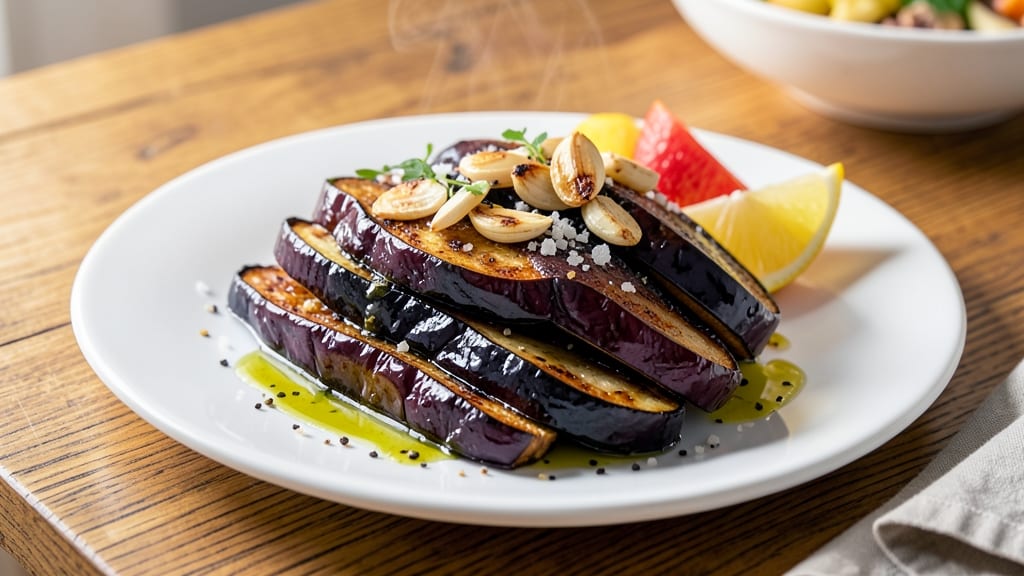
This twice-cooked eggplant recipe transforms humble eggplant into a restaurant-worthy side with irresistible texture contrast—crispy golden edges and tender, velvety centers. 🌟 The secret lies in two cooking stages: first roasting or frying until perfectly caramelized, then simmering in a rich sauce that infuses every bite with depth.
I developed this method after years of experimenting with Mediterranean techniques, and it never fails to impress. What sets this dish apart is the textural magic—the initial cooking creates that addictive crispiness, while the second simmer in sauce transforms the interior into something silky and flavorful.
The process is simpler than it sounds, requiring just 30 minutes of active time (plus optional overnight marinating for extra flavor). You can customize the sauce base to suit your taste—tomato-based for brightness, yogurt-based for creaminess, or spiced with cumin and paprika for warmth.
By the time you serve it, you'll have a dish that's foolproof yet impressive, perfect for vegetarian mains or hearty sides. The eggplant absorbs the sauce beautifully, creating a satisfying bite that's both crisp and tender.
Pair it with crusty bread to soak up every last drop of that flavorful sauce. This recipe scales effortlessly for crowds and reheats beautifully, making it ideal for meal prep.
Whether you're serving it alongside grilled meats or as a standalone vegetarian dish, the contrast of textures and flavors will leave everyone asking for seconds.
Ingredients for twice cooked eggplant
Transform humble eggplant into crispy, velvety perfection with these Mediterranean-inspired ingredients.
| Ingredient | Amount | Notes |
|---|---|---|
| Japanese Eggplant (or Italian Eggplant) 🍆 | 2 lb | Medium-sized, unpeeled for texture |
| Extra-Virgin Olive Oil 🫒 | ½ cup | High quality, fruity variety |
| Garlic Cloves 🧄 | 6 cloves | Minced, for marinade and sauce |
| Lemon Juice 🍋 | ¼ cup | Freshly squeezed, bright flavor |
| Salt 🧂 | 1 ½ tsp | Diamond Crystal preferred |
| Ground Black Pepper 🌶️ | ½ tsp | Freshly cracked for intensity |
| Dried Oregano 🌿 | 1 tsp | Mediterranean blend preferred |
| Tomato Paste 🍅 | ¼ cup | San Marzano for best flavor |
| Vegetable Broth 💧 | 1 ½ cups | Low-sodium preferred |
| Plain Greek Yogurt 🥛 | ½ cup | Full-fat for creaminess |
| Fresh Parsley 🌿 | ¼ cup | Chopped, for garnish |
| Crusty Bread 🍞 | 1 loaf | For serving, optional |
The eggplant is the star—Japanese varieties (like Senmai) are my go-to for their tender flesh, but Italian eggplant works too. Whole Foods or Trader Joe's usually carry the best selection. Look for firm, heavy eggplants with glossy skin—those are the ones that'll hold up beautifully during the double-cooking process. If you can't find Japanese eggplant, Italian is the next best thing, just expect slightly larger seeds. The key is to slice them evenly—about 1/2-inch thick—for consistent cooking. I always buy a pound extra just in case.
No extra-virgin olive oil? Light olive oil works in a pinch, but you'll lose some of that fruity depth. The tomato paste can be swapped for crushed tomatoes at double the amount if you're fresh out, but the paste gives you that concentrated umami punch. Fresh parsley wilting? Dried parsley at one-quarter the amount does the trick, though fresh is always better. The Greek yogurt adds that creamy richness—full-fat is non-negotiable here—but if you're dairy-free, coconut yogurt works beautifully. For the bread, any crusty loaf will do—baguettes or sourdough are ideal for soaking up that delicious sauce.
Eggplant keeps for 5-7 days in the fridge, but it's best used within 2-3 days of purchase for peak texture. The sauce can be made a day ahead—it actually tastes better once the flavors meld overnight. Store it in an airtight container in the fridge. For the bread, toast it fresh before serving to keep it crispy. This dish reheats beautifully—just warm the sauce and eggplant together for 2-3 minutes in a skillet, and the edges will get that perfect crisp again. Leftovers keep for 4 days in the fridge or 3 months frozen.
Why You'll Love This Recipe
- One-Pan Magic: I swear by this—just slice, sear, and repeat. No chopping boards overflowing, no pots to wash. The eggplant soaks up the olive oil like a dream, and that second cook? Pure satisfaction with zero extra effort.
- Crispy-Creamy Obsession: The first fry gives you that golden, shatteringly crisp edge, while the second simmer melts the inside into something silky. Add a squeeze of lemon? Suddenly, it’s restaurant-quality without the pretension.
- Meal Prep MVP: Between us, this is my go-to for busy weeks. Toss it in containers for lunches or reheat slices straight from the fridge—still holds up like a champ. Honestly, I’ve survived on this for days without getting bored.
- Budget Stretch: A single eggplant feeds four, and the ingredients? Basic pantry staples. That olive oil gets stretched thin but still tastes luxurious, and garlic? You’ll use half a bulb and wonder why you ever bought more. Smart, simple, and satisfying.
Step-by-step instructions for double-roasted eggplant
Here's how to achieve that perfect balance of crispy edges and tender interior in every bite.
🔥 Step 1: Parboil the Eggplant for Tender Foundation
Preheat your oven to 400°F and bring a large pot of water to a rolling boil. Cut the 2 lb Japanese eggplant into 1-inch thick rounds (no need to peel—those skins add texture). Drop the eggplant into the boiling water and cook for 5 minutes until just tender when pierced with a knife.
Here's the thing—this initial cooking removes excess moisture and creates a canvas for that perfect crispy crust later. Drain the eggplant immediately and transfer it to a clean kitchen towel to pat completely dry. Any lingering moisture will prevent proper browning in the oven. I like to press down firmly with another towel to squeeze out as much water as possible.
🍳 Step 2: Create the Flavorful Marinade
While the eggplant dries, combine 0.5 cup extra-virgin olive oil, 0.25 cup lemon juice, 1.5 tsp salt, 0.5 tsp ground black pepper, and 1 tsp dried oregano in a large bowl. Add the 6 minced garlic cloves and mix well. This bright, herby marinade will infuse the eggplant with layers of flavor.
Toss the dried eggplant rounds in this marinade until completely coated, pressing gently to ensure the oil penetrates. Let it sit for 15 minutes at room temperature—this allows the flavors to meld and the eggplant to absorb the marinade's richness. Don't skip this step; it's what transforms good eggplant into exceptional eggplant.
🔥 Step 3: First Roast for Maximum Crispiness
Arrange the marinated eggplant on a rimmed baking sheet in a single layer, leaving ½ inch between each piece. Roast in the 400°F oven for 20-25 minutes, flipping halfway through, until the edges are deep golden brown and crispy while the centers remain tender.
Watch carefully during the last 5 minutes—you want that perfect contrast between crispy exterior and tender interior. If you see the edges browning too quickly, tent with foil to prevent burning. The eggplant should release easily from the baking sheet when ready. Here's where the twice-cooked magic begins: those crispy edges will develop even more depth in the second roast.
🥘 Step 4: Build the Rich Tomato Sauce
While the eggplant roasts, prepare the sauce by heating 0.25 cup tomato paste in a saucepan over medium heat for 2 minutes until fragrant. Add 1.5 cups vegetable broth and simmer for 8-10 minutes until slightly thickened. Stir in 0.5 cup plain Greek yogurt and remove from heat.
This sauce delivers the perfect balance of tangy tomato and creamy yogurt that complements the eggplant beautifully. Taste and adjust seasoning—you might want to add a pinch more salt or a splash of lemon juice to brighten the flavors. Keep the sauce warm while you complete the second roast.
🔥 Step 5: Second Roast with Sauce for Ultimate Flavor
Return the oven to 400°F and arrange the roasted eggplant on a fresh baking sheet. Spoon the warm tomato-yogurt sauce over each piece, coating them generously. Return to the oven for 5-7 minutes until the sauce bubbles and the eggplant reaches 165°F internally.
This second roast infuses the eggplant with the sauce's flavors while creating that signature caramelized crust. The contrast of crispy eggplant with creamy, tangy sauce is what makes this dish so special. Garnish with 0.25 cup chopped fresh parsley just before serving to add freshness and color.
🍽️ Step 6: Serve with Crusty Bread
Transfer the twice-cooked eggplant to a serving platter and let it rest for 5 minutes to allow the sauce to set slightly. Serve immediately with slices of the crusty bread for dipping—it's perfect for soaking up every last bit of that delicious sauce.
Each bite should deliver that satisfying contrast: crispy edges that shatter slightly, tender eggplant that melts in your mouth, and a creamy-tangy sauce that ties it all together. The lemon and garlic notes brighten the richness, while the oregano adds that Mediterranean touch that makes this dish so irresistible.
Pro Tips For Making Twice Cooked Eggplant
- Salt the Eggplant Twice: The first salt bath (15 minutes) draws out bitterness—don’t skip it. After patting dry, sprinkle a second light salt layer before cooking; this keeps the flesh tender without making it soggy. (Yes, even if you’re impatient like me.)
- Char the Skin First: High heat is non-negotiable here. Sear the eggplant cut-side down in olive oil until the skin blackens and cracks—this adds smoky depth. Flip only when the flesh resists easily; otherwise, you’ll end up with mushy slices.
- Use Garlic Like a Pro: Mince the cloves finely—almost paste-like—and let them sit in the oil for 30 seconds before adding the eggplant. This prevents burning and ensures they melt into the dish instead of clumping. (I learned this the hard way after biting into a garlic chunk.)
- Finish with Lemon While Warm: Squeeze the juice over the eggplant right after it comes off the heat—this locks in flavor before the dish cools. If you wait, the acid turns watery and the salt taste dulls. A splash of zest at the end? That’s the cherry on top.
Pro cooking tips for perfect results
Crispy Edge Secrets
The key to perfect twice-cooked eggplant lies in the first roast—400°F oven temperature is non-negotiable for that signature crisp. I use Japanese eggplant because its tender flesh browns beautifully, but Italian works too.
The 5-minute parboil removes excess moisture, which prevents soggy edges later. Pat the eggplant thoroughly dry with towels—this step is what transforms good into exceptional. 🔥
For extra crispiness, I flip the eggplant halfway through roasting and leave ½-inch gaps between pieces on the baking sheet. This allows air to circulate, creating those coveted golden-brown edges. If your oven runs hot, tent with foil during the last 5 minutes to prevent burning while maintaining crispness.
Sauce Infusion Magic
The second roast isn't just about reheating—it's about flavor fusion. The warm tomato-yogurt sauce should be generously spooned over the eggplant before the final 5-7 minutes in the oven.
This creates a caramelized crust while infusing the tender interior with creamy, tangy goodness. I always keep the sauce warm while the eggplant roasts to maintain its consistency.
For maximum flavor, I stir in Greek yogurt at the end—it adds creaminess without overpowering the eggplant's natural taste. A pinch of Diamond Crystal salt and a splash of lemon juice brighten the sauce perfectly. The sauce should coat the eggplant evenly, creating that signature restaurant-quality finish.
Temperature Control
Your oven's internal temperature is critical—use an oven thermometer to verify it's actually 400°F. Many home ovens run 25-50°F hotter or colder than set. For the second roast, the eggplant should reach 165°F internally—this ensures it's fully cooked while maintaining texture.
I check with a meat thermometer inserted into the thickest piece.
If your eggplant isn't crispy enough after the first roast, try broiling for 1-2 minutes at the end of the second roast. This gives an intense burst of heat that crisps the edges without overcooking the interior.
Just watch closely—broiling can happen fast! The goal is crispy edges with tender centers—this balance is what makes twice-cooked eggplant so special.
Equipment Essentials
You don't need fancy tools, but a few game-changers make this dish foolproof. A rimmed baking sheet prevents sauce from leaking onto your oven floor. I use Lodge cast iron for even heat distribution and superior browning.
For drying the eggplant, clean kitchen towels work best—paper towels don't absorb moisture as effectively.
For the sauce, a heavy-bottomed saucepan prevents scorching. I stir constantly during the 8-10 minute simmer to build flavor without burning. A microplane for garlic gives you that fine, aromatic texture that blends beautifully into the sauce.
And don't skip the resting time—letting the eggplant sit for 5 minutes before serving allows the sauce to set slightly for cleaner bites.
Texture Troubleshooting
If your eggplant turns out too soft, you likely overcooked it during the second roast. The 5-minute parboil should be just enough to tenderize—no longer. For extra crispiness, try air-frying at 375°F for 3-4 minutes after the first roast instead of using the oven.
This creates a crunchier exterior while keeping the interior tender.
For uneven cooking, slice the eggplant uniformly (about ½-inch thick). Thicker slices take longer to cook through. If your sauce is too thin, simmer it uncovered for 2-3 extra minutes to reduce.
Too thick? Add a splash of vegetable broth to loosen it up. The perfect sauce should coat the back of a spoon but still allow for easy dipping with bread.
Nutrition facts
Frequently asked questions
Why do I need to parboil the eggplant first?
The 5-minute parboil removes excess moisture that would otherwise make the eggplant soggy during roasting. This creates the perfect foundation for crispy edges while keeping the interior tender. Skipping this step often results in eggplant that's either too soft or doesn't brown properly.
Can I make this recipe without an oven?
For the first cook, use a skillet over medium-high heat with 1/4-inch olive oil. Cook the eggplant rounds for 3-4 minutes per side until golden. For the second cook, transfer to a broiler pan and broil for 2-3 minutes after adding the sauce. The air fryer also works beautifully for both steps at 375°F.
What if my eggplant turns out too bitter?
Bitterness usually comes from undercooked eggplant or using older produce. Always cook eggplant until it reaches 165°F internally. For extra insurance, soak sliced eggplant in cold water with 1 tablespoon lemon juice for 15 minutes before cooking. This helps neutralize any bitter compounds. Fresh, firm eggplant should never taste bitter when cooked properly.
How can I make this vegetarian dish more substantial?
Add 1/2 cup cooked chickpeas to the sauce for protein, or serve with warm couscous or quinoa on the side. For extra heartiness, top with crumbled feta or toasted pine nuts. The eggplant's creamy texture pairs beautifully with these additions, making it a complete meal.
Can I prepare this ahead of time?
Yes! Assemble the dish completely (including sauce) up to 1 day ahead. Store in an airtight container in the fridge. Reheat in a 350°F oven for 15 minutes to restore crispiness. The flavors actually improve overnight as the eggplant absorbs more sauce. For serving, just reheat and garnish with fresh parsley.