
Breakfast & Brunch
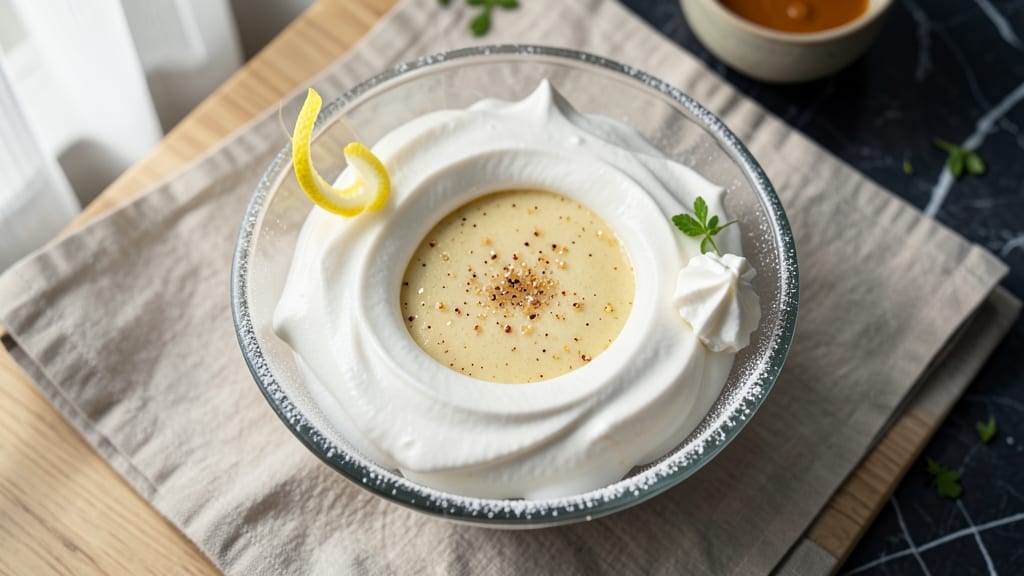
This two-egg meringue recipe transforms simple ingredients into ethereal clouds with a delicate crunch—perfect for topping desserts or enjoying as an elegant treat on its own. The secret lies in precise technique: gentle folding and controlled drying create those signature airy peaks and crisp edges.
I've perfected this method after years of baking, ensuring stability without the need for stabilizers or excessive sugar.
What makes this recipe special is its versatility—use it as a topping for pies, pavlovas, or fruit tarts, or shape it into nests for ice cream. The French method (whipping egg whites over a double boiler) creates a stable base that holds its shape beautifully.
For extra flavor, I often add a touch of vanilla or citrus zest, though the classic version remains pure and elegant.
By the time you're done, you'll have meringue that's light enough to dissolve on your tongue yet sturdy enough to support toppings. The caramelized sugar crust forms naturally as it dries, adding just the right amount of crunch.
This recipe delivers professional results with minimal equipment—a stand mixer or hand whisk and a piping bag are all you need.
Storage is simple: keep in an airtight container for up to 3 days, or freeze for longer preservation. Whether you're baking for a special occasion or satisfying a sweet tooth, this two-egg meringue is a foolproof technique that elevates any dessert. Let's create something extraordinary with just eggs and sugar.
Ingredients for two egg meringue
Four ingredients transform into ethereal meringue clouds with crisp caramelized edges.
| Ingredient | Amount | Notes |
|---|---|---|
| Large Egg Whites 🥚 | 4 whole | Freshly separated, room temperature |
| Granulated White Sugar 🍚 | 1 cup | Superfine preferred for faster dissolving |
| Vanilla Extract 🌿 | ½ tsp | Pure vanilla for authentic flavor |
| Cream of Tartar 🧂 | ¼ tsp | Stabilizes meringue peaks |
| Kosher Salt 🧂 | ⅛ tsp | Fine grain preferred |
| Lemon Juice 🍋 | ½ tsp | Freshly squeezed for acidity |
| Corn Syrup 🍯 | ½ tsp | Light corn syrup for stability |
| Unsalted Butter 🧈 | 1 tbsp | Softened for folding |
The egg whites are the foundation—use room temperature whites for best volume, and separate them carefully to avoid any yolk traces. Kirkland brand or Whole Foods organic eggs work perfectly. For sugar, superfine dissolves faster, but regular granulated works if pulsed in a food processor first. The cream of tartar is non-negotiable here—it stabilizes those signature peaks. I always grab mine from Penzeys or the bulk section at Trader Joe's for purity. Fresh lemon juice brightens the flavor, so squeeze it yourself rather than using bottled.
No cream of tartar? White vinegar at half the amount works in a pinch. Vanilla extract can be swapped for vanilla bean paste if you prefer speckled flavor. For a citrus twist, add orange zest instead of lemon juice. The corn syrup is optional but recommended—it prevents weeping. If you're avoiding it, use honey at half the amount, though it may slightly darken the meringue. Butter can be omitted if you prefer a lighter texture, but it adds richness when folded in later.
Freshly made meringue dries best at 250°F (120°C) for 1.5-2 hours. Store in an airtight container with parchment between layers for up to 3 days. For longer storage, freeze for 3 months. Thaw at room temperature before use. These clouds keep their crisp edges when stored properly—no soggy disappointments. Portion into individual nests for ice cream or cut into shapes for elegant desserts.
Why You'll Love This Recipe
- No Whisk Fatigue: I’ll be honest—meringues can feel like a chore, but this two-egg version cuts the work in half. Two egg whites, a pinch of cream of tartar (that’s the secret for stability), and you’re done. No need to save a dozen eggs or stand there arm-wrestling a mixer.
- Vanilla Kiss Magic: That single teaspoon of vanilla extract? It’s the difference between “meh” and “oh wow.” The sugar dissolves into a glossy, caramel-like finish, and the vanilla ties it all together—like a hug for your taste buds. (Yes, even if you’re not a vanilla lover, trust me.)
- Picnic-Proof Perfection: These hold up like champs. Pack them in a container for a day at the beach, a lunchbox snack, or even a last-minute dessert for guests. They won’t melt, they won’t flop, and they’ll still taste like you slaved over them.
- Pantry Staple Power: Five ingredients, all of which you probably already have. No specialty tools, no weird substitutions—just eggs, sugar, and a little patience. If you’re feeding a crowd or just treating yourself, this is the meringue that doesn’t break the bank.
Step-by-step instructions for two egg meringue recipe
Mastering meringue starts with precision—follow these steps to achieve perfect stability and texture.
Prepare the Egg Whites for Maximum Volume
Separate the 4 whole large egg whites into a completely clean, dry mixing bowl. Any trace of fat or yolk will prevent proper whipping, so use a fine-mesh strainer if needed. Add the 0.25 teaspoon cream of tartar and 0.125 teaspoon kosher salt to the egg whites. These ingredients stabilize the meringue by strengthening the protein structure.
Place the bowl in the refrigerator for 10 minutes to chill the egg whites slightly. Cold egg whites whip faster and hold more air, giving you those signature cloud-like peaks. While they chill, measure out the 1 cup granulated white sugar and 0.5 teaspoon corn syrup—superfine sugar dissolves more quickly, but regular granulated works if sifted.
Whip the Egg Whites to Stiff Peaks
Using a stand mixer fitted with the whisk attachment, whip the egg whites on medium speed until soft peaks form. This usually takes about 2-3 minutes. You'll know they're ready when the peaks hold their shape but still bend slightly at the tip. Avoid high speed here—it can incorporate too much air too quickly, making the meringue unstable.
Gradually add the 1 cup granulated white sugar and 0.5 teaspoon corn syrup in a slow, steady stream while mixing on medium-high speed. This gradual addition prevents the sugar from dissolving too quickly and creating a grainy texture. Continue whipping for another 3-5 minutes until the meringue forms glossy, stiff peaks that stand straight up when the whisk is lifted.
Fold in Flavor and Stabilize the Meringue
Gently fold in the 0.5 teaspoon vanilla extract and 0.5 teaspoon lemon juice using a rubber spatula. Be careful not to deflate the meringue—fold just until the flavors are evenly distributed. The acidity from the lemon juice and the vanilla extract enhance the flavor without altering the meringue's structure.
Next, fold in the 1 tablespoon softened unsalted butter until fully incorporated. The butter adds richness and helps create a tender, moist texture. The meringue should now be smooth, glossy, and hold its shape when piped or spread. If it's too thick, you can gently fold in a small amount of additional egg white to loosen it slightly.
Shape and Bake for Perfect Crispiness
Preheat your oven to 250°F and line a baking sheet with parchment paper. Using a piping bag fitted with a large round tip or a spoon, pipe or shape the meringue into 4 equal mounds on the baking sheet. Space them at least 2 inches apart to allow for even baking and expansion.
Bake for 1 hour to 1 hour 15 minutes until the meringues are completely dry to the touch and have developed a light golden brown caramelized crust. The interior should still feel soft and marshmallow-like when you gently press the top. Avoid opening the oven door during baking—this can cause the meringues to collapse.
Cool and Serve for Maximum Enjoyment
Turn off the oven and let the meringues cool inside for 15 minutes with the door slightly ajar. This gradual cooling prevents condensation from forming on the outside, which can make them soggy. Once cooled, transfer them to a wire rack to finish cooling completely.
Serve immediately for the best texture—these meringues are delicate and best enjoyed fresh. The exterior should be crisp with a caramelized sugar crunch, while the interior remains light and airy. Store any leftovers in an airtight container for up to 3 days, though they're best enjoyed within 24 hours for optimal texture.
Pro Tips For Making Two Egg Meringue
- Whip Before Adding Salt: I learned this the hard way—adding salt to egg whites before whipping creates tiny bubbles that burst under pressure. Whip your whites to soft peaks first, then sprinkle in the kosher salt (about ¼ teaspoon) and vanilla. The salt stabilizes the meringue after the structure is formed, not before.
- Use Room-Temp Egg Whites: Cold egg whites whip slower and trap air poorly, leading to weak meringues. Take the whites out of the fridge 30 minutes before starting—this isn’t the prettiest method, but it guarantees volume. Pro tip: Crack them into a warm bowl if you’re really short on time.
- Stop Whipping at Stiff Peaks: Over-whipping turns meringue gummy, and under-whipping makes it collapse. Test by lifting the beaters: stiff peaks should hold their shape but still glide. For two eggs, this usually takes 5–7 minutes—don’t rush, or you’ll regret it later.
- Sift the Sugar First: Granulated sugar clumps when dumped into meringue, creating uneven texture. Sift it directly into the egg whites while whipping, then mix gently with a spatula. This ensures smooth incorporation without deflating your meringue—yes, even if you’re impatient like me.
Perfect pairings for this recipe
Fruit Toppings
Fresh berries are the classic meringue companions—try raspberries, blackberries, or strawberries for a bright, juicy contrast. I often arrange them in a circular pattern on top of the meringue before baking, so they caramelize slightly and release their juices as you eat.
For a tropical twist, use mango slices or passion fruit pulp—the acidity cuts through the sweetness beautifully. 🍓
Creamy Pairings
Whipped cream is a must for meringue, but elevate it with vanilla bean-infused cream or a light mascarpone mixture. I like to fold in 1 tablespoon of powdered sugar and ½ teaspoon of vanilla extract for extra sweetness.
For a richer option, try crème fraîche—its tangy notes balance the meringue’s delicate sweetness perfectly.
Chocolate Drizzles
Melt 2 ounces of dark chocolate (70% cocoa) with 1 teaspoon of coconut oil for a silky drizzle. Let it cool slightly before pouring over the meringue to create elegant, glossy streaks.
For a nutty twist, add 1 tablespoon of crushed hazelnuts or toasted almonds to the chocolate before drizzling. The contrast of crisp chocolate and airy meringue is pure magic. 🍫
Citrus Zest
Brighten your meringue with lemon zest or orange zest—just ½ teaspoon adds a fragrant, tangy kick. I like to sprinkle it over the meringue right before serving, so the aroma is fresh.
For a bolder flavor, mix the zest with 1 teaspoon of honey and drizzle it on top. The citrus also pairs wonderfully with white chocolate shavings for a luxurious finish.
Spiced Syrups
Drizzle warm honey lavender syrup or spiced maple syrup over the meringue for a sophisticated touch. To make the lavender syrup, simmer 2 tablespoons of honey with 1 teaspoon of dried lavender and 1 teaspoon of water for 5 minutes, then strain.
The floral notes complement the meringue’s sweetness without overpowering it. A pinch of cinnamon or cardamom in the syrup adds warmth. 🌿
Unexpected Crunch
Add texture with toasted coconut flakes, crushed pistachios, or sea salt flakes for a savory-sweet contrast. I often sprinkle ½ teaspoon of flaky salt over the meringue just before serving—it enhances the caramelized edges and balances the sweetness.
For a crunchier option, try crushed graham crackers or amaretti cookies mixed into the whipped cream layer.
Nutrition facts
Frequently asked questions
Why does my meringue collapse when baking?
Meringue collapses most often due to humidity or improper baking. Always bake at 250°F (120°C) with the oven door closed—opening it creates condensation that weakens the structure. For extra stability, ensure your egg whites are fully chilled before whipping and add corn syrup to prevent weeping. If humidity is high, bake for 15-30 minutes longer to fully dry the exterior.
Can I make this meringue without cream of tartar?
Yes, but you'll need a substitute. Use ½ teaspoon white vinegar or lemon juice instead—both provide the acidity needed to stabilize the egg whites. Avoid baking powder or baking soda, as they can alter the texture. The meringue may take slightly longer to reach stiff peaks, so whip for 5-7 minutes total.
How do I know when meringue is fully baked?
Fully baked meringue should be completely dry to the touch with no moisture inside. Gently press the top—the center should feel soft but not wet. The exterior should have a light golden caramelized crust. If it's still sticky, bake for 15-30 more minutes with the door slightly open to prevent condensation. Never overbake, or it'll become too dry.
Can I make meringue with just 2 egg whites?
This recipe is specifically designed for 4 egg whites to achieve the perfect balance of stability and lightness. Using only 2 egg whites would result in a much smaller batch with less volume and potentially weaker structure. For a half-batch, reduce sugar to ½ cup and adjust baking time to 45-60 minutes, but expect less crisp edges.
What's the best way to store leftover meringue?
Store meringue in an airtight container with parchment paper between layers to prevent sticking. Keep at room temperature for up to 3 days or freeze for 3 months. Thaw frozen meringue at room temperature—never microwave, as it can make the interior gummy. For best texture, enjoy within 24 hours of baking.