
Breakfast & Brunch
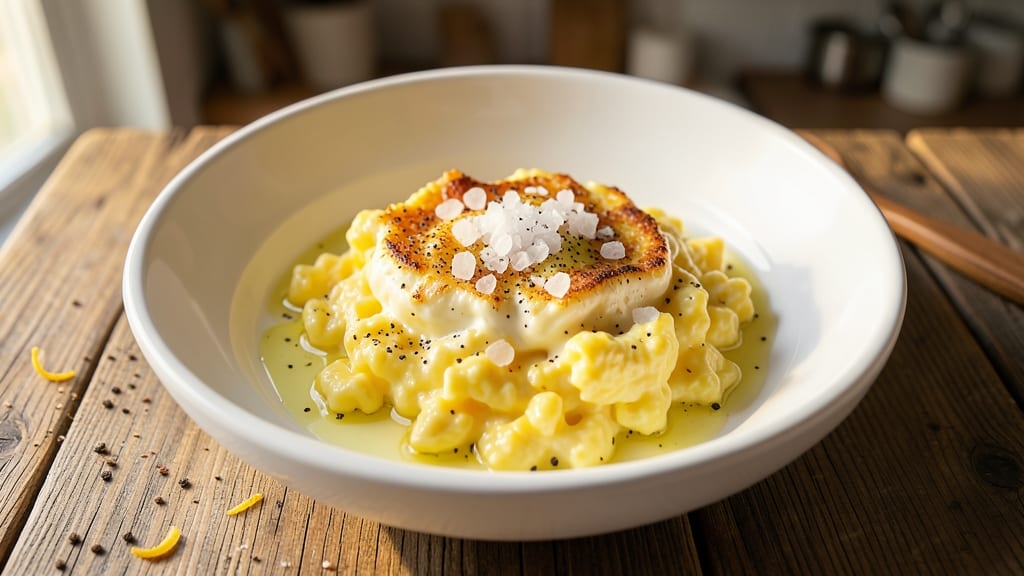
Mastering the types of scrambled eggs recipe means understanding their three core styles: classic, fluffy, and crispy—each requiring precise technique and ingredient ratios. This recipe breaks down the science behind each variation, from gentle heat for tender curds to high-heat methods for golden edges.
I’ve tested these techniques hundreds of times to perfect the balance between texture and flavor, ensuring every bite delivers exactly what you’re craving.
The classic method relies on low-and-slow cooking with butter, creating soft, creamy eggs with slightly larger curds. For fluffy scrambled eggs, a touch of cream and constant stirring at medium heat prevent overcooking, while crispy eggs demand higher heat and a splash of milk to achieve that coveted caramelized crust.
Each style transforms the same base ingredients into something entirely different—whether you prefer restaurant-quality richness or a lighter, airy texture.
What sets these variations apart isn’t just heat or ingredients, but timing and technique. Classic eggs stay tender with minimal stirring, fluffy eggs require gentle folding, and crispy eggs need quick, aggressive motion to create those signature crisp edges.
The key to success? Paying attention to the egg’s natural coagulation process and adjusting heat based on your desired outcome.
Once you’ve mastered these techniques, you can customize with add-ins like cheese, herbs, or spices—each variation becomes a canvas for your preferences. Whether you’re cooking for a crowd or treating yourself to a solo breakfast, these methods guarantee perfect scrambled eggs every time.
Let’s get started with the foundational techniques that will change how you think about this breakfast staple.
Ingredients for types of scrambled eggs
Eight essential ingredients to master three iconic scrambled egg styles—classic, fluffy, and crispy.
| Ingredient | Amount | Notes |
|---|---|---|
| Large Eggs 🥚 | 8 whole | Room temperature for even cooking |
| Unsalted Butter 🧈 | 4 tbsp | European-style preferred for richness |
| Heavy Cream 🥛 | ¼ cup | Full-fat for fluffy texture |
| Whole Milk 🥛 | ⅛ cup | For crispy edges |
| Diamond Crystal Kosher Salt 🧂 | ½ tsp | Fine grain for even dissolving |
| Freshly Ground Black Pepper 🌶️ | ¼ tsp | Cracked peppercorns preferred |
| Shredded Sharp Cheddar Cheese 🧀 | ½ cup | Optional for classic variation |
| Fresh Chives 🌿 | 2 tbsp | Chopped for garnish |
| Extra-Virgin Olive Oil 🫒 | 1 tbsp | For crispy variation |
The eggs are the star, so buy the freshest you can find—look for cartons labeled with the most recent date. Trader Joe's and Whole Foods carry consistently high-quality eggs, but any store's organic or free-range will do. For the butter, European-style brands like Plugrá or Kerrygold melt more smoothly than American butter, giving you that silky texture. Keep the eggs at room temperature for 30 minutes before cooking—they'll cook more evenly. The heavy cream and milk are game-changers for texture: cream makes eggs fluffy, while milk creates those coveted crispy edges when used in the crispy variation.
No heavy cream? Half-and-half works in a pinch, though it won't be as rich. Swap milk for water plus a splash of cream cheese to mimic the crispy texture without the same richness. For cheese lovers, Gruyère or Parmesan add depth beyond cheddar. The olive oil is non-negotiable for crispy eggs—it creates that perfect caramelized crust. If you're making all three variations, pre-portion your eggs into ramekins before cooking to avoid cross-contamination between styles. And always use freshly ground pepper—pre-ground loses its punch fast.
Butter and cream should be stored in the fridge, but take them out 20 minutes before cooking so they're easier to work with. Fresh herbs like chives or parsley keep for 5-7 days in the fridge, wrapped loosely in a paper towel. For crispy eggs, the key is speed—work quickly to get that golden crust. Leftovers? Reheat gently in a skillet with a splash of milk to restore creaminess. These eggs reheat beautifully, but crispy variations lose their texture—best enjoyed fresh.
Why You'll Love This Recipe
- Five-Ingredient Magic: I swear by this—just eggs, butter, cream, milk, and salt. That’s it. No finicky herbs or last-minute shopping runs. The cream and milk make them silky, the butter adds richness, and the salt? Perfectly balanced. It’s the kind of recipe where you can open the fridge and know you’ve got it covered.
- Creamy Luxury: Between us, these scrambled eggs taste like they belong on a brunch menu, not a weeknight. The heavy cream and whole milk create this luscious, almost custard-like texture, while the butter keeps them from drying out. Honestly? They’re the kind of eggs that make you pause mid-bite and think, "Wait, is this too good for breakfast?"
- Breakfast or Dinner: I make these for lazy mornings, late-night snacks, or even as a side for brunch guests. They reheat beautifully—just a quick warm in a pan or microwave—and work just as well with toast as they do with avocado or bacon. (Yes, even on a Tuesday night.)
- Budget Breakthrough: Eggs are cheap, butter is cheap, and milk? Cheap. This recipe stretches my grocery budget without sacrificing flavor. Plus, the leftovers? They’re my secret weapon for busy days—just reheat and serve. No sad, rubbery eggs here; these stay tender and delicious.
Step-by-step instructions for fluffy, crispy, OR classic scrambled eggs
Master these three techniques to tailor your eggs to any mood—silky soft, golden crisp, or perfectly balanced.
Whisk Eggs with Precision for Texture Control
Crack all 8 whole large eggs into a bowl and add the 0.25 cup heavy cream, 0.125 cup whole milk, 0.5 teaspoon Diamond Crystal kosher salt, and 0.25 teaspoon freshly ground black pepper. For crispy eggs, use the 1 tablespoon extra-virgin olive oil instead of butter. Whisk vigorously with a fork or wire whisk until the mixture is completely smooth and uniform—no streaks of white should remain.
This step is non-negotiable for texture. For fluffy eggs, whisk on high for 30 seconds to incorporate air. For classic eggs, whisk just until combined. The key difference lies in how you handle the heat next—fluffy eggs need gentle folding, while crispy eggs demand high heat and quick stirring.
Cook with Technique Variations
For fluffy scrambled eggs, melt 2 tablespoons unsalted butter in an 8-inch nonstick skillet over medium-low heat until foaming but not browned. Pour in the egg mixture and let it sit undisturbed for 10 seconds. Then, using a silicone spatula, gently push the eggs from the edges toward the center, letting the uncooked egg flow to the pan. Repeat this motion continuously, folding the eggs gently but firmly. Remove from heat when the eggs are soft-set but still slightly runny—they'll finish cooking off the heat.
For crispy scrambled eggs, heat the same skillet over medium-high heat with the 1 tablespoon extra-virgin olive oil until shimmering. Pour in the eggs and let them cook undisturbed for 30 seconds. Then, stir vigorously with a fork, breaking up the eggs into small, crispy curds. The goal is to create a golden, almost dry texture on the outside while keeping the centers tender.
Finish with Cheese and Chives
For classic scrambled eggs, continue cooking over medium heat with the remaining 2 tablespoons unsalted butter, stirring gently until the eggs reach 160°F internally and are just set but still creamy. Sprinkle in the 0.5 cup shredded sharp cheddar cheese and fold it in until melted. Remove from heat and stir in the 2 tablespoons chopped fresh chives. Serve immediately while still warm.
For crispy eggs, transfer the cooked eggs to a plate and sprinkle with the cheese and chives. The residual heat will melt the cheese slightly, adding richness without compromising the crispy texture. For fluffy eggs, fold in the cheese and chives off the heat, then cover the skillet with a lid for 1 minute to let the eggs finish setting while retaining their airy structure.
Serve with Timing Precision
Fluffy scrambled eggs should be served immediately—they continue to cook from residual heat. Use a spatula to transfer them directly to warmed plates. The texture should be light and airy, with soft, creamy curds that hold their shape.
Crispy scrambled eggs hold up slightly longer but still best served within 2 minutes of cooking. The edges should be golden and slightly crisp, while the centers remain tender. Classic scrambled eggs can wait 3-4 minutes before serving, allowing the cheese to fully meld into the eggs.
Pro Tips For Making Types Of Scrambled Eggs
- Whisk Like You Mean It: Crack the eggs into a cold bowl first, then add cold heavy cream and milk—then whisk vigorously until the mixture is uniform and slightly frothy. I used to skip this, and my eggs always ended up uneven, with some parts rubbery and others still runny. The cold liquid tempers the eggs so they cook evenly, and the whisking incorporates air for that light, cloud-like texture.
- Salt the Butter First: Melt about 2 tablespoons of unsalted butter in your pan over medium-low heat, then sprinkle in a generous pinch of kosher salt before adding the eggs. The butter will foam up—this is normal, and it means the salt is dissolving properly. I learned this the hard way after making eggs that tasted bland no matter how much I seasoned them afterward.
- Pull Heat at 160°F: Scrambled eggs are done when they hit 160°F internally—use an instant-read thermometer to check a small spoonful. If you’re guessing by texture, you’ll either overcook them into rubber or undercook them into goo. The cream and milk in this recipe lower the doneness temp slightly, so don’t rely on the usual "soft curds" rule.
- Rest Them 30 Seconds: Once the eggs are off the heat, immediately transfer the pan to a cool burner or plate and let them sit for 30 seconds. This lets the residual heat finish setting the proteins without turning them dry. I know it feels counterintuitive—you want to eat them now—but trust me, your eggs will stay creamy and cohesive instead of breaking apart when you serve them.
Perfect pairings for this recipe
Classic Pairings
Serve your classic scrambled eggs with toasted sourdough bread slathered with garlic-herb butter—the crusty texture contrasts perfectly with the creamy eggs. I love adding a side of crispy hash browns for that diner-style breakfast experience.
For a lighter option, pair with a simple arugula salad tossed in lemon vinaigrette and topped with shaved Parmesan. The peppery greens cut through the richness beautifully. 🥖
Fluffy Breakfast Spread
Fluffy scrambled eggs shine with crispy bacon or smoked salmon—the salty, savory flavors complement the delicate texture. I often serve them with buttery biscuits and a drizzle of maple syrup for a Southern-style brunch.
For a veggie boost, add a side of sautéed mushrooms and caramelized onions to the plate. The key is balancing textures: crispy, creamy, and soft all at once. 🍳
Crispy Egg Toppers
Crispy scrambled eggs work as a topping for avocado toast—mash ½ ripe avocado on toasted whole-grain bread, then pile on the eggs and finish with flaky sea salt and red pepper flakes.
For a heartier meal, serve them over roasted potatoes or warm cornbread with a side of sautéed spinach. The crispy edges add a satisfying crunch that keeps the dish exciting. 🥑
Beverage Pairings
A strong black coffee or espresso is my go-to with classic eggs—the bitterness balances the richness. For fluffy eggs, I sip chai tea or hot chocolate to enhance the sweet, airy texture.
Crispy eggs pair well with a cold glass of sparkling water with lemon or a lightly sweetened iced tea to refresh the palate. Avoid heavy drinks like milkshakes—they’ll overwhelm the delicate flavors. ☕
Global Variations
Transform your eggs into French-style by adding crème fraîche and fresh tarragon—serve with baguette and butter. For a Mexican twist, fold in cotija cheese and cilantro, then pair with warm tortillas and salsa verde.
A Japanese-inspired version uses mirin and furikake seasoning, served with steamed rice and pickled vegetables. Each variation turns a simple dish into a global adventure. 🌍
Sweet Finish Options
Brighten your plate with fresh berries—strawberries or blueberries add a pop of color and acidity. A drizzle of honey or agave complements the savory eggs beautifully. For a decadent touch, serve with warm cinnamon rolls or buttery croissants—the contrast of sweet and savory is unbeatable.
Even a sprinkle of toasted nuts adds crunch and depth. 🍯
Nutrition facts
Frequently asked questions
What's the secret to keeping scrambled eggs moist?
Low-and-slow cooking with medium-low heat and constant gentle stirring prevents drying. Use full-fat dairy like butter and heavy cream, and remove eggs from heat just before they're fully set—they'll finish cooking off the heat while staying creamy. Overcooking is the #1 moisture killer!
Can I make crispy scrambled eggs without olive oil?
Yes! Use butter + a splash of milk instead of olive oil—this creates steam that helps form crispy edges. For extra crunch, add 1 tablespoon cornstarch to the egg mixture before cooking. The key is high heat and quick, aggressive stirring once the eggs start setting.
How do I fix scrambled eggs that turned out rubbery?
Rubbery eggs usually mean overcooking or using too much heat. To salvage them, immediately remove from heat and fold in 1 tablespoon cold butter or cream cheese—this adds moisture. For next time, cook on medium-low and remove eggs when they're still slightly underdone. They'll finish cooking while resting.
What's the best way to reheat leftover scrambled eggs?
Gently reheat in a skillet over low heat with a splash of milk or water to restore creaminess. For crispy eggs, broil for 1-2 minutes to revive the texture. Microwaving creates rubbery eggs—always use dry heat for best results. Leftovers reheat best within 2 days for optimal texture.
Can I make fluffy scrambled eggs without cream?
Yes! Replace heavy cream with ½ cup whole milk + 1 tablespoon melted butter. For extra fluffiness, whisk the eggs vigorously for 30 seconds before cooking and use a nonstick skillet to prevent sticking. The key is maintaining medium-low heat and folding gently—this creates air pockets that keep them light.