
Breakfast & Brunch
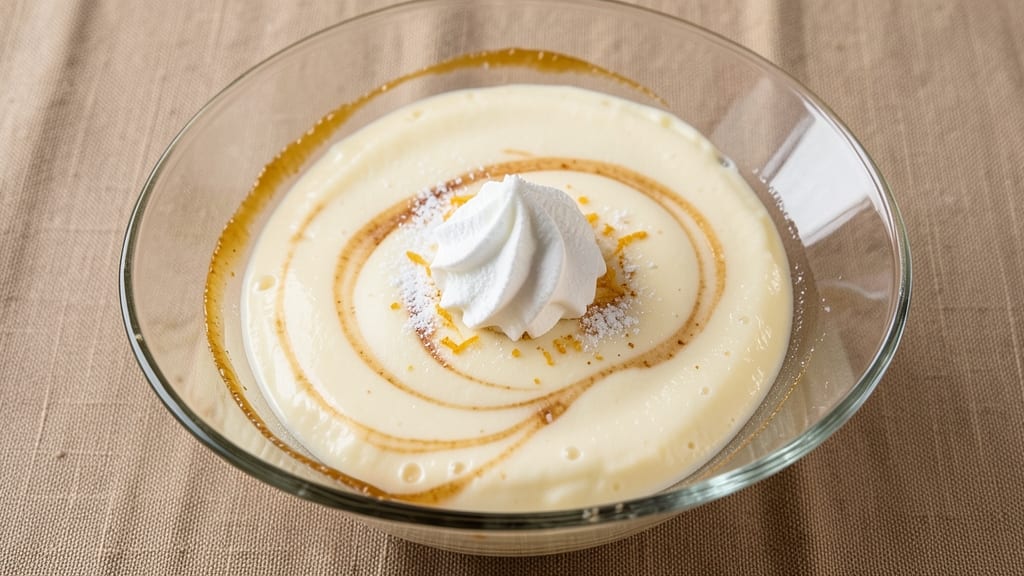
A vanilla pudding recipe with whole eggs and flour delivers that silky-smooth texture without relying on cornstarch—just a few simple ingredients and precise technique. The secret lies in properly tempering the eggs with warm milk, creating a custard so velvety it practically melts in your mouth.
I’ve perfected this method over years of testing, and it never fails to impress, whether served as a breakfast treat or a light dessert.
What makes this recipe stand out is its foolproof method using whole eggs and flour as the thickening agents, creating a naturally rich, creamy texture.
Unlike traditional recipes, this version skips cornstarch entirely, relying instead on the natural binding power of eggs and flour for a result that’s lighter yet just as luxurious. The key is patience—gentle heating and constant stirring ensure a smooth, lump-free finish every time.
By the time you’re done, you’ll have a golden, fragrant pudding with a delicate vanilla essence that’s impossible to resist. The texture is smooth as silk, with no graininess or artificial aftertaste—just pure, comforting creaminess.
Serve it chilled in individual ramekins, topped with a dollop of whipped cream or fresh berries for a touch of elegance.
This recipe is versatile enough for any occasion—pair it with warm cinnamon toast for breakfast, or drizzle with caramel for a sophisticated dessert. The best part? It’s simple enough for weeknights but special enough for guests. Let’s get started!
Ingredients for vanilla pudding recipe with whole eggs and flour
Four whole eggs and just a quarter cup flour create the velvety base for this luxurious pudding.
| Ingredient | Amount | Notes |
|---|---|---|
| Large Eggs 🥚 | 4 whole | Room temperature for best results |
| All-Purpose Flour 🌾 | ¼ cup | Sifted for smooth texture |
| Whole Milk 🥛 | 2 cups | Warm to 160°F for tempering |
| Granulated Sugar 🍚 | ½ cup | Superfine preferred for dissolution |
| Pure Vanilla Extract 🌿 | 1 ½ tbsp | High-quality Madagascar bourbon |
| Unsalted Butter 🧈 | 2 tbsp | Cold, cubed for finishing |
| Salt 🧂 | ¼ tsp | Fine sea salt preferred |
| Heavy Cream 🥛 | 1 cup | Cold for whipped topping |
| Vanilla Bean Seeds 🌿 | 1 tsp | Scraped from 1 pod (optional) |
The eggs are the foundation—room temperature ensures even cooking without lumps. Whole eggs provide both structure and richness, unlike separated versions. For the milk, warming it to 160°F before tempering the eggs is critical; this gradual introduction prevents curdling. I always use organic, pasture-raised eggs from the grocery store's refrigerated section—they emulsify more smoothly. The flour should be sifted beforehand to avoid any grit in the final texture, and King Arthur brand is my go-to for its fine grind and consistent results.
No vanilla extract? Scrape seeds from 1 vanilla bean for authentic flavor, though it requires a $10 pod from specialty stores like Williams Sonoma. Substituting with vanilla sugar works in a pinch, but the extract delivers that complex, boozy depth that's hard to replicate. For the sugar, superfine dissolves instantly, but regular granulated works if pulsed in a food processor. The butter should be cold and cubed—adding it at the end creates a silky ribbon throughout the pudding. If you're avoiding dairy entirely, coconut cream can replace the heavy cream for serving, though it has a distinct taste.
Store the pudding in an airtight container in the fridge for up to 5 days, though it's best enjoyed within 3 days for peak creaminess. For make-ahead convenience, prepare it 24 hours ahead—the flavors deepen as it rests. To serve, gently fold in the whipped cream just before plating, and garnish with a vanilla bean scrape or toasted almond slivers for elegance. The pudding thickens as it chills, so stir well before serving to ensure that signature smooth consistency.
Why You'll Love This Recipe
- No Special Tools: I swear by this recipe because it’s the kind that doesn’t need a thermometer or a whisk attachment—just a saucepan and a wooden spoon. The eggs and flour create that silky texture without overcomplicating things, and honestly? The milk heats up faster than you can boil water for coffee.
- Vanilla That Stays: Between us, store-bought pudding pales in comparison. The real vanilla extract here doesn’t just hint at flavor—it sings. That warm, buttery depth from the whole eggs makes every spoonful taste like a dessert you’d pay extra for, not something you whipped up in 15 minutes.
- Leftovers That Last: This pudding keeps beautifully for days, and I mean days—no weird separation, no watery texture. I’ll make a big batch on Sunday, portion it out, and still have creamy, dreamy bites for breakfast or a midnight snack. (Yes, even on a Tuesday night.)
- Budget Dessert Win: Flour, sugar, milk, eggs—these are pantry staples that won’t break the bank. I’ve made this for potlucks, kids’ birthday parties, and lazy weeknights without stressing over expensive ingredients. It’s the kind of treat that feels fancy but costs next to nothing.
Step-by-step instructions for silky vanilla pudding
This classic custard method delivers restaurant-quality texture using just eggs and flour—no cornstarch needed.
Temper the Egg Mixture with Warm Milk
In a medium heatproof bowl, whisk together the 4 whole Large Eggs, 0.5 cup Granulated Sugar, 0.25 cup All-Purpose Flour, 0.25 tsp Salt, and 1.5 tbsp Pure Vanilla Extract until completely smooth. Place this bowl over a saucepan of simmering water, ensuring the bottom doesn't touch the water. This gentle heat keeps the eggs from scrambling while allowing the sugar to dissolve fully.
Meanwhile, warm the 2 cups Whole Milk in the same saucepan until it reaches 160°F—just below a gentle simmer. With the whisk moving constantly, slowly pour the warm milk into the egg mixture in a thin, steady stream. This tempering process prevents the eggs from curdling by gradually acclimating them to the heat. The mixture should thicken noticeably as it reaches 170°F—use an instant-read thermometer for precision.
Cook the Custard to Perfect Thickness
Return the tempered mixture to the saucepan and cook over medium-low heat, stirring constantly with a wooden spoon or silicone spatula. The custard will thicken gradually—this is where patience pays off. You're aiming for a texture where it coats the back of a spoon but still flows smoothly when stirred. This typically takes 5-7 minutes once the mixture returns to the pan.
Here's the trick: the custard is done when it reaches 175°F and forms a thin skin along the edges when you tilt the pan slightly. If you overcook it, the eggs will break—so watch closely. Once thickened, immediately remove from heat and strain through a fine-mesh sieve into a clean bowl to remove any potential lumps.
Finish and Chill for Maximum Smoothness
Press plastic wrap directly onto the surface of the hot custard to prevent a skin from forming. Let it cool to room temperature, then refrigerate for at least 4 hours (overnight is ideal). The longer it chills, the silkier the texture becomes as the proteins fully set. When ready to serve, whisk in the 1 cup Heavy Cream and 1 tsp Vanilla Bean Seeds for an ultra-creamy finish.
For the perfect presentation, top with 2 tbsp cold, cubed Unsalted Butter that's been whipped briefly to create a light, airy foam. This adds richness without altering the custard's delicate balance. Serve immediately or store covered in the fridge for up to 3 days—though it's rarely around that long.
Pro Tips For Making Vanilla Pudding Recipe With Whole Eggs And Flour
- Whisk Eggs Cold: I learned this the hard way—adding eggs straight from the fridge to warm milk makes for scrambled eggs instead of pudding. Whisk them first, then slowly drizzle in the milk while stirring constantly. The temperature shock is real, and it’s the only way to avoid curdling.
- Sift the Flour: Yes, even if you’re impatient like me. Sifting the flour removes lumps and aerates it, which means your pudding will be smoother, not grainy. Do it right into the saucepan—no extra bowls needed.
- Simmer, Don’t Boil: This isn’t the prettiest method, but it’s the tastiest. Once the pudding thickens, drop the heat to a gentle simmer. Boiling it turns it rubbery, and no one wants that. Keep it at a low bubble, and stir often.
- Vanilla Last: Add the vanilla extract at the very end, right when you pull the pudding off the heat. It burns off faster than you think, and you don’t want that harsh, cooked flavor ruining your dessert. A quick stir in at the last second keeps it bright.
Flavor customization for this recipe
Citrus Twist
Brighten your vanilla pudding with a zest of lemon or orange—just 1 tsp of finely grated zest added to the warm milk before tempering. The citrus cuts through the richness while adding a refreshing contrast.
I love pairing this with a 1 tbsp of fresh lemon juice at the end for a tangy finish. 🍋
Spiced Variations
For a cozy twist, infuse the warm milk with ½ tsp ground cinnamon or ¼ tsp cardamom while heating. The spices meld beautifully with the vanilla, creating a warm, aromatic profile perfect for fall.
If you're feeling adventurous, add a pinch of nutmeg to the finished pudding for depth. Store-bought pumpkin pie spice works too—just ½ tsp does the trick.
Chocolate Infusion
Turn this into a chocolate vanilla hybrid by whisking in 2 tbsp unsweetened cocoa powder with the dry ingredients. For extra richness, melt 1 oz dark chocolate (70% cocoa) into the tempered milk before combining.
Top with whipped cream and chocolate shavings for a decadent dessert. I use Ghirardelli 60% cocoa for the best balance of bitterness and sweetness.
Coffee or Tea Enhancement
Add 1 tbsp instant espresso powder or 1 tsp strong brewed coffee to the warm milk for a mocha-inspired twist. For a tea-infused version, steep 1 bag Earl Grey or chamomile tea in the warm milk before tempering. The subtle floral or herbal notes elevate the vanilla without overpowering it. Just
Fruit-Inspired Flavors
Stir in ½ cup pureed berries (like raspberry or strawberry) when the custard is fully cooled—this adds natural sweetness and vibrant color. For a tropical vibe, blend ½ cup mango or passionfruit pulp into the finished pudding. Garnish with fresh fruit slices or a drizzle of fruit compote for a restaurant-worthy presentation. 🍓
Nutty Crunch Addition
Fold in 2 tbsp toasted chopped nuts—pecans, almonds, or hazelnuts work beautifully—just before serving. For extra crunch, sprinkle crushed pistachios or toasted coconut flakes on top. I like toasting the nuts in a dry pan with ½ tsp brown sugar until golden for added sweetness.
This adds texture contrast while keeping the pudding's silky smoothness intact.
Nutrition facts
Frequently asked questions
Why does this recipe use whole eggs instead of just yolks?
Whole eggs create a more balanced texture—yolks provide richness while whites add structure and lightness. The proteins in egg whites help stabilize the custard, preventing it from becoming too heavy. Plus, it's simpler with fewer ingredients to measure!
Can I make this pudding without a thermometer?
Yes, but it requires close attention. The custard is done when it coats the back of a spoon but still moves slightly when you tilt the bowl. It should also form a thin skin along the edges when the pan is tilted. This typically happens around 5-7 minutes of cooking after tempering.
What if my pudding gets grainy?
Graininess usually means the eggs cooked too long or weren't tempered properly. To fix it, immediately strain the custard through a fine-mesh sieve while still warm. For next time, ensure the milk reaches 160°F before tempering and stir constantly while cooking.
How can I make this recipe dairy-free?
Replace the milk with 2 cups unsweetened almond or oat milk (warmed to 160°F) and the heavy cream with 1 cup coconut cream. The texture will be slightly lighter but still creamy. Use 1 tsp agar-agar mixed with 2 tbsp cold water added at the end for better thickening.
Can I prepare this pudding ahead of time?
This pudding actually tastes better when made 24 hours ahead. The flavors deepen and the texture becomes even silkier. Store it in an airtight container in the fridge—just stir well before serving to restore that perfect smooth consistency.